

Electricity in Bermuda in 2020
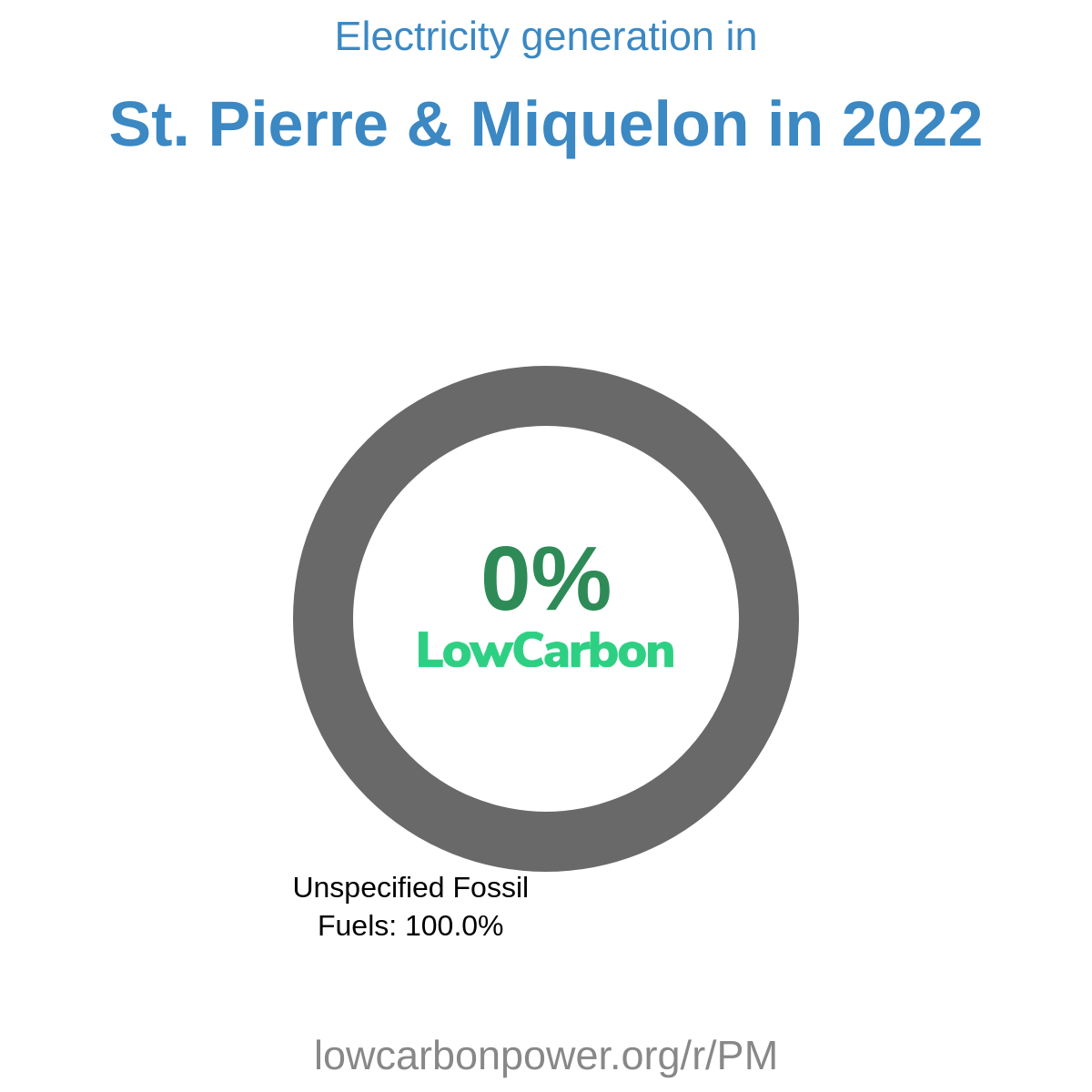
In 2020, Bermuda’s electricity consumption relied entirely on fossil fuels: they supplied 100% of the electricity in the provided data, while low-carbon sources supplied none. This leaves substantial scope to introduce clean electricity, reducing the climate-changing emissions and air pollution associated with fossil-fuel generation.
Is Electricity Growing in Bermuda?
Electricity consumption per person was not growing relative to its historical peak. In 2020, it stood at about 7,800 kWh per person, compared with roughly 11,200 kWh in 2005—a decline of about 3,400 kWh, or 30%. This comparison does not establish whether consumption fell every year or whether total electricity consumption declined. Low-carbon generation remained at zero kWh per person, unchanged from its recorded benchmark in 1980. That stagnation highlights the need to expand clean electricity supply to support future electrification and growing demand.
Suggestions
Bermuda can prioritize solar electricity on rooftops and other suitable developed sites, learning from island regions such as the US state of Hawaii and Cyprus, where solar supplies about 23% of electricity generation, and Cape Verde, where it supplies 14%. Cape Verde also generates 14% of its electricity from wind, offering another island example worth studying where local conditions are suitable. Nuclear should also be considered as part of Bermuda’s long-term clean-electricity planning, with technologies assessed for suitability to its grid. France and Slovakia, where nuclear supplies roughly two-thirds of electricity generation, demonstrate its potential to provide a substantial low-carbon foundation, although their systems differ greatly from Bermuda’s.
History
The supplied historical benchmarks show zero low-carbon electricity generation per person in both 1980 and 2020, indicating no improvement between those two recorded points. However, no year-by-year changes in generation were provided for this historical section, so specific developments or trends across individual decades cannot be described reliably. The available figures nevertheless underline the importance of beginning sustained growth in Bermuda’s clean electricity supply.
Electricity Imports and Exports
Balance of Trade
Nearby Regions