

In 2025, the Dominican Republic's electricity consumption is primarily driven by fossil fuels, which make up nearly 79% of the energy mix. Within this category, gas accounts for just under 40%, while coal contributes close to 29%. The share of low-carbon energy is more modest, constituting about 21% of the overall electricity production. Among these low-carbon sources, solar energy is the most significant, providing just over 9% of electricity. This is followed by hydropower, which contributes around 6.5%, and wind power, offering slightly under 5%. The heavy reliance on fossil fuels presents environmental and sustainability challenges, particularly concerning climate change and air pollution, which can have far-reaching impacts.
Is Electricity Growing in Dominican Republic?
The current trend in the Dominican Republic indicates a slight decline in overall electricity consumption. In 2025, per capita electricity use stands at 2067 kWh, which represents a decrease from the previous year’s high of 2204 kWh. This drop of 137 kWh per person points to a worrying stagnation in the growth of electricity usage, contrary to the desirable upward trend needed to support development and modernization. Meanwhile, there is a bright spot in the growth of low-carbon electricity, which has reached 440 kWh per person, showing an increase of 73 kWh compared to the previous best recorded in 2024. This shift indicates progress in adopting cleaner energy sources, though more effort is needed to increase the overall electricity generation, particularly from sustainable sources.
Suggestions
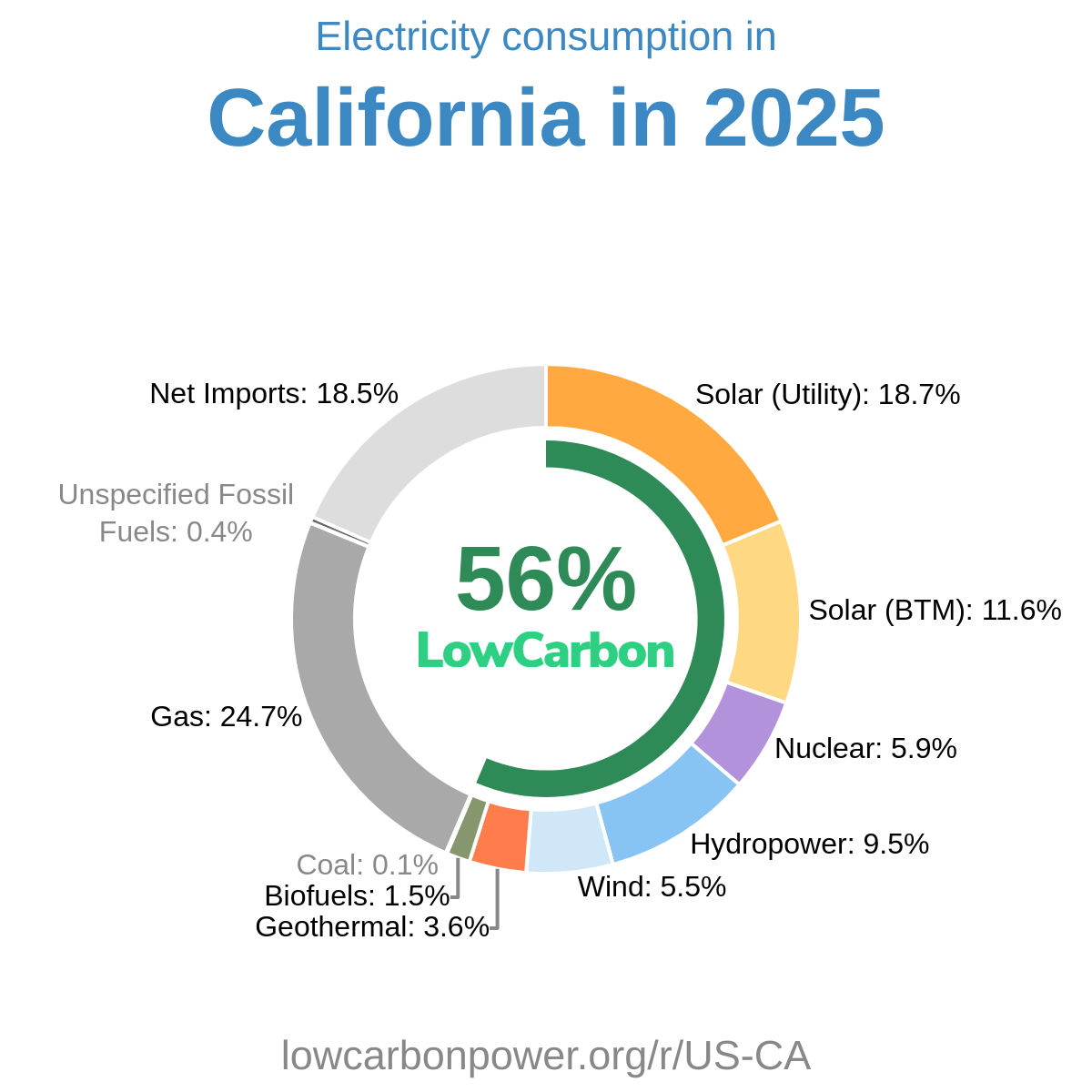
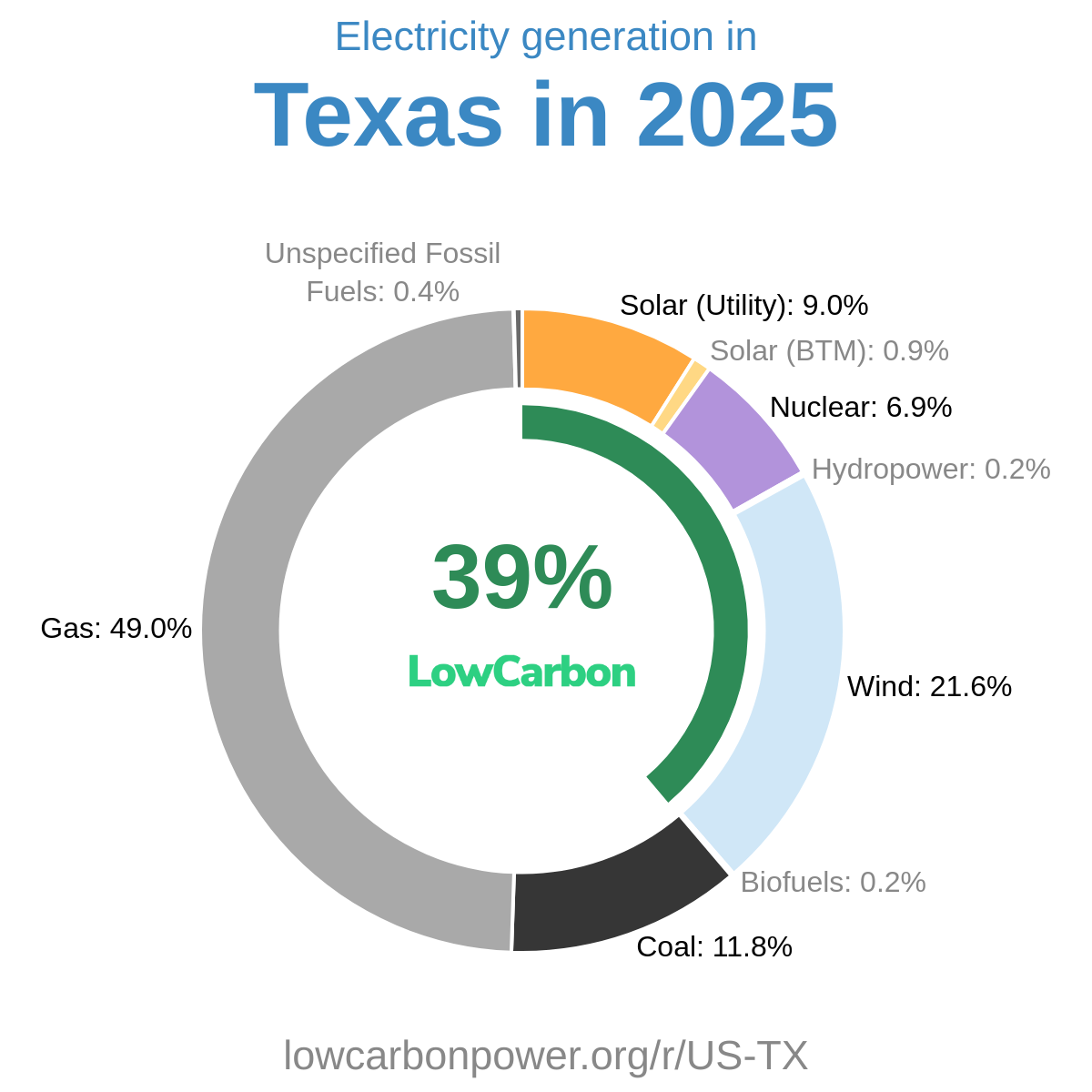
To significantly boost low-carbon electricity generation, the Dominican Republic could take inspiration from regions that successfully rely on both solar and wind, as well as nuclear power. For instance, regions like Nevada and California generate substantial proportions of their electricity from solar energy, contributing 35% and 31%, respectively. This highlights the potential for expanding solar infrastructure in sun-rich areas of the Dominican Republic. Additionally, countries such as France and Slovakia harness nuclear energy to produce over 66% of their electricity, showcasing the viability of nuclear power as a clean, consistent, and reliable energy source. By investing in both solar and nuclear technologies, the Dominican Republic can reduce its dependence on fossil fuels, cut emissions, and improve the resilience of its electricity supply.
History
Looking back at the history of low-carbon electricity in the Dominican Republic, hydropower has seen fluctuation over the decades, with advances and setbacks. In the early 1980s, there were moderate increases and decreases in hydropower output. The years progressing towards the new millennium saw similar oscillations, with periods of both growth and decline. Notably, recent years observed a decline in 2022 across hydropower, wind, and solar, but a rebound in 2023 and 2025 for solar and wind, demonstrating the potential for positive change. It's crucial to bolster these low-carbon technologies consistently to ensure a sustainable and stable electricity supply. An increased focus on solar energy since 2023, and the noticeable rebound, points towards a promising path forward. This historical perspective underscores the need for stable investment and policy-driven support to maintain and accelerate the growth of clean energy sources.
Electricity Imports and Exports
Balance of Trade
Nearby Regions