

Electricity in Singapore in 2025
In 2025, Singapore's electricity consumption is overwhelmingly dependent on fossil fuels, with more than 95% coming from these sources. Within this category, natural gas stands out as the dominant contributor, accounting for approximately 94% of the total electricity production. In stark contrast, low-carbon, clean energy sources comprise just under 3% of Singapore's electricity generation, with solar energy being the sole representative in this classification at nearly 3%. This heavy reliance on fossil fuels poses significant concerns regarding the ongoing challenges of climate change and air pollution, highlighting the urgent need for Singapore to diversify its energy mix toward more sustainable sources.
Is Electricity Growing in Singapore?
Analyzing the growth trajectory of electricity consumption in Singapore, the latest figures indicate a modest increase. The per capita electricity use reached 10,483 kWh in 2025, an increase of 83 kWh from the previous year's record of 10,400 kWh per person. While this uptrend in overall consumption is indeed a positive sign, an alarming development is the decrease in low-carbon electricity generation. The per capita generation of clean energy in 2025 dropped to 285 kWh, down by 226 kWh from 2024, a clear indicator that despite increased demand, the integration of clean energy sources is not keeping pace. This imbalance between increasing electricity demand and declining low-carbon generation underscores an urgent need for strategy revision and greater emphasis on sustainable electricity sources.
Suggestions
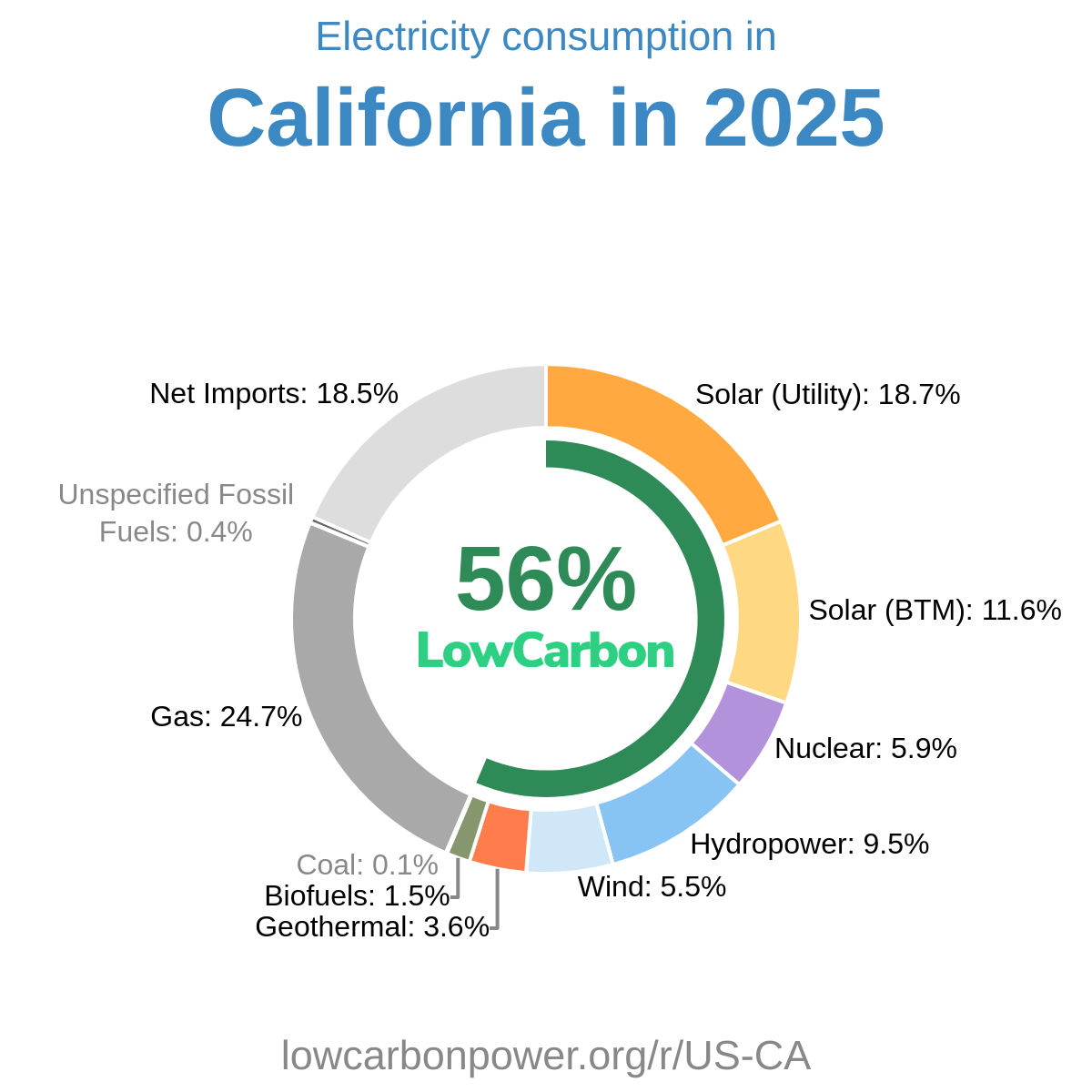
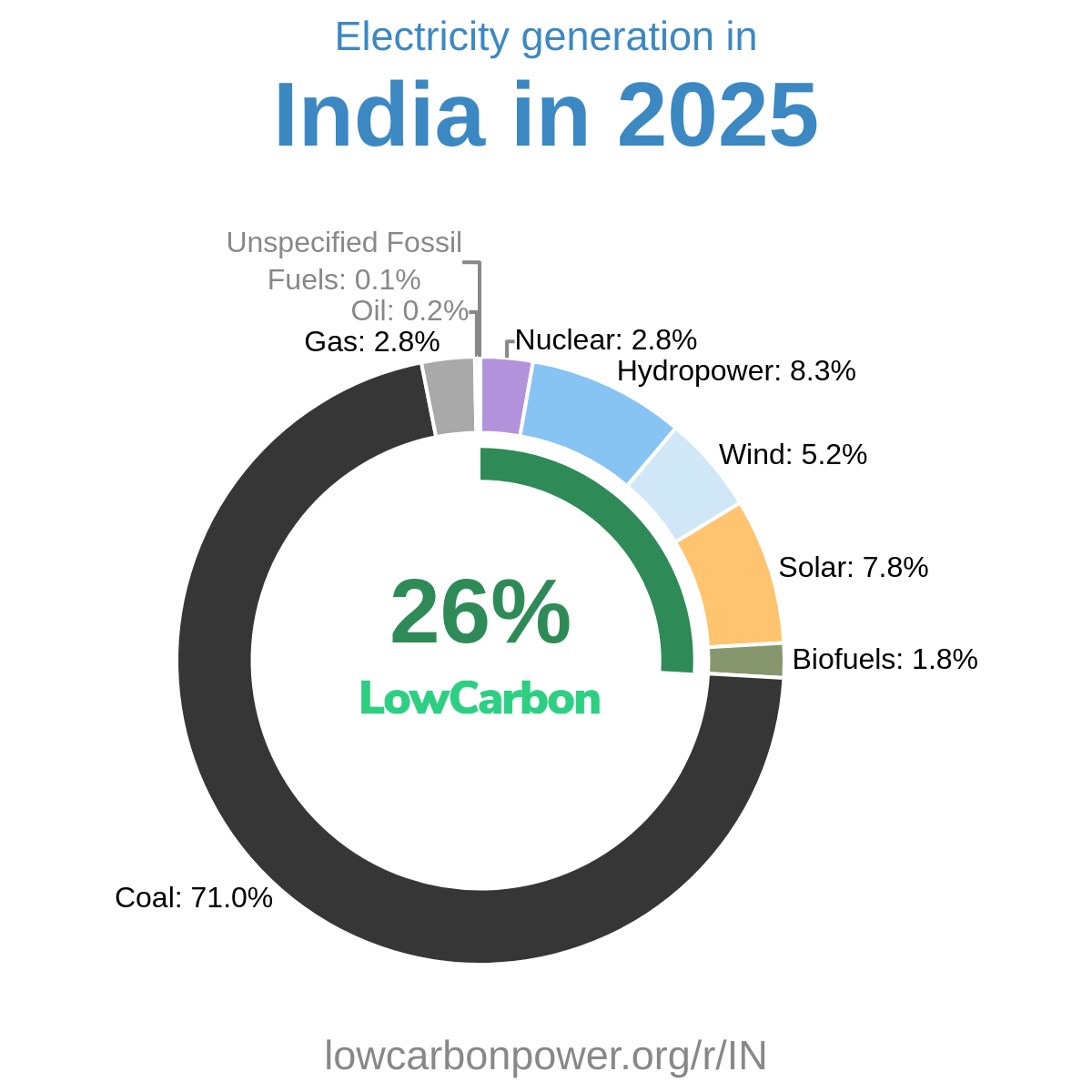
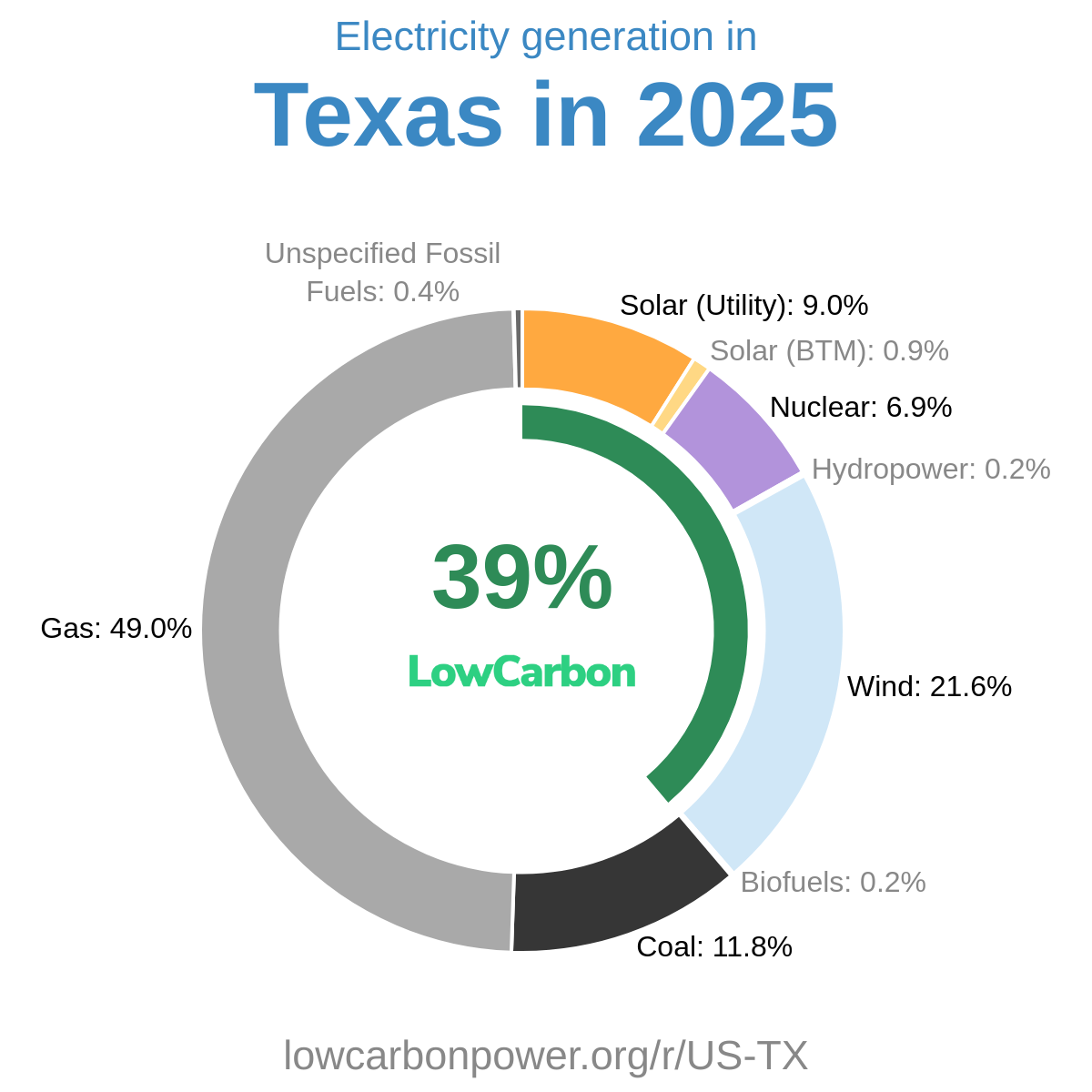
To enhance its low-carbon electricity generation, Singapore can draw valuable lessons from other regions that have successfully integrated clean energy. For instance, countries like France and Slovakia, which have built robust nuclear sectors contributing to over 65% of their electricity from this clean energy source, present compelling models for nuclear adoption. Singapore can also look to successful examples of solar adoption, such as Nevada and California, where this energy source constitutes about a third of the electricity mix. As a city-state with limited land resources, leveraging nuclear energy alongside maximizing rooftop and integrated solar solutions could be an effective pathway toward a cleaner energy future. By embracing these models, Singapore can progress towards a sustainable and resilient electricity framework that contributes positively to global decarbonization efforts.
History
Reflecting on the history of low-carbon electricity in Singapore, the journey has included varying growth patterns. Throughout the 2010s, Singapore saw incremental contributions from both solar and biofuels, with biofuels initially seeing a minor increase in the late 1980s and early 2010s. Solar energy took off slightly in the mid-2010s, registering minor increases in a few consecutive years. The most significant leap in biofuels came in 2019 with a substantial increase, followed by a notable yet smaller increment in 2022 for both solar and biofuels. The recent uptick in solar capacity in 2025 indicates some positive momentum. However, to build a robust low-carbon grid, further strategic investments in scalable solutions like nuclear and solar are essential. A focus on these sectors will propel Singapore towards achieving a green and sustainable electricity future.
Electricity Imports and Exports
Balance of Trade
Nearby Regions
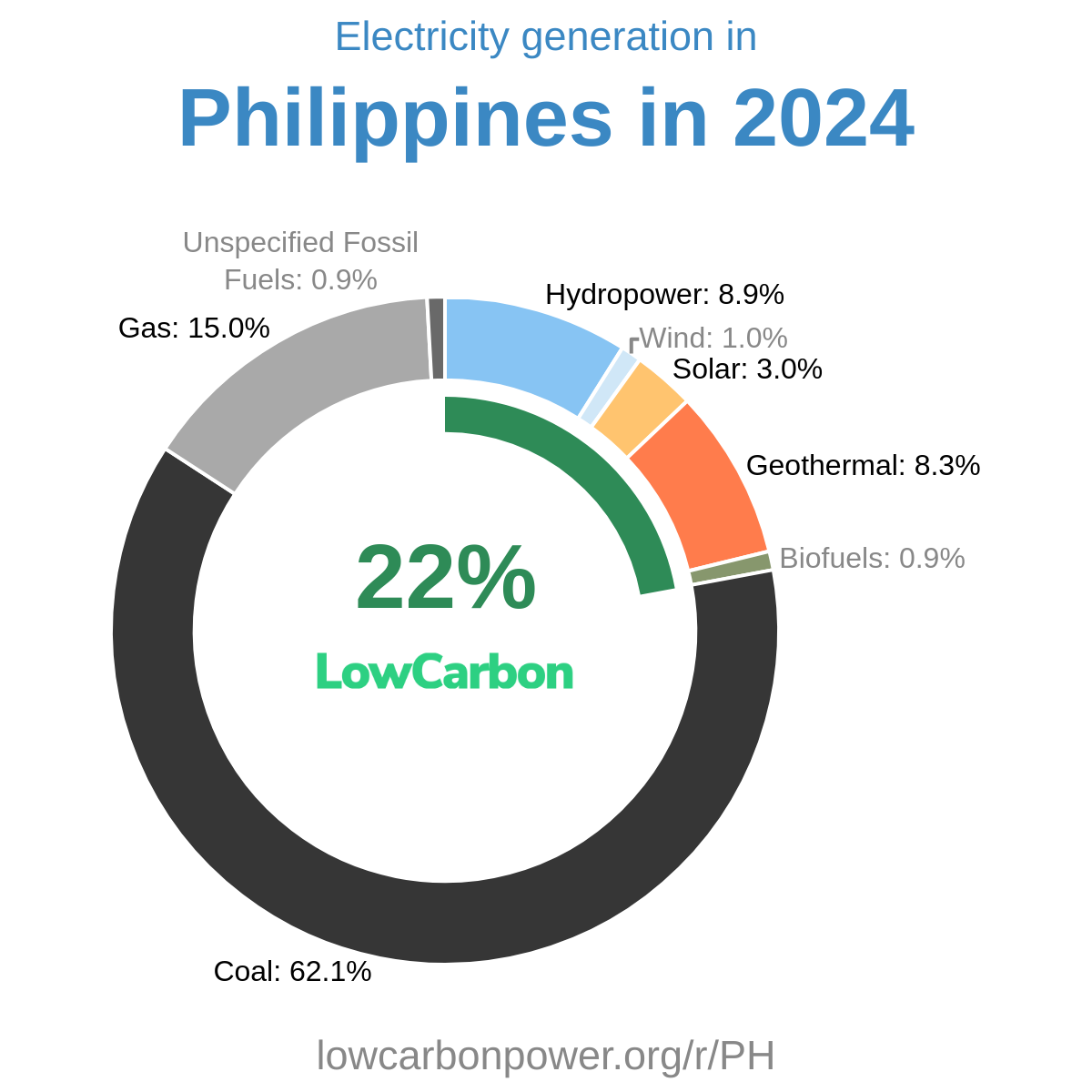
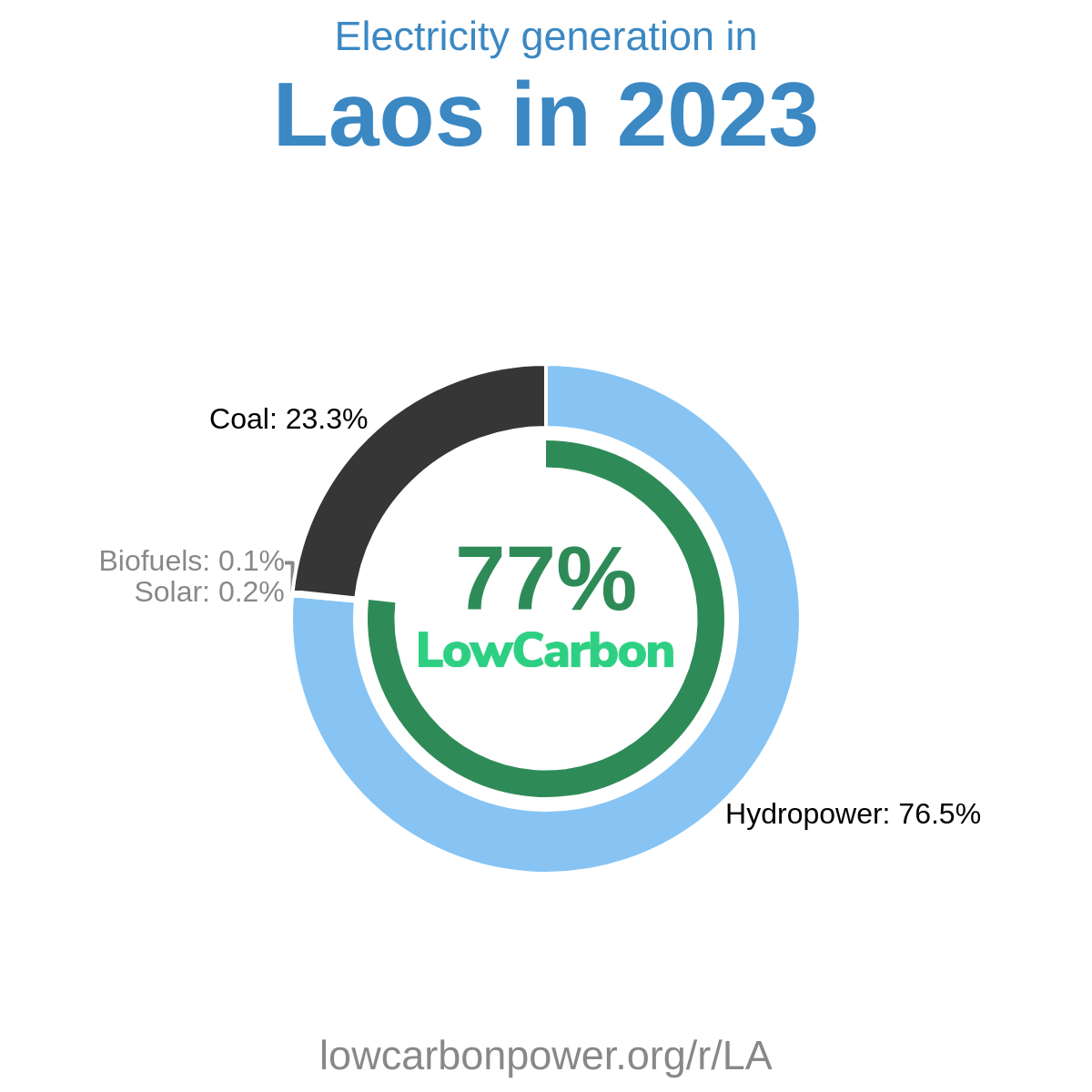
.png)