

Electricity in Tonga in 2023
In 2023, Tonga's electricity consumption is heavily reliant on fossil fuels, which account for approximately 86% of its total electricity generation. This leaves low-carbon energy sources contributing a modest 14%. Notably, all of this clean electricity comes from solar power. While having an established solar presence is positive, the heavy reliance on fossil fuels raises concerns due to their significant impact on climate change and air pollution. Therefore, increasing the share of cleaner electricity generation is crucial for a sustainable future in Tonga.
Is Electricity Growing in Tonga?
The recent trends in Tonga's electricity consumption are a source of concern. In 2023, electricity consumption fell to 669 kWh per person, down from the previous record of 762 kWh per person in 2022. This decline of 92 kWh suggests that electricity growth is currently stagnating, if not shrinking. Despite this overall decline, it's important to note that the generation of low-carbon electricity has slightly increased or remained steady, with solar generation moving from 95 kWh to 96 kWh per person. This steady growth in low-carbon electricity signals a positive trend, yet it requires further incentivization to match and hopefully surpass traditional fossil fuel consumption.
Suggestions
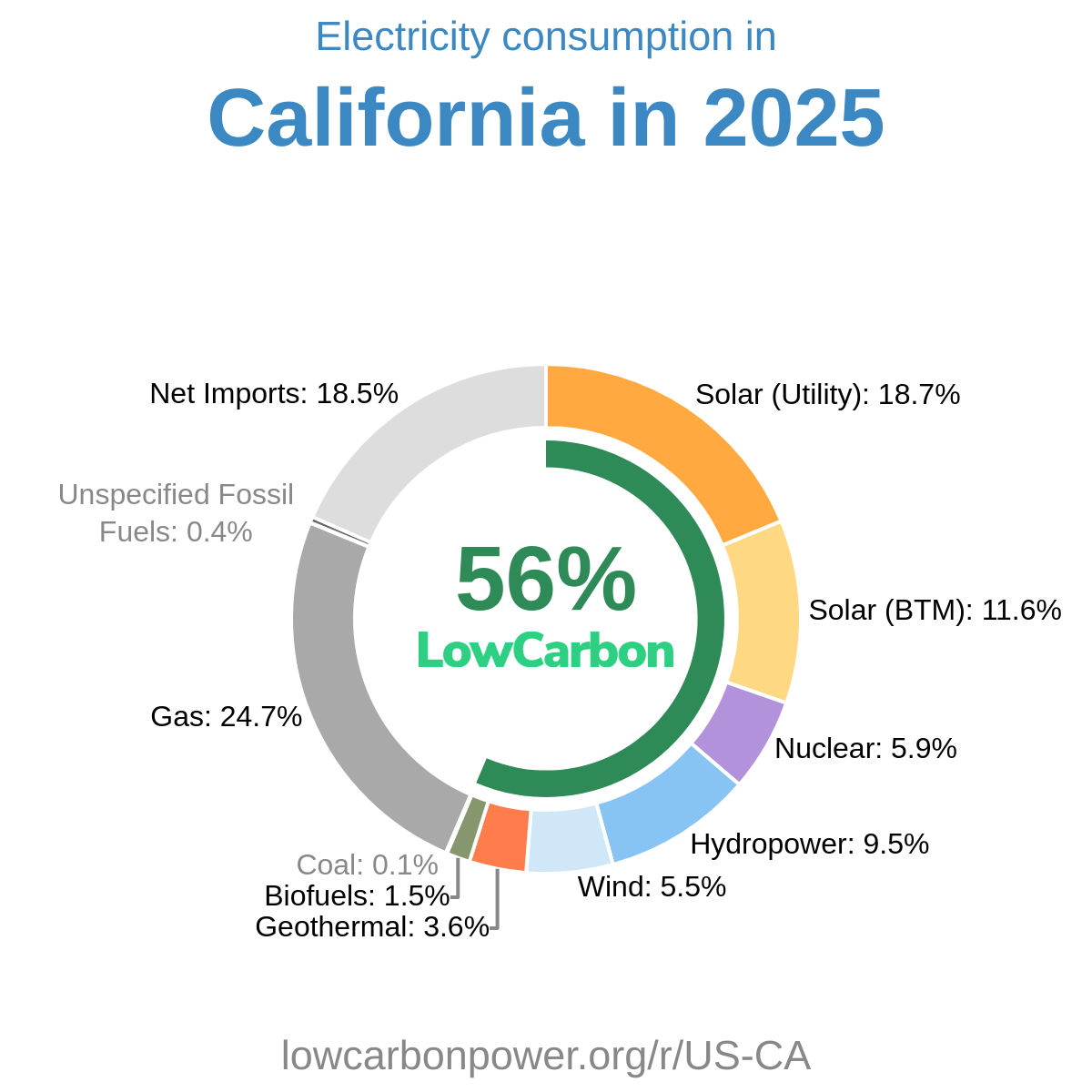
To enhance Tonga's low-carbon electricity generation, the country should consider expanding its solar infrastructure, given its existing foundation and potential for growth. Additionally, drawing inspiration from regions with successful clean energy implementations could be beneficial. For instance, California's impressive generation of nearly a third of its electricity from solar power demonstrates the potential of solar expansion, particularly in sunny regions. Similarly, Denmark boasts 60% of its electricity from wind, illustrating the effectiveness of wind power as a complement to solar. By learning from these examples, Tonga can create a more robust and diverse low-carbon electricity portfolio.
History
Historically, Tonga's progress in low-carbon electricity generation has been consistently stagnant, with solar energy generation not seeing any annual increase in TWh from 2017 through 2023. This historical pattern points to a lack of significant investment or expansion in clean energy infrastructure over the past several years. Despite the presence of solar energy, the lack of growth highlights missed opportunities that should be addressed moving forward. With the transformative potential of solar and the proven success of clean electricity in other regions, Tonga must prioritize substantial advancements in its low-carbon electricity generation to ensure a sustainable and prosperous energy future.
Electricity Imports and Exports
Balance of Trade
Nearby Regions