

Electricity in Dominica in 2023
Dominica's current electricity consumption is heavily reliant on fossil fuels, with more than four-fifths of its electricity generated from these sources. The remaining share, about 13%, is derived from low-carbon sources, exclusively through hydropower. This demonstrates a significant imbalance between fossil-based and low-carbon electricity generation, highlighting an area in need of improvement. The substantial reliance on fossil fuels not only hampers progress toward sustainability but also contributes to climate change and air pollution, pressing concerns that necessitate a shift towards more environmentally friendly energy sources.
Is Electricity Growing in Dominica?
The trend in Dominica's electricity consumption reveals a slight decline. The latest figures for 2023 show an electricity consumption of 2256 kWh per person, a decrease from the previous record of 2300 kWh per person in 2016. This contraction, albeit minor, is concerning, and the decline in low-carbon electricity generation is even more troubling. The latest low-carbon figure is 301 kWh per person compared to a much higher record of 579 kWh per person set in 2011. This decline of 279 kWh per person highlights an urgent need for Dominica to invest in expanding its clean energy infrastructure, ensuring a future-ready grid that supports both environmental goals and growing energy demands.
Suggestions
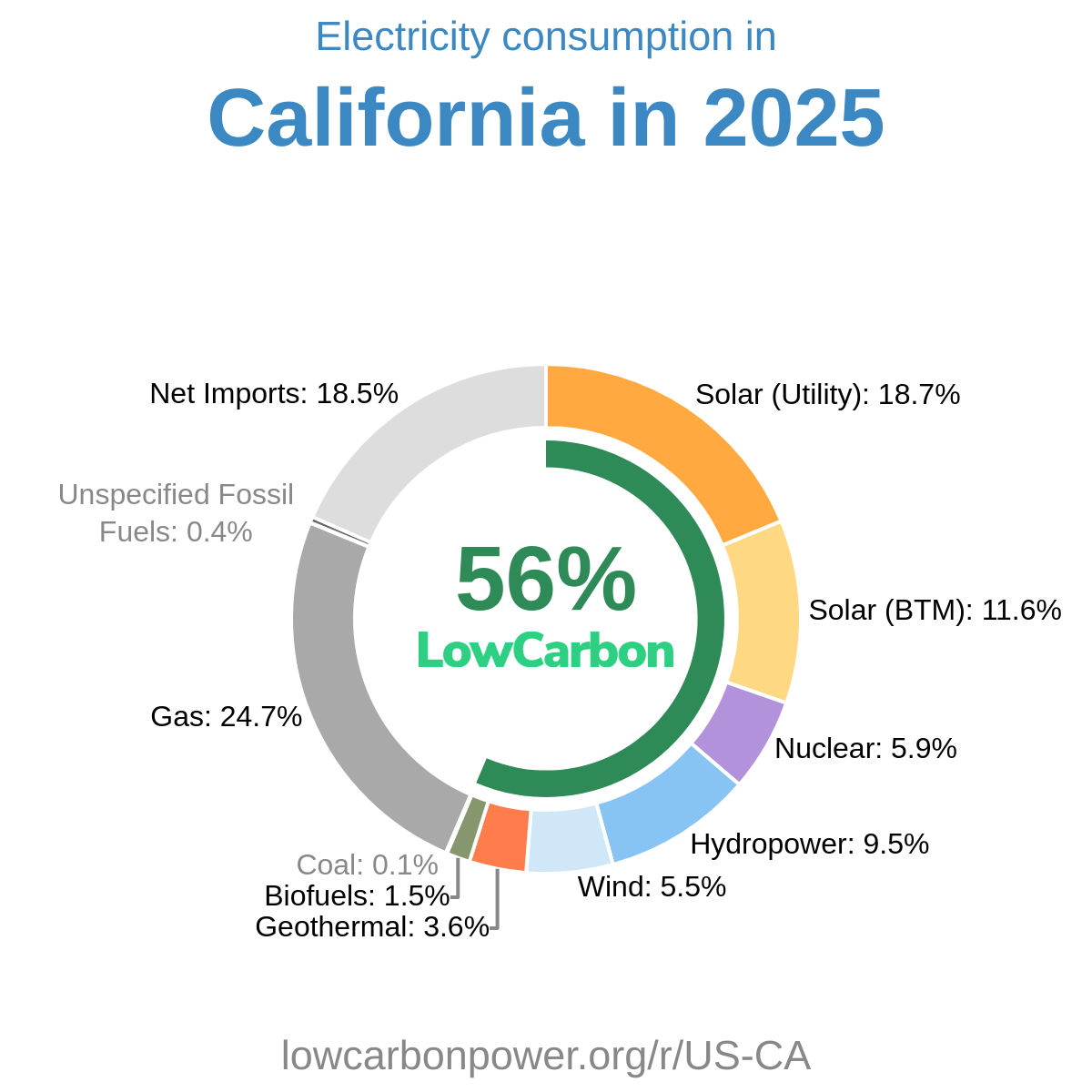
To ramp up its low-carbon electricity generation, Dominica can look to successful regions for inspiration. Countries like France and Slovakia achieve over two-thirds of their electricity from nuclear energy, a reliable and clean source that Dominica could consider. States such as Nevada and California have effectively harnessed solar power, contributing 35% and 31% of their electricity, respectively, from this abundant energy source. By investing in solar and even exploring opportunities for nuclear energy, Dominica can diversify and strengthen its energy mix, cut down on fossil fuel reliance, and pave the way for a more sustainable and resilient electricity system.
History
Historically, Dominica's low-carbon electricity landscape has remained stagnant, with no recorded changes in hydropower generation from 2001 to 2020. This persistent lack of change over two decades signals a missed opportunity to innovate and capitalize on other low-carbon technologies. It's apparent that Dominica's electricity sector can benefit greatly from diversification and modernization, ensuring that future gains in low-carbon generation are not only possible but also pursued with vigor and determination. This shift is crucial to meet both current and emerging challenges posed by climate change and technological evolution.
Electricity Imports and Exports
Balance of Trade
Nearby Regions