

Electricity in Moldova in 2025/2026
From September 2025 through August 2026, Moldova relied on net imports for about 60% of its electricity consumption—more than half of the total. Domestic fossil generation supplied almost 29%, entirely from gas, while domestic low-carbon generation supplied about 11%. Wind contributed roughly 5%, solar nearly 4%, and hydropower about 2%. The supplied data do not identify the generation sources behind imported electricity, so imports cannot be classified as either fossil or clean from these figures alone.
Is Electricity Growing in Moldova?
Moldova’s latest electricity figures remain far below its historical records, although these comparisons alone do not establish whether consumption is growing year to year. Electricity consumption in 2026 was about 1,100 kWh per person, compared with roughly 3,600 kWh in the record year of 1990—a decrease of about 2,500 kWh per person, or 70%. Low-carbon electricity generation reached about 120 kWh per person, below its 2023 record of roughly 200 kWh by around 80 kWh, or 39%. These shortfalls are concerning: Moldova needs sustained growth in clean electricity to support electrification, economic development, and future demand, including from AI.
Suggestions
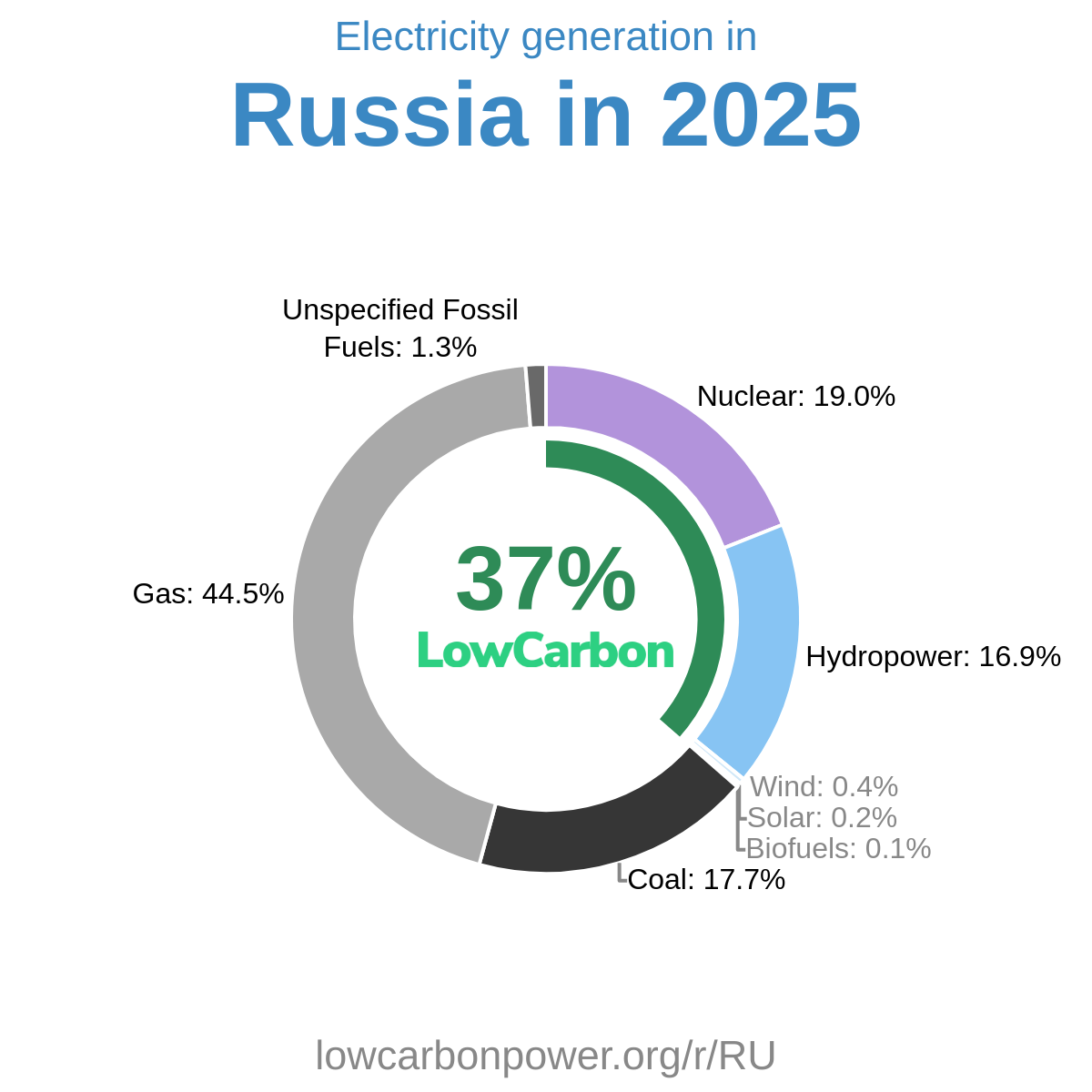
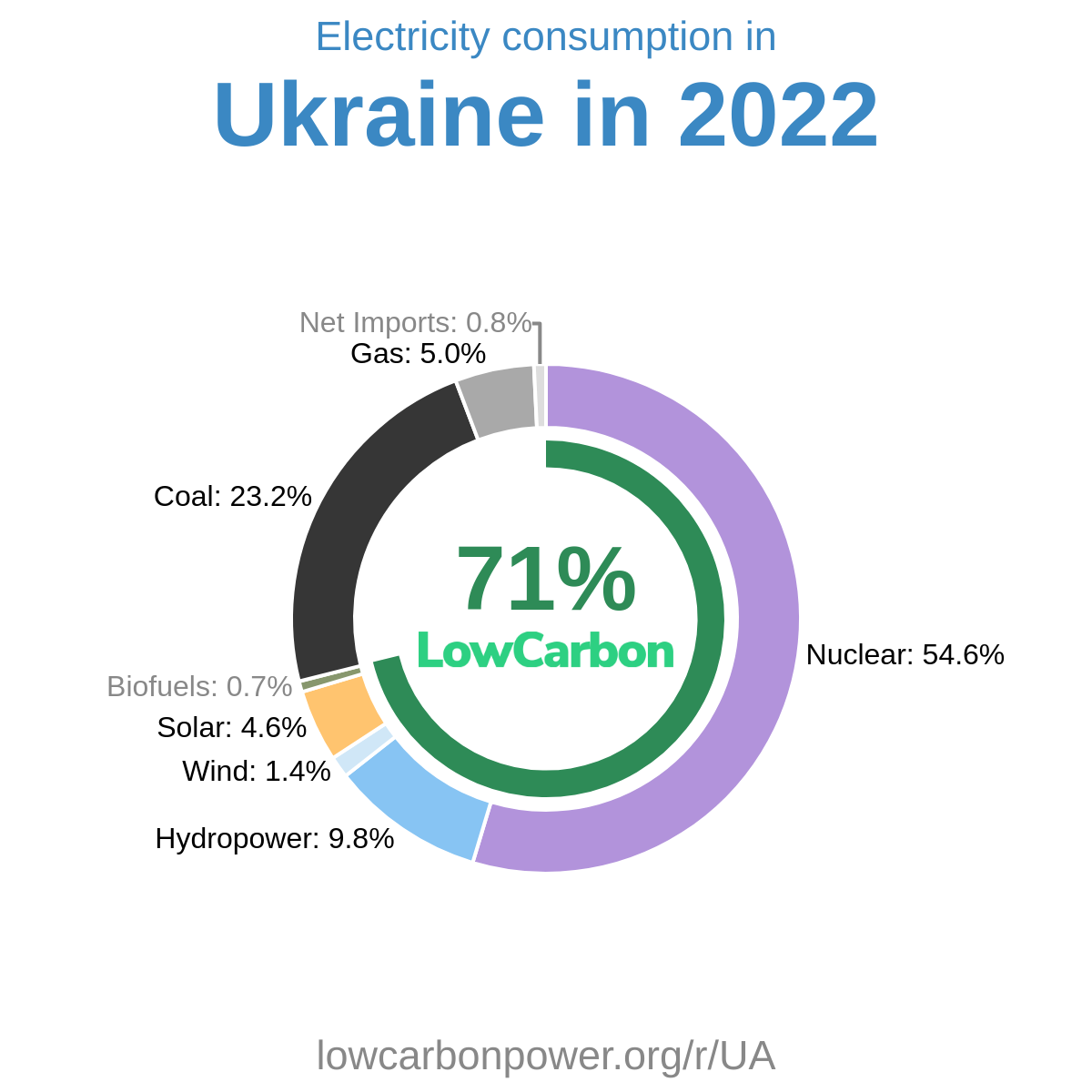
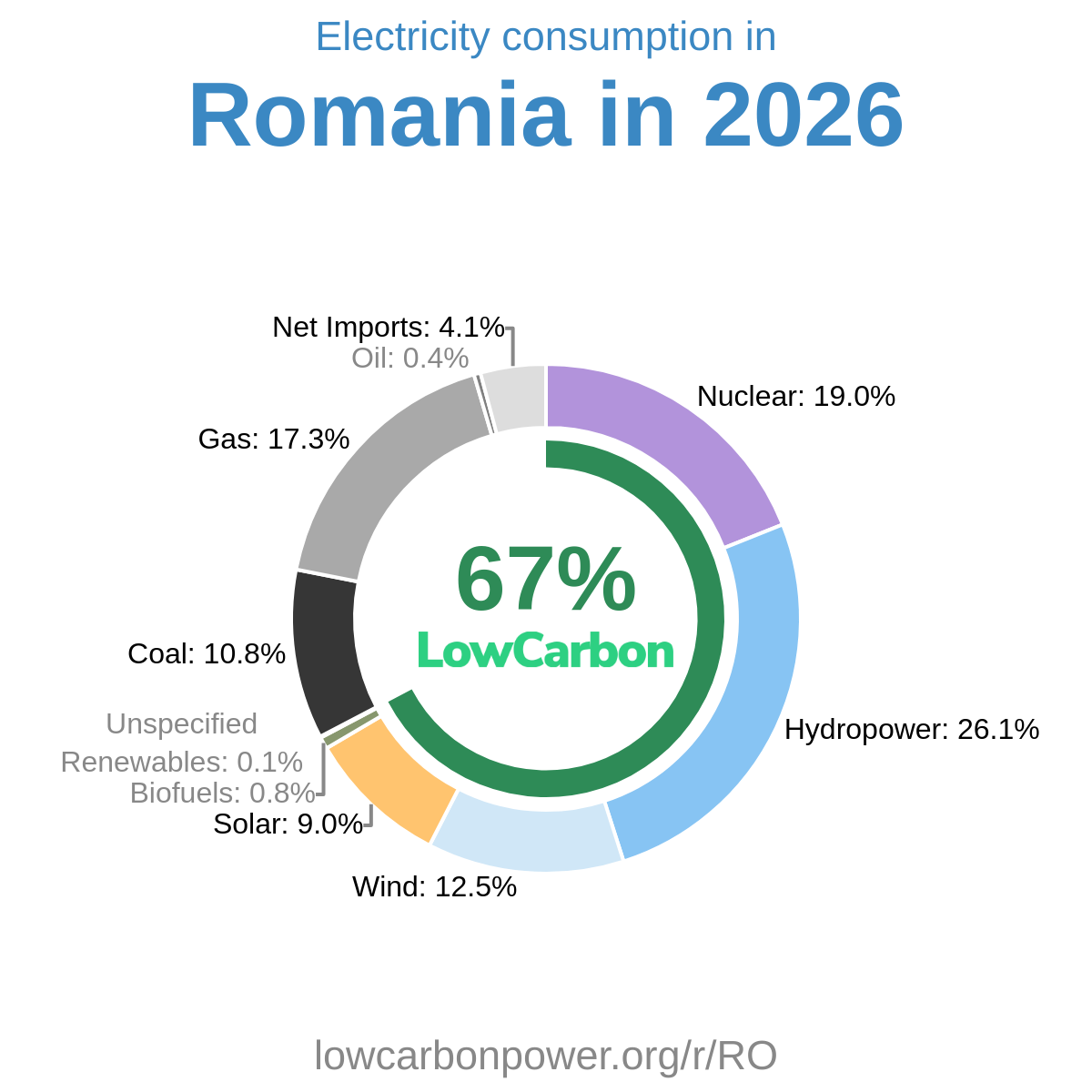
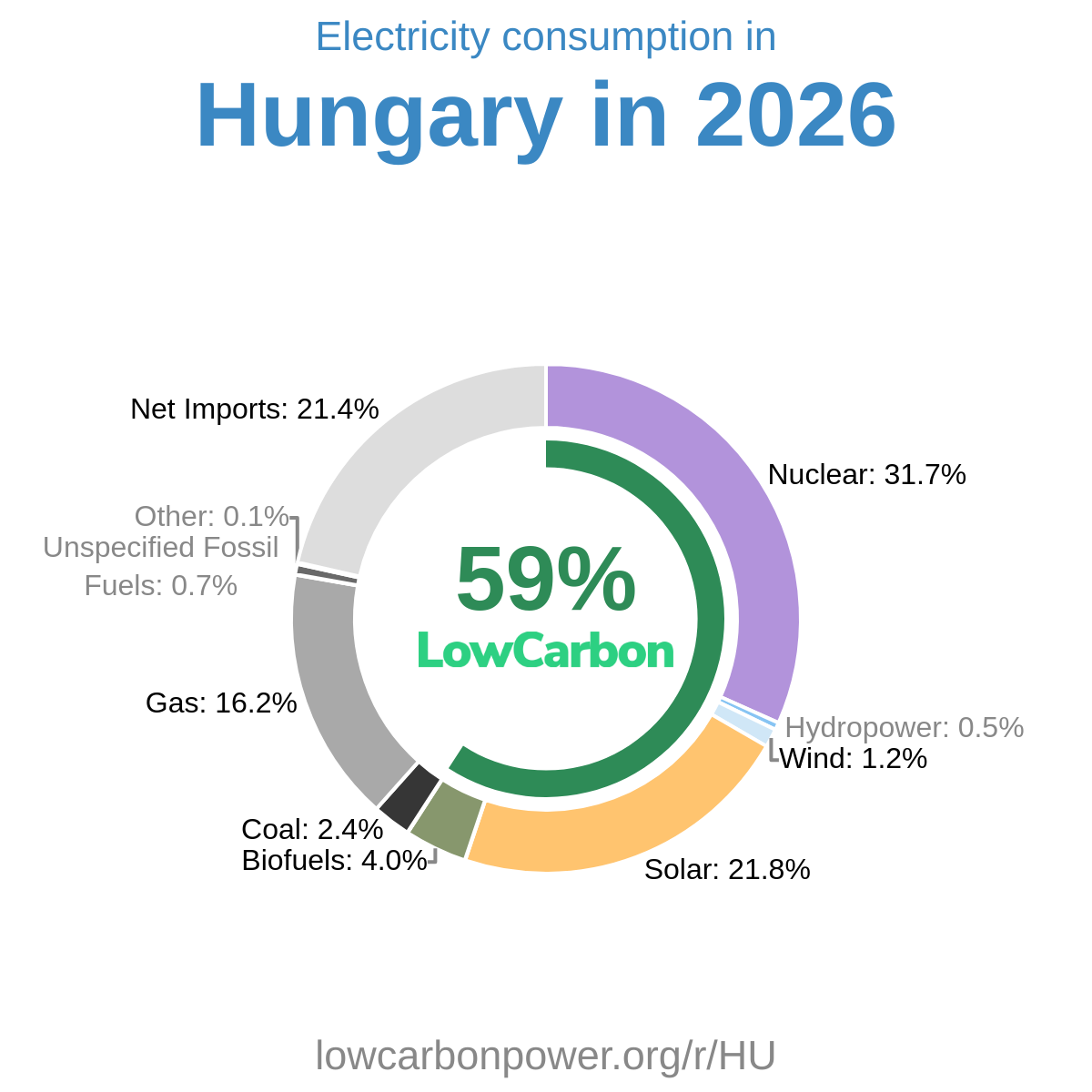
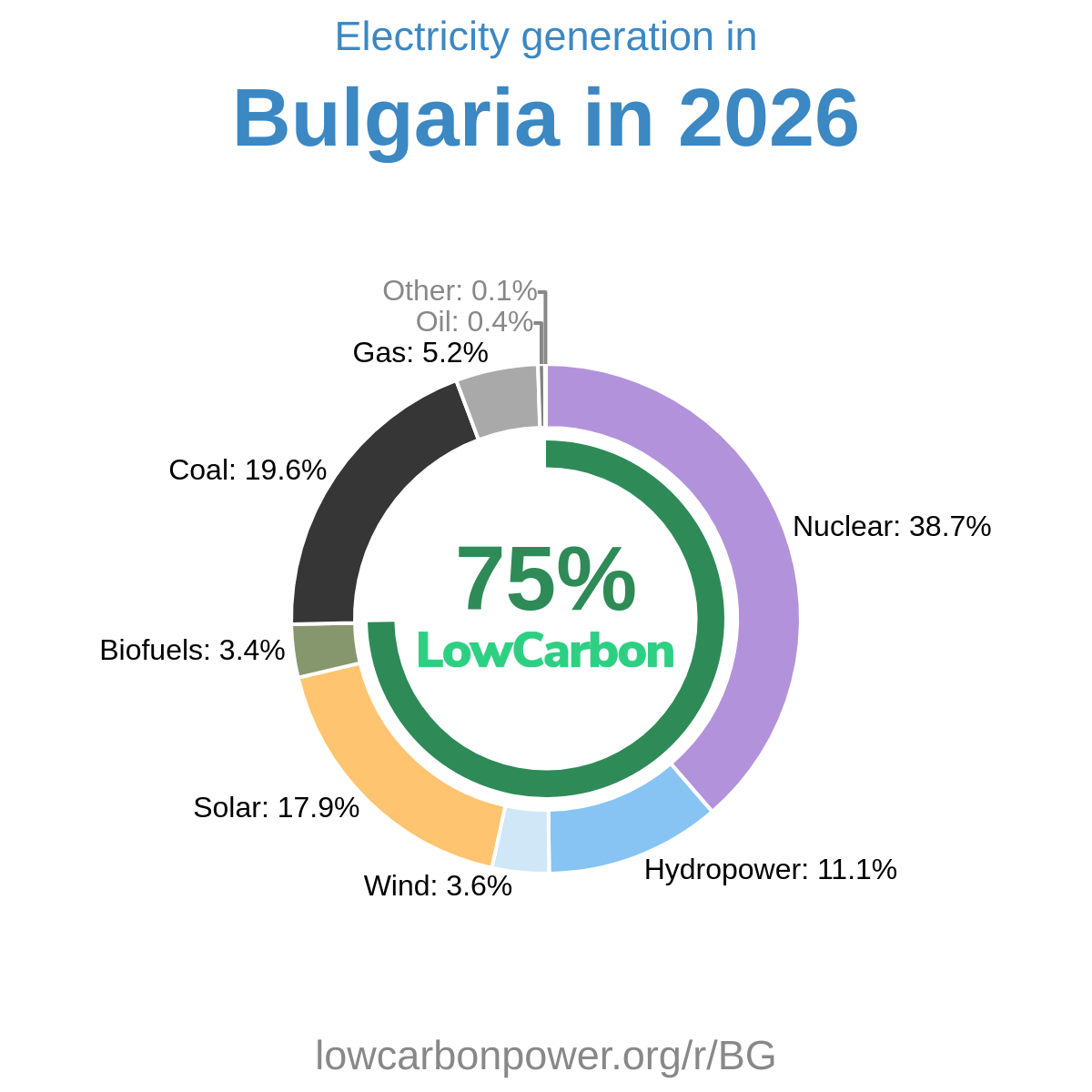
Moldova can increase low-carbon electricity generation by accelerating solar deployment, expanding wind, and considering nuclear development through regional cooperation and domestic planning. Nearby examples offer useful lessons: Hungary generates about 22% of its electricity from solar, while Bulgaria generates around 19%, demonstrating the potential for much larger solar contributions. Lithuania produces nearly 40% of its electricity from wind, offering another relevant model for diversifying clean generation. Nuclear also deserves serious consideration: Slovakia generates about two-thirds of its electricity from nuclear, Ukraine more than half, and Romania about 18%. Learning from these regions’ experience with infrastructure, investment, and workforce development could help Moldova expand clean electricity and reduce reliance on fossil generation, with its associated climate change and air pollution impacts.
* 12M = Last 12 months (Sep 2025 – Aug 2026) — a rolling 12-month period, not a calendar year.
History
Moldova’s recorded low-carbon electricity history shows small gains interspersed with stagnation and declines. In the early 1990s, hydropower alternated between annual increases and decreases of 0.1 TWh, followed by no recorded change in 1995 and 1996. During the 2010s, hydropower was unchanged in 2010 and 2013, fell by 0.1 TWh in each of 2011, 2012, and 2015, and recovered by 0.1 TWh in 2017. More recently, wind grew by 0.1 TWh in 2022 before remaining unchanged in 2023; solar was unchanged in 2022, increased by 0.1 TWh in 2024, then fell by the same amount in 2025 and remained unchanged in 2026. Hydropower also declined by 0.1 TWh in 2024 and 0.2 TWh in 2025. These recent setbacks underscore the need for sustained investment in solar, wind, and nuclear to deliver lasting growth in low-carbon electricity.
* 12M = Last 12 months (Sep 2025 – Aug 2026) — a rolling 12-month period, not a calendar year.
Electricity Imports and Exports
Balance of Trade
* 12M = Last 12 months (Sep 2025 – Aug 2026) — a rolling 12-month period, not a calendar year.
Nearby Regions