

Electricity in Macao SAR China in 2022
In 2022, Macao SAR China relied on net imports for about 91% of its electricity consumption. Local fossil-fuel generation supplied roughly 5%, including almost 5% from gas, while local low-carbon generation supplied about 4%, entirely from biofuels. Imports therefore dominated the electricity supply, with locally generated clean electricity playing a small role. Since the data do not identify the sources of imported electricity, those imports cannot be classified here as either low-carbon or fossil-based.
Is Electricity Growing in Macao SAR China?
The latest figures do not show electricity consumption reaching new heights. In 2022, consumption was 7,610 kWh per person, about 1,060 kWh—or 12%—below the record of 8,674 kWh per person set in 2019. Local low-carbon electricity generation was also below its previous peak: 284 kWh per person, compared with 426 in 2014, a decline of about one-third. These comparisons indicate a disappointing retreat from earlier records, although they do not establish the year-to-year trend. Increasing clean electricity supply would help Macao meet future demand from electrification and AI.
Suggestions
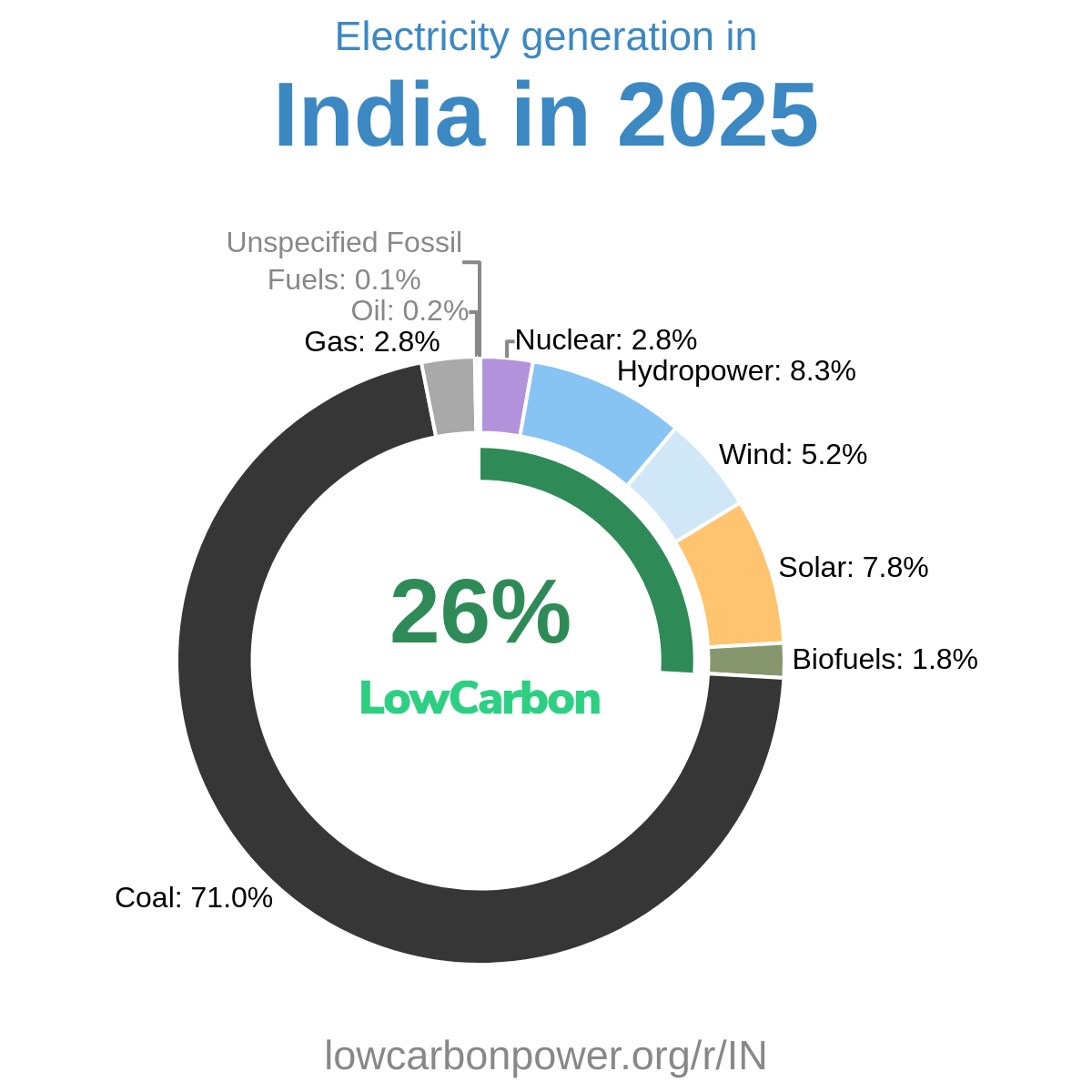
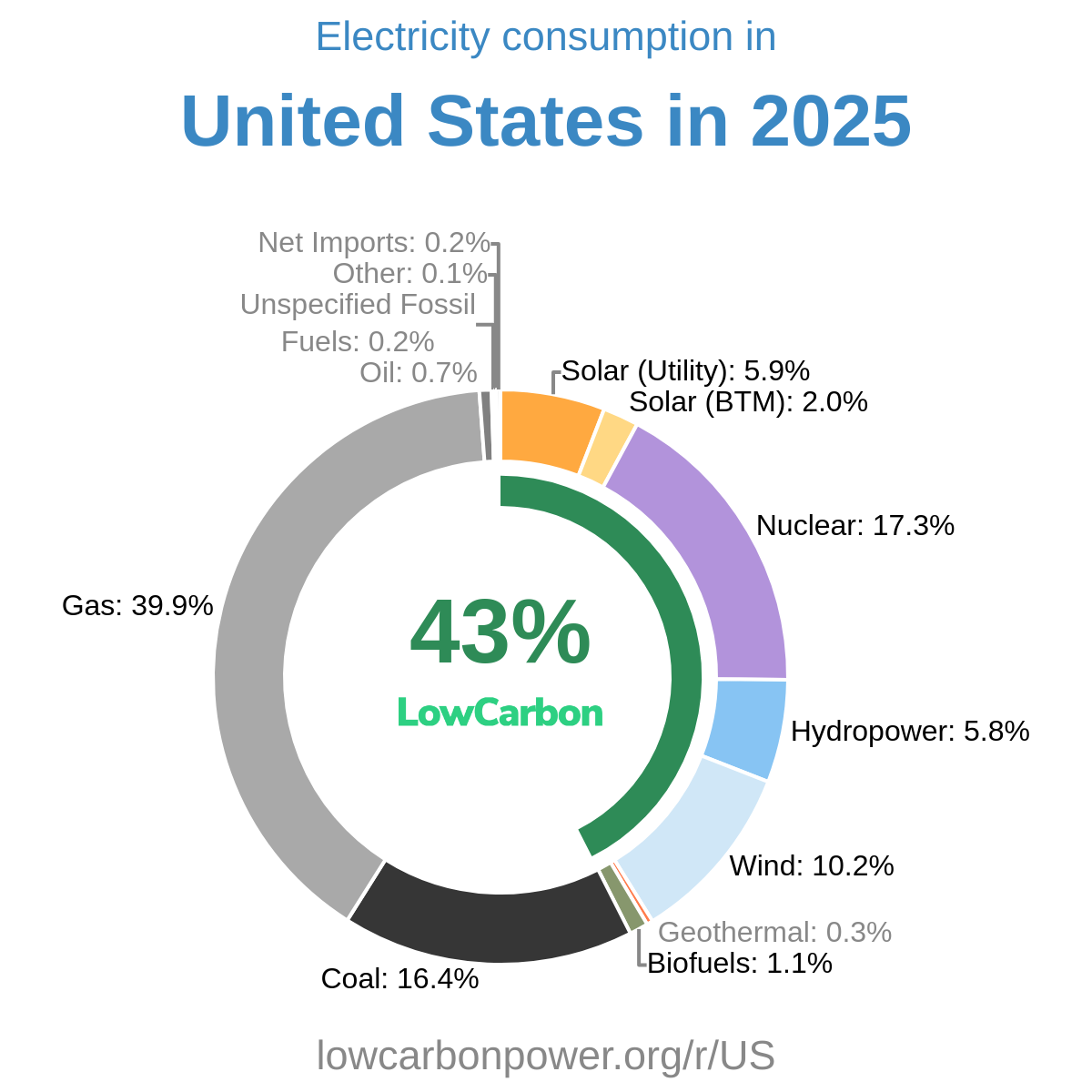
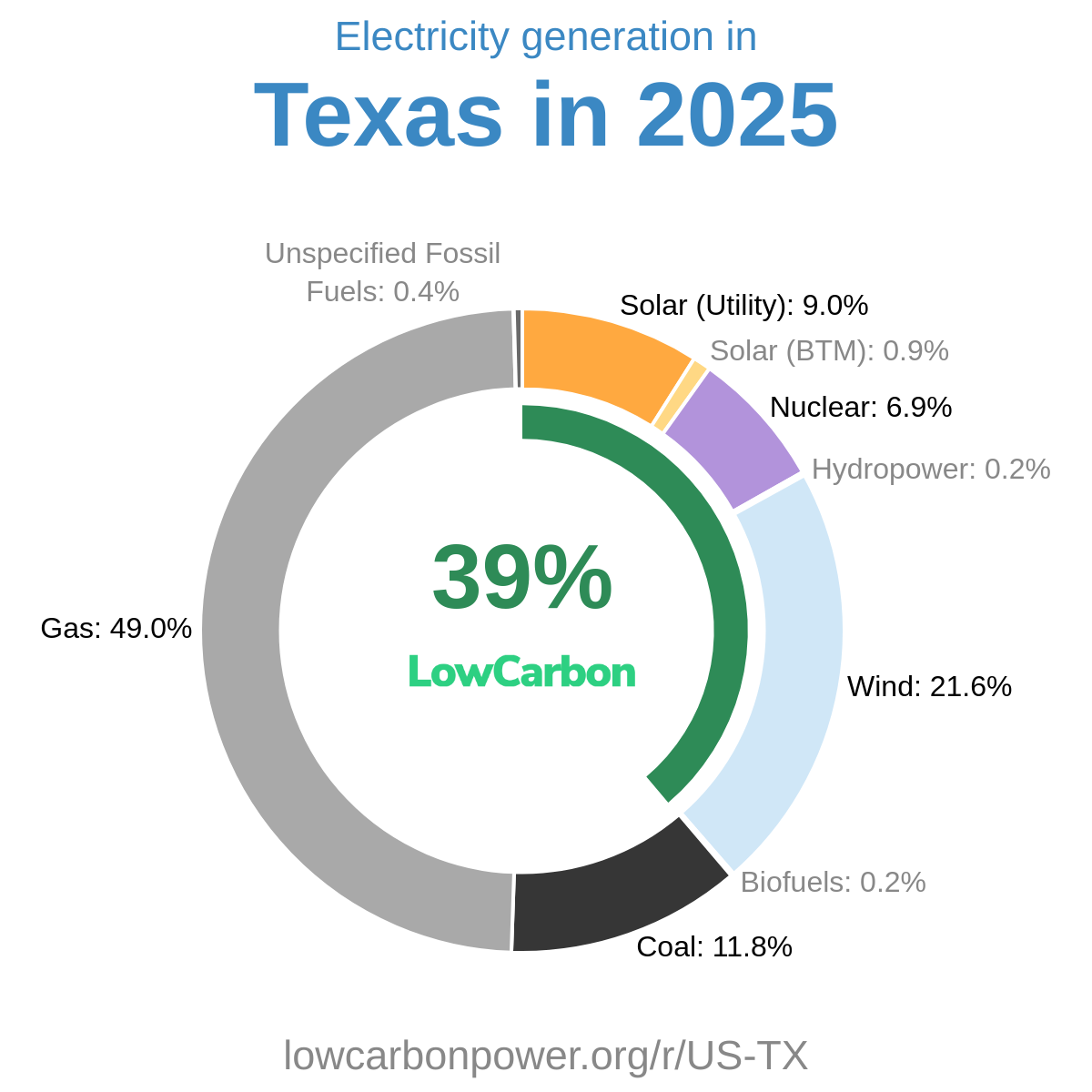
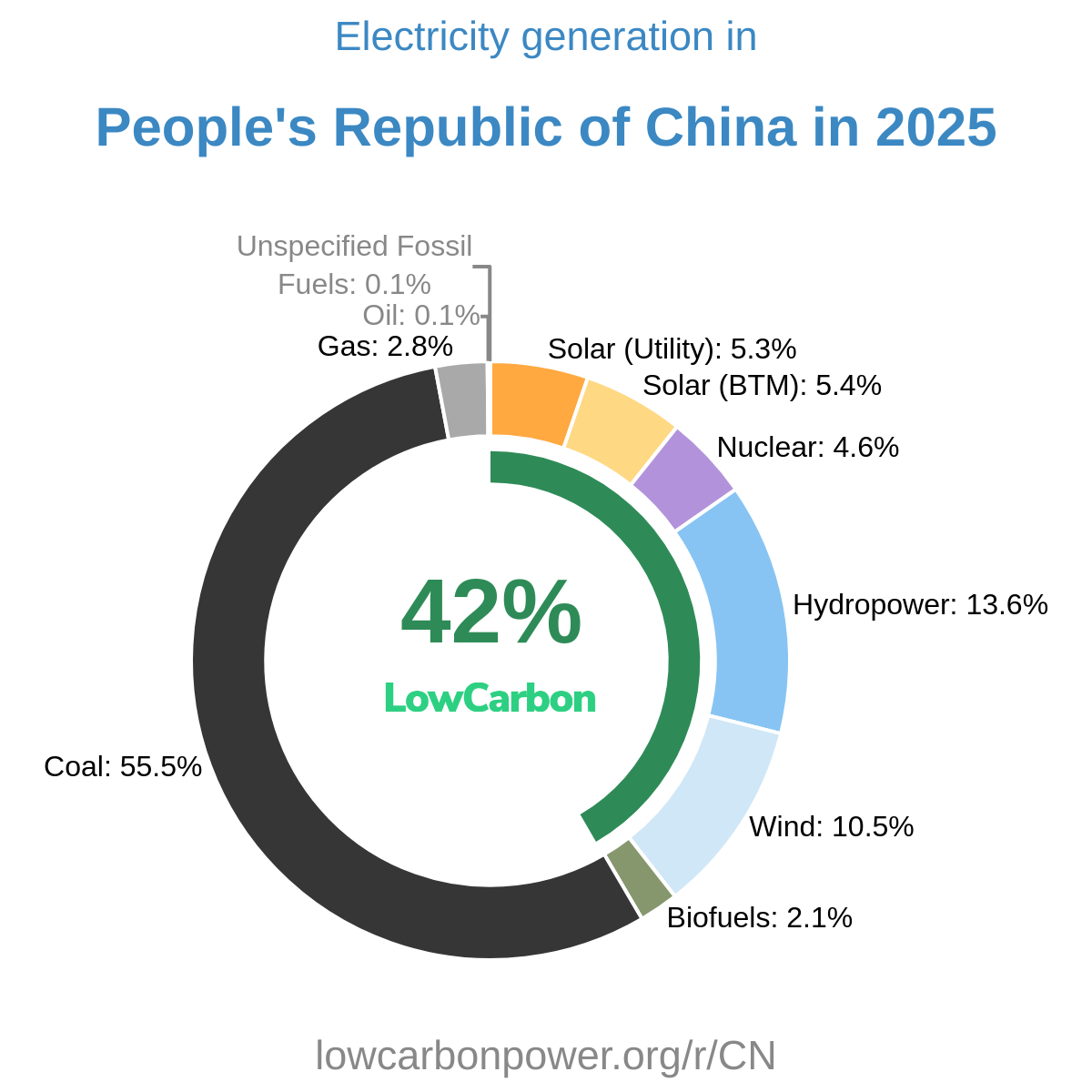
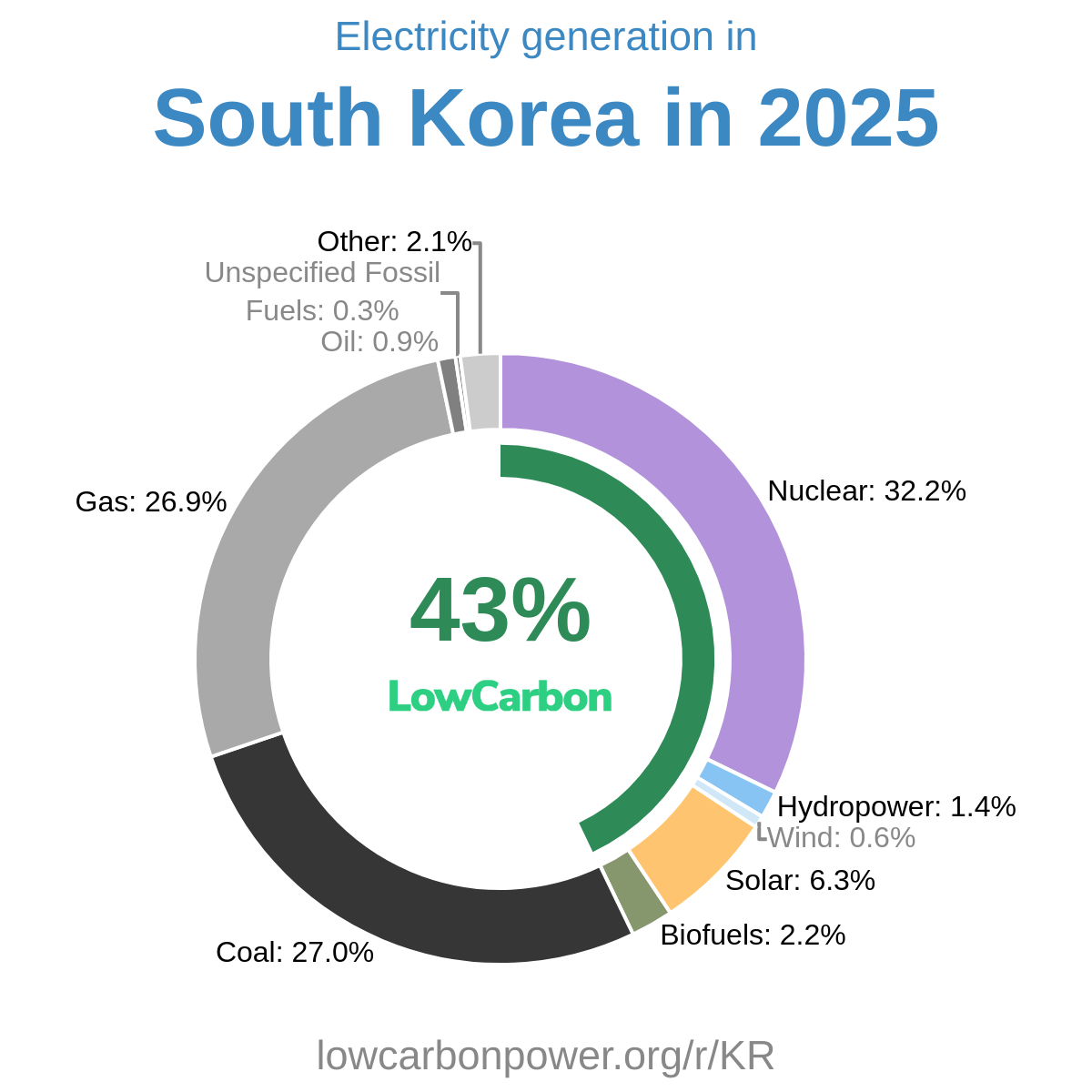
Macao can expand local low-carbon electricity generation by prioritizing solar installations on rooftops and other suitable built surfaces. Compact regions offer useful examples: Malta generates about 11% of its electricity from solar, while Cyprus generates almost a quarter. Nearby mainland China, with solar supplying 12% of generation, also offers opportunities for technical cooperation. For nuclear electricity, Macao could explore participation in regional projects and long-term supply partnerships, drawing lessons from South Korea, where nuclear supplies a quarter of generation, and France, where it supplies about two-thirds. Such partnerships would increase access to clean electricity rather than necessarily increase generation within Macao itself. Together, local solar development and regional nuclear cooperation could support a much larger clean electricity supply and reduce reliance on fossil fuels, which contribute to climate change and air pollution.
History
The supplied history of Macao’s low-carbon electricity generation consists entirely of changes in biofuel generation. In the early 2000s, generation increased by about 0.1 TWh in both 2001 and 2003, with no reported change in 2002. The other listed years through 2014 show no change at the reported precision. A decline of about 0.1 TWh followed in 2015, and every listed year from 2017 through 2022 again recorded no change. Overall, the record shows early gains followed by a long period of largely flat generation, interrupted by a decline—underscoring the value of establishing new growth through solar and nuclear electricity.
Electricity Imports and Exports
Balance of Trade
Nearby Regions
.png)