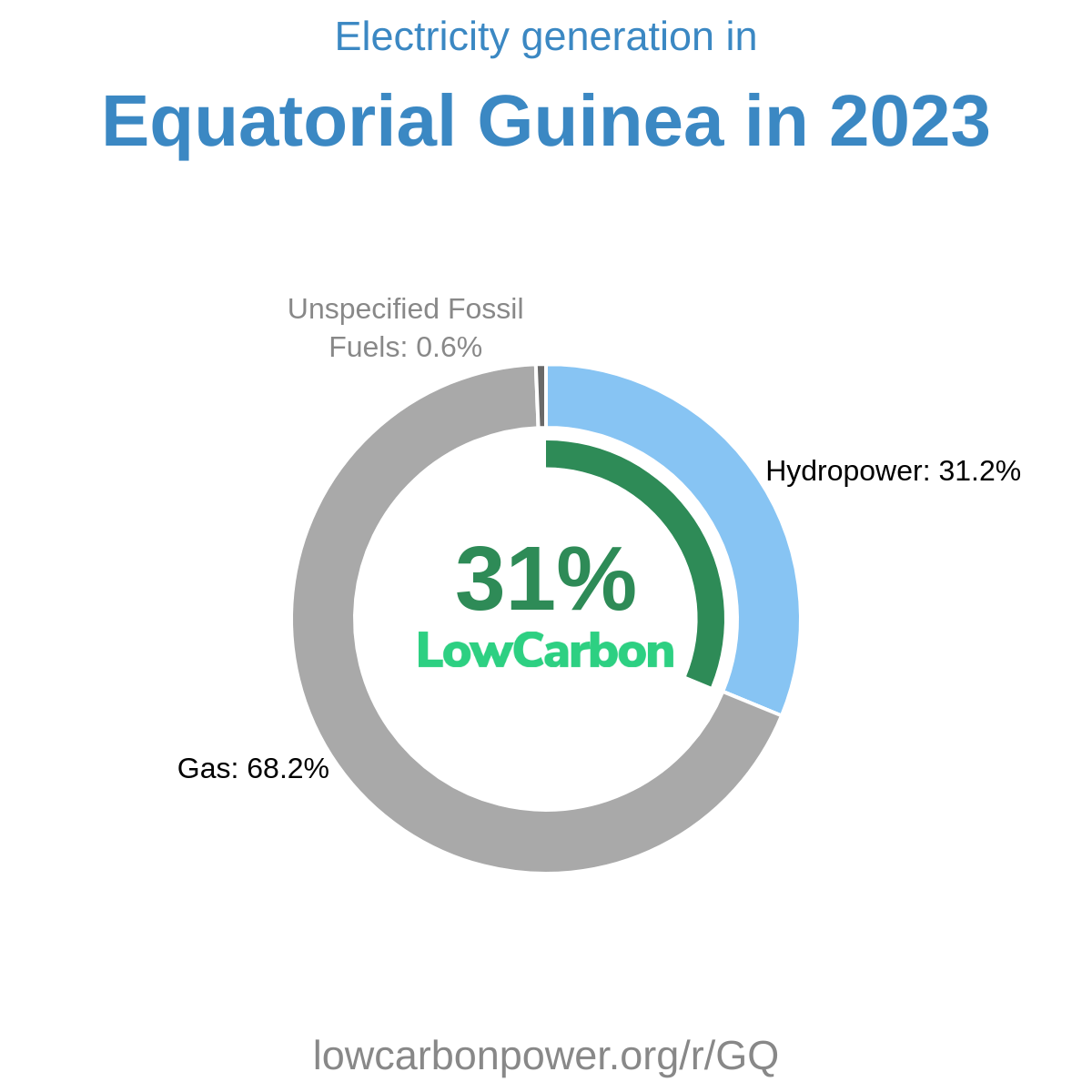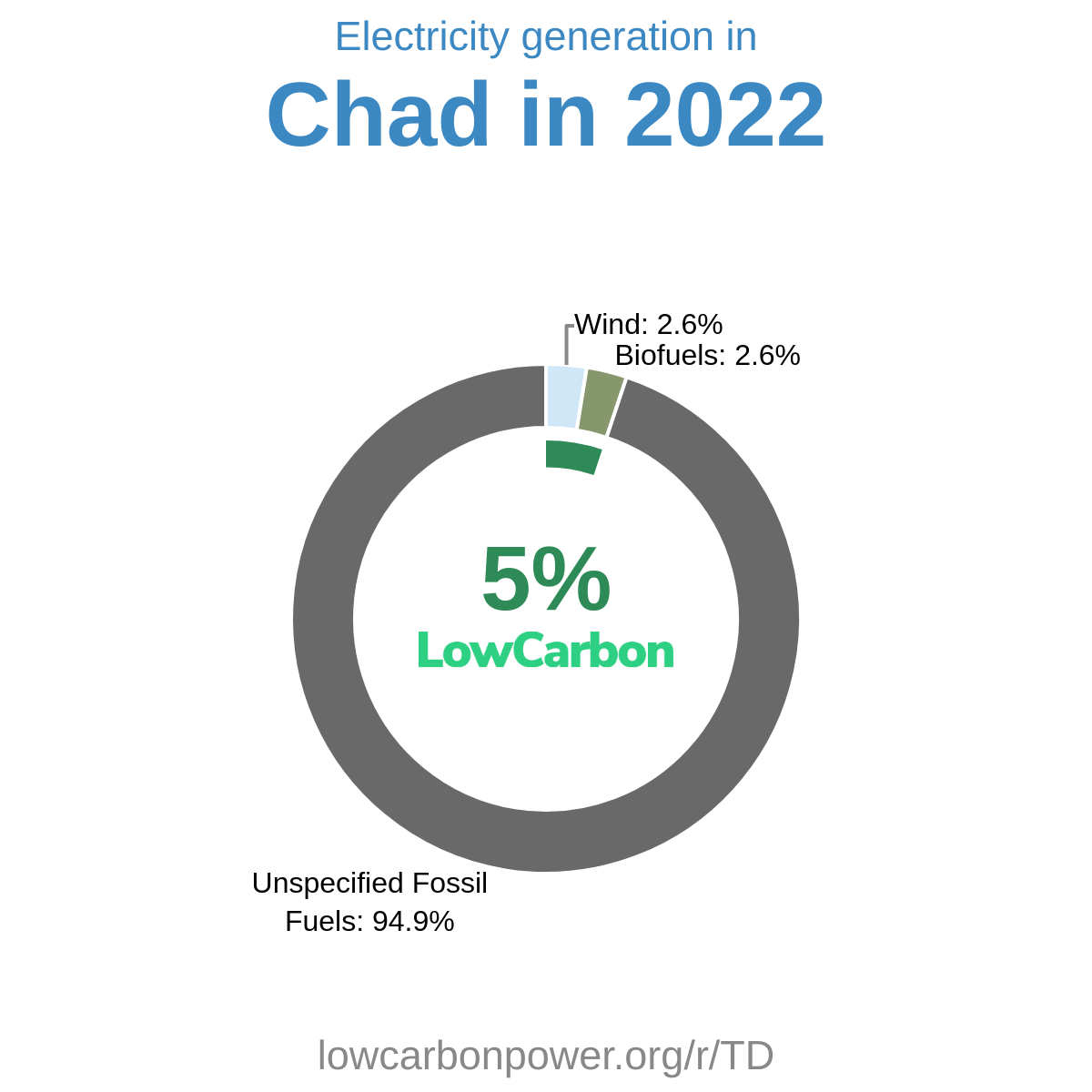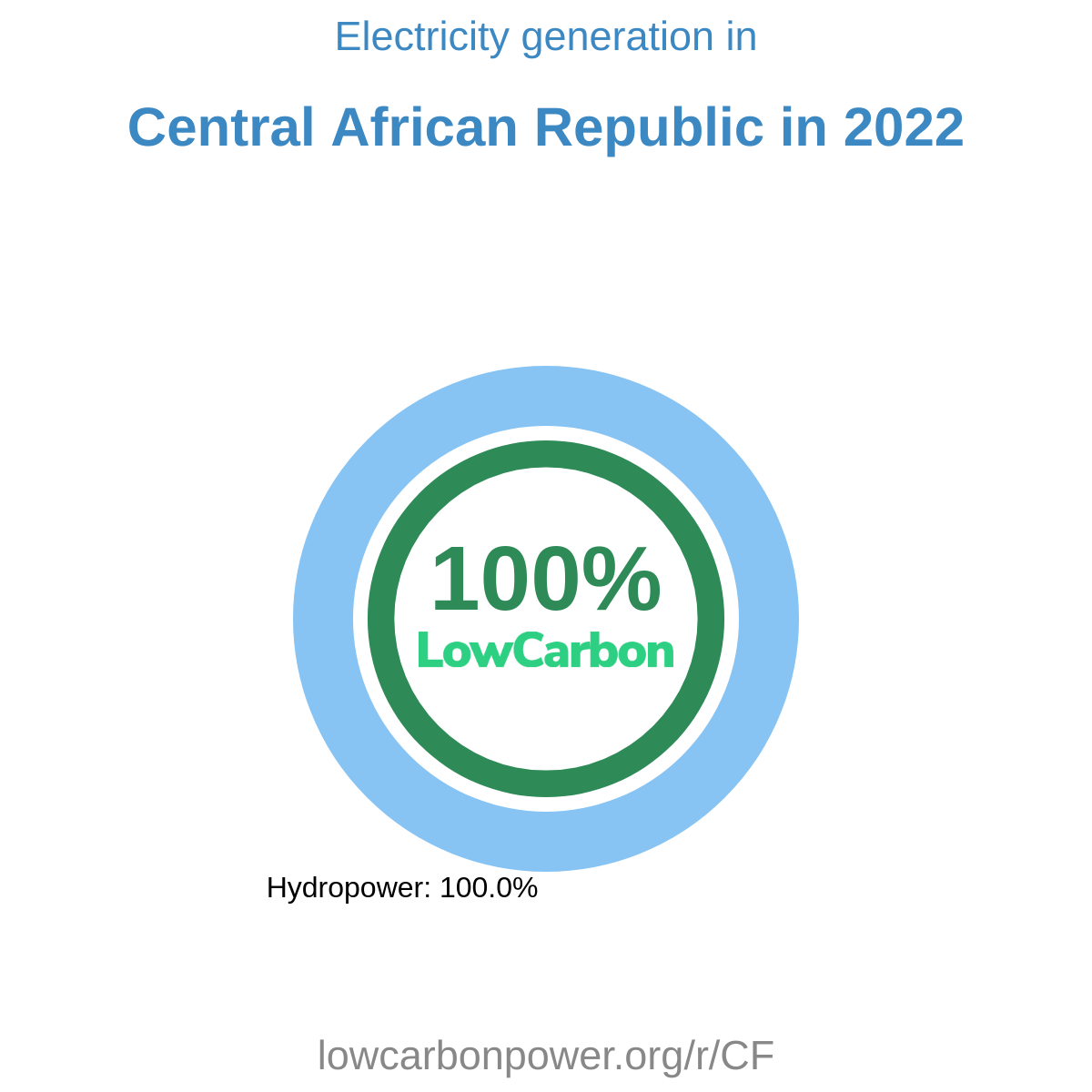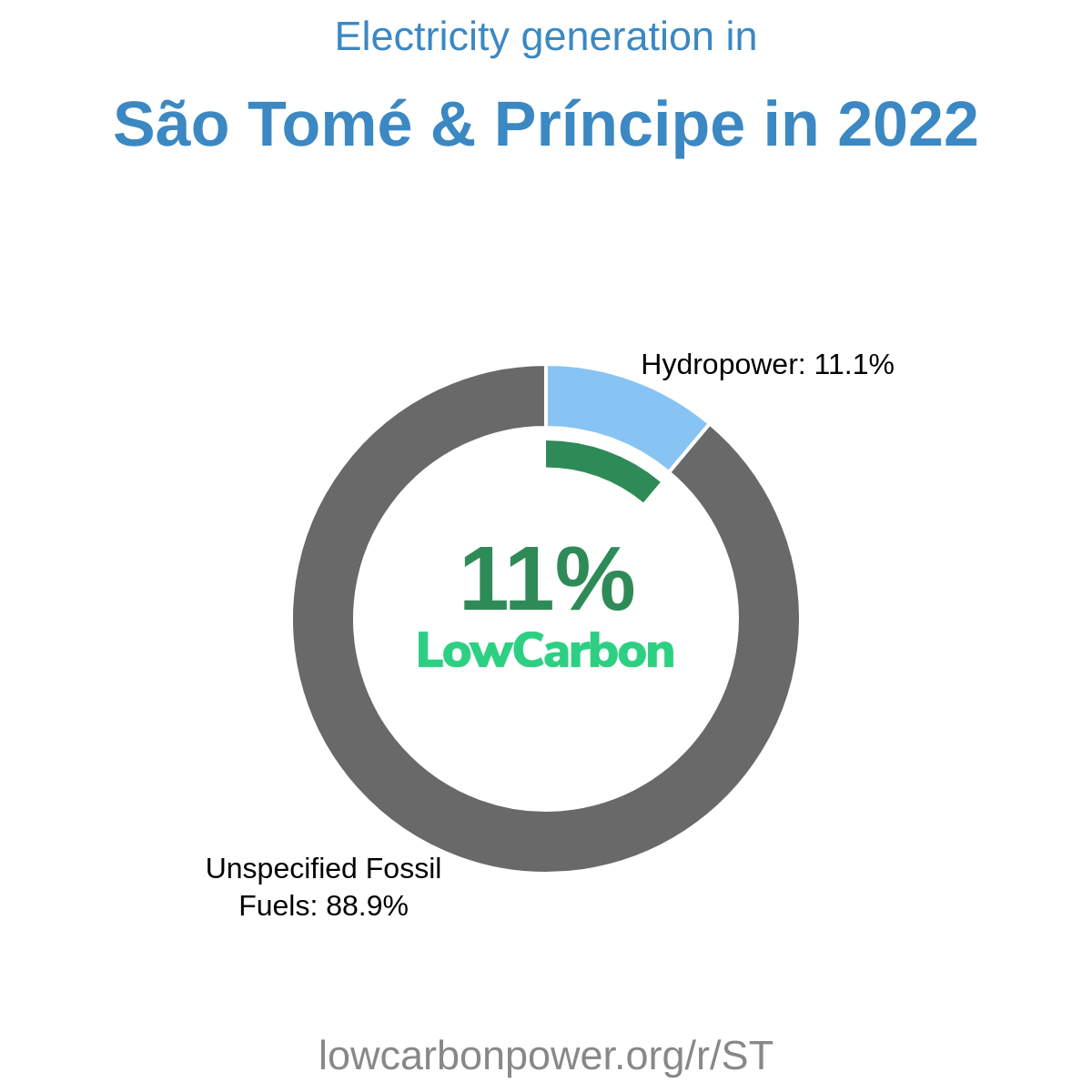


In Congo - Brazzaville, the current state of electricity consumption heavily relies on fossil fuels, which make up more than three-quarters of the energy mix, with the dominant contributor being gas, which accounts for almost three-quarters on its own. Fossil fuels, known for their significant contributions to climate change and air pollution, continue to play a major role. However, there is a modest but noteworthy contribution from low-carbon sources. Hydropower, classified as a clean energy source, makes up the bulk of this low-carbon category, contributing about a fifth to the total electricity generation. The focus on boosting low-carbon options such as hydropower is crucial, yet there's still vast potential to diversify further into other clean energy sources to reduce dependency on fossil fuels.
Is Electricity Growing in Congo - Brazzaville?
Electricity consumption in Congo - Brazzaville is experiencing gradual growth, as evidenced by the increase from the previous year. In 2023, the per capita consumption rose to 836 kWh from 815 kWh in 2022, marking a slight but positive change of 21 kWh. This is an encouraging trend for the country's overall electricity consumption. However, a closer look at low-carbon electricity generation reveals a decline from a previous high of 226 kWh per person in 2018 to 173 kWh per person in 2023, indicating a decrease of 53 kWh. This reduction is alarming and highlights an urgent need to focus on rebuilding and expanding the clean energy sector to ensure sustainable growth. Investing in technology and infrastructure to reverse this decline is crucial for the nation's environmental goals and energy independence.
Suggestions
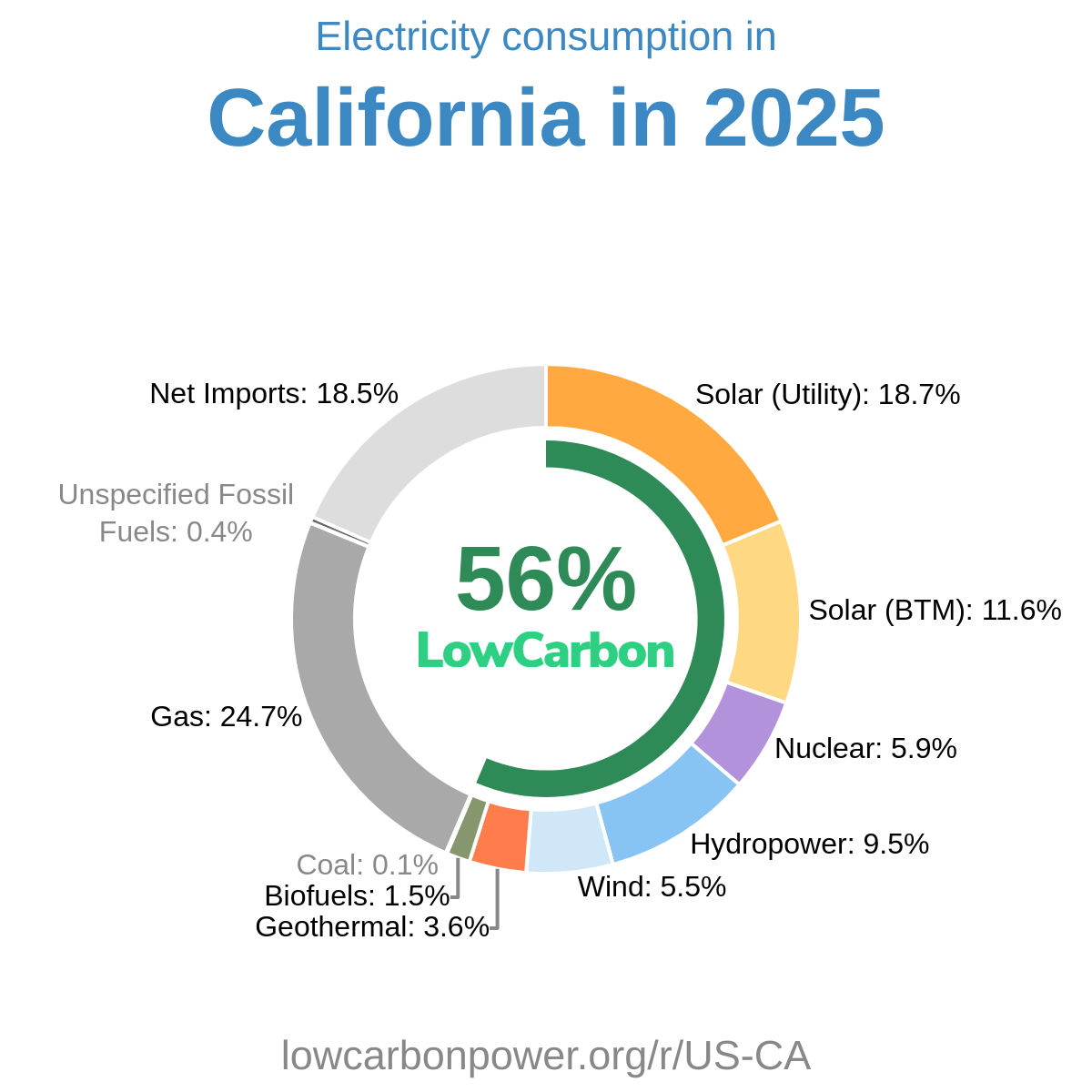
To increase low-carbon electricity generation, Congo - Brazzaville can look toward the successful models of various regions around the world. For example, countries like France and Ukraine have made significant strides with nuclear energy contributing to more than half of their electricity generation. Similarly, states such as Nevada and California have embraced solar power, making up over a third of their electricity mix. Additionally, countries like Denmark and the state of Iowa have capitalized on wind energy with great success. By adopting strategies from these regions, Congo - Brazzaville can focus on boosting nuclear and solar energy installations. Implementing supportive policies, fostering international collaborations, and investing in energy infrastructure can help the country transition to a more sustainable electricity system.
History
Historically, Congo - Brazzaville's low-carbon electricity generation, predominantly through hydropower, has experienced several fluctuations. In the early 1980s, there was a consistent yet small increase in hydropower electricity generation. However, the 1990s saw a mixed trend with occasional dips, most notably a decline in 1999 and smaller decreases throughout the decade. The 2000s were marked by some growth and stabilization, with significant increases, particularly between 2010 and 2012. This period was critical in bolstering hydropower's role in the electricity mix. Unfortunately, recent years have seen another decrease, underscoring the need for renewed efforts to expand clean electricity sources like solar and nuclear to ensure continuous growth and stabilization across the low-carbon sector.
Electricity Imports and Exports
Balance of Trade
Nearby Regions