

9% of global electricity is generated from Nuclear
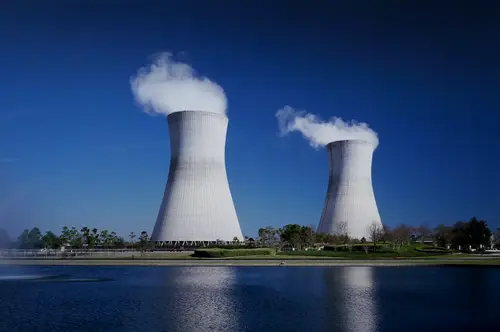
Nuclear energy is a highly efficient and dense form of energy derived from the nucleus of atoms, typically through a process called nuclear fission. In fission, the nucleus of a heavy element, such as uranium-235 or plutonium-239, is split into smaller nuclei, releasing a substantial amount of energy in the form of heat. This energy release is a result of the strong nuclear forces at play within an atom’s nucleus and is far greater on a per-weight basis than the energy released from burning fossil fuels.
To generate electricity, nuclear power plants utilize the heat produced from nuclear fission to produce steam, which then drives turbines connected to electricity generators. Essentially, the process is similar to that of fossil fuel plants, but the key difference is the source of heat. This process is highly efficient and, importantly, a low-carbon method of generating electricity. With an average carbon intensity of just 12 gCO2eq/kWh, nuclear stands out as one of the cleanest energy sources available, exceeded only slightly by wind at 11 gCO2eq/kWh and comparable with solar, which has an emission profile of 45 gCO2eq/kWh. These values highlight the significant advantage of low-carbon technologies in mitigating climate change, especially when compared to fossil fuels like coal (820 gCO2eq/kWh) and oil (650 gCO2eq/kWh).
Globally, nuclear energy contributes almost 9% of the electricity consumed, underscoring its essential role in the current energy mix. Nuclear power is a cornerstone in various regions known for prioritizing clean energy. For instance, it provides more than half of the electricity consumed in South Carolina and New Hampshire, and nearly half in Illinois. Finland relies on nuclear for close to 40% of its electricity, while Alabama gets approximately a third from nuclear sources. These examples showcase the pivotal role nuclear energy plays in delivering substantial quantities of low-carbon electricity, reducing reliance on higher emissions power sources, and supporting climate goals.
The paramount advantage of nuclear, alongside solar and wind, is its capacity to generate electricity with minimal carbon emissions, thus helping to reduce the harmful impacts of climate change and air pollution associated with fossil fuels. Embracing more nuclear, along with expanding solar, is a crucial step towards a sustainable future and meeting the growing electricity demand fueled by technological advancements, including AI. Supporting and expanding clean energy infrastructure like nuclear and solar power plants is essential for countries seeking to both increase their energy independence and contribute positively to global environmental initiatives.
| Country/Region | kWh/person | % | TWh |
|---|---|---|---|
| South Carolina | 9665.1 W | 52.2% | 53.8 TWh |
| Alabama | 8234.7 W | 30.0% | 42.7 TWh |
| Illinois | 7637.1 W | 49.1% | 96.4 TWh |
| New Hampshire | 6972.1 W | 51.7% | 9.9 TWh |
| Finland | 5947.1 W | 38.4% | 33.5 TWh |
| Pennsylvania | 5766.8 W | 30.7% | 75.4 TWh |
| France | 5666.4 W | 66.9% | 378.5 TWh |
| Tennessee | 5144.1 W | 31.8% | 37.6 TWh |
| Connecticut | 4579.6 W | 35.7% | 16.9 TWh |
| Arkansas | 4530.9 W | 20.5% | 14.1 TWh |
| Georgia (US) | 4513.5 W | 30.0% | 51.0 TWh |
| Arizona | 4063.1 W | 25.2% | 31.2 TWh |
| Louisiana | 3959.6 W | 16.7% | 18.1 TWh |
| Sweden | 3887.4 W | 25.4% | 41.6 TWh |
| North Carolina | 3767.7 W | 27.1% | 42.1 TWh |
| Mississippi | 3457.2 W | 13.1% | 10.2 TWh |
| Nebraska | 3419.1 W | 16.1% | 6.9 TWh |
| Slovakia | 3373.4 W | 66.2% | 18.7 TWh |
| Virginia | 3152.6 W | 17.2% | 27.8 TWh |
| Kansas | 3124.5 W | 14.6% | 9.3 TWh |
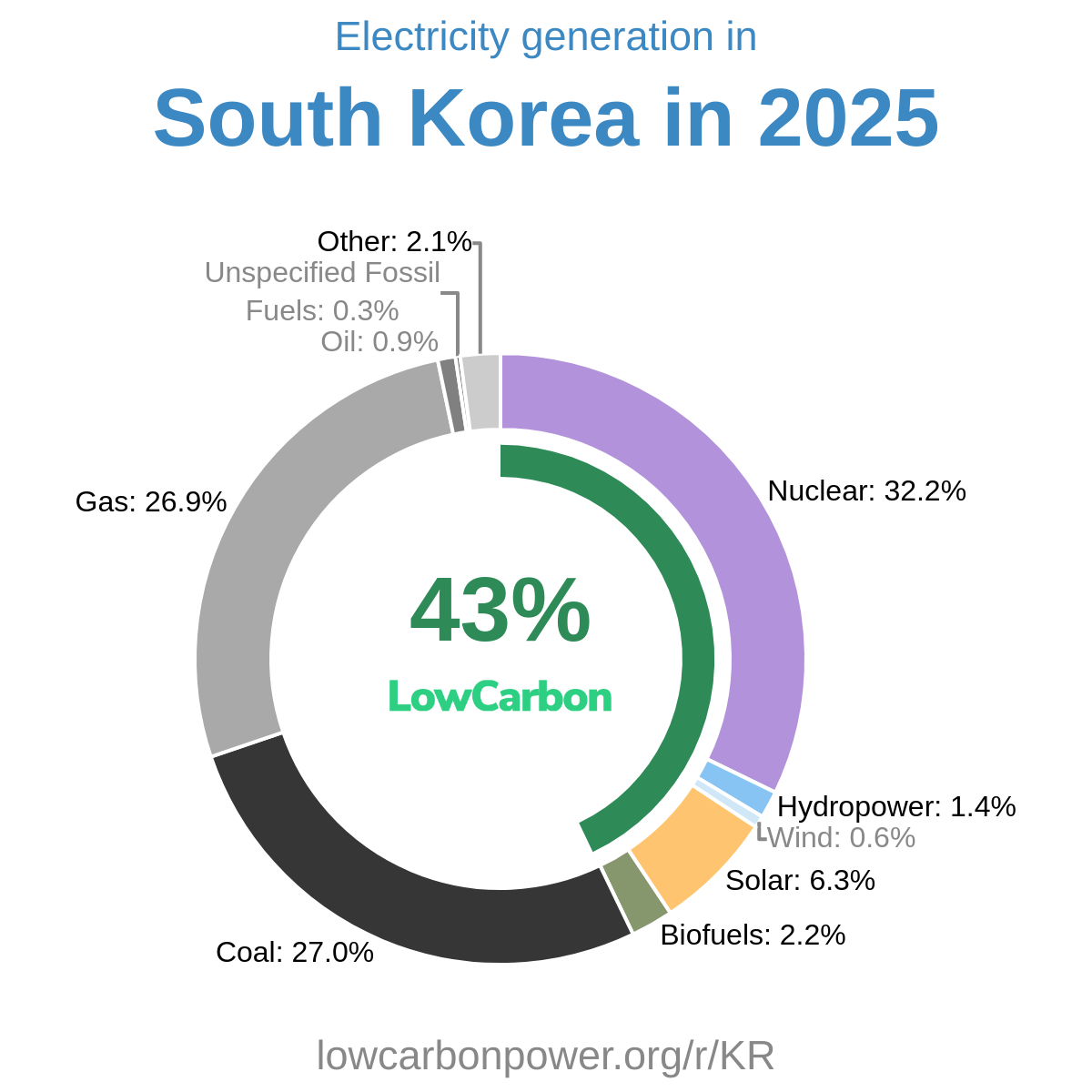
| South Korea | 3098.5 W | 25.4% | 160.4 TWh |
| United Arab Emirates | 3032.3 W | 19.6% | 32.3 TWh |
| New Jersey | 2951.1 W | 32.9% | 28.1 TWh |
| Czechia | 2767.7 W | 41.2% | 30.1 TWh |
| Michigan | 2605.2 W | 21.0% | 26.4 TWh |
| Slovenia | 2566.5 W | 40.2% | 5.5 TWh |
| Maryland | 2381.2 W | 22.2% | 14.9 TWh |
| Minnesota | 2339.6 W | 18.6% | 13.6 TWh |
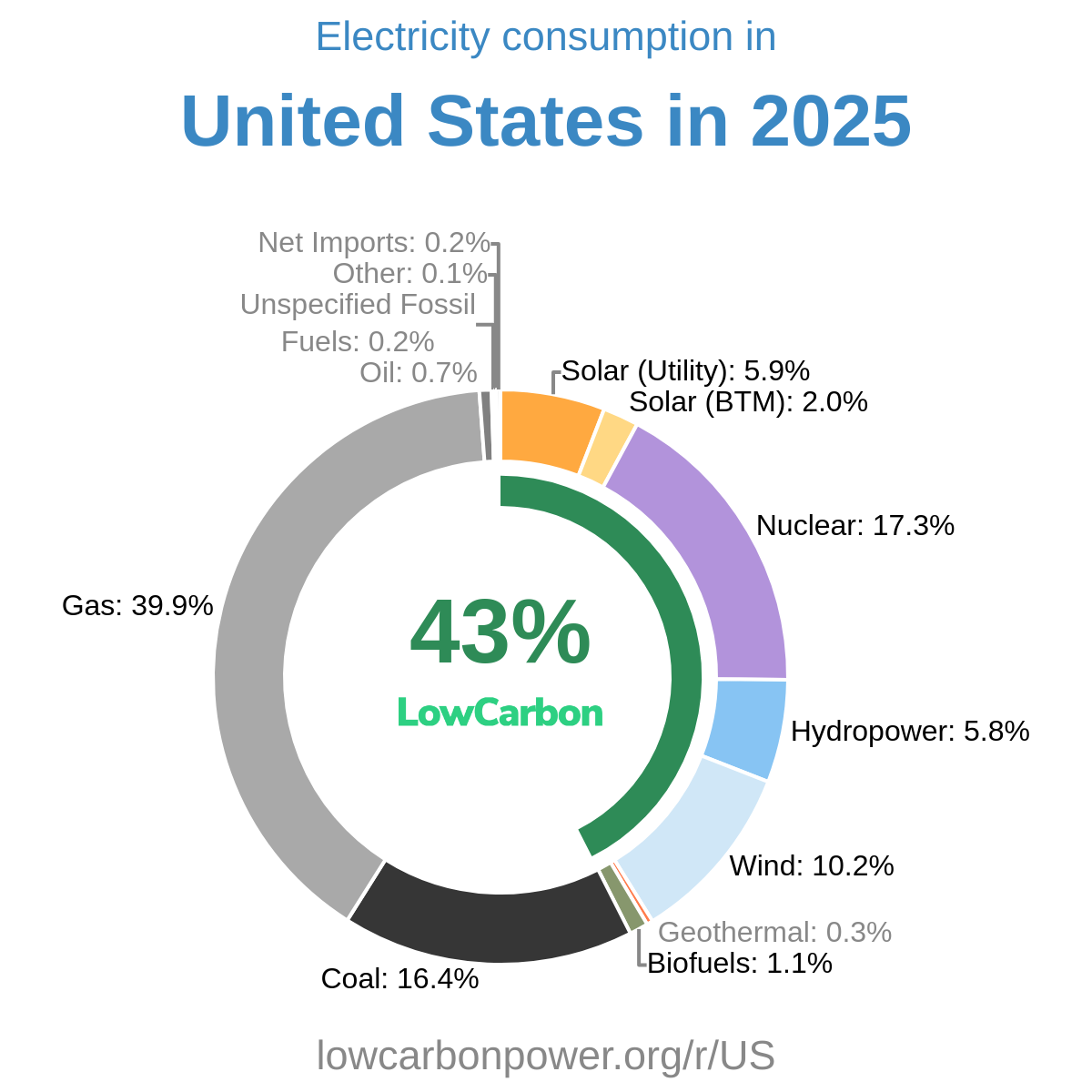
| United States | 2289.5 W | 17.1% | 791.9 TWh |
| Bulgaria | 2180.9 W | 38.2% | 14.6 TWh |
| Canada | 1968.2 W | 12.5% | 78.7 TWh |
| Belarus | 1868.3 W | 37.7% | 16.7 TWh |
| Switzerland | 1800.9 W | 23.9% | 16.2 TWh |
| Wisconsin | 1682.4 W | 12.9% | 10.0 TWh |
| Missouri | 1575.6 W | 11.1% | 9.9 TWh |
| Russia | 1519.8 W | 19.1% | 220.0 TWh |
| Ohio | 1514.8 W | 9.9% | 18.0 TWh |
| Ukraine | 1512.1 W | 54.6% | 62.1 TWh |
| Hungary | 1498.6 W | 32.0% | 14.4 TWh |
| New York | 1404.4 W | 17.0% | 27.6 TWh |
| EU | 1356.6 W | 22.5% | 612.0 TWh |
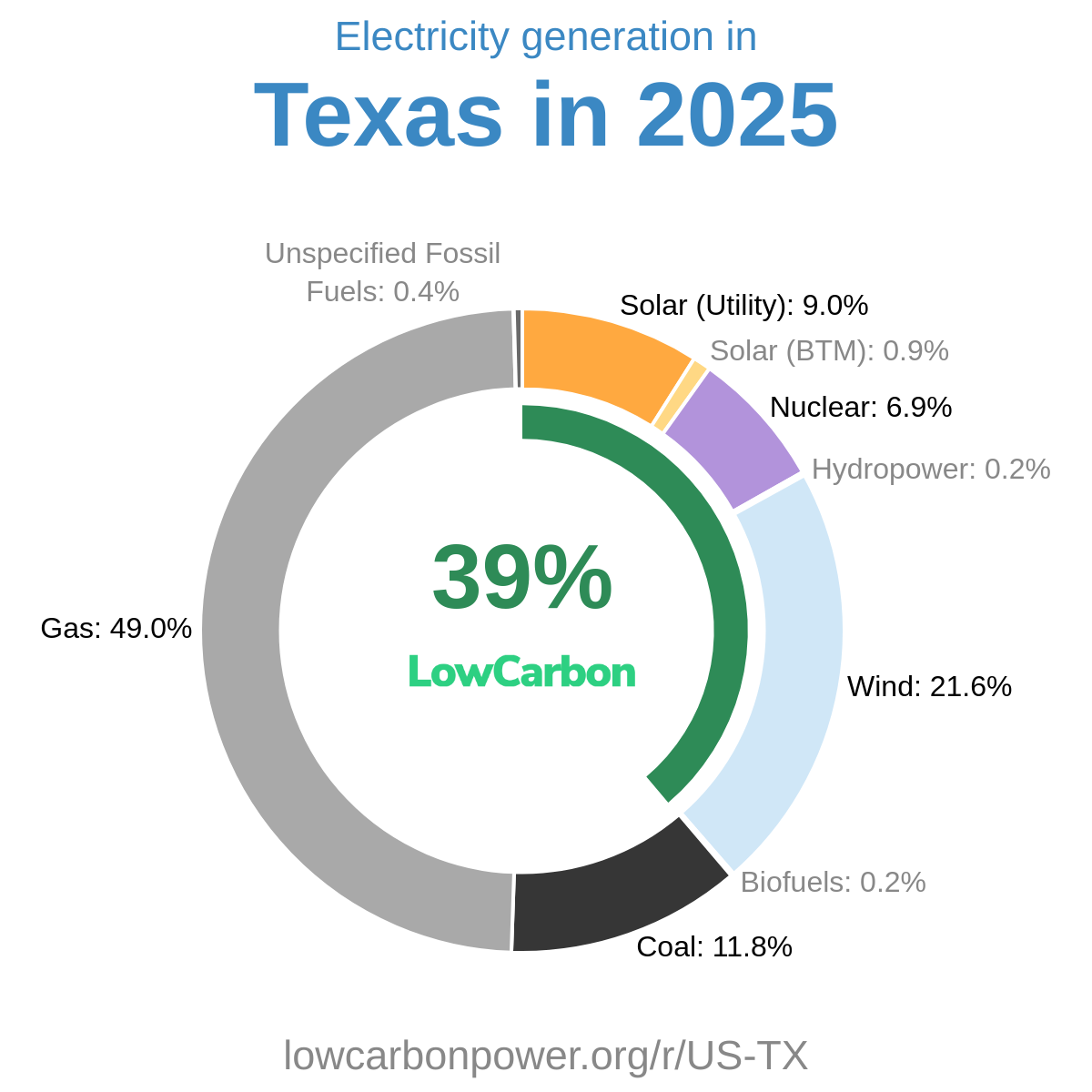
| Texas | 1267.7 W | 6.6% | 40.3 TWh |
| Washington | 1225.2 W | 8.7% | 9.8 TWh |
| Florida | 1172.3 W | 9.7% | 27.9 TWh |
| Spain | 1077.2 W | 17.9% | 51.9 TWh |
| Armenia | 998.2 W | 29.3% | 2.9 TWh |
| Belgium | 934.8 W | 14.3% | 11.0 TWh |
| Japan | 749.7 W | 9.5% | 92.4 TWh |
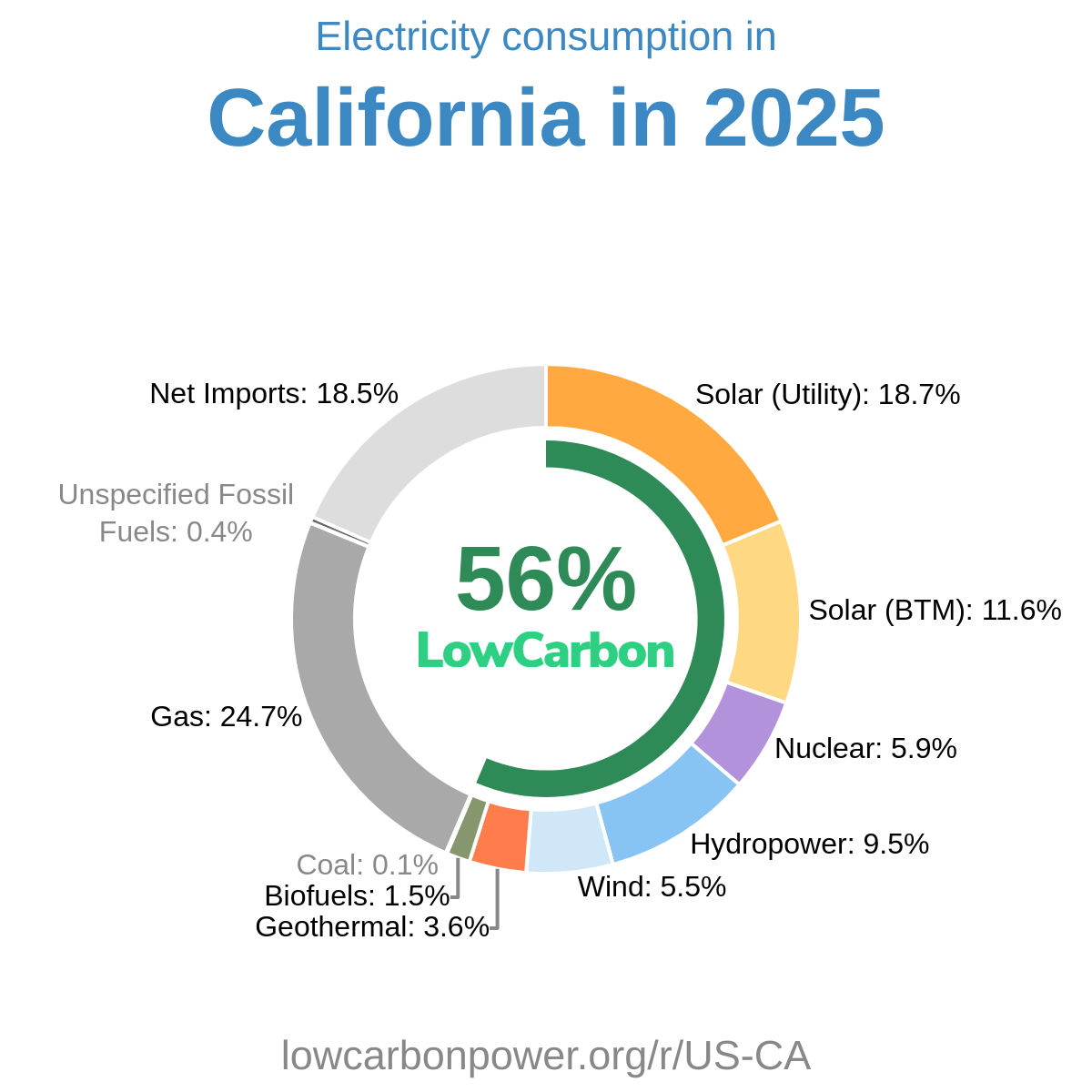
| California | 468.2 W | 6.2% | 18.4 TWh |
| Romania | 461.1 W | 17.7% | 8.7 TWh |
| United Kingdom | 452.5 W | 10.1% | 31.4 TWh |
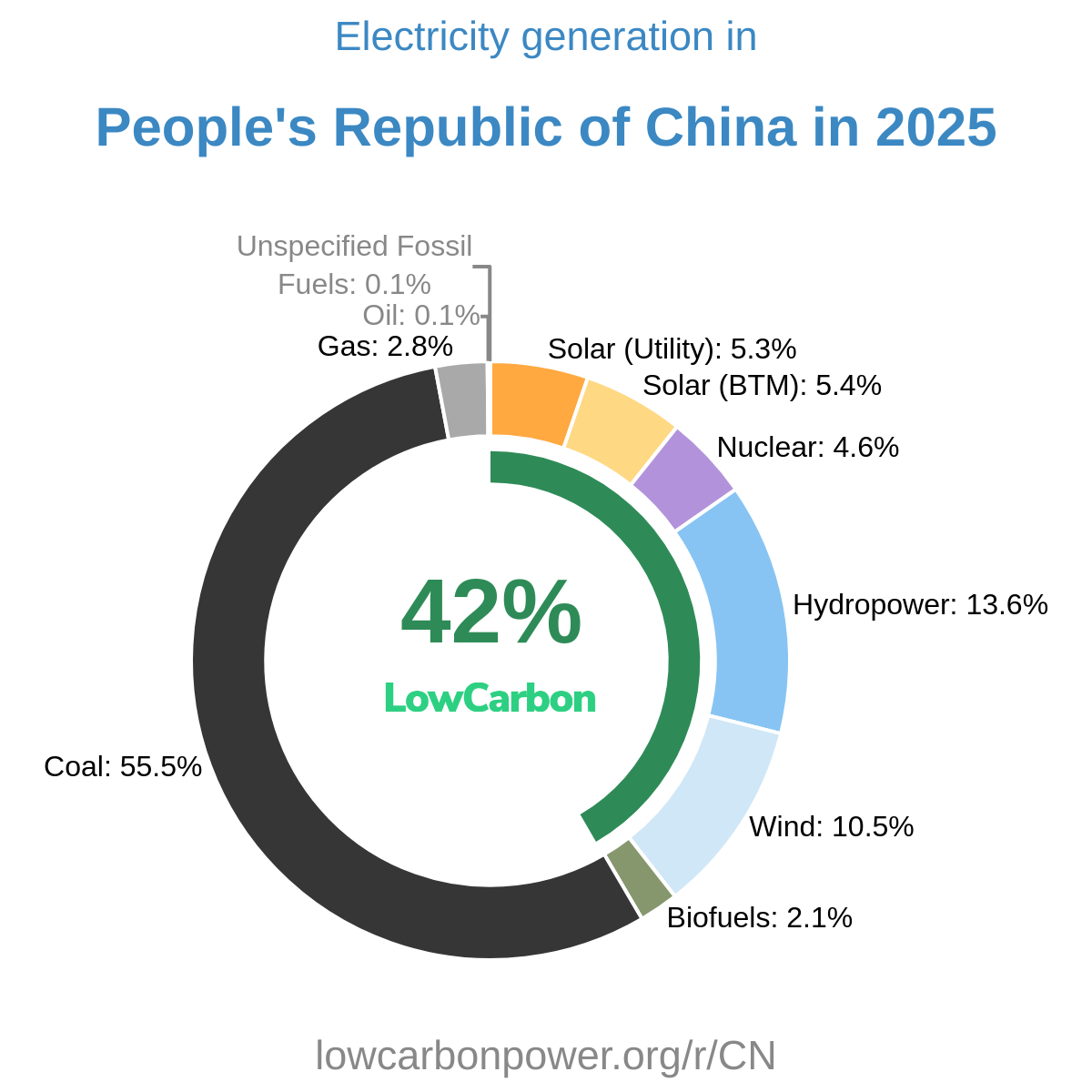
| People's Republic of China | 336.8 W | 4.4% | 479.5 TWh |
| The World | 327.8 W | 8.6% | 2698.1 TWh |
| Argentina | 217.5 W | 6.8% | 10.0 TWh |
| Netherlands | 192.7 W | 2.6% | 3.5 TWh |
| South Africa | 178.6 W | 5.1% | 11.6 TWh |
| Pakistan | 87.4 W | 13.2% | 22.4 TWh |
| Mexico | 80.6 W | 2.9% | 10.6 TWh |
| Brazil | 64.2 W | 1.8% | 13.7 TWh |
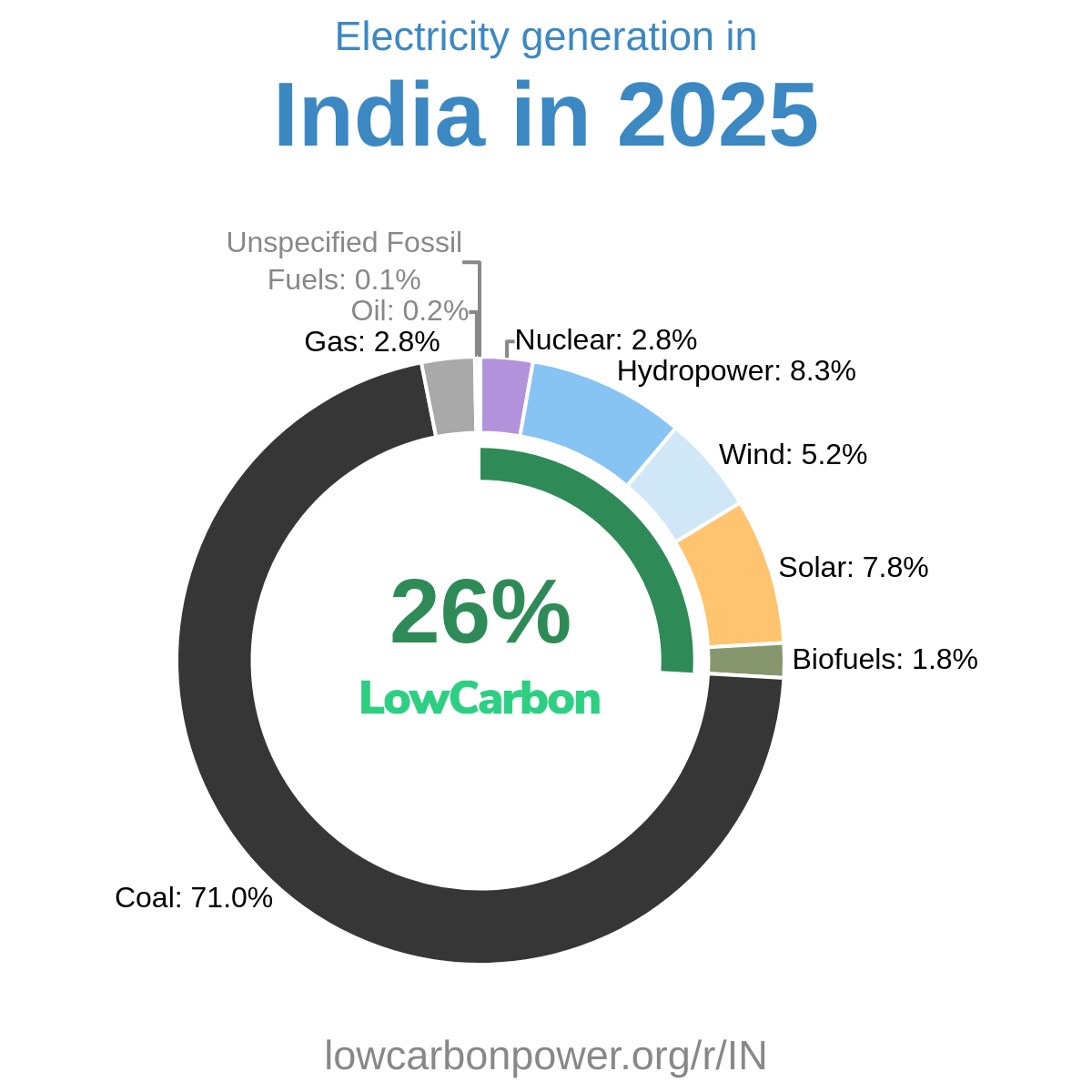
| India | 36.0 W | 2.6% | 52.7 TWh |
| Sub-Saharan Africa | 8.2 W | 2.0% | 10.1 TWh |