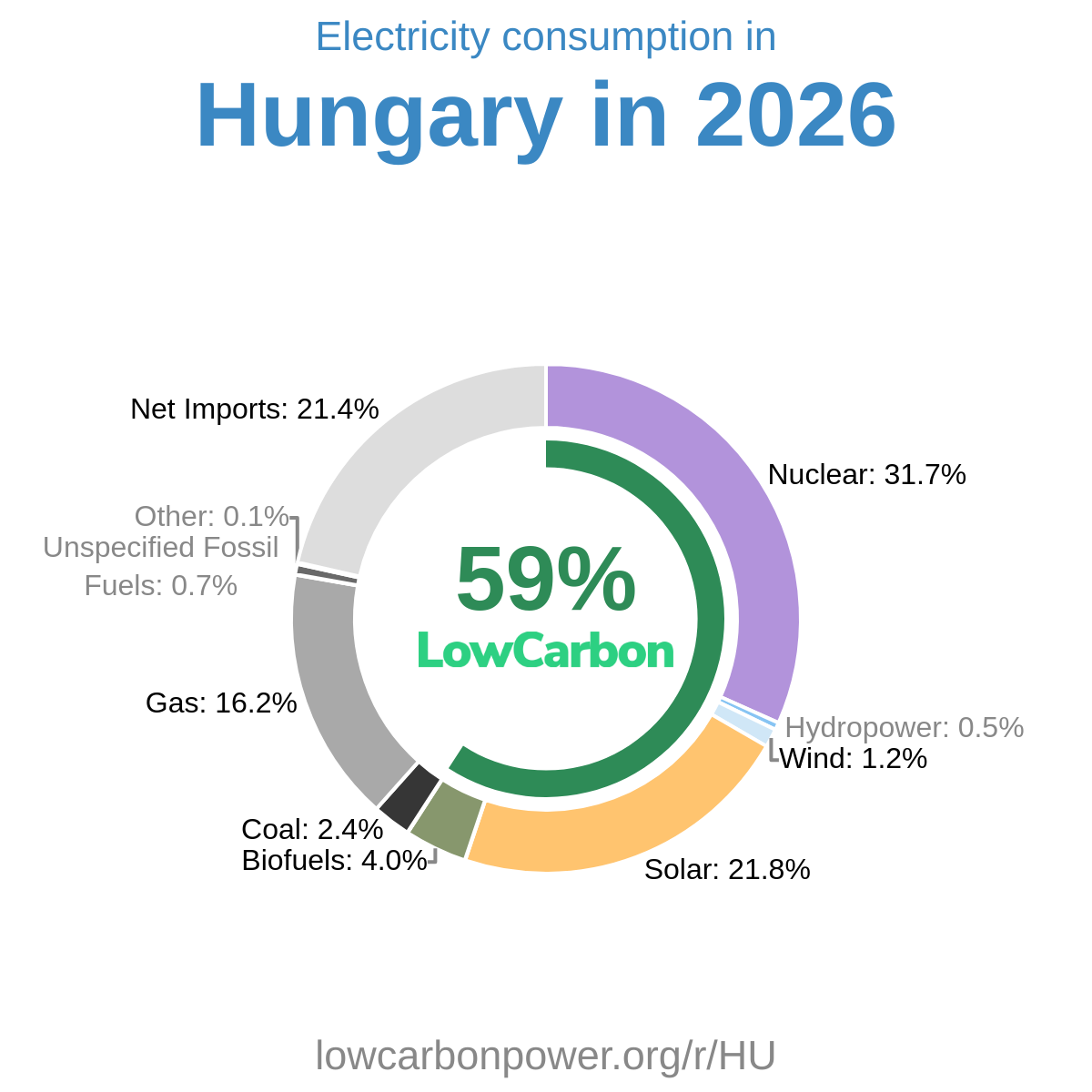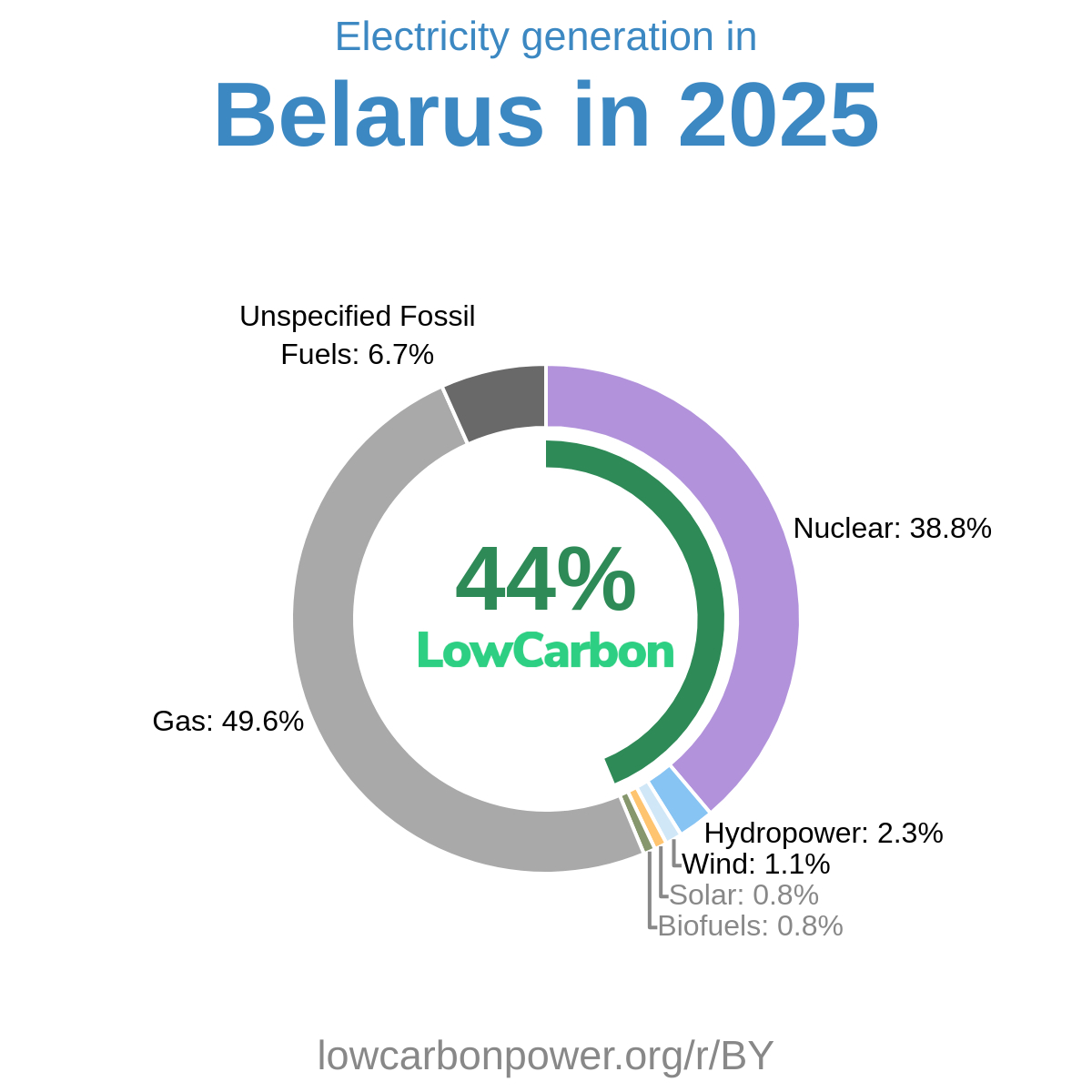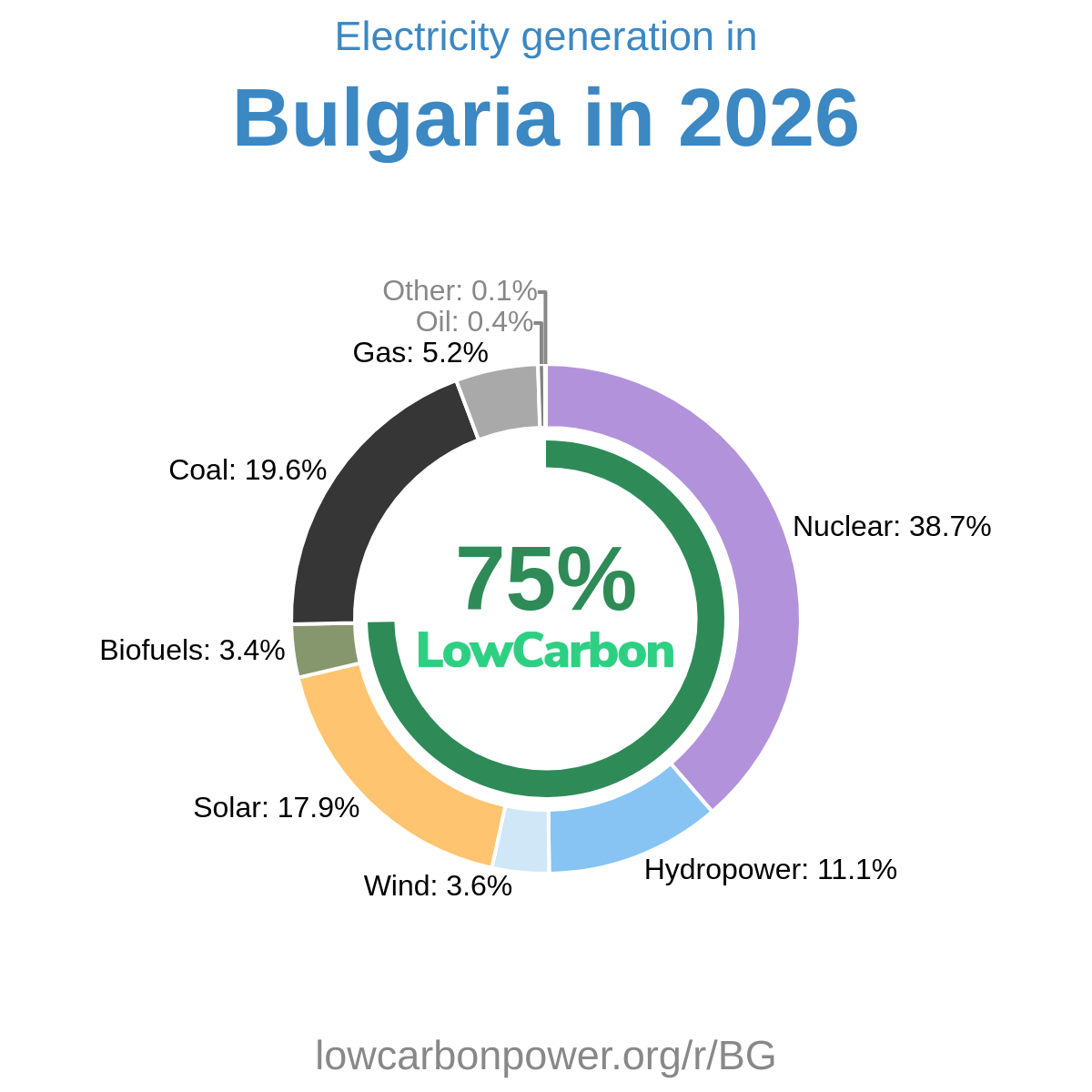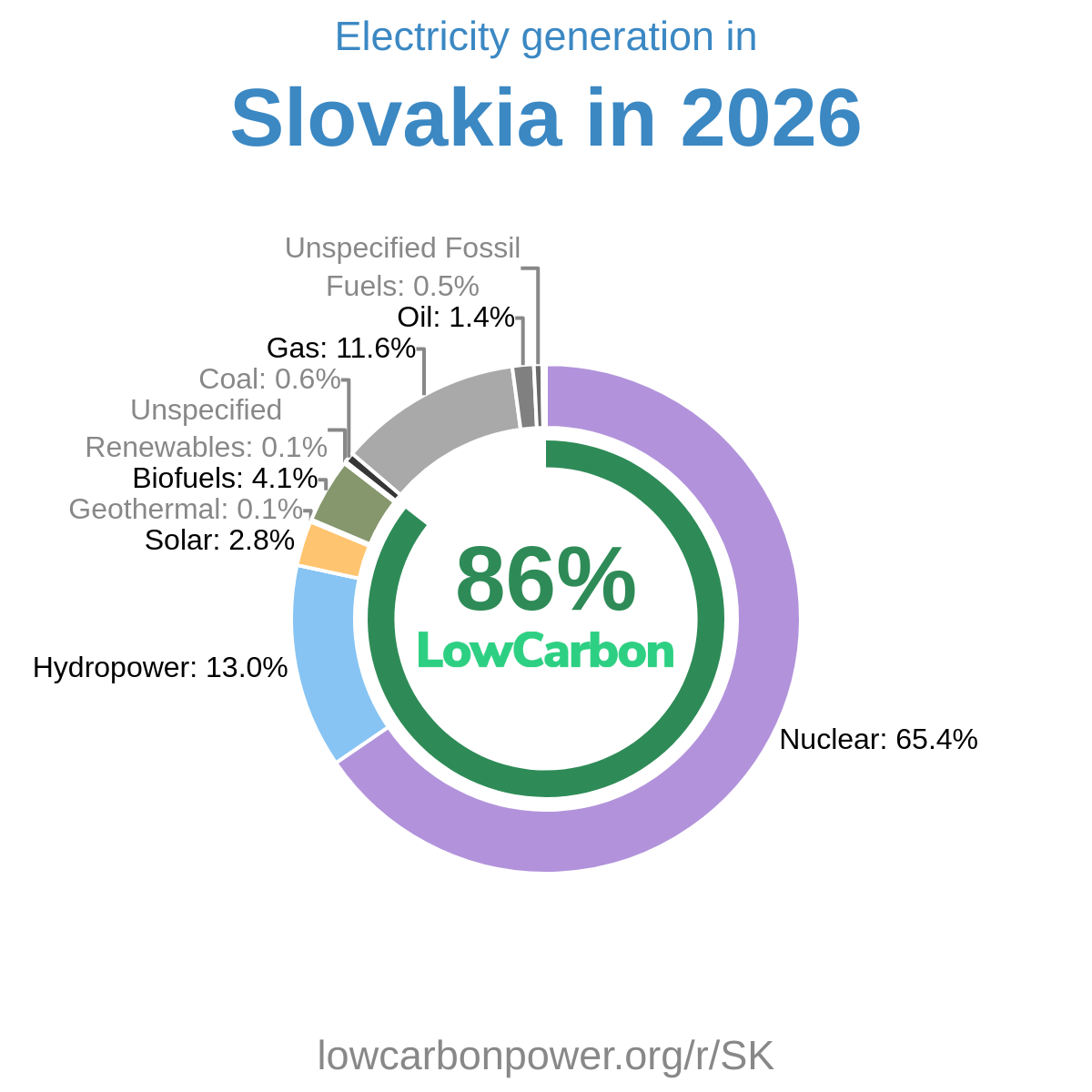


Over the past year from June 2025 to May 2026, Russia's electricity consumption has been majorly driven by fossil fuel sources, accounting for just above 63% of the total. Gas is the predominant fossil energy contributor with more than 44%, while coal adds about 18% to the mix. On the more environmentally friendly side, low-carbon sources provide a substantial 37% of Russia's electricity, with nuclear energy contributing a notable 19% and hydropower close to another 17%. This mix highlights a significant reliance on fossil fuels, but the prominence of nuclear power within low-carbon energy sources also reflects the potential for cleaner energy strategies in Russia.
Is Electricity Growing in Russia?
Examining recent trends, Russia's electricity consumption per person was recorded at 7973 kWh in 2026, slightly below the highest level of 8042 kWh per person reached in 2024. This slight decline of 69 kWh per person indicates a worrying stagnation in electricity growth and raises concerns about meeting future demands. Similarly, the low-carbon electricity generation, currently at 2940 kWh per person, has decreased by 96 kWh from the record level set in 2021. This decrease signals a need for urgent focus on boosting low-carbon energy production to continue progressing towards a sustainable energy future.
Suggestions
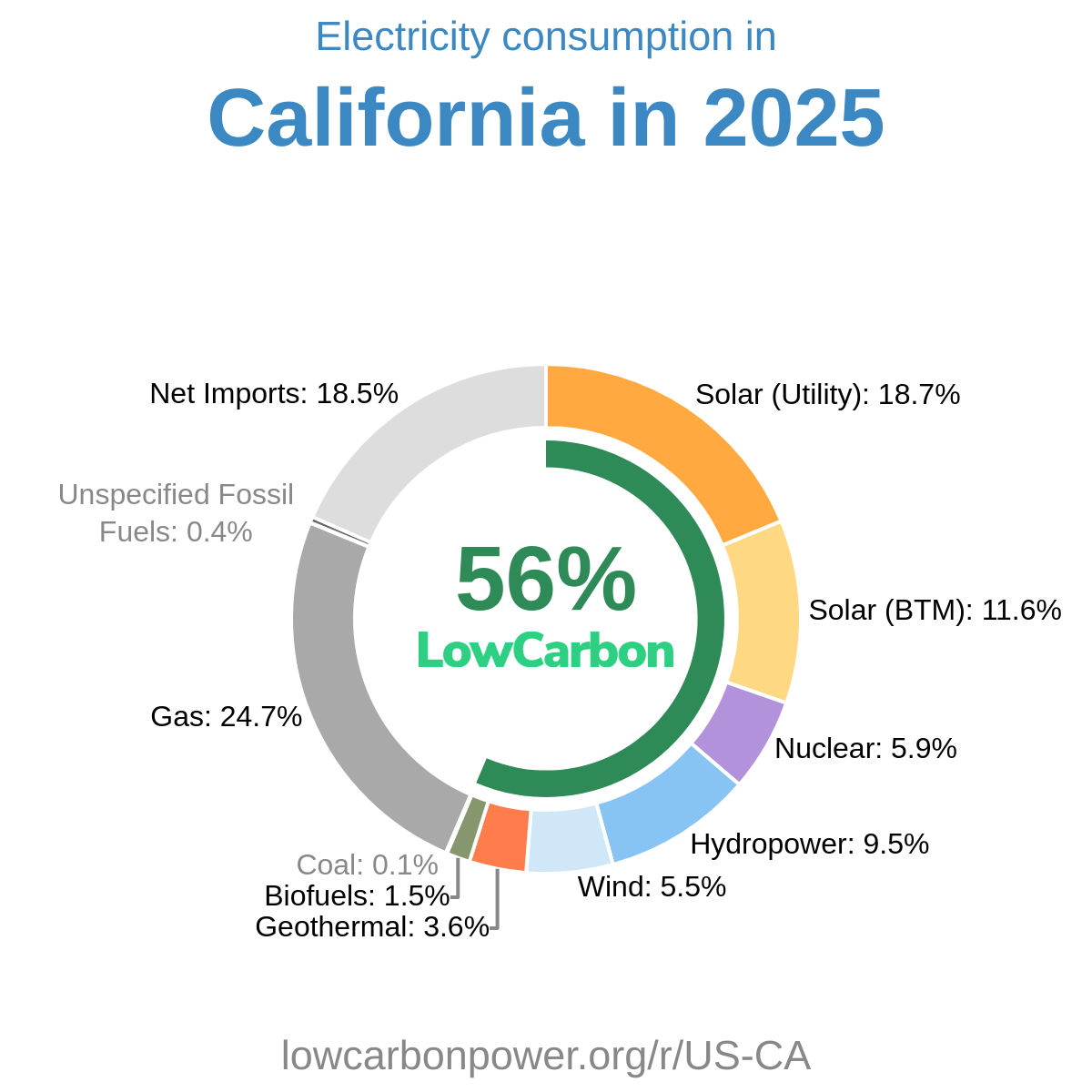
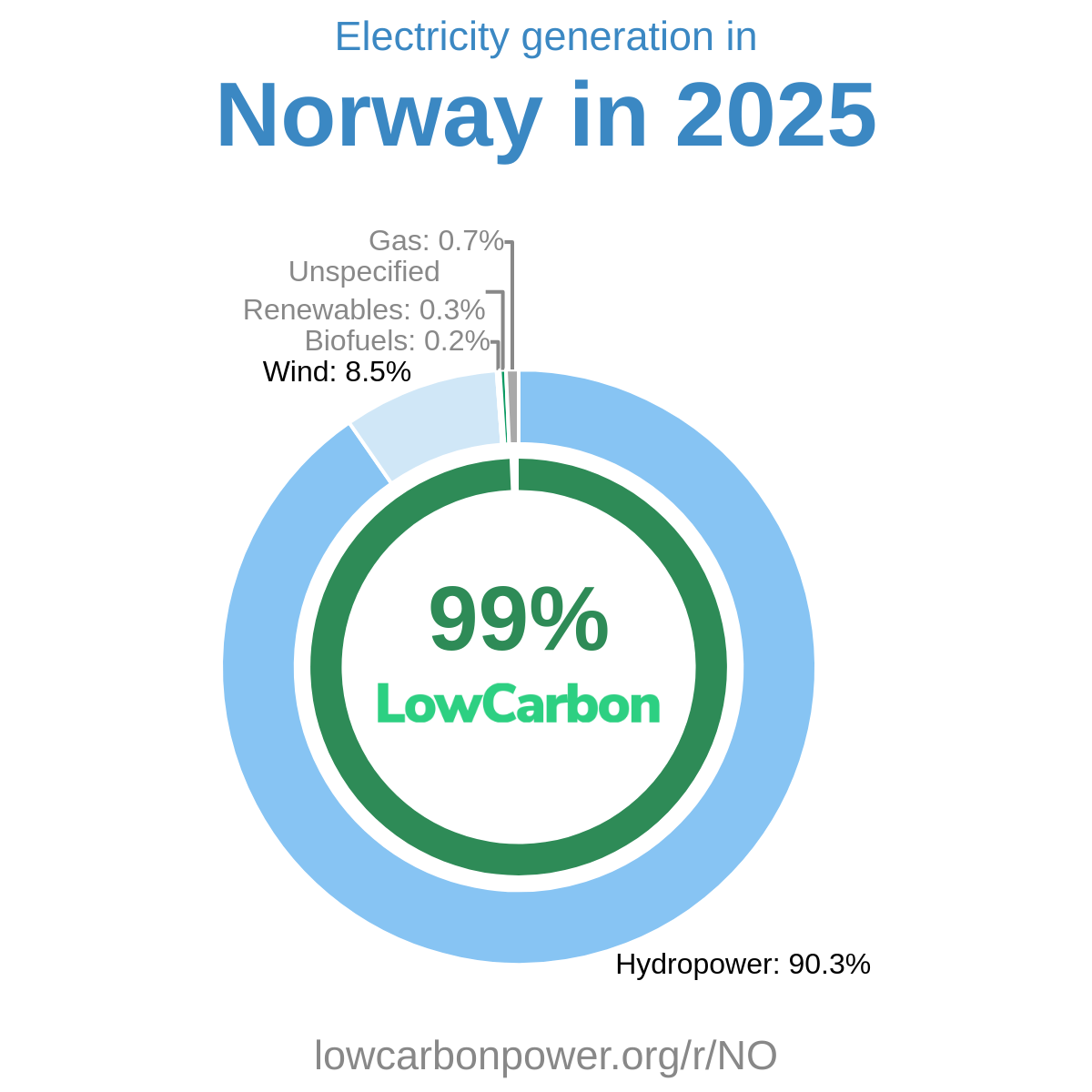
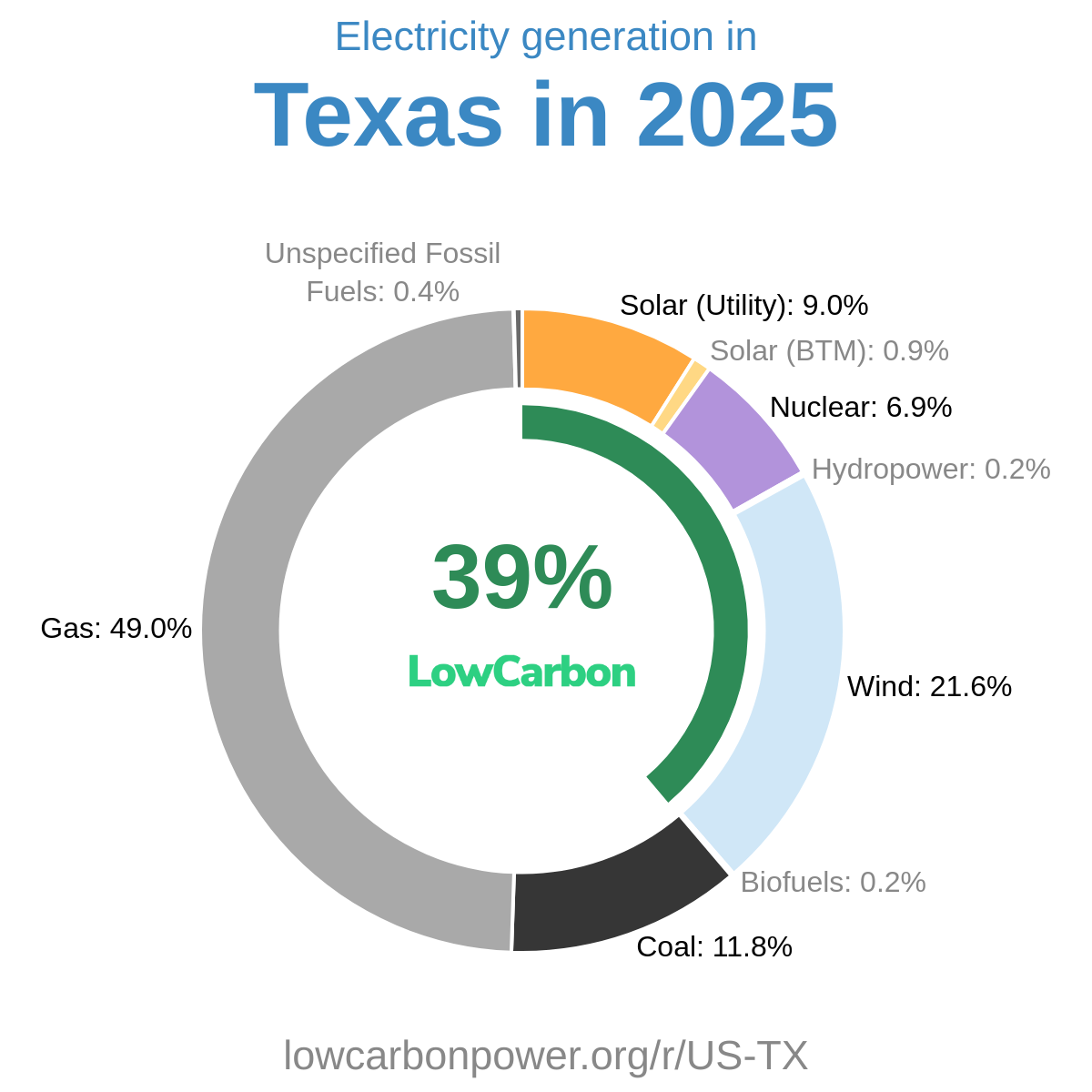
To expand low-carbon electricity generation in Russia, an increased focus on nuclear energy should be prioritized, as it is already a significant part of the country's clean electricity portfolio. Moreover, Russia can draw lessons from countries like France and Slovakia, where nuclear power supplies more than 65% of electricity. Additionally, wind and solar energy opportunities should not be neglected, as illustrated by the success of regions like Denmark and Iowa, where wind energy powers more than 50% of their electricity needs. As solar energy becomes more globally accessible, particularly in states such as Nevada utilizing solar for 35% of their electricity, there is a strong case for Russia to invest and develop in this direction as well.
* 12M = Last 12 months (Jun 2025 – May 2026) — a rolling 12-month period, not a calendar year.
History
Looking at the historical progression of low-carbon electricity in Russia, nuclear energy saw a significant rise in use during the late 1980s, with increases notable in 1987 and 1988. However, fluctuating contributions were evident in subsequent years with a marked decline in 1990 and more severe drops in 1994. Hydropower varied similarly, with substantial efforts in growth shown in the early 2000s, but again, significant declines occurred in later years, particularly in 2022. Despite these challenges, the resilience of nuclear and hydropower potential points to strategies that can be further explored for enhancing sustainable electricity generation in Russia.
* 12M = Last 12 months (Jun 2025 – May 2026) — a rolling 12-month period, not a calendar year.
Electricity Imports and Exports
Balance of Trade
* 12M = Last 12 months (Jun 2025 – May 2026) — a rolling 12-month period, not a calendar year.
Nearby Regions