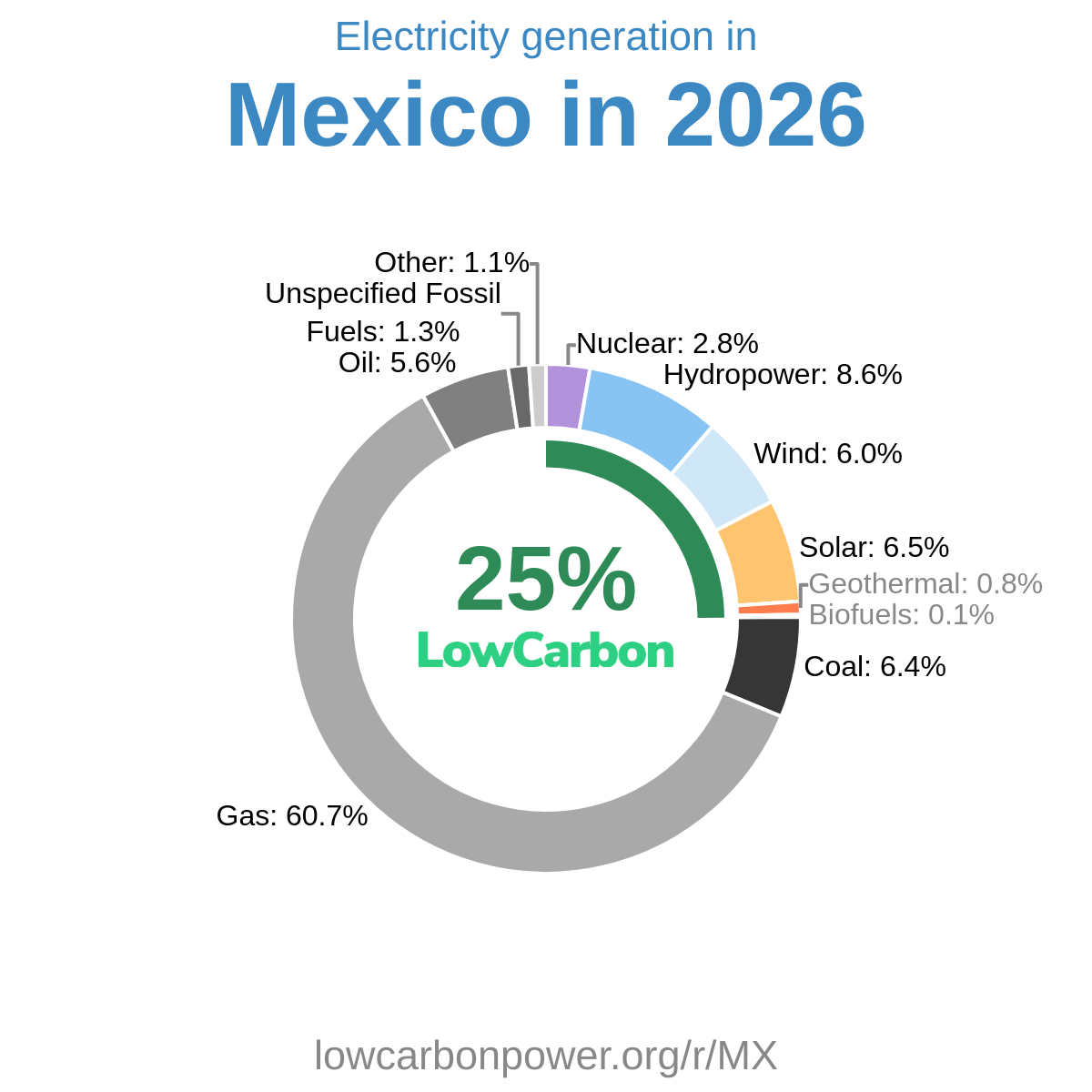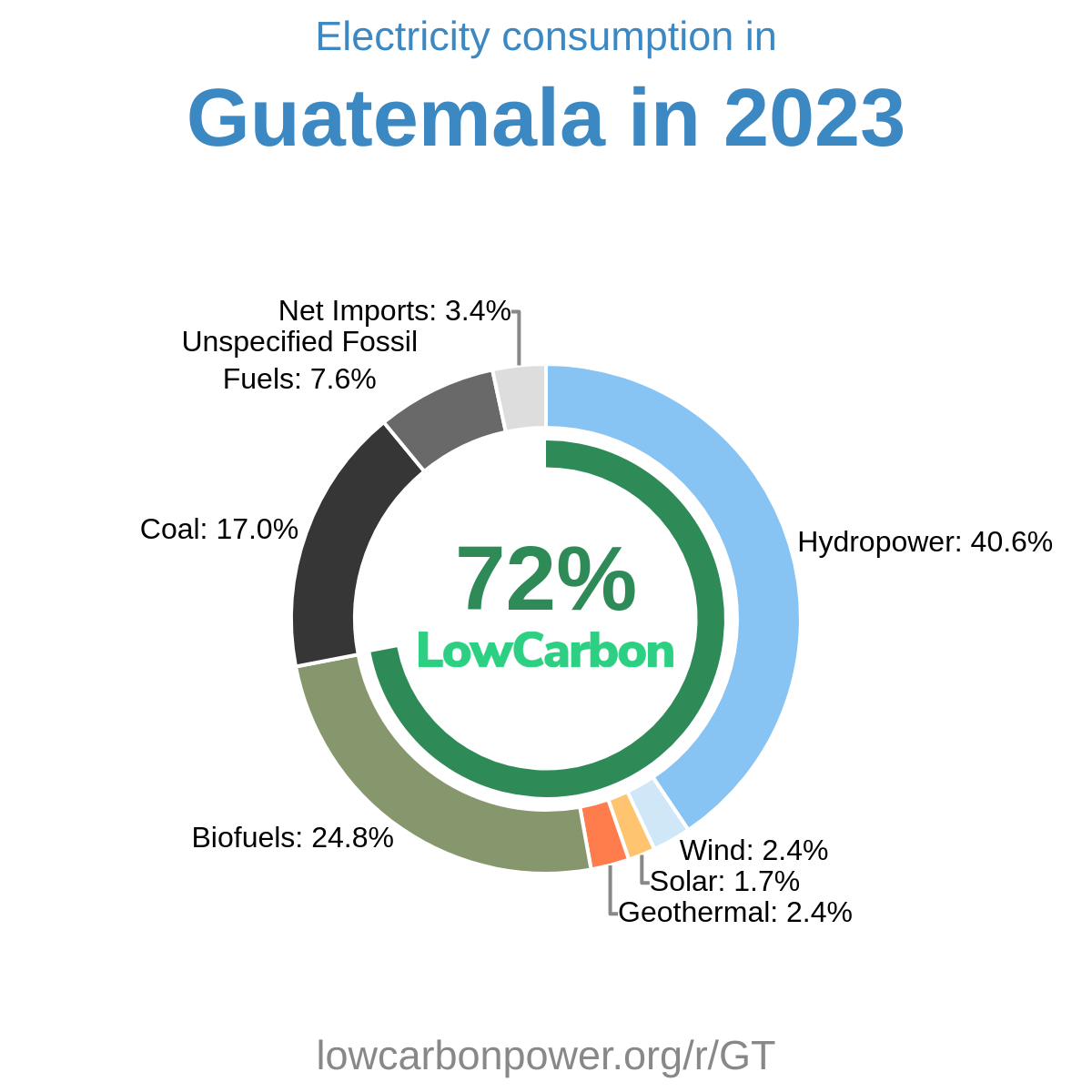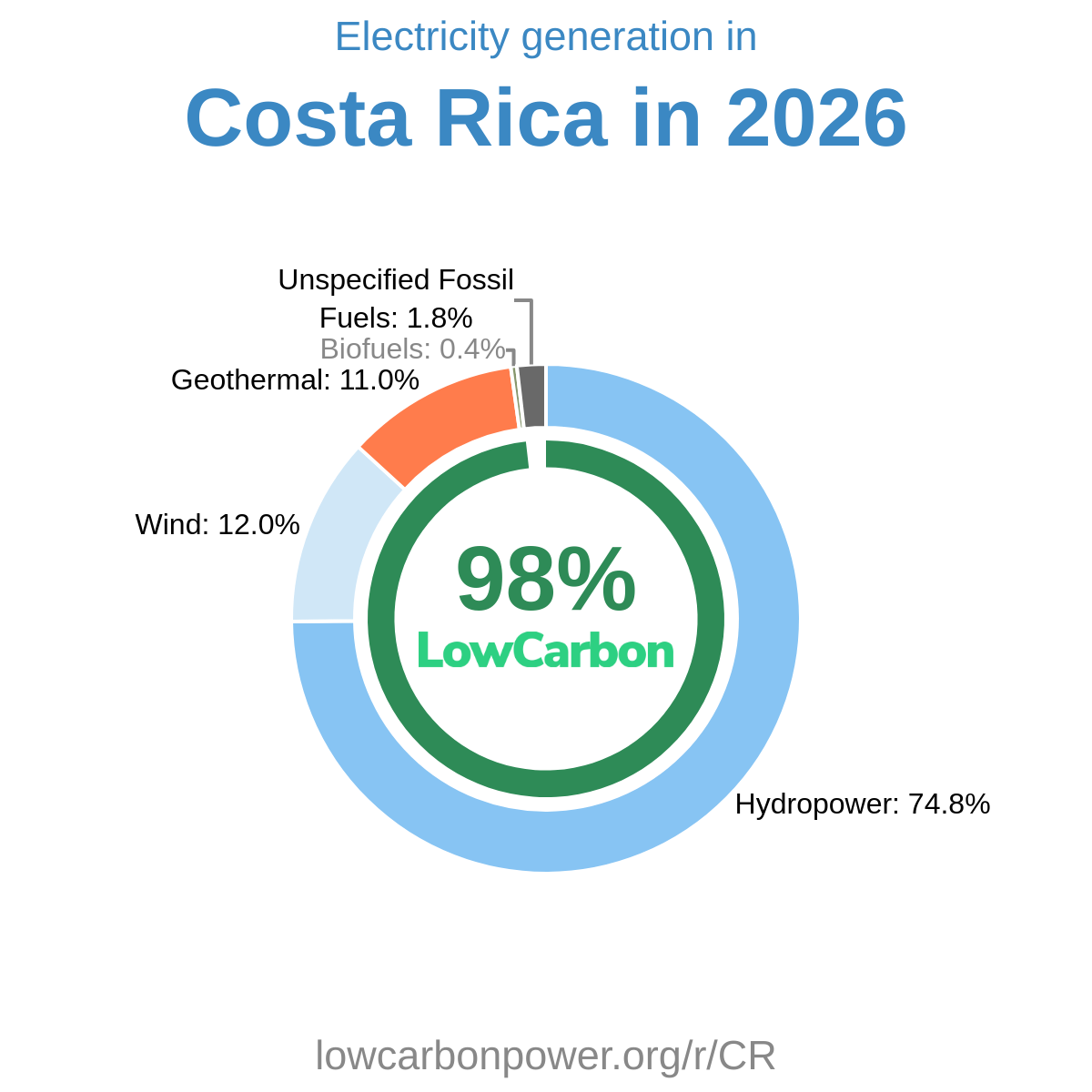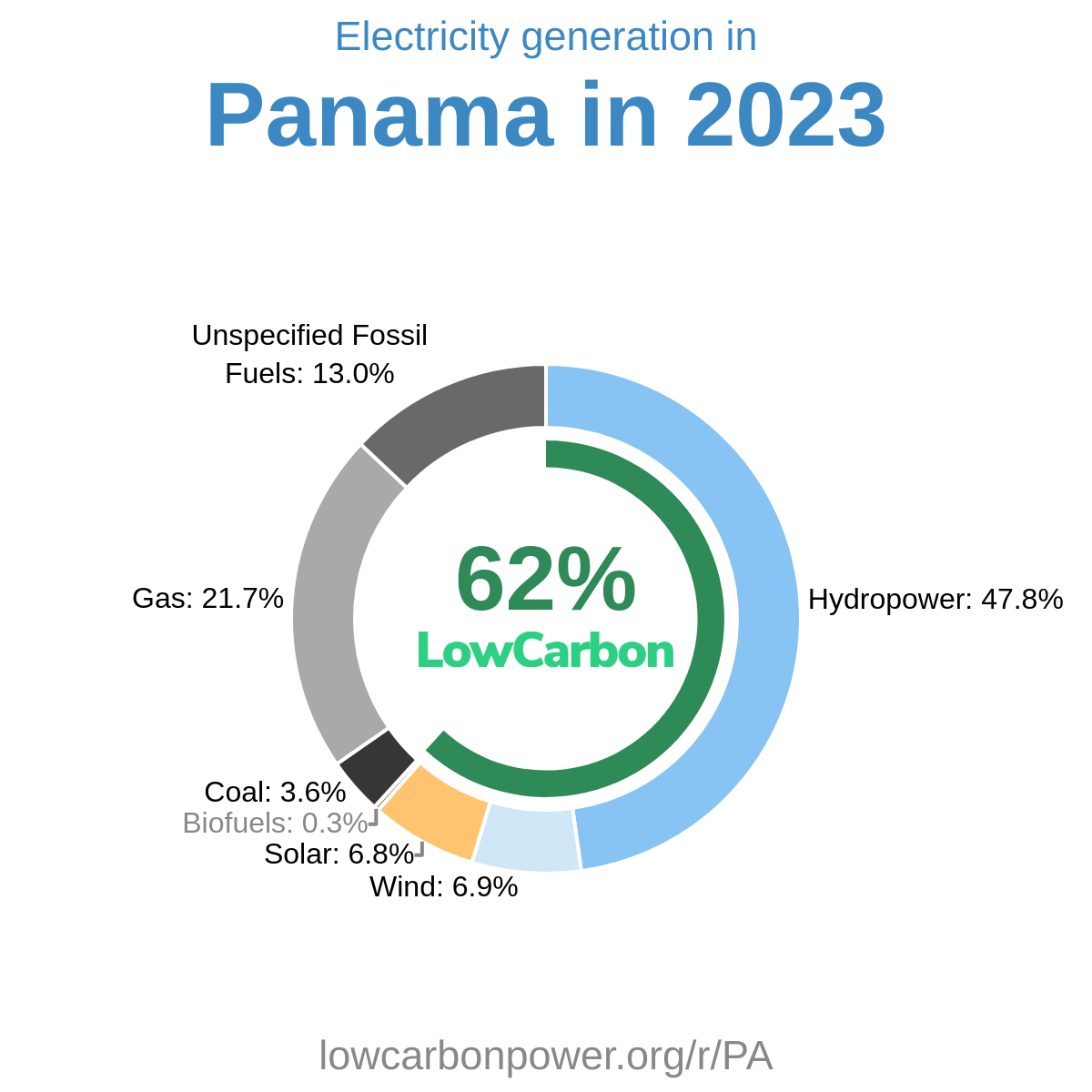


In 2025, El Salvador's electricity consumption reflects a predominantly low-carbon profile, with more than 60% of its electricity generated from clean sources. Almost a third of this low-carbon electricity comes from geothermal and hydropower, each contributing close to a fifth of the total electricity. Solar energy supplies a substantial portion as well, generating more than 15% of the total. Wind power, despite its smaller presence, still contributes a modest 2%. While fossil fuels account for around 36% of electricity generation, with natural gas making up close to 30% of this segment, the country's electricity generation mix showcases a strong commitment to low-carbon sources, though there is still room for improvement.
Is Electricity Growing in El Salvador?
The latest figures for electricity consumption in El Salvador, recorded at 668 kWh per person, indicate a significant decline from the previous year's record of 1,315 kWh per person—a considerable drop of 647 kWh per person. This regression is echoed in the low-carbon electricity sector, where consumption fell to 419 kWh per person from a prior high of 891 kWh per person, witnessing a reduction of 472 kWh per person. This decrease is a worrying trend, given the global push to meet increasing electricity demands through sustainable practices. Such declines could impede progress and growth necessary to power future ambitions like electrification and AI technologies.
Suggestions
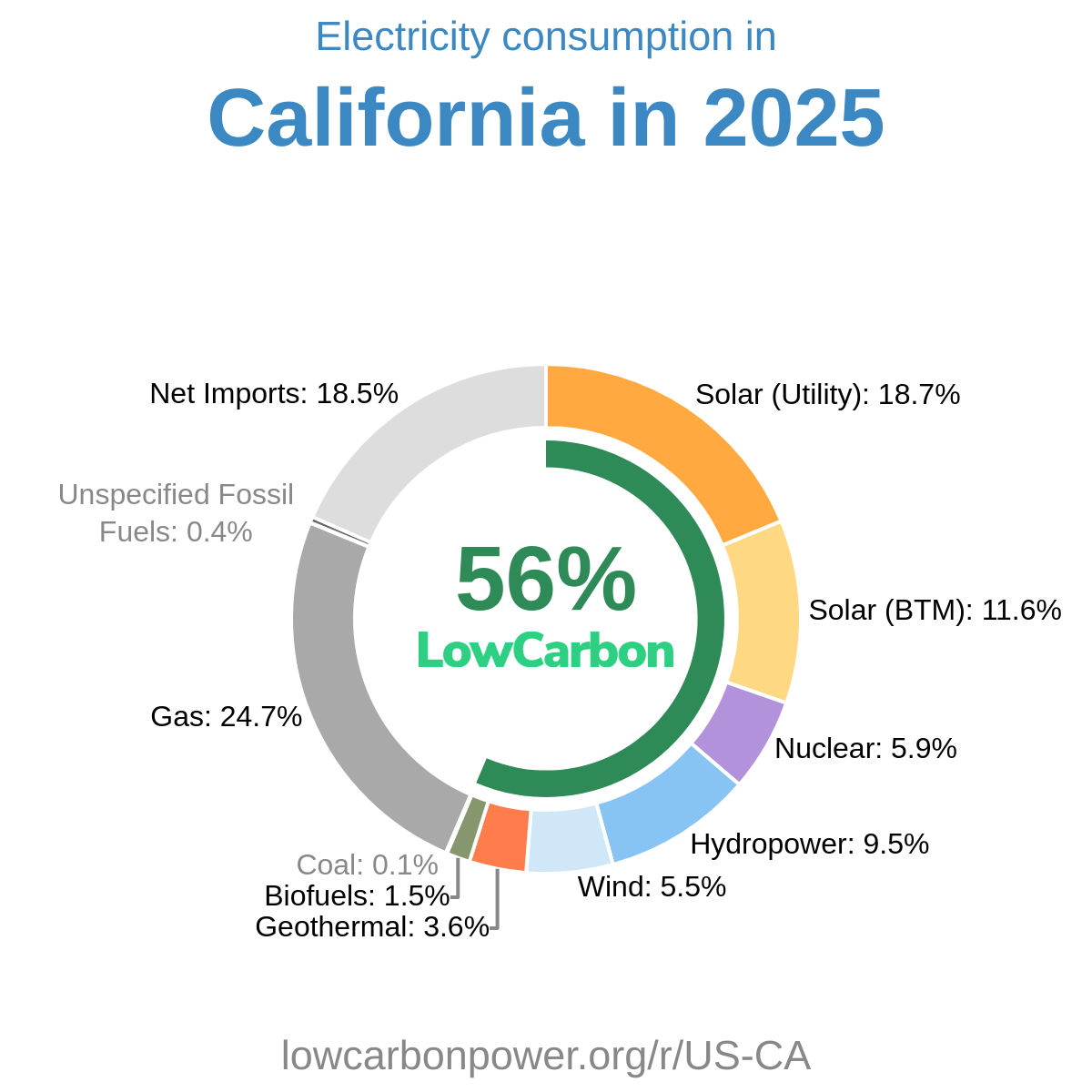
To bolster low-carbon electricity generation, El Salvador can expand its solar energy capacity, as it has already proven effective in the current energy mix. Observing successful regions, Nevada's and California's high solar generation, contributing 34% and 31% respectively, can offer valuable insights into scaling solar initiatives. It is also critical for El Salvador to consider the potential role of nuclear energy, as observed in countries like France and Slovakia, where nuclear accounts for more than 60% of generated electricity. Combining the benefits of both nuclear and enhanced solar capacities could provide a robust pathway to overcome dips in low-carbon generation, ensuring a sustainable and reliable electricity future for the nation.
History
Historically, El Salvador's low-carbon electricity has experienced both growth and setbacks. Starting from the late 1970s and moving into the early 1980s, hydropower saw some fluctuations but showed resilience, contributing modestly to the grid despite occasional declines. The early 2000s were challenging, with notable reductions in hydropower generation. However, the 2010s witnessed modest recovery, with solar energy beginning to play a more significant role by 2020. Unfortunately, in 2025, El Salvador faced considerable declines: hydro and geothermal generation both decreased substantially, with the latter experiencing a drop of 0.7 TWh. Solar also saw a downturn, losing 0.6 TWh, indicating the necessity to guard against future setbacks and invest proactively in expanding low-carbon technologies.
Electricity Imports and Exports
Balance of Trade
Nearby Regions