

In 2022, French Guiana's electricity consumption painted a picture of a region heavily reliant on low-carbon energy sources, with more than two-thirds of its electricity generated through these means. Hydropower was the standout source, contributing over 60% to the electricity mix, thereby significantly reducing the dependency on fossil fuels, which still accounted for a little over a quarter of the consumption. Solar and biofuels, each contributing around 5%, also played supporting roles in this green energy landscape, showcasing the region's commitment to cleaner energy alternatives. The strong presence of low-carbon energy reflects a positive trend toward addressing environmental concerns such as climate change and air pollution.
Is Electricity Growing in French Guiana?
However, the trends indicate that electricity consumption is not growing in French Guiana, with a decline noted over the past years. The latest available statistics from 2022 show a decrease to 3286 kWh per person, down from a high of 3662 kWh per person recorded in 2012. Low-carbon electricity generation has similarly seen a reduction, with 2347 kWh per person documented in 2022, compared to a previous peak of 2607 kWh per person in 2006. These figures point to a worrying stagnation in both overall and low-carbon electricity consumption, which is a setback as French Guiana seeks to advance its sustainable energy production capabilities and meet future energy demands driven by electrification and technological growth.
Suggestions
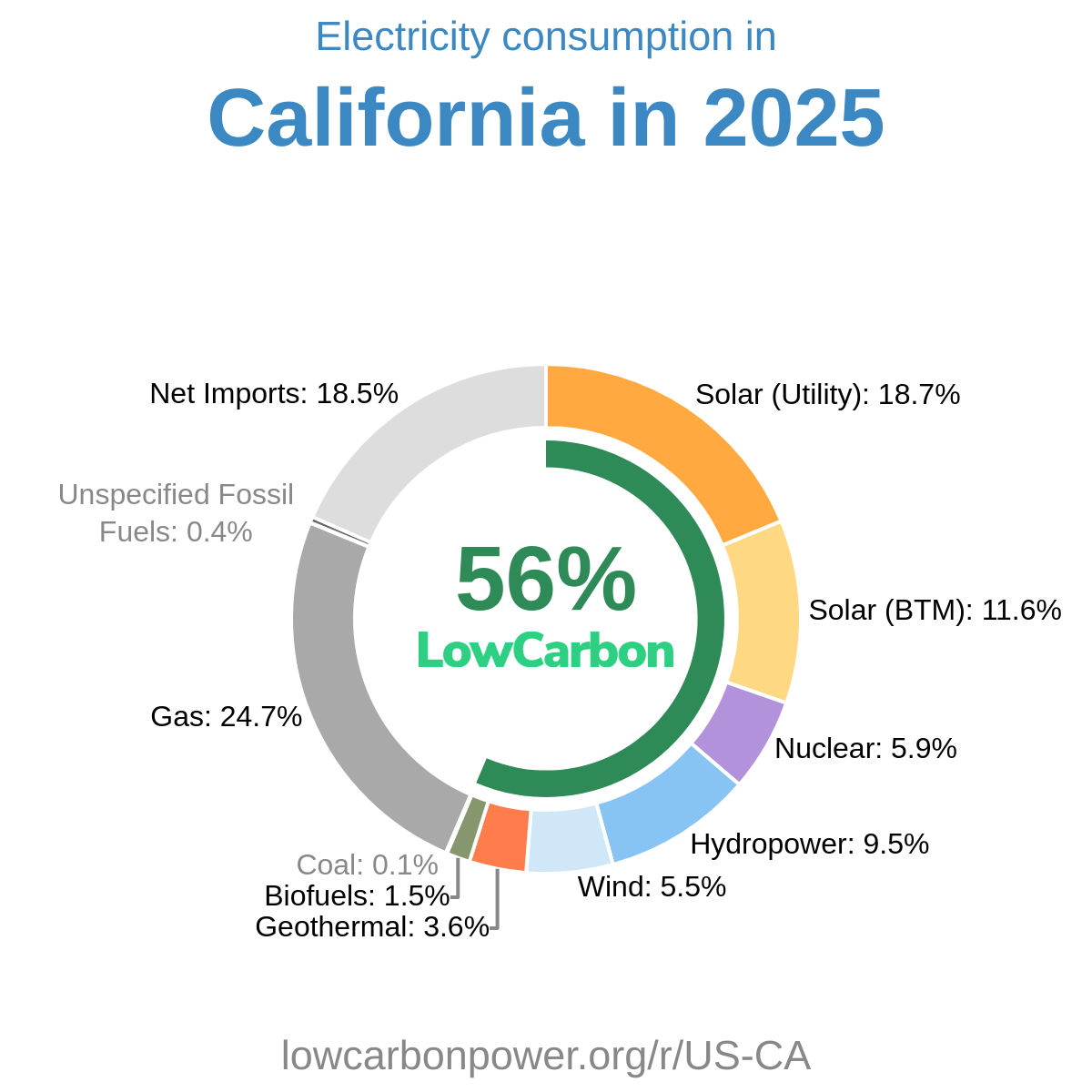
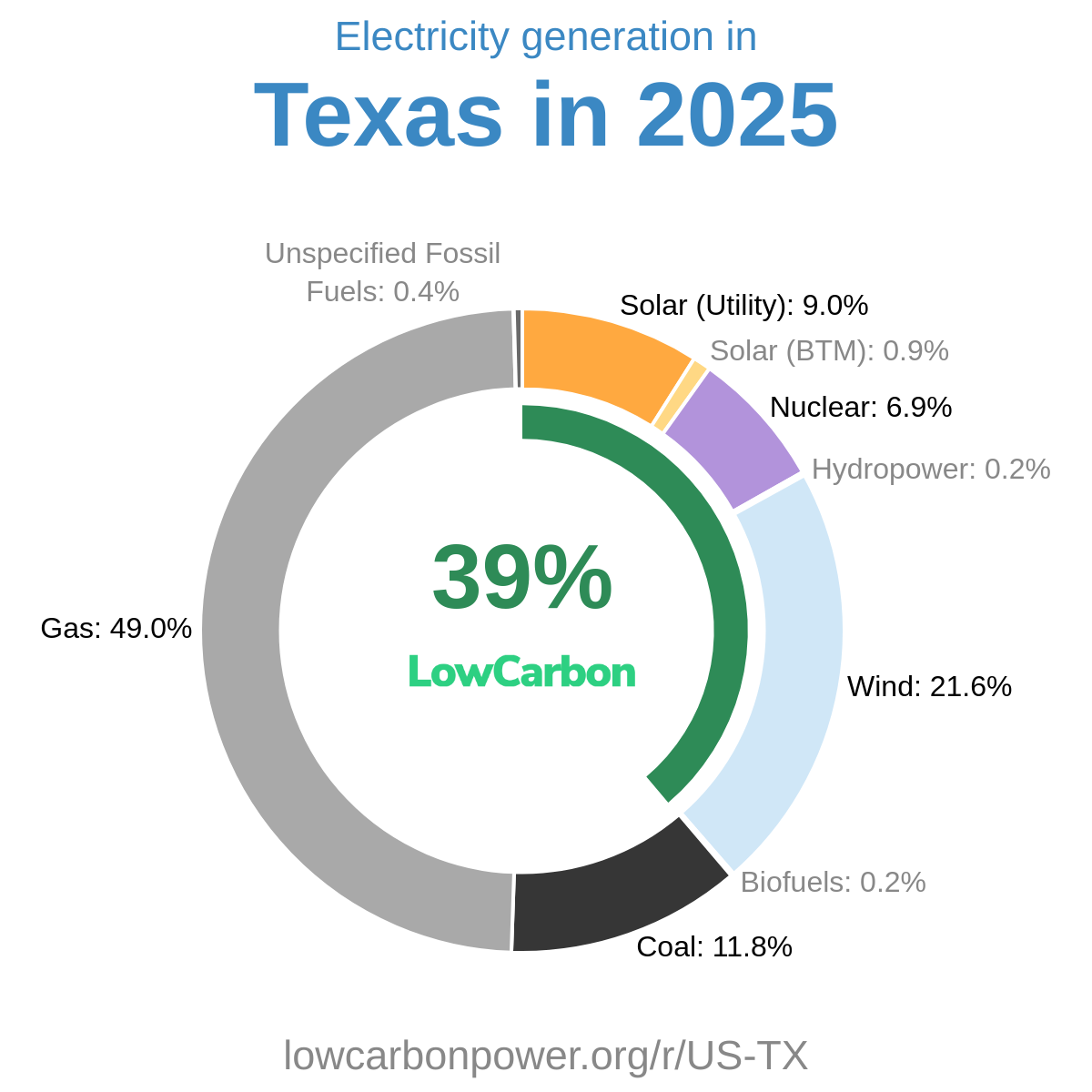
To boost low-carbon electricity generation in French Guiana, a strategic focus on expanding solar and potentially incorporating nuclear energy could be vital, learning from successful regions around the globe. For instance, Nevada in the United States generates more than a third of its electricity through solar, providing a clear model for solar investments. Additionally, neighboring France efficiently uses nuclear energy for around 67% of its electricity generation, highlighting the potential benefits of integrating nuclear energy in French Guiana's energy mix. Embracing these clean energy sources would not only increase the region's sustainable electricity generation but also position French Guiana as a leader in clean energy development.
History
Historically, French Guiana has primarily relied on hydropower to drive its low-carbon electricity production, with steady generation punctuated by minor fluctuations over the decades. In the early 2000s, the region experienced modest shifts, often fluctuating around zero change. Notably, 2006 and 2010 saw positive increases in hydroelectric production, whereas years such as 2003 and 2009 experienced small declines. Solar energy made its initial entry into the energy mix in 2011, and biofuels joined in by 2021, contributing to the diversification of the low-carbon energy portfolio. While maintaining consistency in hydro production, the need to amplify solar and incorporate nuclear energy becomes apparent to ensure a robust and diversified low-carbon future.
Electricity Imports and Exports
Balance of Trade
Nearby Regions