

In 2022, Martinique's electricity consumption leans heavily towards fossil fuels, with over three-quarters of the electricity generation relying on these non-clean sources. Specifically, fossil fuels account for approximately 74% of the electricity mix, which poses significant challenges related to climate change and air pollution. Low-carbon energy sources make up just over a quarter of the total electricity consumption. Among the low-carbon options, biofuels contribute almost 17%, solar energy accounts for 6%, and wind energy contributes nearly 3%. This current distribution underscores the urgent need for Martinique to transition towards cleaner energy solutions, emphasizing solar and nuclear energy to mitigate environmental impacts and secure a sustainable energy future.
Is Electricity Growing in Martinique?
Regarding the trend in electricity consumption in Martinique, recent data raises cause for concern. In 2022, the average electricity consumption was about 4264 kWh per person. This figure is somewhat lower than the 2019 high of 4311 kWh per person, marking a decline of around 46 kWh per person from the previous peak. Despite this overall decrease, it's encouraging to note the slight increase in low-carbon electricity generation, which now stands at 1116 kWh per person, a small but positive change from the 2019 record of 1085 kWh per person. This indicates a gradual shift towards more sustainable electricity generation, although the overall consumption and reliance on fossil fuels must still be addressed through increased low-carbon generation.
Suggestions
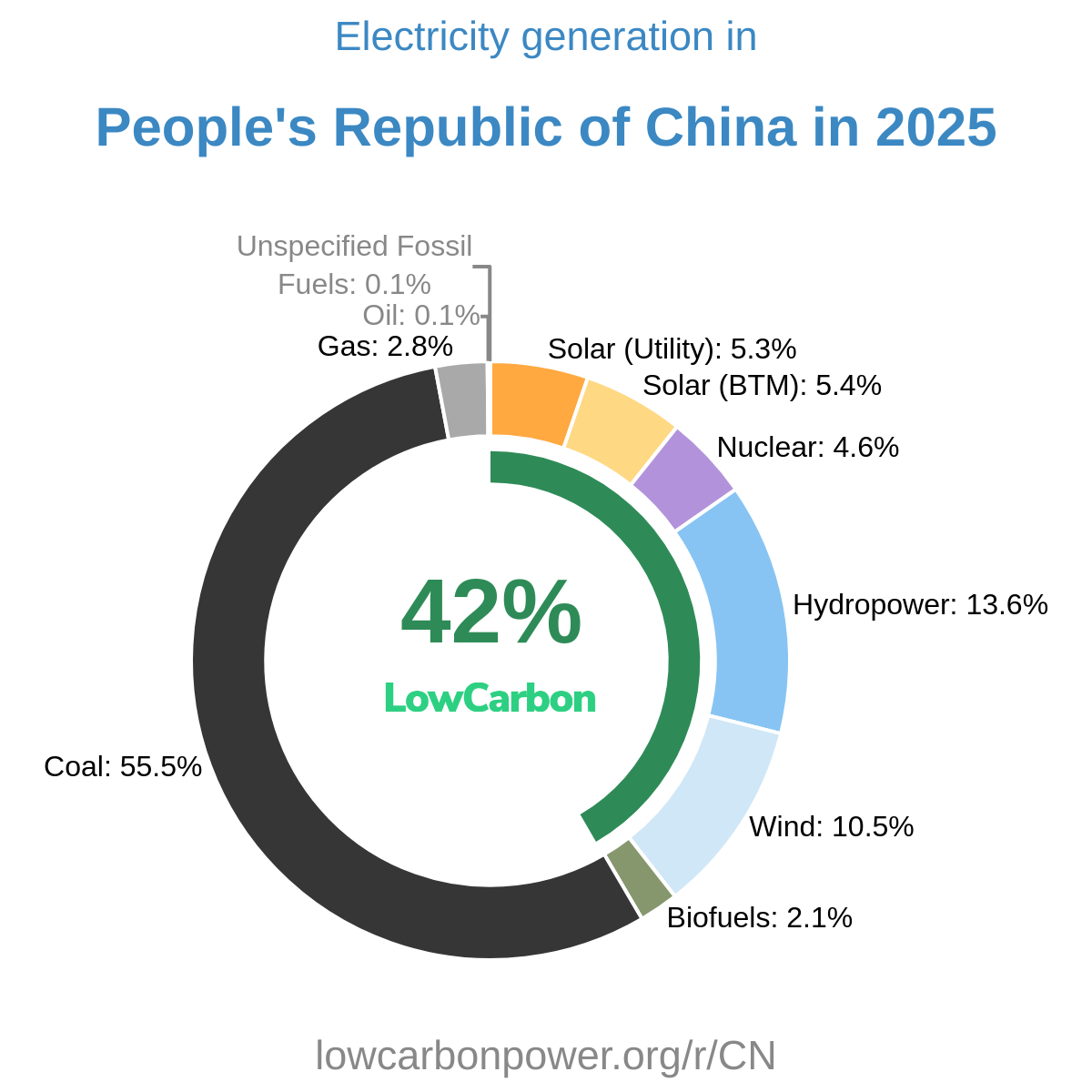
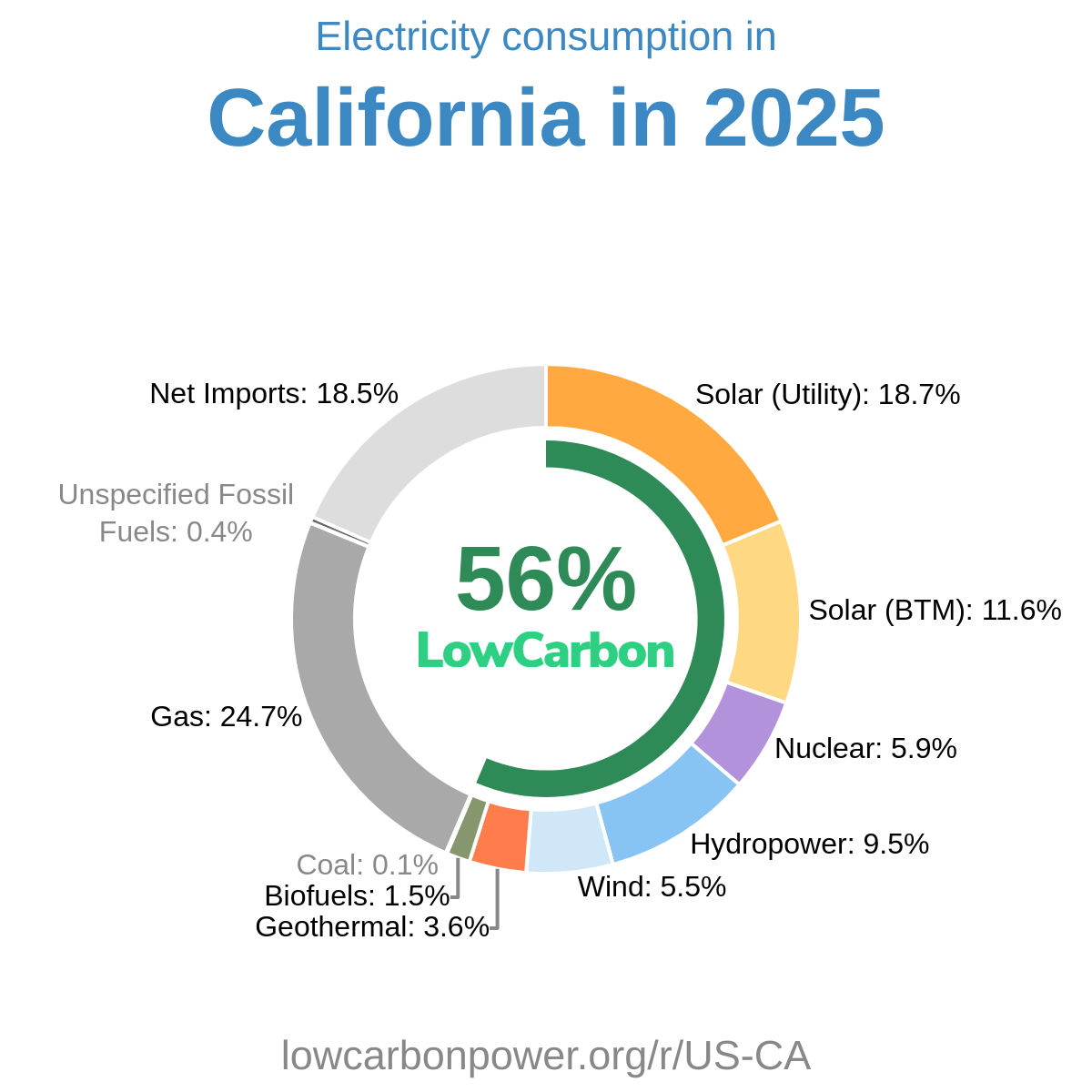
To strengthen its low-carbon electricity generation, Martinique can draw inspiration from the experiences of various regions worldwide. Countries like France have successfully leveraged nuclear power, which makes up a substantial 67% of their electricity generation, demonstrating an effective model for stable, low-carbon energy. Additionally, areas like California and Chile have shown the potential of solar energy, achieving 31% and 24% of their electricity from solar respectively. Martinique, with its abundant sunshine, can significantly benefit from expanding its solar infrastructure. Embracing both solar and nuclear electricity generation will not only help reduce dependence on fossil fuels but also position Martinique for a green and sustainable energy future.
History
Historically, Martinique's journey with low-carbon electricity generation has been sluggish. Throughout the first two decades of the 21st century, there were notable periods where no new low-carbon capacity was added. Specifically, solar electricity generation saw no growth until 2018. Additionally, biofuels experienced minor growth in 2018 and 2019, while wind energy remained stagnant. These incremental increases highlight the largely untapped potential for clean energy in the region. Given the demonstrated success of other regions in expanding clean electricity generation, Martinique should prioritize and accelerate the development of its low-carbon production capacity, championing solar and nuclear energy to create a robust, sustainable power system.
Electricity Imports and Exports
Balance of Trade
Nearby Regions