

In 2022, Nepal's electricity consumption was primarily based on low-carbon sources, with hydropower being the most significant contributor. Hydropower alone accounted for nearly all of the country's low-carbon electricity generation, which totaled about 11 TWh. In comparison to the global average electricity consumption of 3771 kWh per person, Nepal's consumption per capita was quite low, at only 377 kWh per person. This level of consumption is more than 10 times lower than the global average, indicating significant room for growth. Low electricity generation can limit economic development and restrict access to modern amenities and technologies, which are essential for improving living standards and supporting a growing population.
Is Electricity Growing in Nepal?
Nepal is experiencing a positive trend in electricity growth. Between 2021 and 2022, total electricity consumption per person increased from 362 kWh to 377 kWh, marking a rise of 14 kWh per person. This growth was mirrored in the low-carbon sector as well, where per capita consumption increased from 327 kWh to 360 kWh, an impressive improvement of 33 kWh per person. These trends suggest a burgeoning effort to enhance electricity access and capacity, particularly through clean energy sources. However, given the country's low starting point, continued efforts and investments are crucial to sustain this positive momentum and address future energy needs.
Suggestions
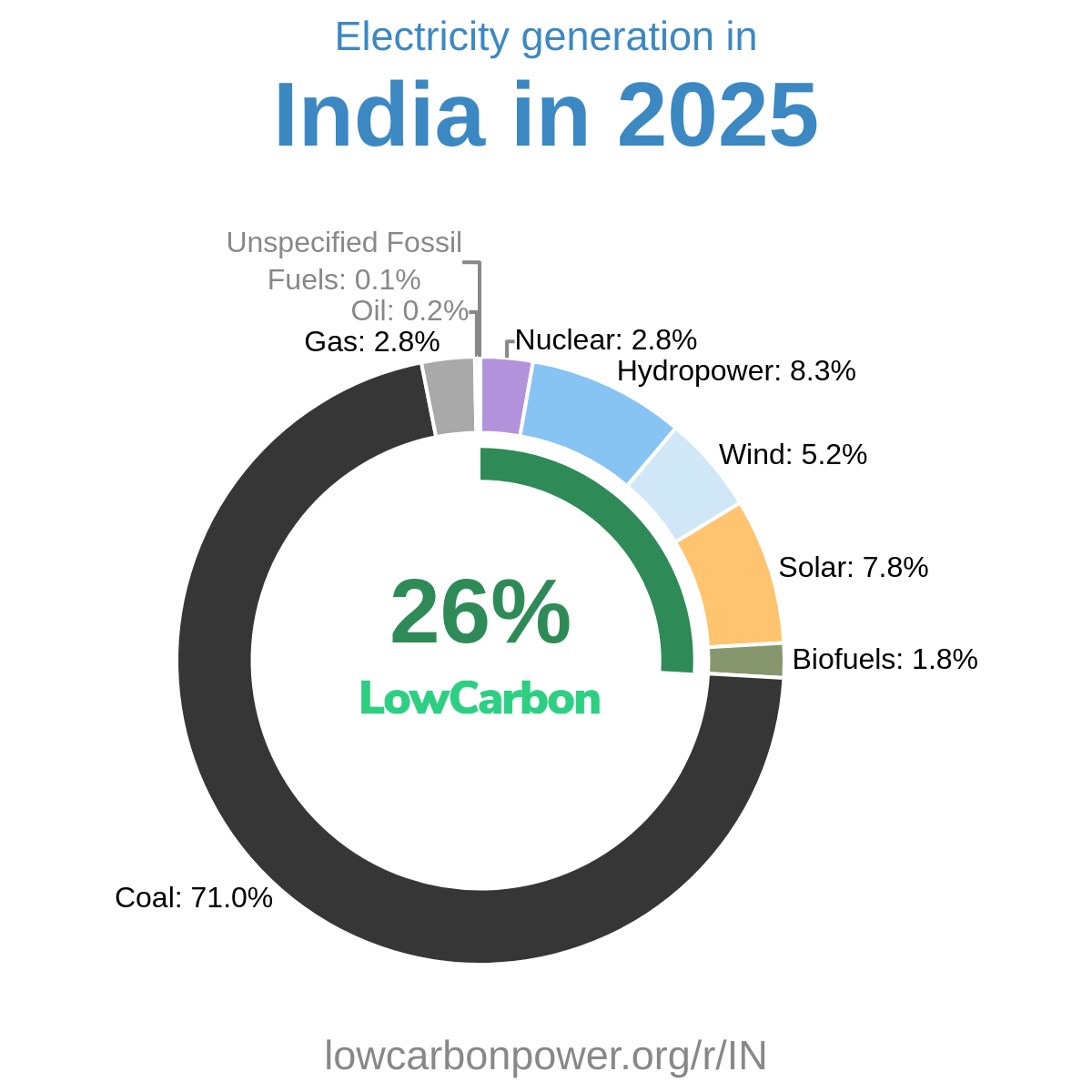
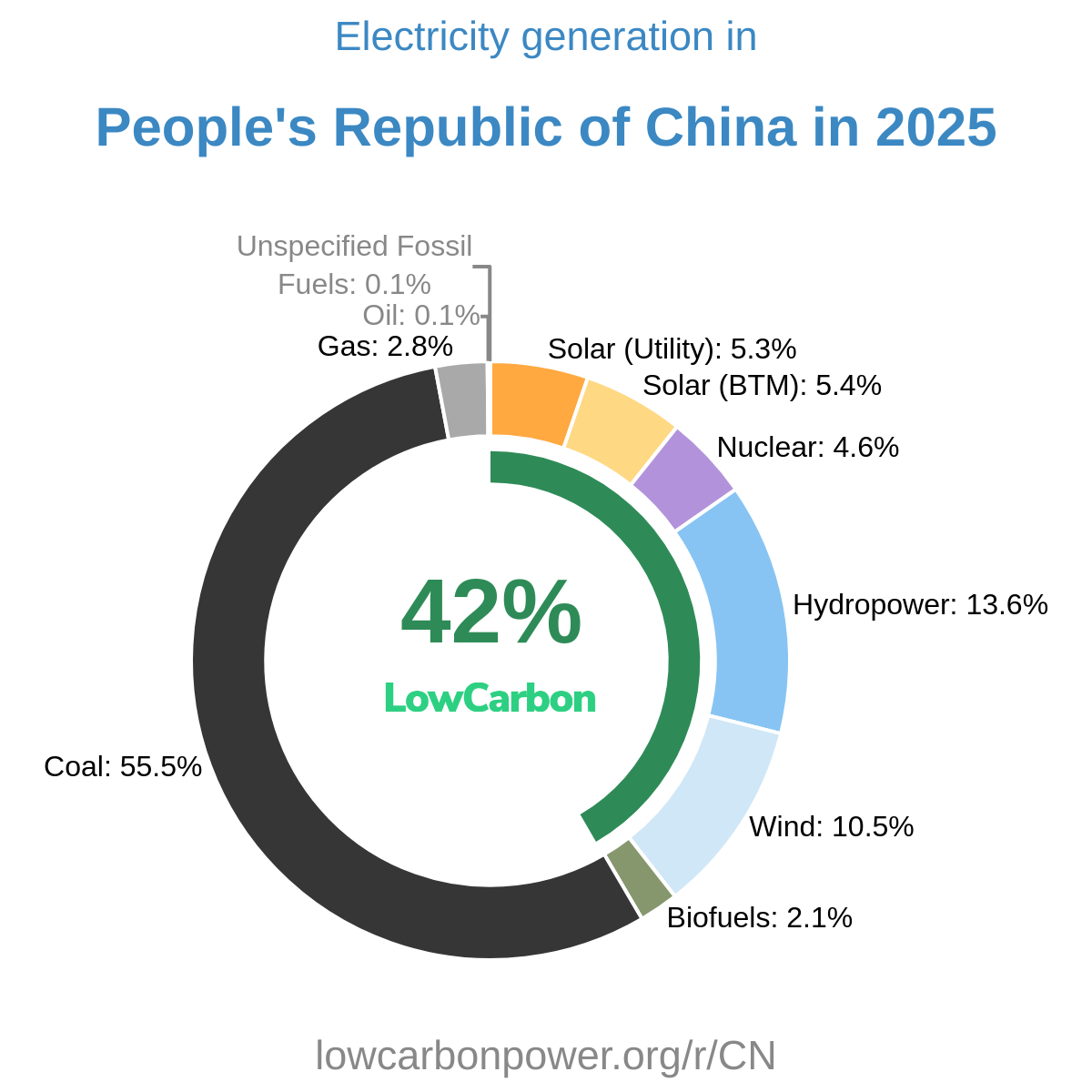
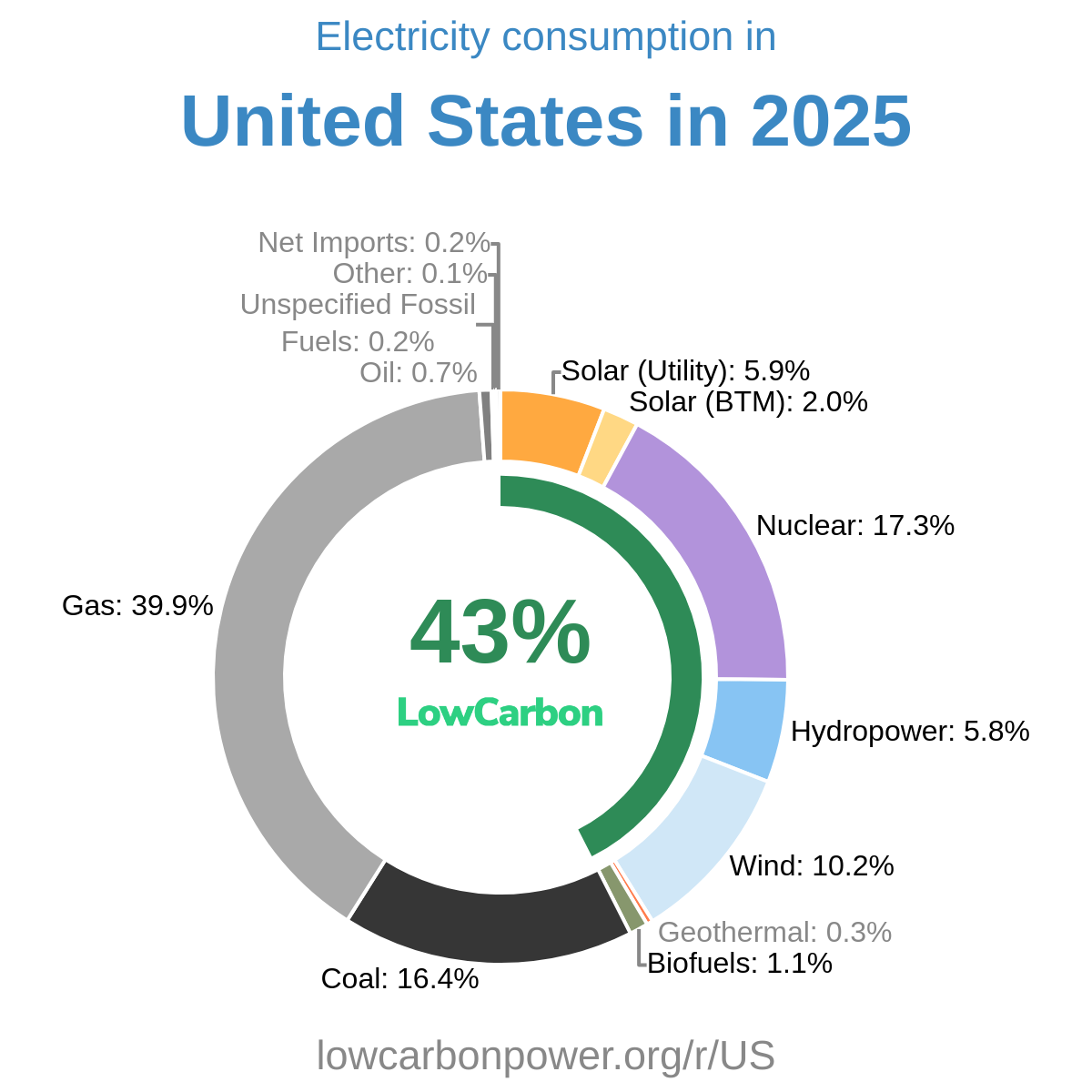
To boost low-carbon electricity generation further, Nepal can look towards successful regions around the world. For instance, the People's Republic of China has made significant strides in both solar and wind energy, generating over 1200 TWh and 1100 TWh respectively. Meanwhile, countries like the United States and France serve as excellent examples in nuclear energy, generating hundreds of TWh annually. For Nepal, expanding solar energy capacity is vital due to its geographical benefit of high solar radiation. Inspired by India's achievements in solar, with 182 TWh, and wind, at 121 TWh, Nepal can also enhance its solar and wind infrastructures. Additionally, embracing nuclear energy, which is a reliable and high-capacity energy source, as demonstrated by France and the United States, could significantly improve Nepal's energy security and sustainability.
History
In the decades leading up to the present, Nepal’s journey with low-carbon electricity has seen various phases, with hydropower being the mainstay. Starting in 1990, Nepal saw moderate and consistent growth with minor fluctuations in hydropower generation. In the late 20th century, the focus was primarily on a gradual increase, typically around 0.2 to 0.4 TWh annually, with an occasional dip, such as in 1997 and 2015. A notable surge occurred post-2016, marked by significant additions to capacity – especially in 2019 and 2021, with increases of 1.2 TWh and a remarkable 3.4 TWh respectively. This growth trajectory reflects Nepal's long-term commitment to enhancing its low-carbon electricity capacity, with hopes for further expansion in the upcoming years to meet increasing demand and ensure environmental sustainability.
Electricity Imports and Exports
Balance of Trade
Nearby Regions