

Electricity in Oman in 2025/2026
In Oman, the current state of electricity consumption is entirely dependent on fossil fuels, with gas accounting for 100% of the country's electricity production. This singular reliance on fossil energy means that there is no contribution to electricity generation from low-carbon sources such as solar, nuclear, or wind. Throughout the last twelve months, from April 2025 to March 2026, Oman has not diversified its electricity supply, and all electricity is produced using gas. This scenario highlights the urgent need for Oman to transition towards more sustainable and cleaner energy sources to mitigate environmental impacts associated with fossil fuel consumption, such as climate change and air pollution.
Is Electricity Growing in Oman?
The increase in electricity consumption in Oman is evident, as the latest numbers indicate that the total electricity consumption per person is 9801 kWh, which is a rise from the previous record of 9528 kWh per person in 2025. This represents a change of 273 kWh per person, demonstrating a growing demand for electricity. However, this growth is accompanied by a worrying decline in low-carbon electricity generation. In 2026, the contribution from clean energy sources dropped to 0 kWh per person from the previous record in 2024 of 363 kWh per person, marking a decline of 363 kWh per person. This decline in sustainable electricity highlights a missed opportunity in transitioning towards cleaner energy and poses environmental concerns due to increased reliance on fossil fuels.
Suggestions
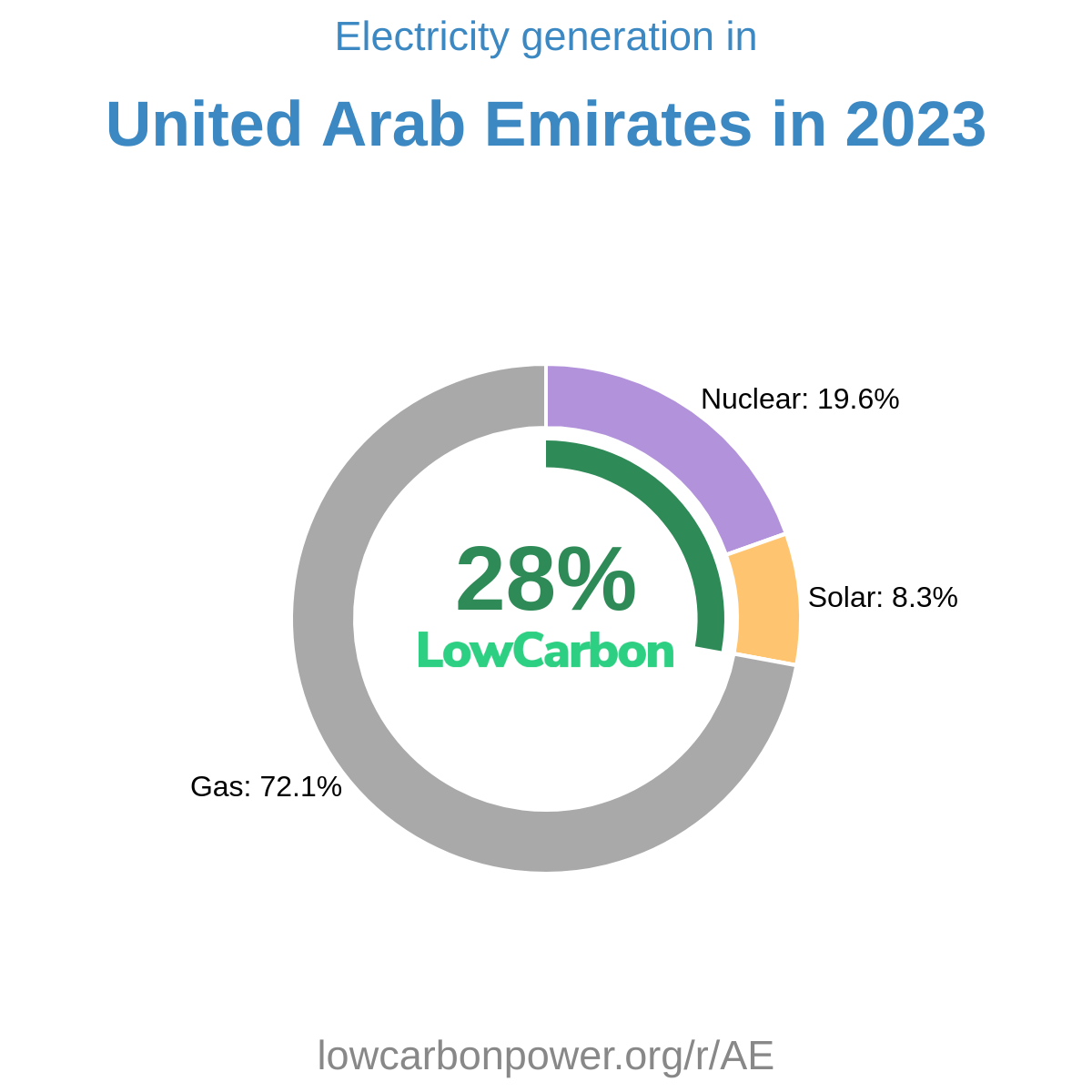
To improve low-carbon electricity generation, Oman can learn from regions successfully leveraging solar and nuclear energy. Countries like the United Arab Emirates and nuclear power-reliant France, where nuclear electricity accounts for more than 65%, provide apt examples of how nuclear power can form a significant part of the energy mix. Similarly, solar energy plays a prominent role in states like Nevada and countries like Morocco, showing Oman the potential of harnessing solar energy. By investing in solar infrastructure and considering nuclear energy as key components of the energy policy, Oman can significantly increase its share of clean electricity and thereby enhance its energy security and environmental sustainability.
* 12M = Last 12 months (Apr 2025 – Mar 2026) — a rolling 12-month period, not a calendar year.
History
Historically, Oman's low-carbon electricity generation journey has been marked by limited activity. From 2013 to 2019, the country saw no change in solar electricity generation. It was only in 2020 that minor progress began, with a modest increase of 0.2 TWh from solar and 0.1 TWh from wind energy. The years following saw slight increments in solar electricity, peaking in 2022 with an increase of 0.9 TWh. However, the growth was short-lived, as subsequent years reverted to zero growth for both solar and wind energy. This stagnation in low-carbon electricity development underscores the need for Oman to actively pursue and sustain investments in solar and nuclear energy to ensure a cleaner and more resilient energy future.
* 12M = Last 12 months (Apr 2025 – Mar 2026) — a rolling 12-month period, not a calendar year.
Electricity Imports and Exports
Balance of Trade
* 12M = Last 12 months (Apr 2025 – Mar 2026) — a rolling 12-month period, not a calendar year.
Nearby Regions