

Electricity in Qatar in 2024
In Qatar, the landscape of electricity consumption in 2024 is heavily dominated by fossil fuels, specifically natural gas, which constitutes almost the entirety of electricity generation at around 99.76%. Low-carbon or clean energy sources make up a minuscule fraction of the total electricity mix, accounting for just 0.24%. This heavy reliance on fossil fuels poses significant challenges, especially considering the environmental impacts and the urgent need to transition towards more sustainable sources of electricity to mitigate climate change and reduce air pollution.
Is Electricity Growing in Qatar?
Electricity consumption in Qatar has seen noticeable growth. In 2024, the per capita electricity consumption reached 19,593 kWh, which marks an increase of 864 kWh per person compared to the last notable record in 2022. However, the growth in low-carbon electricity has not mirrored this trend. The latest figures show a decrease in low-carbon electricity generation to 47 kWh per person, a drop of 7 kWh from the previous record in 2021. While overall electricity usage is expanding, the minimal growth and even regression in clean energy adoption is disheartening, highlighting an area that requires focused attention and development.
Suggestions
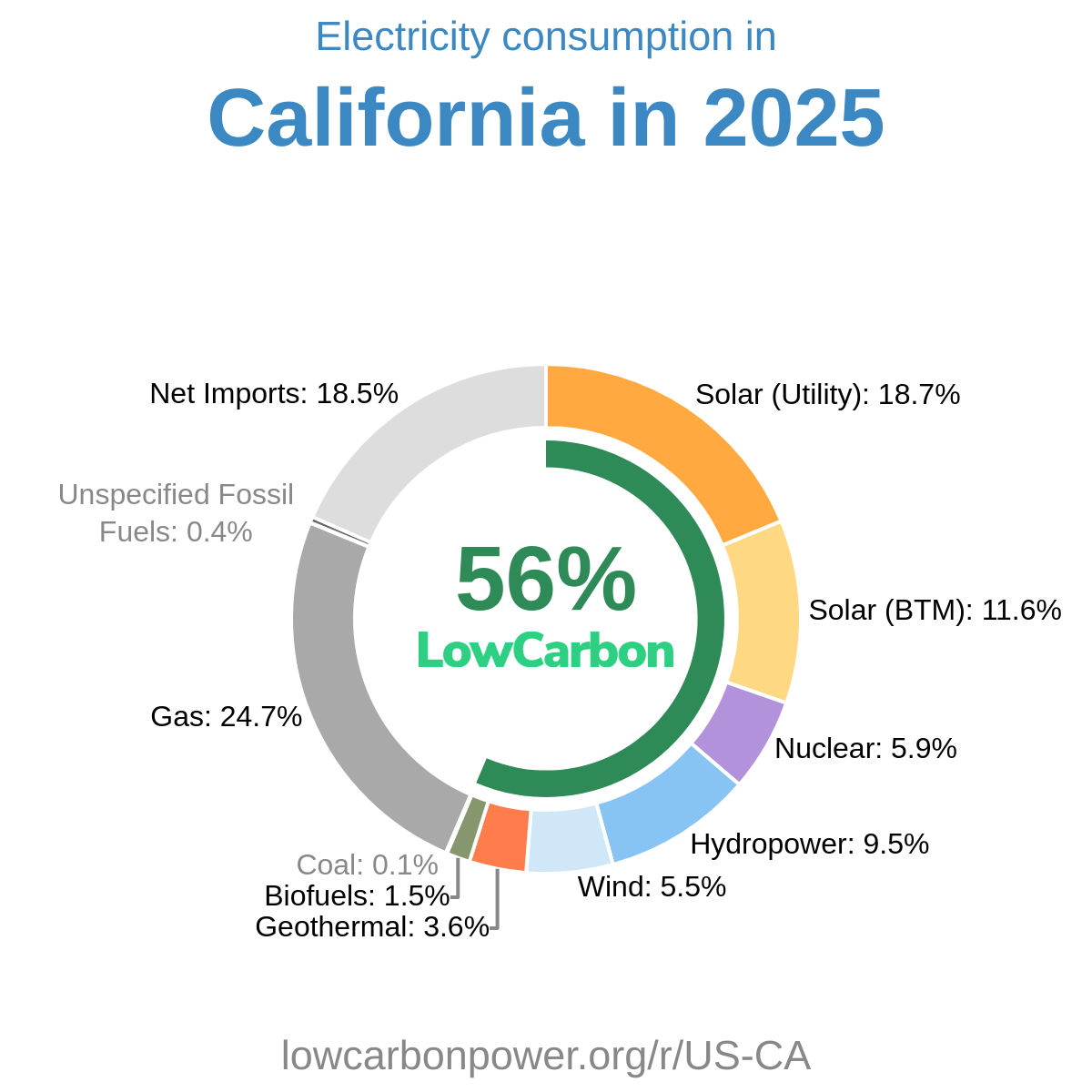
To increase low-carbon electricity generation, Qatar can look to successful regions worldwide that have excelled in harnessing solar and nuclear power. Countries such as France and Slovakia demonstrate the potential of nuclear energy, generating over 65% of their electricity through this robust and reliable clean energy source. In terms of solar energy, regions like Nevada and California achieve substantial shares of their electricity generation from solar, proving its feasibility and effectiveness. By diversifying its energy mix to incorporate both solar and nuclear energy, Qatar can not only increase its low-carbon electricity generation but also ensure a more sustainable and environmentally friendly electricity future.
History
Historically, Qatar's low-carbon electricity generation has stagnated significantly in the past few years. From 2020 to 2024, the contribution of biofuels and solar energy to electricity remained unchanged at zero growth annually. This period shows little effort toward advancing clean electricity generation, a situation that contrasts with the urgent needs of the present energy landscape. To transform this stagnant history, focusing on expanding both the nuclear and solar sectors will be crucial in establishing a robust and clean electricity infrastructure for the future. Such advancements are vital to not only meet the growing electricity demands but also to reduce the reliance on fossil fuels.
Electricity Imports and Exports
Balance of Trade
Nearby Regions