

Electricity in Saudi Arabia in 2023
Saudi Arabia’s electricity consumption in 2023 was overwhelmingly supplied by fossil fuels, which accounted for almost 99% of the total. Gas alone supplied about 63%, or nearly two-thirds, of electricity. Low-carbon sources contributed just over 1%, with solar providing about 1% of total electricity consumption. This leaves substantial room to expand clean electricity and reduce dependence on fossil fuels, along with their climate-changing emissions and air pollution.
Is Electricity Growing in Saudi Arabia?
Electricity consumption per person is growing, although the latest increase was modest. In 2023, it reached approximately 12,700 kWh per person, exceeding the previous record set in 2021 by about 170 kWh per person, or roughly 1%. Low-carbon electricity generation grew much faster: it reached 173 kWh per person, compared with the previous record of 71 kWh in 2022—an increase of about 103 kWh per person, making the latest level more than twice the earlier record. This clean electricity growth is encouraging, but sustained expansion is needed to meet future demand from electrification and AI.
Suggestions
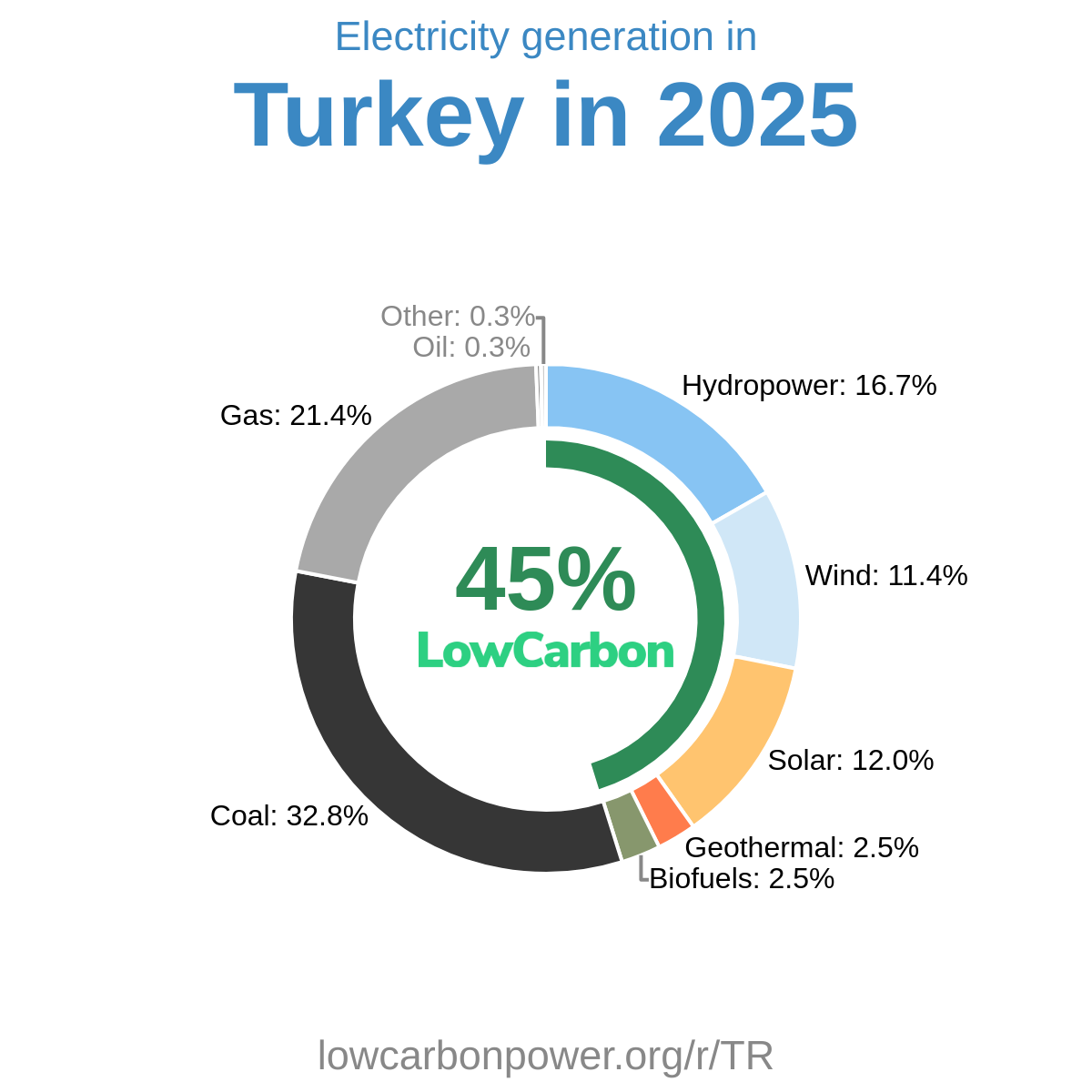
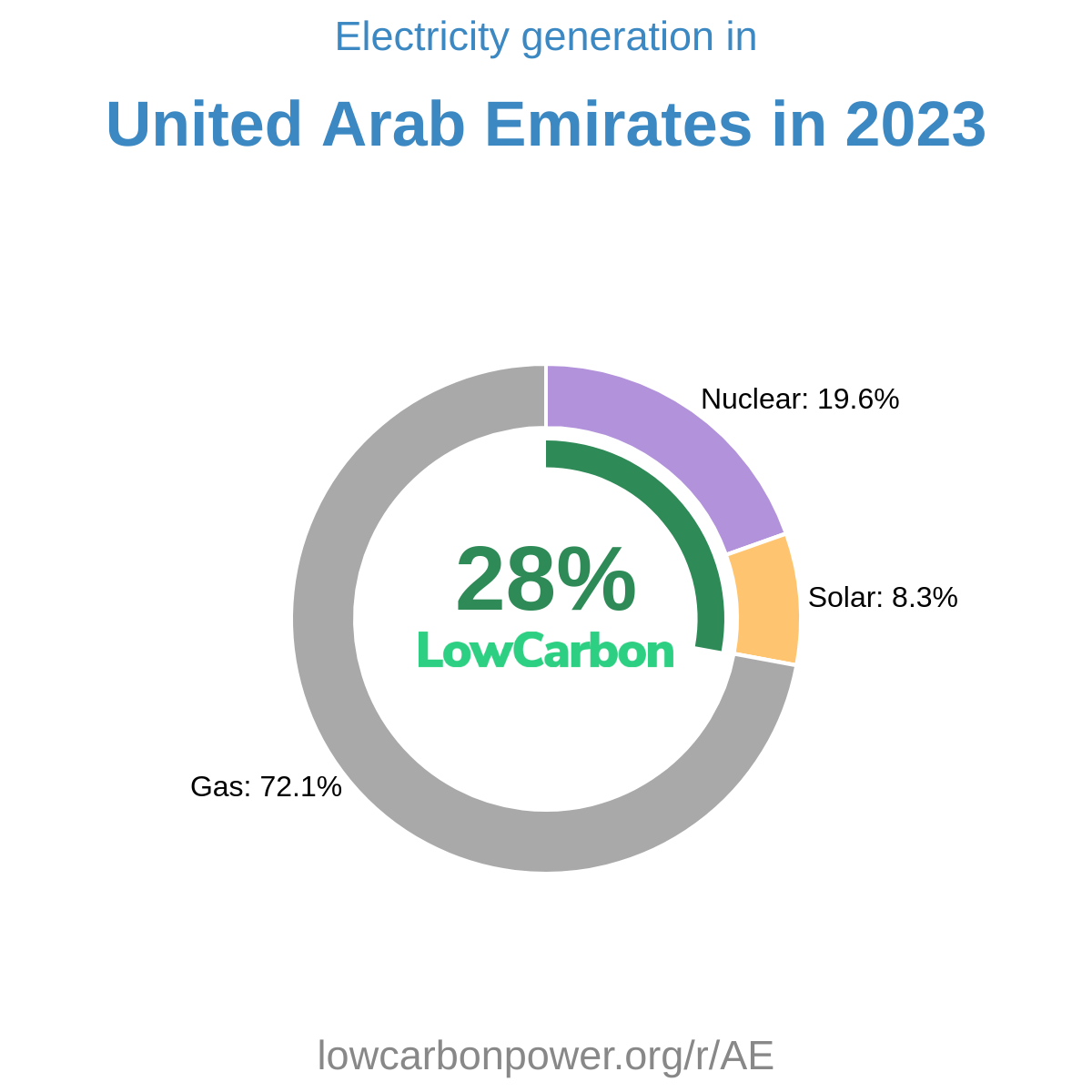
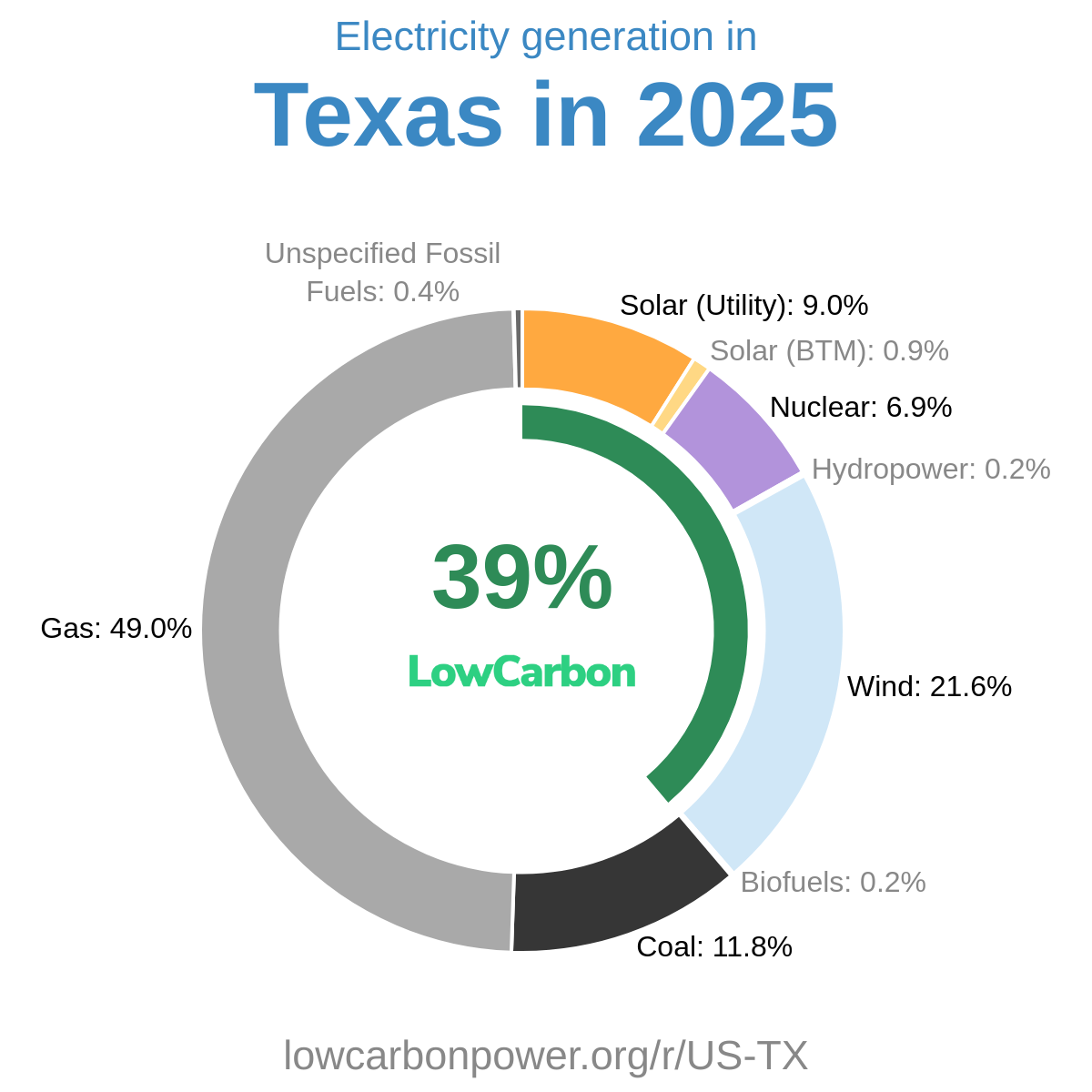
Saudi Arabia can accelerate low-carbon electricity generation by expanding solar, developing nuclear power, and adding wind generation in suitable locations. Its sunny climate makes the US states of Nevada and Arizona useful solar references: solar supplies about 35% and 19% of their electricity generation, respectively. Nearby Jordan, with about 15% from solar, offers another relevant example. For nuclear power, the United Arab Emirates is an especially relevant regional model, generating about one-fifth of its electricity from nuclear, while France demonstrates how nuclear can supply roughly two-thirds. Wind can complement these sources: Morocco generates about one-fifth of its electricity from wind, offering lessons in developing strong wind resources. Combining these approaches with expanded grids would help Saudi Arabia build a much larger clean electricity supply.
History
Saudi Arabia’s recorded low-carbon electricity growth was limited throughout the 2010s. Solar generation showed no reported annual increase from 2010 through 2014, followed by small additions of 0.1 TWh in both 2015 and 2019, with no reported increases in the intervening years. Momentum strengthened in the early 2020s: solar generation increased by 0.6 TWh in 2021, wind added 1.4 TWh in 2022, and solar delivered a much larger increase of 3.5 TWh in 2023. Other reported solar and wind changes during 2020–2023 were zero. The recent solar acceleration is a welcome shift after years of limited progress and provides a strong foundation for continued clean electricity expansion.
Electricity Imports and Exports
Balance of Trade
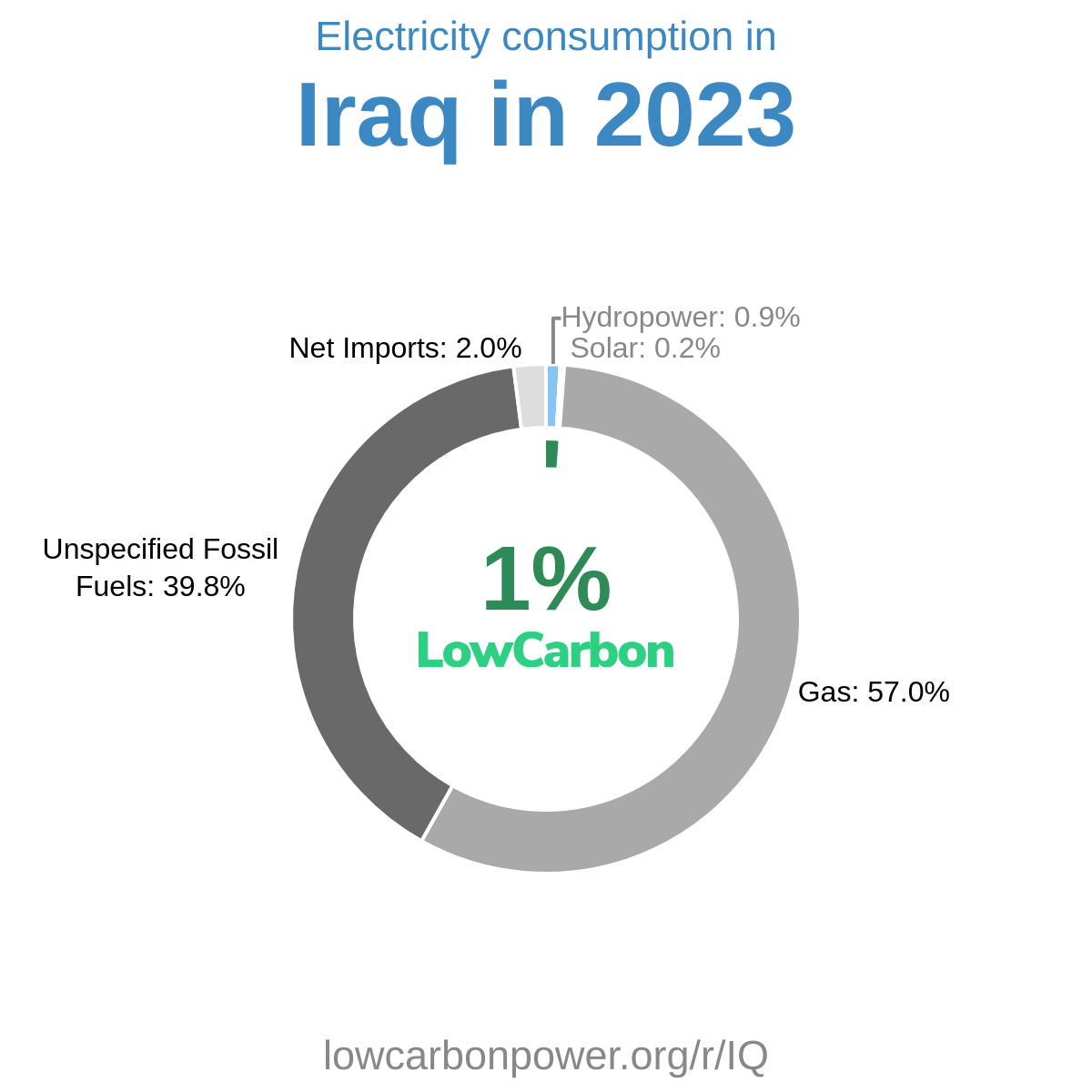
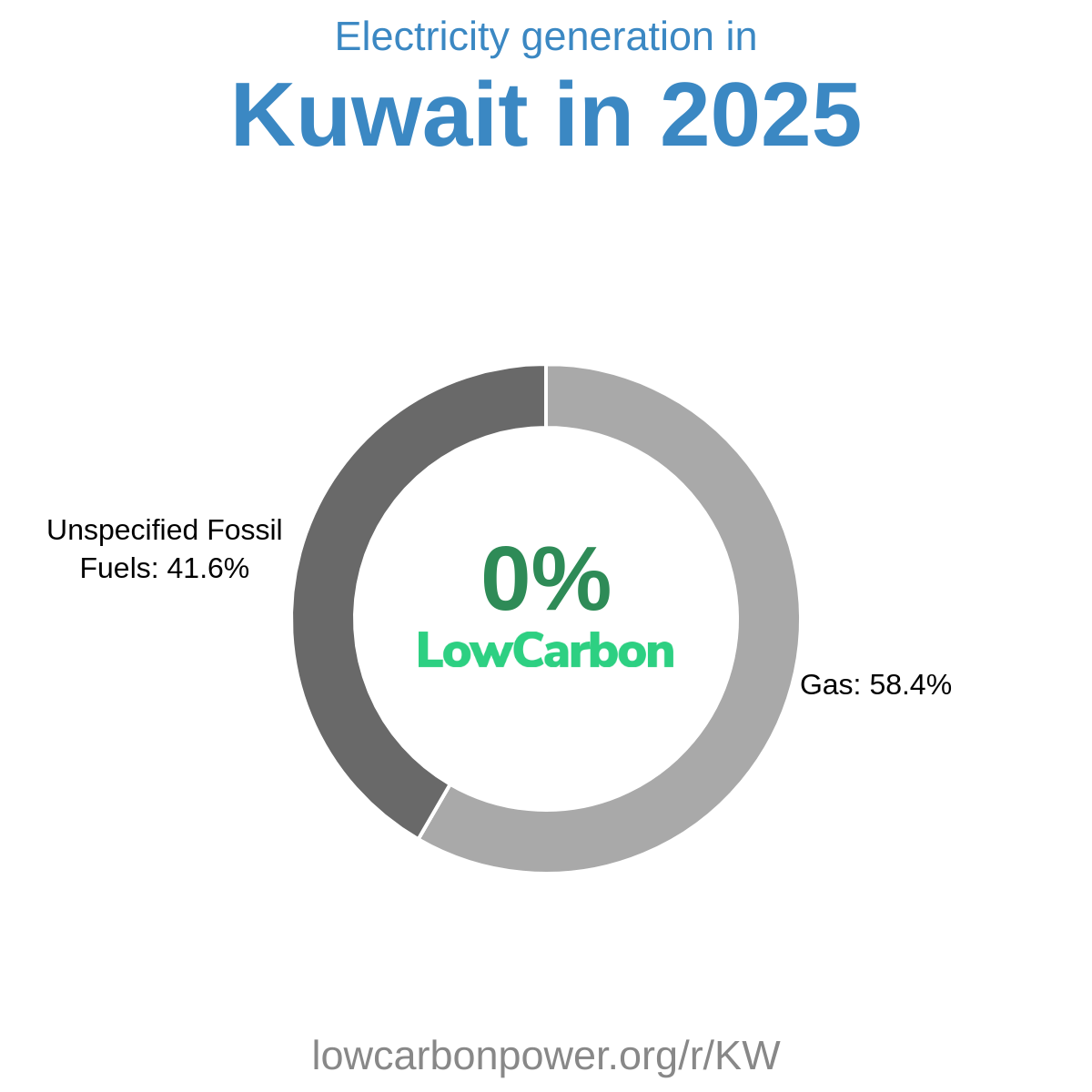
Nearby Regions