

Electricity in Solomon Islands in 2023
In the Solomon Islands, electricity consumption in 2023 is remarkably low, with each person using only about 138 kWh annually. When breaking down the sources of this electricity, more than 90% comes from fossil fuels, while low-carbon sources contribute only a small fraction, around 13 kWh per person. This is in stark contrast to the global average electricity consumption of about 3794 kWh per person. Such low levels of electricity generation can have significant effects, potentially stunting economic development, affecting quality of life, and limiting access to modern healthcare and education resources. This also means the Solomon Islands remain heavily reliant on fossil fuels, which contributes to climate change and air pollution.
Is Electricity Growing in Solomon Islands?
Electricity consumption in the Solomon Islands shows a concerning trend. The latest data from 2023 indicates a decline in overall electricity use from the previous record reached in 2007. Total consumption has decreased by around 22 kWh per person since then. Low-carbon electricity generation, however, remains stagnant at 13 kWh per person, unchanged from the recent peak in 2022. This lack of growth in clean energy is troubling, especially when set against the backdrop of climate change and the global transition towards sustainable energy systems. While the rest of the world is increasing its focus on low-carbon energy, the Solomon Islands' situation raises concerns about future energy security and environmental sustainability.
Suggestions
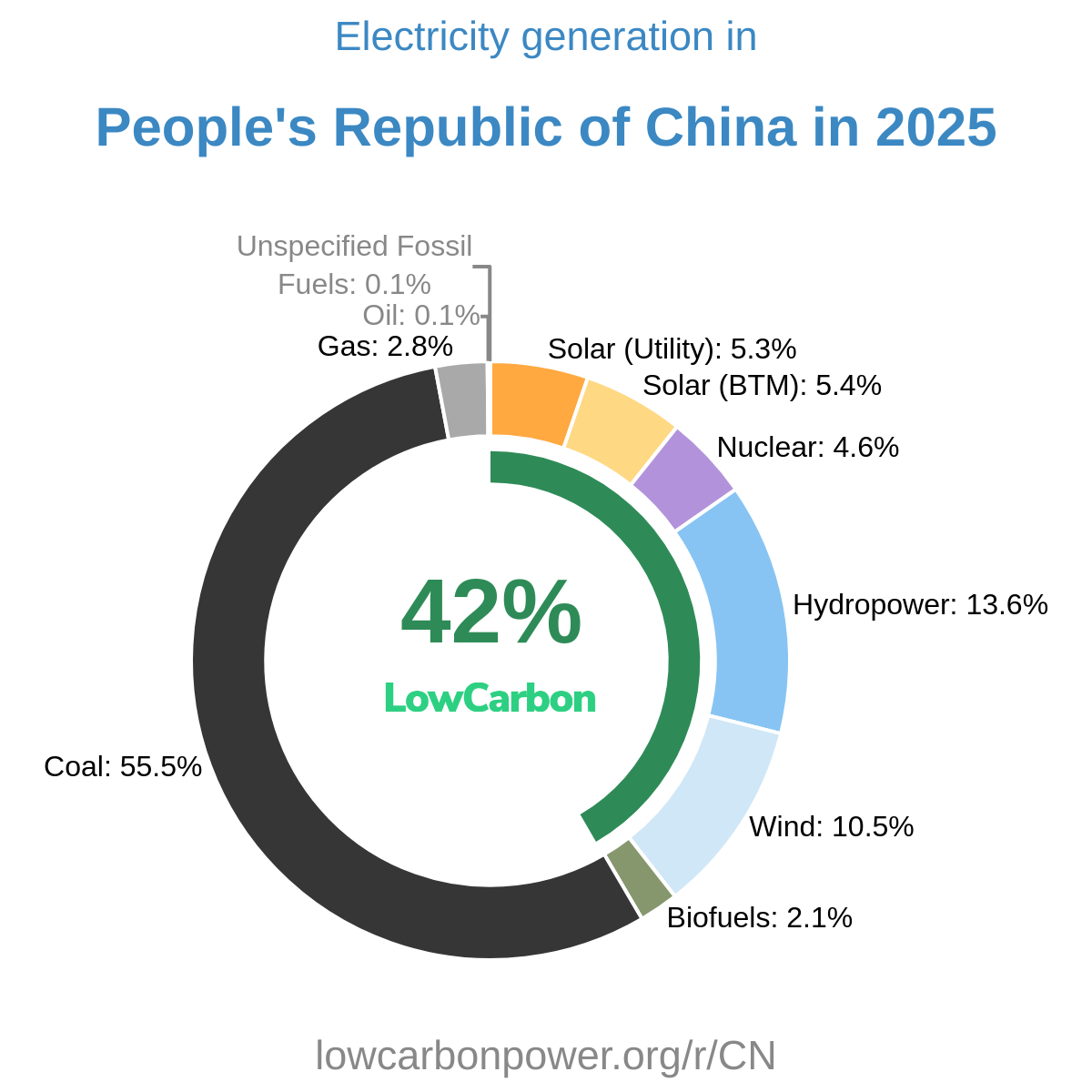
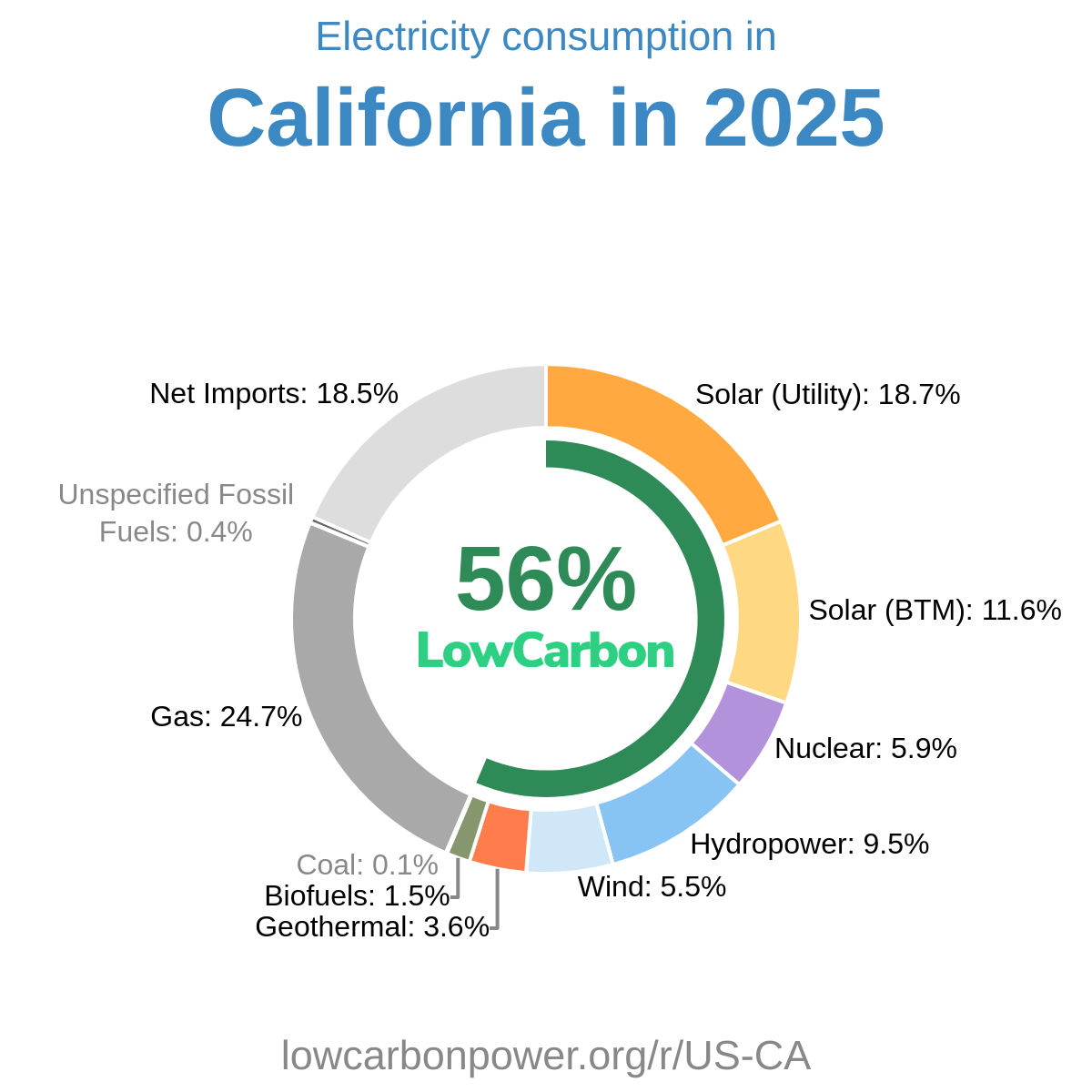
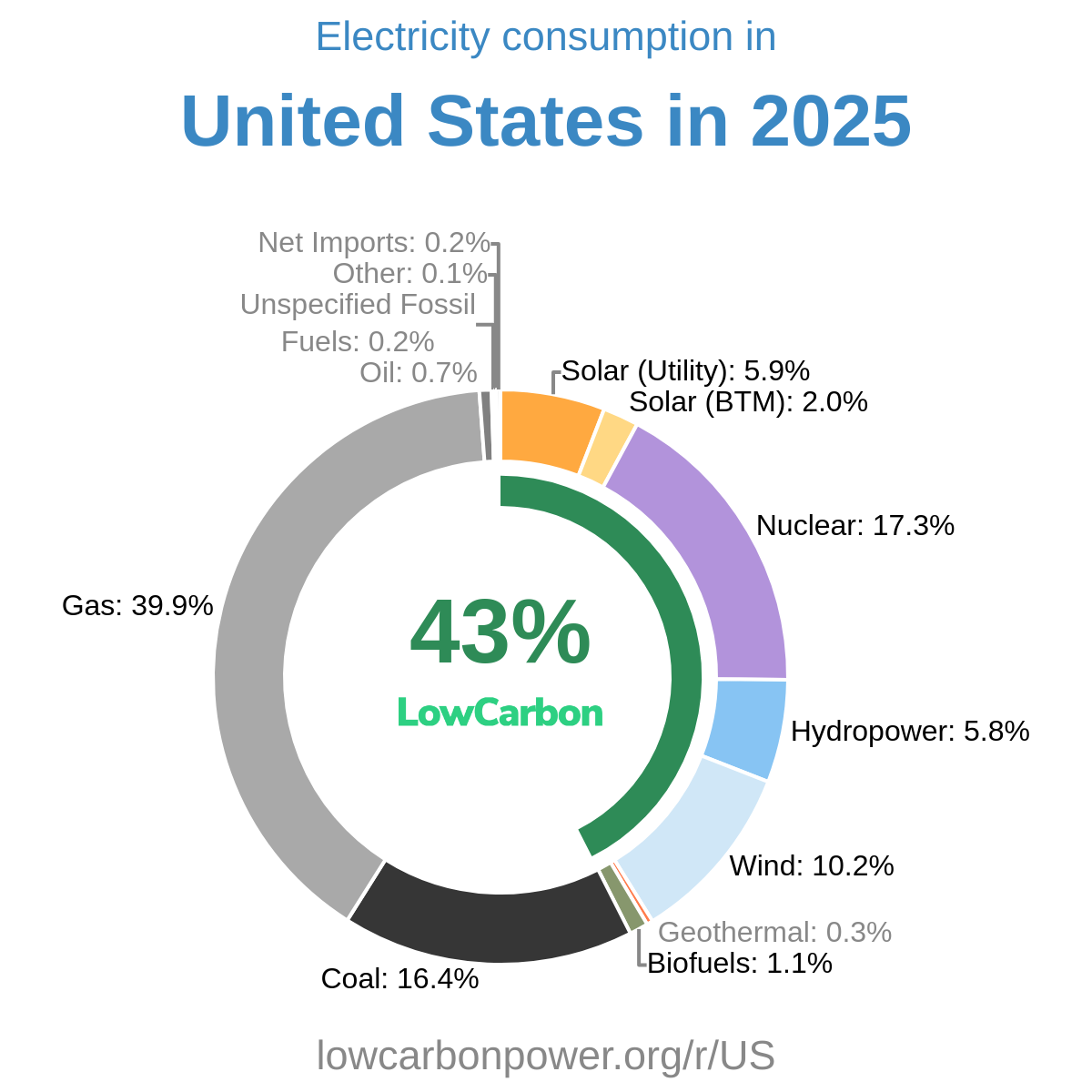
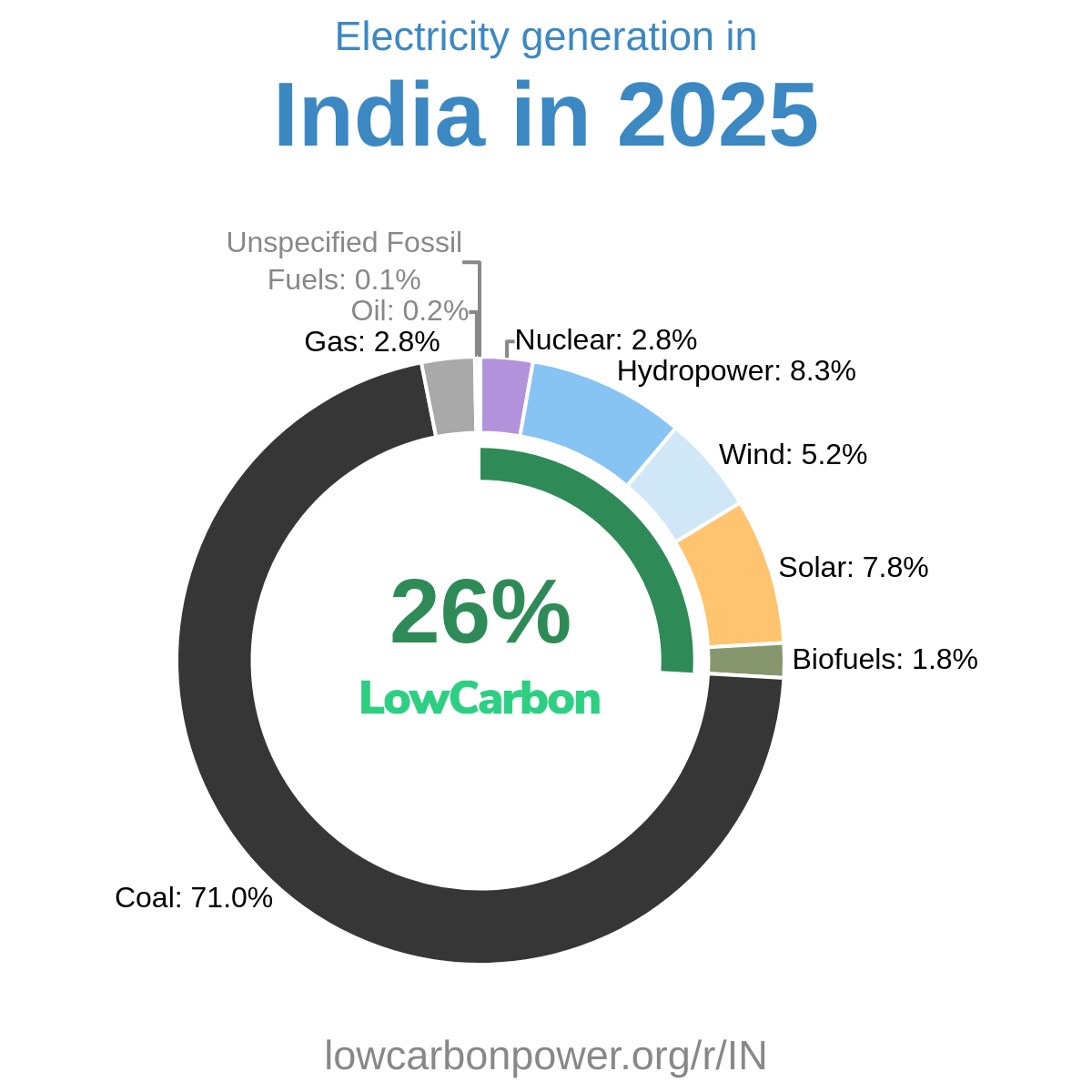
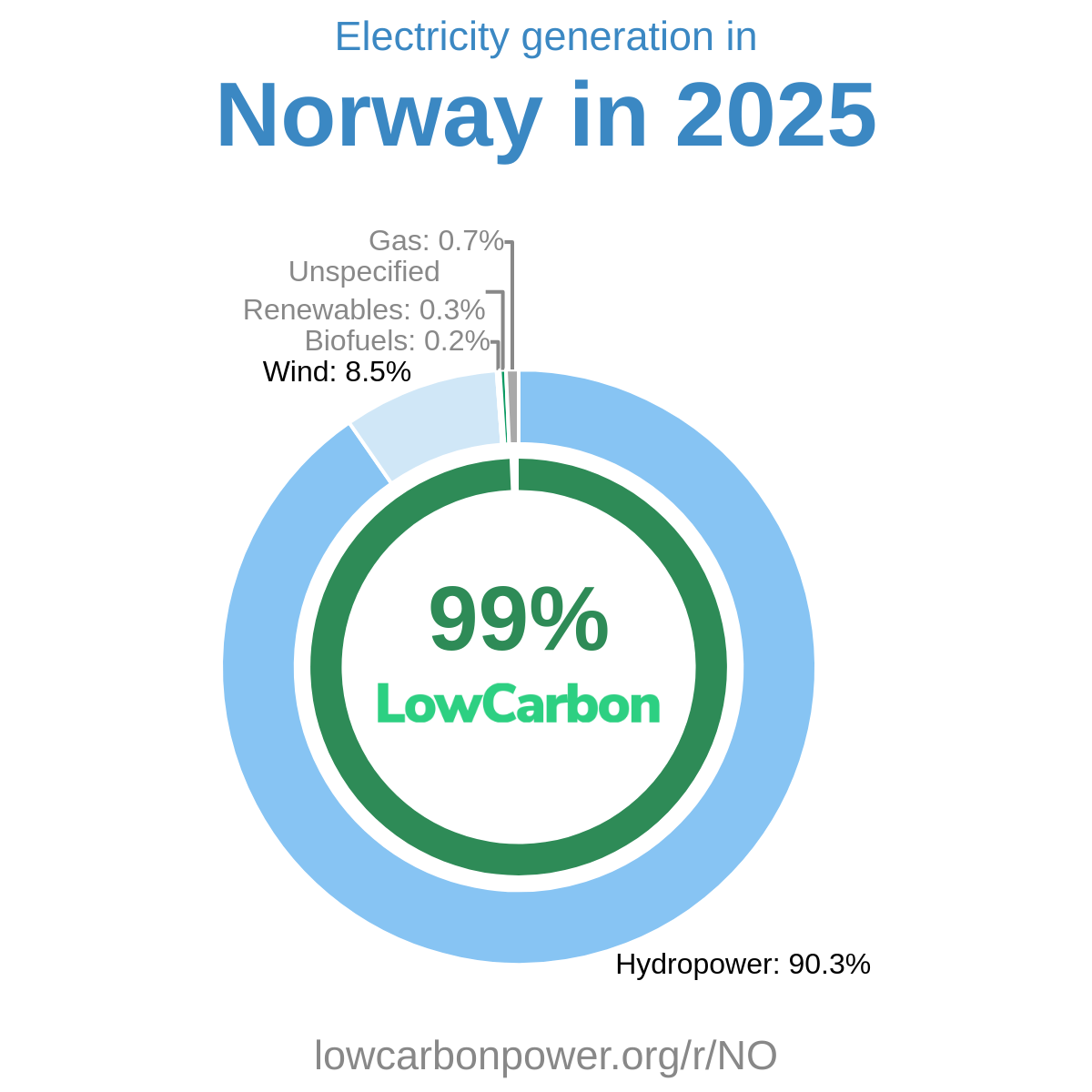
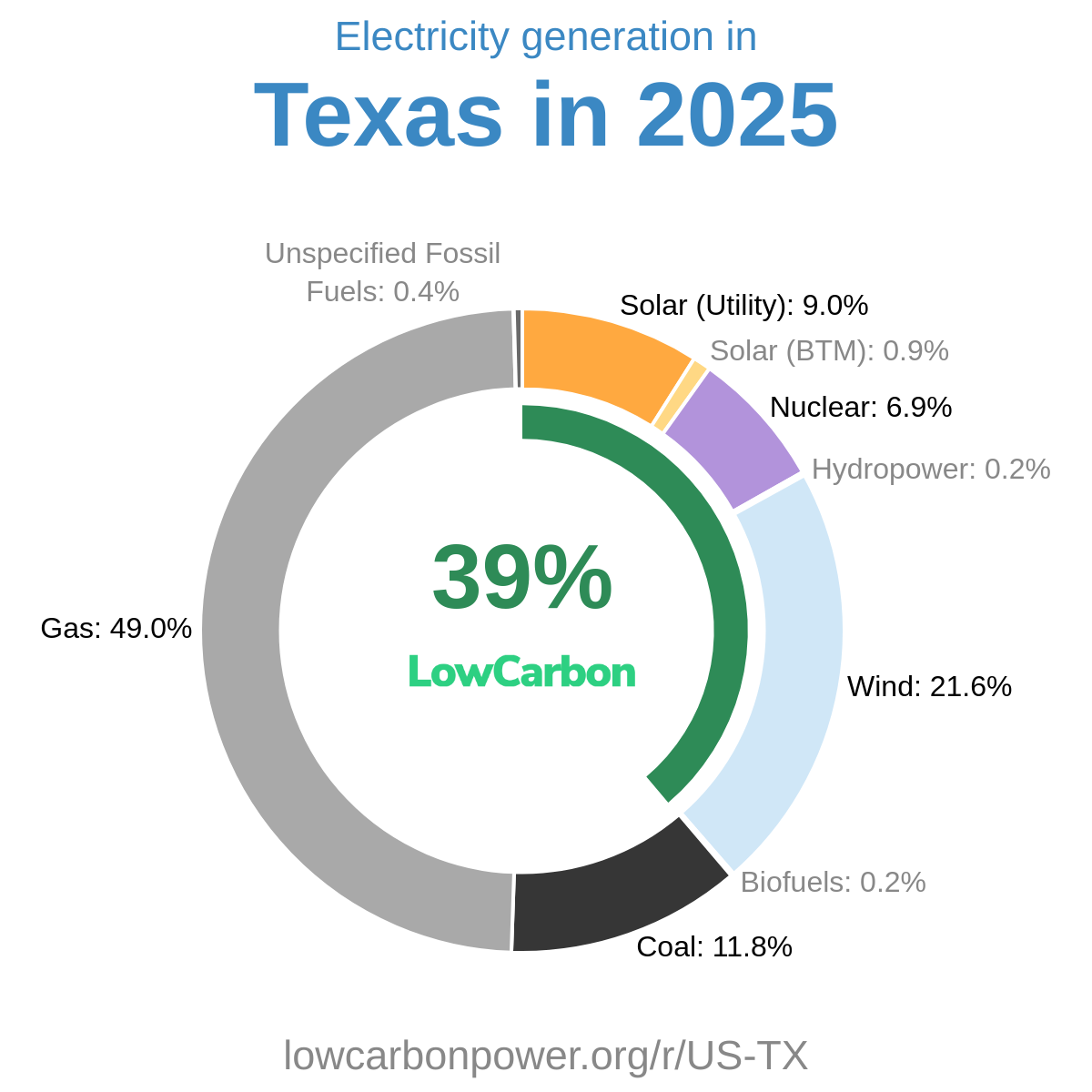
The Solomon Islands can take several strategic measures to increase their low-carbon electricity generation. By looking at successful regions, they can consider investing in solar and wind energy, following the examples of China and India for solar and Texas or Germany for wind. Additionally, nuclear energy, as seen in the United States and France, offers a stable and abundant source of clean electricity that could be vital for the future. These regions have demonstrated that through strategic investments and policies, rapid growth in low-carbon electricity is achievable. Prioritizing solar installations, harnessing wind power, and exploring the potential of nuclear energy can provide the Solomon Islands with reliable, sustainable energy while reducing their dependency on fossil fuels.
History
The history of low-carbon electricity in the Solomon Islands reflects little progress over the years, particularly in recent times. In 2022 and 2023, records indicate no change in solar power generation, highlighting a decade where development in sustainable energy practices has been stagnant. This is a critical area where the Solomon Islands could focus their efforts, especially given the rising importance of green energy solutions worldwide. Investing in solar and potentially exploring future options for nuclear energy will not only align with global trends but also ensure a clean, self-sufficient energy future for the nation. Without proactive measures, the Solomon Islands risk falling further behind in the urgent shift towards low-carbon energy solutions.
Electricity Imports and Exports
Balance of Trade
Nearby Regions