

Electricity in St. Pierre & Miquelon in 2022
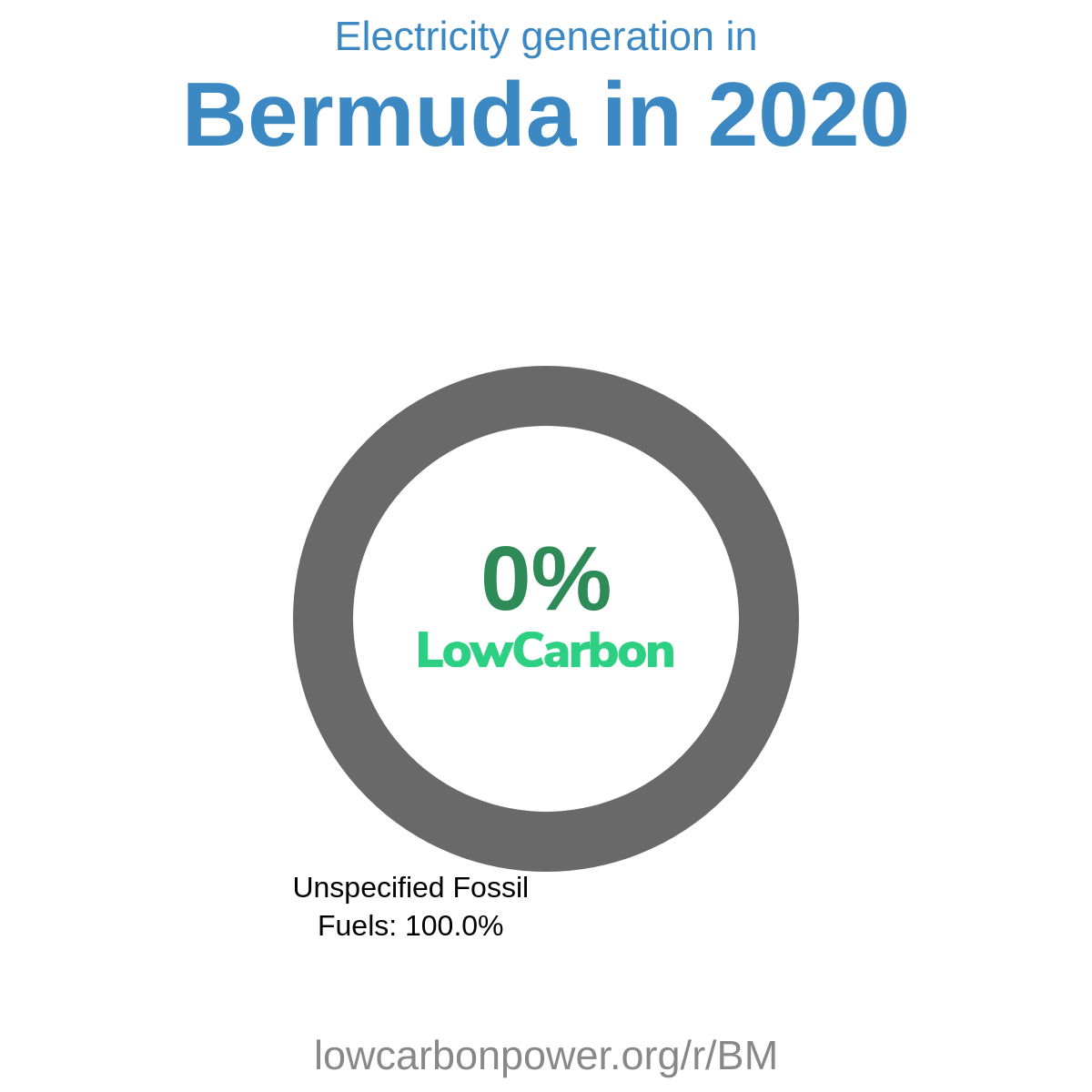
In 2022, electricity consumption in St. Pierre & Miquelon relied entirely on fossil fuels, with 100% of its electricity generation coming from these sources. This means there is currently no low-carbon or clean energy used for electricity generation in the region, which is concerning given the global emphasis on reducing carbon emissions and combating climate change. The complete dependency on fossil fuels implies significant room for improvement, as transitioning to low-carbon sources can lead to reduced greenhouse gas emissions and improved air quality. The reliance on fossil fuels is not sustainable in the long term, and diversifying the energy mix to include low-carbon sources is crucial.
Is Electricity Growing in St. Pierre & Miquelon?
Electricity consumption in St. Pierre & Miquelon has shown a slight increase, demonstrating a positive, albeit slow, upward trend. In 2022, the consumption was 8735 kWh per person, which is only 50 kWh more than the previous record set in 2021. While this indicates some growth, the absence of low-carbon electricity generation highlights a stagnation in efforts towards cleaner energy solutions. Since the low-carbon generation has been consistently at 0 kWh per person since 2000, it is evident that St. Pierre & Miquelon has not yet made strides towards adopting cleaner energy technologies, which raises concerns about its future sustainability and energy independence.
Suggestions
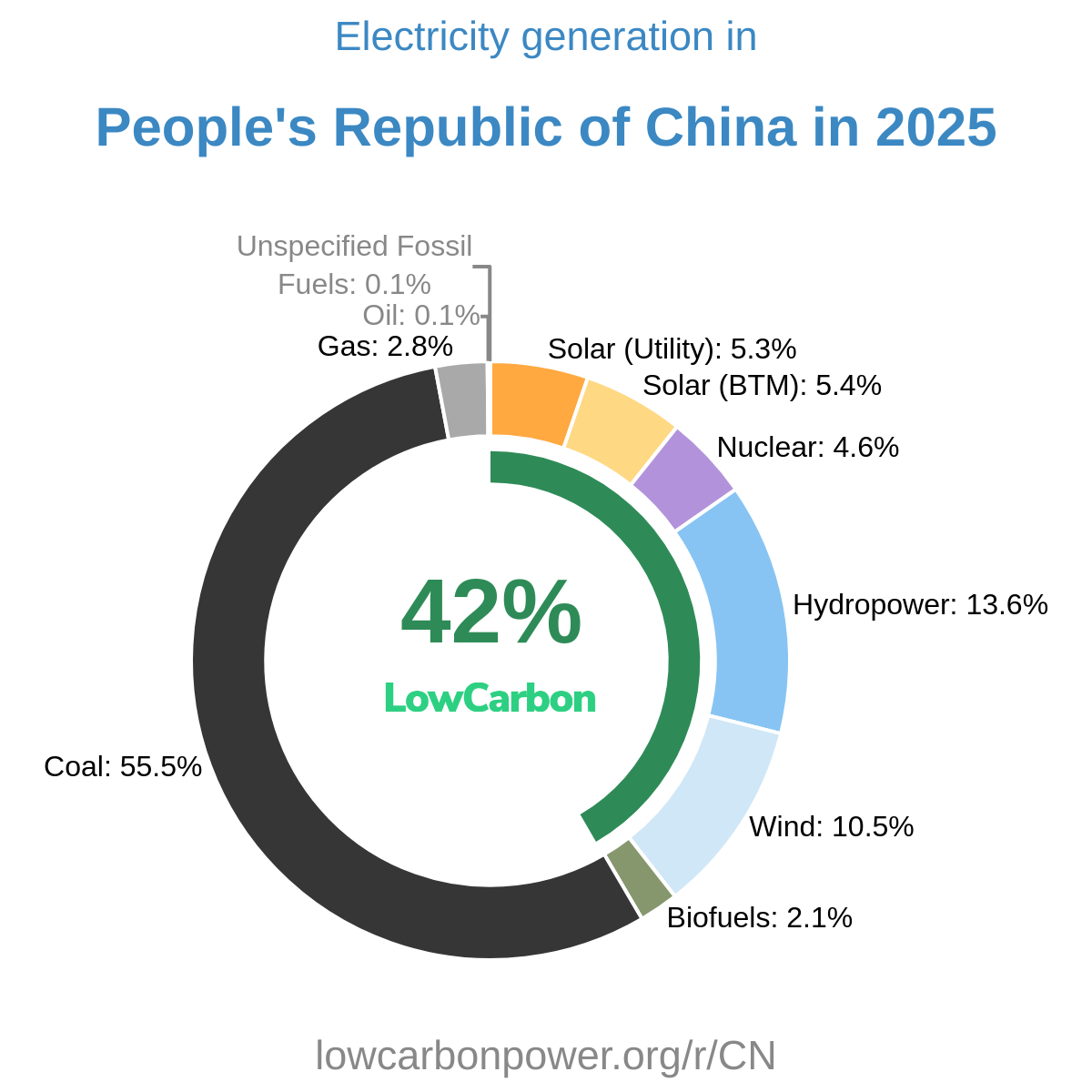
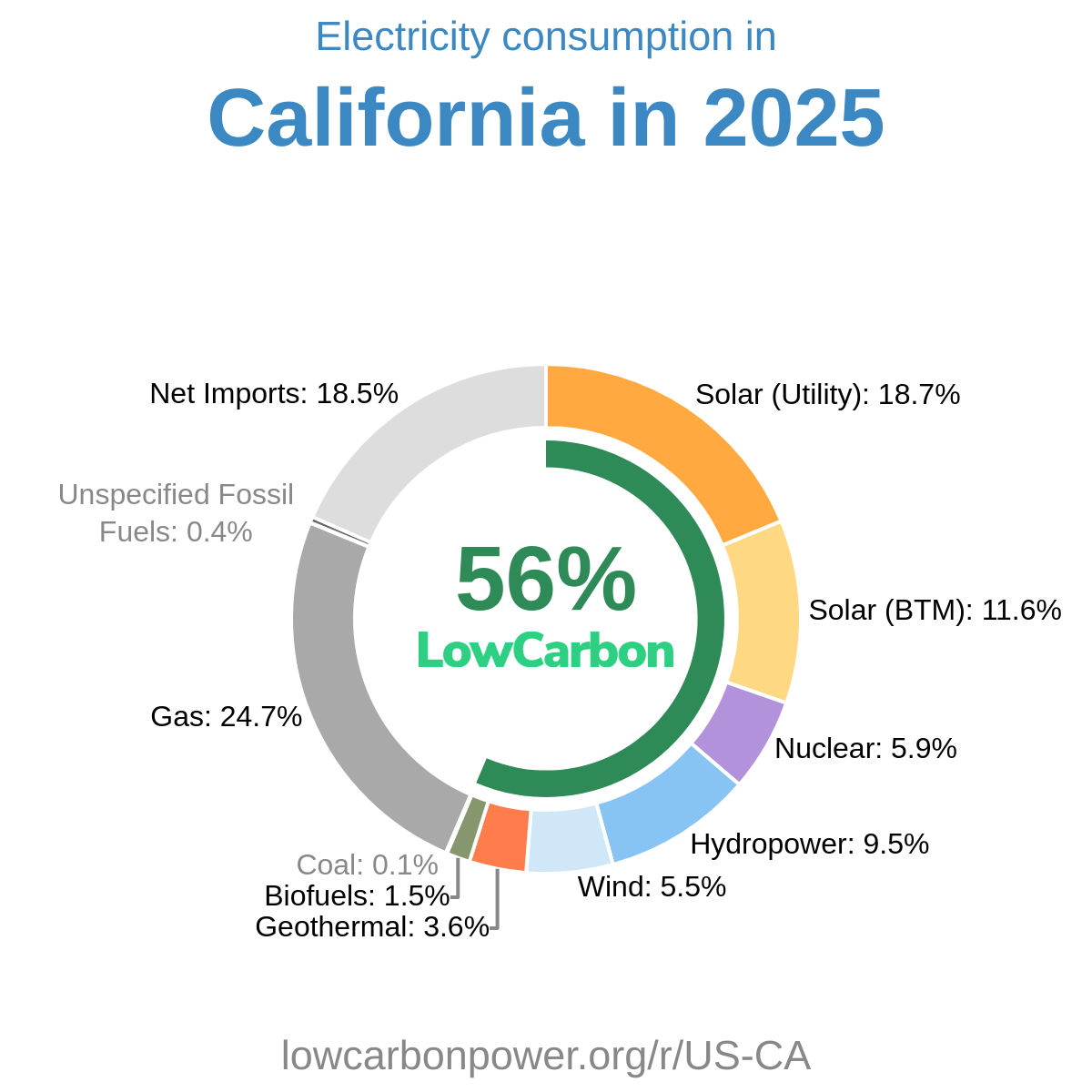
To enhance low-carbon electricity generation, St. Pierre & Miquelon can look towards successful regions as examples. France and Slovakia have achieved impressive adoption of nuclear energy, with nuclear power contributing to more than two-thirds of their electricity generation. Similarly, Slovenia and other Central and Eastern European countries have also embraced nuclear energy. For wind energy, Denmark and Iowa have set a strong precedent with high percentages of their electricity coming from wind. St. Pierre & Miquelon can benefit from considering nuclear investments to provide a reliable and substantial low-carbon electricity base. Additionally, integrating solar power, as seen in regions like Nevada and California, could be a valuable addition to their clean energy strategy. By embracing both nuclear and solar energy, St. Pierre & Miquelon can achieve a cleaner and more diversified electricity mix.
History
Historically, St. Pierre & Miquelon has seen zero growth in low-carbon electricity generation, as both the latest and previous records indicate no change with 0 TWh added since 2000. This stagnation over the decades is disheartening as it reflects an absence of proactive policy towards incorporating low-carbon sources into the energy framework. Transitioning to low-carbon solutions is critical for sustainable development and to mitigate the environmental impacts of fossil fuel dependency. Embracing green energy solutions will set the region on a path towards a more sustainable energy future, maximizing economic and environmental benefits.
Electricity Imports and Exports
Balance of Trade
Nearby Regions