

Electricity in Syria in 2022
In Syria in 2022, the overwhelming majority of electricity, more than 95%, was generated using fossil fuels, with gas contributing almost 40% to the total electricity generation. Clean energy sources were responsible for a modest 4% of Syria’s electricity production, almost entirely from hydropower, at nearly 4%. These figures indicate a heavy reliance on fossil fuels, which are known for contributing to climate change and air pollution. Meanwhile, the low-carbon sector, which is vital for a sustainable future, remains underdeveloped, suggesting that there is a significant opportunity for improvement in this area.
Is Electricity Growing in Syria?
Electricity consumption in Syria has significantly declined in recent years. In 2022, the per capita electricity consumption stood at 894 kWh, which is a considerable drop from the previous peak of 2064 kWh per person in 2010. This decrease of nearly 1,170 kWh per person signals a worrying trend of reduced electricity access or consumption, which can hinder economic and social development. Additionally, low-carbon electricity production has also seen a drastic reduction from its 1984 peak of 322 kWh per person to 39 kWh per person in 2022, marking a decline of 283 kWh per person. Such declines in low-carbon generation emphasize the urgent need for initiatives aimed at increasing sustainable electricity sources.
Suggestions
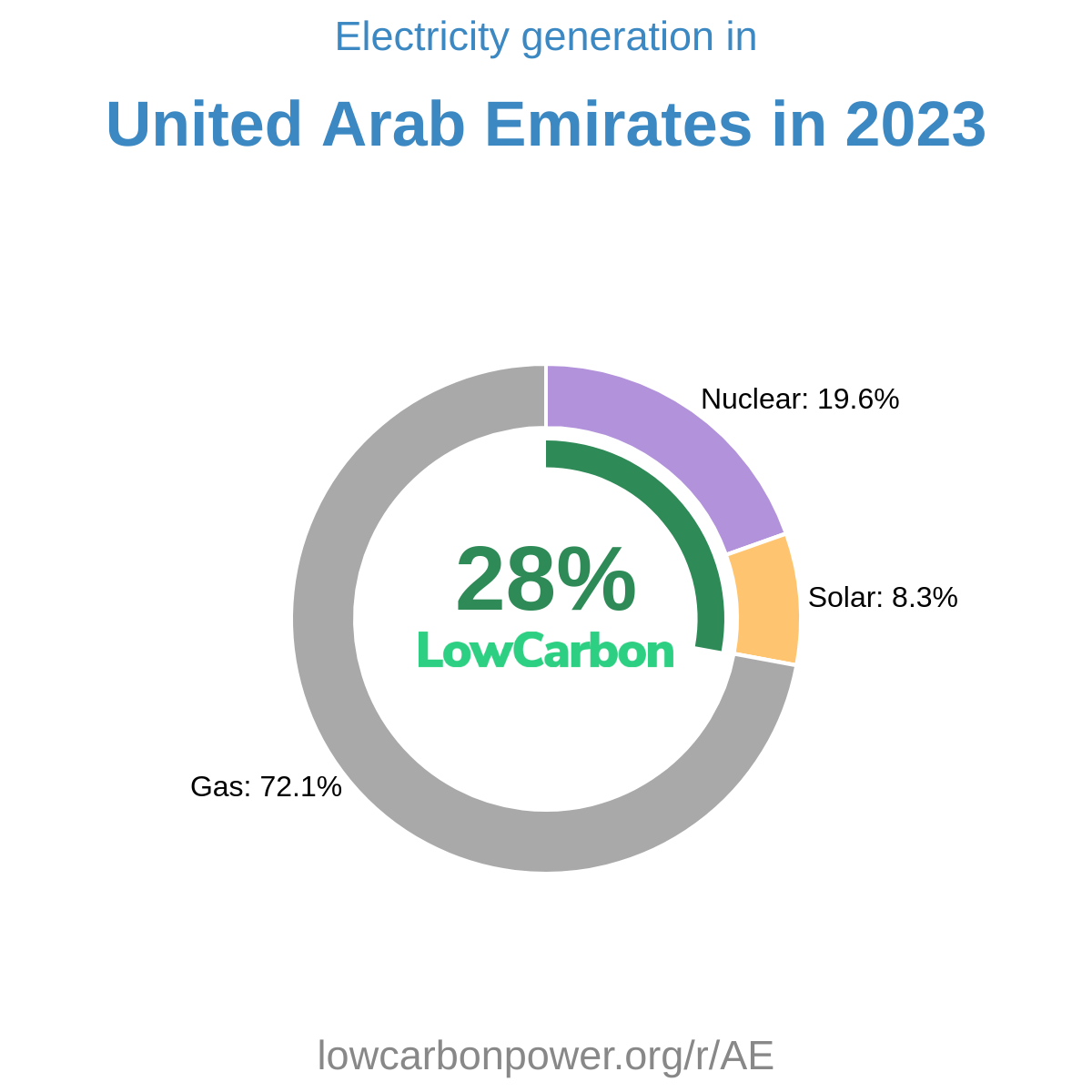
To bolster low-carbon electricity generation, Syria could draw inspiration from regions that have successfully harnessed solar and nuclear power. Lebanon, for instance, generates more than 30% of its electricity from solar energy, demonstrating the potential impact of solar power in the region. Additionally, countries like Slovakia and France, where nuclear energy contributes to over 60% of their electricity, exemplify the effective utilization of nuclear technology in achieving energy sustainability. By investing in solar and nuclear energy, Syria can greatly enhance its clean energy output, reduce reliance on fossil fuels, and address the pressing challenges of climate change and energy security.
History
In the history of Syria's low-carbon electricity, the past decades have seen fluctuating hydropower outputs. During the early 1980s and 2000s, there were periods of growth with increases in hydropower generation. However, significant declines occurred especially from 2006 to 2015, with considerable reductions in electricity generation in several years. Unfortunately, the negative trend extended into the mid-2010s. Such volatility in hydropower output highlighted the vulnerability of relying on a single low-carbon source and underscored the need to diversify Syria’s clean electricity portfolio by incorporating other low-carbon options like solar and nuclear energy, which will ensure a more consistent and resilient energy supply.
Electricity Imports and Exports
Balance of Trade
Nearby Regions