

Electricity in Algeria in 2023
In 2023, Algeria's electricity consumption is overwhelmingly dominated by fossil fuels, with gas alone accounting for almost all of it at approximately 99%. Nearly every bit of electricity in Algeria is generated using fossil energy, with close to none coming from low-carbon sources such as solar or nuclear energy. This heavy reliance on fossil fuels poses significant challenges, particularly concerning climate change and air pollution, both of which are critical issues that require urgent attention. Transitioning to a more balanced mix that includes a higher share of low-carbon electricity is an essential step towards a sustainable future.
Is Electricity Growing in Algeria?
Algeria's latest data on electricity consumption shows promising growth. In 2023, the average consumption per person reached 2086 kWh, reflecting an increase compared to the previous record in 2022, which stood at 2011 kWh. This upward trend indicates a growing demand for electricity, possibly driven by developments in infrastructure, technology, and industry. However, on the clean electricity front, there is cause for concern. The latest low-carbon generation figures show a decline from historic highs. While Algeria generated 20 kWh of low-carbon electricity per person in 2023, it falls short of the 27 kWh achieved in 1985. This reduction underscores the need for revitalized efforts to scale up low-carbon initiatives.
Suggestions
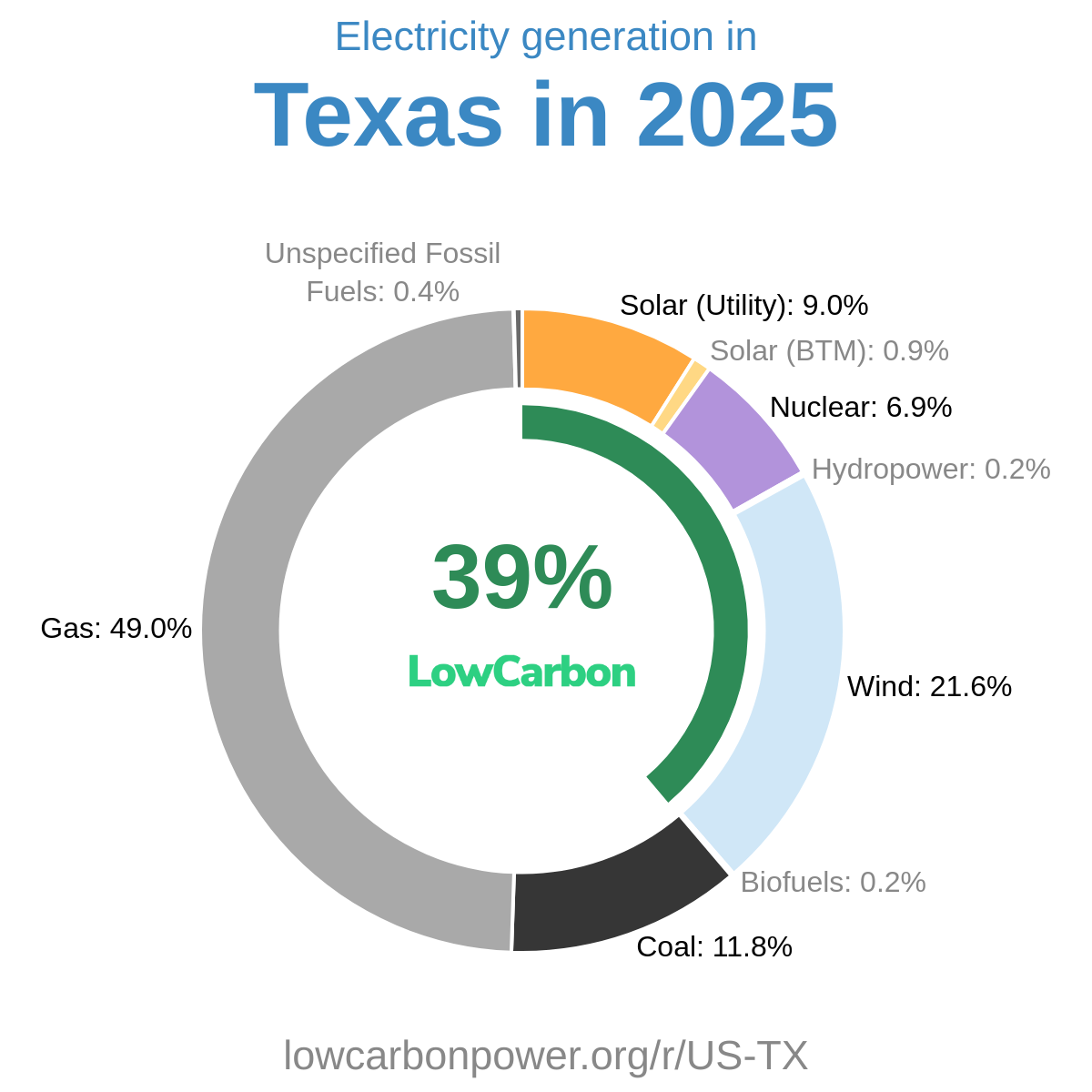
To ramp up its low-carbon electricity generation, Algeria can draw lessons from various regions that have successfully leveraged solar and nuclear power. Countries like France and Slovakia lead the way with nuclear energy, generating over half of their electricity from this clean and reliable source. Regions such as Nevada in the US and Lebanon show significant potential for solar energy, contributing a substantial portion of their electricity from solar power. By investing in solar infrastructure and exploring nuclear energy, Algeria could diversify its electricity mix and enhance energy sustainability. Greater adoption of these technologies can also pave the way for reduced dependency on fossil fuels, fostering a greener and more stable energy future for Algeria.
History
In the early 1980s, Algeria saw sporadic changes in its hydroelectric generation, experiencing both increases and decreases over the years. The coming decades continued this fluctuating trend, with minor gains often counterbalanced by setbacks. Notably, the late 20th century marked no dramatic advancements in low-carbon electricity generation, which stagnated into the early 2000s. A breakthrough, however, came in 2017, with the introduction of solar energy contributing 0.5 TWh, a step in the right direction toward diversifying the nation's electricity sources. To ensure a more reliable and sustainable future, Algeria must avoid repeating the past's lackluster progress and focus on consistent development in its clean electricity sector.
Electricity Imports and Exports
Balance of Trade
Nearby Regions