

From May 2025 to April 2026, Bosnia & Herzegovina relies heavily on fossil fuels for electricity consumption, with more than half of its electricity, approximately 53.55%, being generated from coal. On the greener side, low-carbon energy sources contribute around 46.45% of the electricity. Hydropower leads the low-carbon group, producing about 38.27%, while wind and solar energy represent smaller shares, at approximately 4.56% and 3.61% respectively. Although Bosnia & Herzegovina is making strides toward diversifying its electricity sources, there's a substantial need to boost its low-carbon output to make a significant overall impact on climate change and air pollution mitigation.
Is Electricity Growing in Bosnia & Herzegovina?
In Bosnia & Herzegovina, electricity consumption per person for 2026 stands at 4,308 kWh, which is a noticeable drop from the peak of 5,657 kWh per person seen in 2018. This represents a decrease of 1,349 kWh per person, suggesting that electricity consumption is not increasing, a worrisome trend when considering the growing demands for electrification and advancing technologies like AI. Similarly, low-carbon electricity generation per person has also declined, from 2,186 kWh in 2023 to 2,001 kWh in 2026, marking a decrease of 185 kWh per person. Such declines indicate that Bosnia & Herzegovina is potentially missing out on valuable opportunities to enhance sustainable electricity usage and should urgently consider measures to reverse this trend.
Suggestions
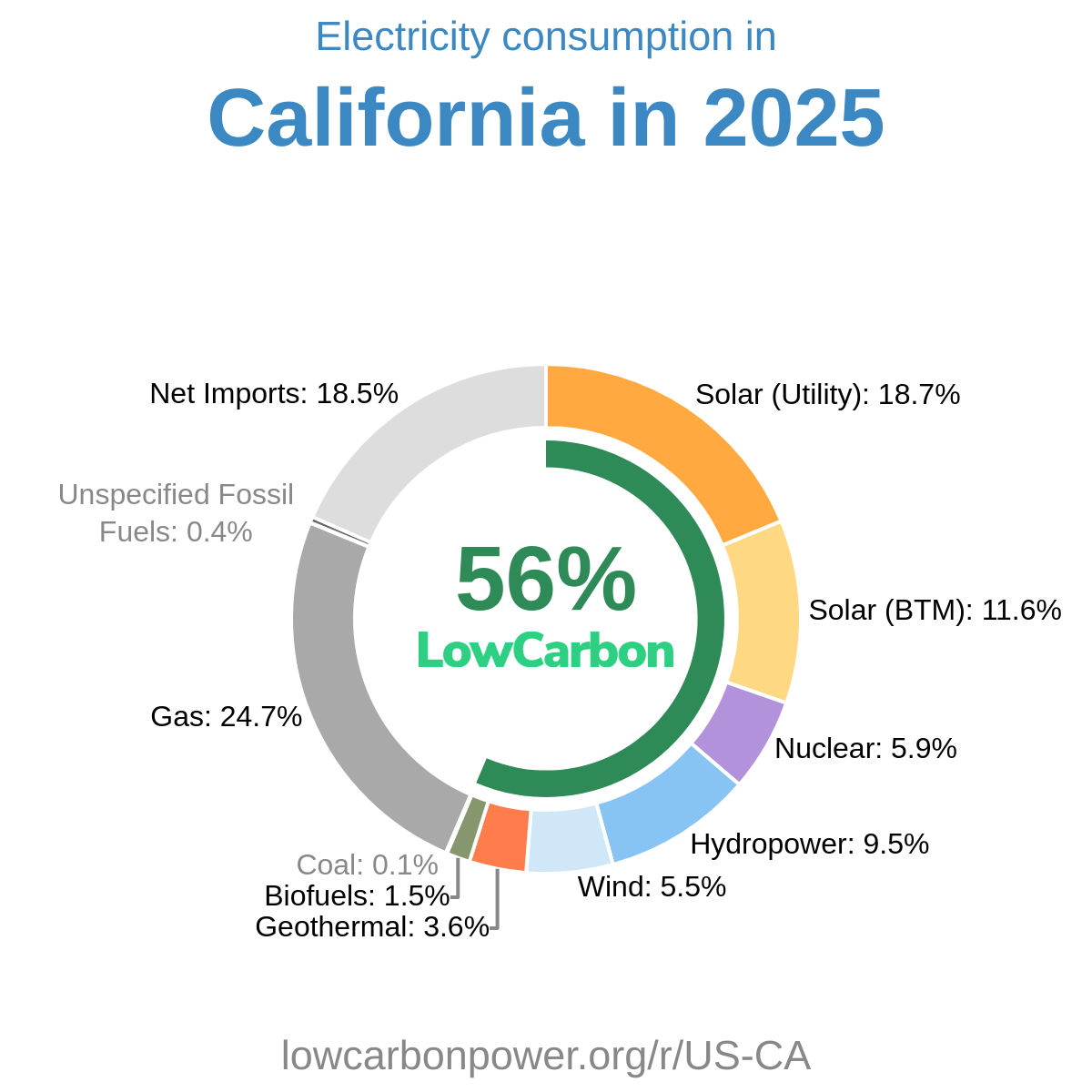
Bosnia & Herzegovina can look to successful regions for inspiration to boost its low-carbon electricity generation significantly. Countries like Finland and Slovakia have successfully integrated nuclear power into their energy mix, with nuclear accounting for as much as 38% and 65% of their electricity generation, respectively. Emulating their model by investing in nuclear technology could substantially increase Bosnia & Herzegovina's clean electricity share. Furthermore, embracing solar technology, as seen in Nevada where solar accounts for 34% of the electricity generation, could aid in tapping into the country's solar potential, leading to a more sustainable energy future. By implementing strategies from these successful regions, Bosnia & Herzegovina can transition to a cleaner, more sustainable electricity system.
* 12M = Last 12 months (May 2025 – Apr 2026) — a rolling 12-month period, not a calendar year.
History
Historically, Bosnia & Herzegovina has experienced fluctuations in its low-carbon electricity sector, particularly within hydropower. During the early 1990s, there was a significant decline followed by recovery, indicating initial volatility. By the late 1990s and into the 2000s, hydropower saw modest yet consistent growth. However, the subsequent decade was marked by notable fluctuations, with periods of gain often counterbalanced by declines, such as the substantial decrease in 2011 of 3.6 TWh. The recent years leading up to 2024 have been similarly inconsistent, underscoring an urgent need for Bosnia & Herzegovina to stabilize and expand its low-carbon electricity infrastructure to achieve a more sustainable energy trajectory for the future.
* 12M = Last 12 months (May 2025 – Apr 2026) — a rolling 12-month period, not a calendar year.
Electricity Imports and Exports
Balance of Trade
* 12M = Last 12 months (May 2025 – Apr 2026) — a rolling 12-month period, not a calendar year.
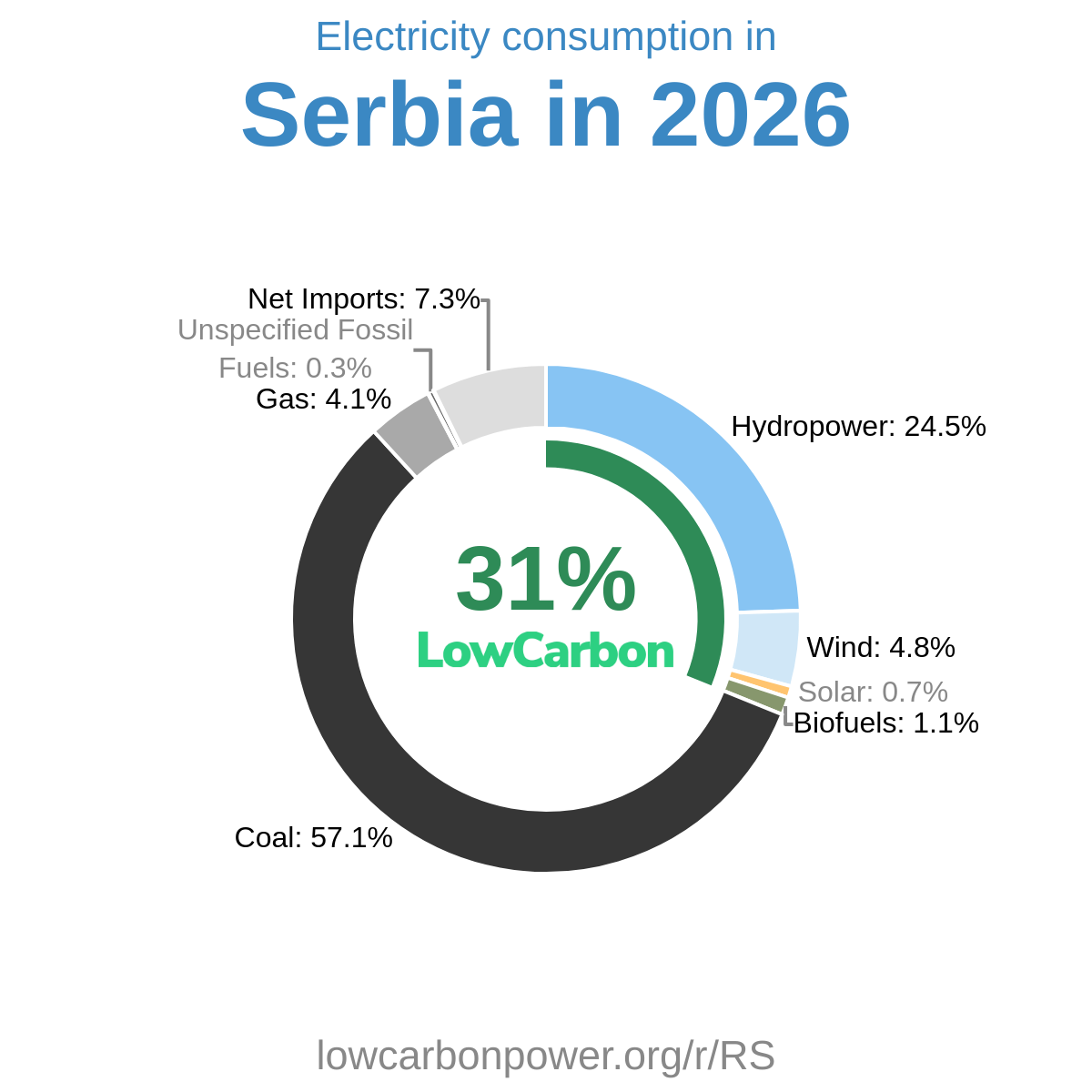
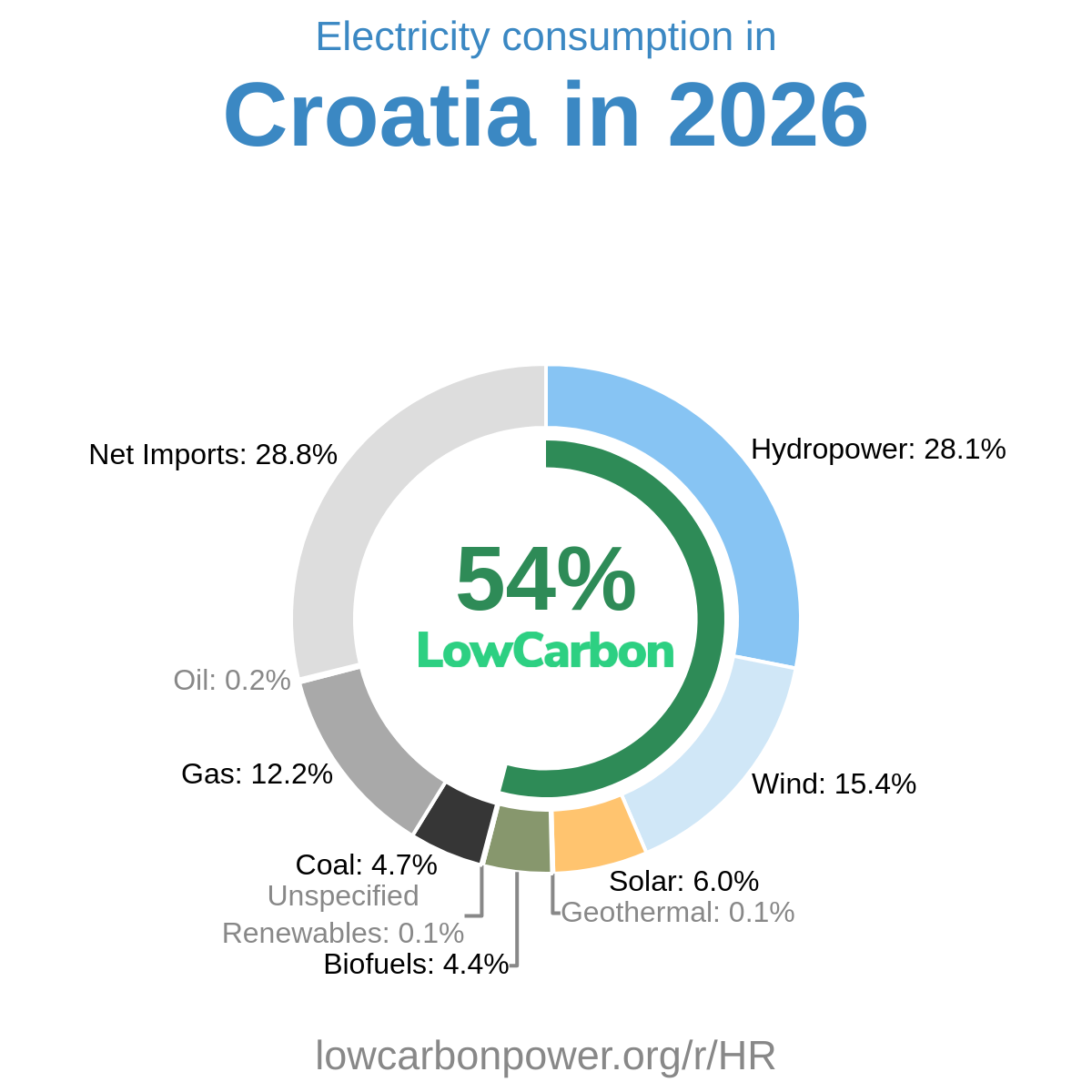
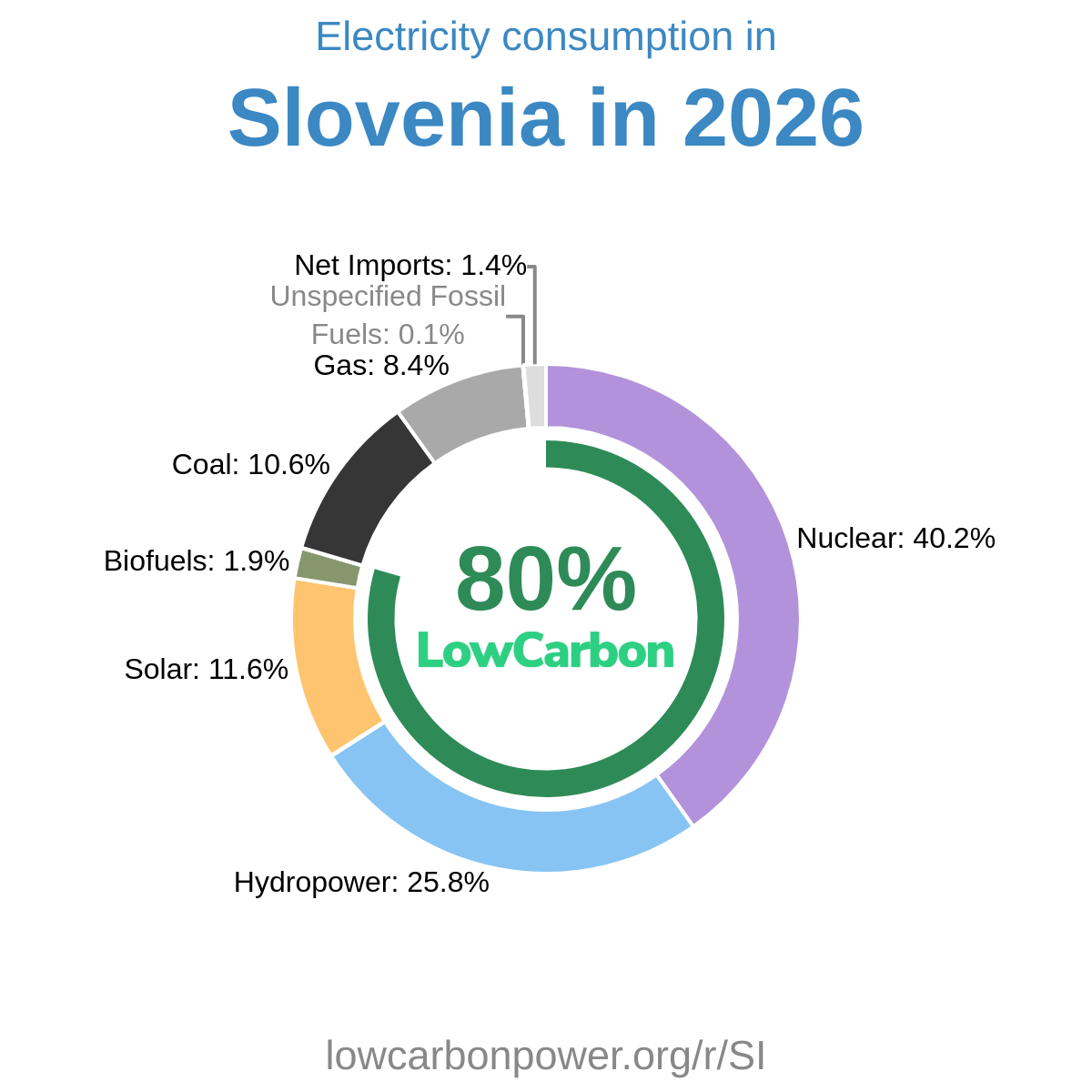
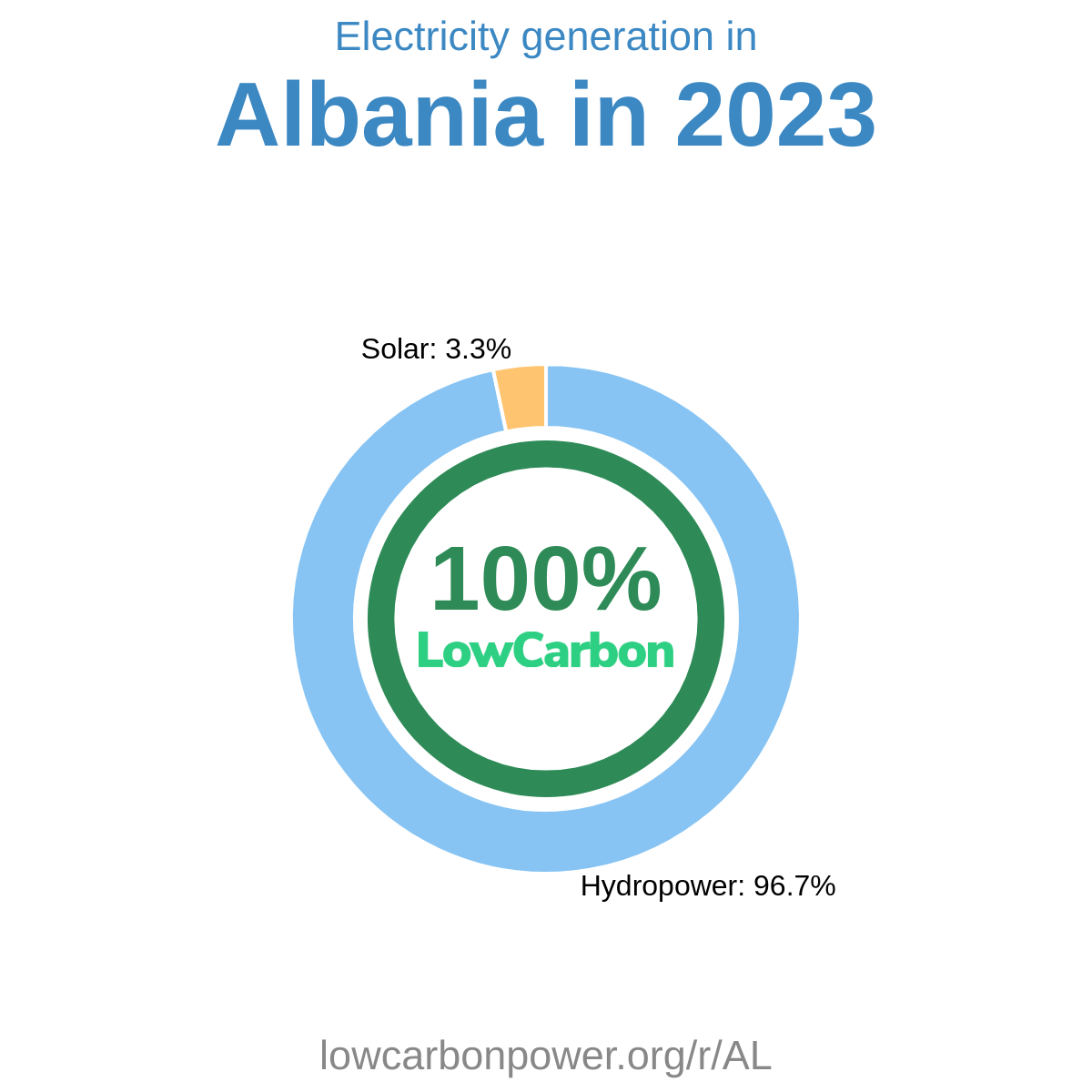
Nearby Regions