

33% of global electricity is generated from Coal
Coal is a sedimentary rock that has been used as a source of energy for centuries. Formed from plant material that accumulated in ancient swamp environments, coal undergoes several stages of transformation over millions of years, resulting in a combustible material rich in carbon content. It played a pivotal role during the Industrial Revolution, powering factories, steam engines, and now, modern electricity plants. Despite its historical significance and current widespread use in electricity generation, the environmental impact of coal, especially regarding pollution and greenhouse gas emissions, has fueled a robust conversation about the future of global energy systems.
The process of generating electricity from coal involves several key steps. Initially, coal is mined and transported to power stations, where it is crushed into a fine powder to improve its burning efficiency. This powdered coal is then fed into a boiler where it is burnt at high temperatures. The heat produced converts water in the boiler into steam, which, at high pressure and temperature, drives a turbine connected to an electricity generator. The conversion of thermal energy into mechanical, and then electrical energy, is what allows coal plants to supply the electricity grid.
One major disadvantage of coal as an energy source is its high carbon intensity. With a carbon intensity of 820 gCO2eq/kWh, coal is one of the most carbon-emitting sources of electricity generation. In comparison, wind, nuclear, and solar have much lower emissions, at just 11, 12, and 45 gCO2eq/kWh, respectively. This stark contrast highlights the environmental burden of coal, especially in the context of global climate challenges and the urgent need to reduce carbon emissions. The reliance on coal significantly impacts global efforts to combat climate change, emphasizing the critical shift needed towards low-carbon and more sustainable electric power sources such as wind, solar, and nuclear.
Beyond carbon emissions, coal also contributes significantly to air pollution, posing severe health and environmental risks. Burning coal releases pollutants such as sulfur dioxide (SO2), nitrogen oxides (NOx), and fine particulate matter, which can lead to respiratory issues, cardiovascular diseases, and acid rain, impacting both human health and ecosystems. In contrast, low-carbon energy sources like wind, solar, and nuclear do not emit these pollutants during operation, offering a cleaner and safer alternative for electricity generation.
Addressing the challenges posed by coal involves a transition toward cleaner energy systems. Increasing the share of low-carbon energy sources like wind, solar, and nuclear in our electricity mix is vital. These sources not only offer a pathway to reducing carbon emissions and improving air quality but also promise a dependable and scalable solution to satisfy future electricity demands, driven by increasing electrification and technological advancements like AI. The global energy landscape continues to evolve, and embracing sustainable, low-carbon energy systems is essential for a cleaner future.
| Country/Region | kWh/person | % | TWh |
|---|---|---|---|
| Wyoming | 39805.2 W | 53.1% | 23.5 TWh |
| North Dakota | 29445.1 W | 53.4% | 23.5 TWh |
| West Virginia | 26633.7 W | 86.4% | 46.9 TWh |
| Kentucky | 10107.6 W | 55.9% | 46.5 TWh |
| Nebraska | 9524.6 W | 44.8% | 19.2 TWh |
| Montana | 7699.2 W | 30.3% | 8.9 TWh |
| Indiana | 6876.1 W | 41.3% | 47.8 TWh |
| Missouri | 6621.9 W | 46.6% | 41.4 TWh |
| Iowa | 6260.9 W | 26.8% | 20.3 TWh |
| Arkansas | 6142.4 W | 27.8% | 19.1 TWh |
| Kansas | 5985.8 W | 28.0% | 17.8 TWh |
| New Mexico | 4422.5 W | 21.1% | 9.4 TWh |
| Republic of China (Taiwan) | 4287.5 W | 34.0% | 99.2 TWh |
| Australia | 4183.4 W | 41.8% | 112.6 TWh |
| Alabama | 4180.1 W | 15.3% | 21.7 TWh |
| Utah | 4142.9 W | 37.0% | 14.7 TWh |
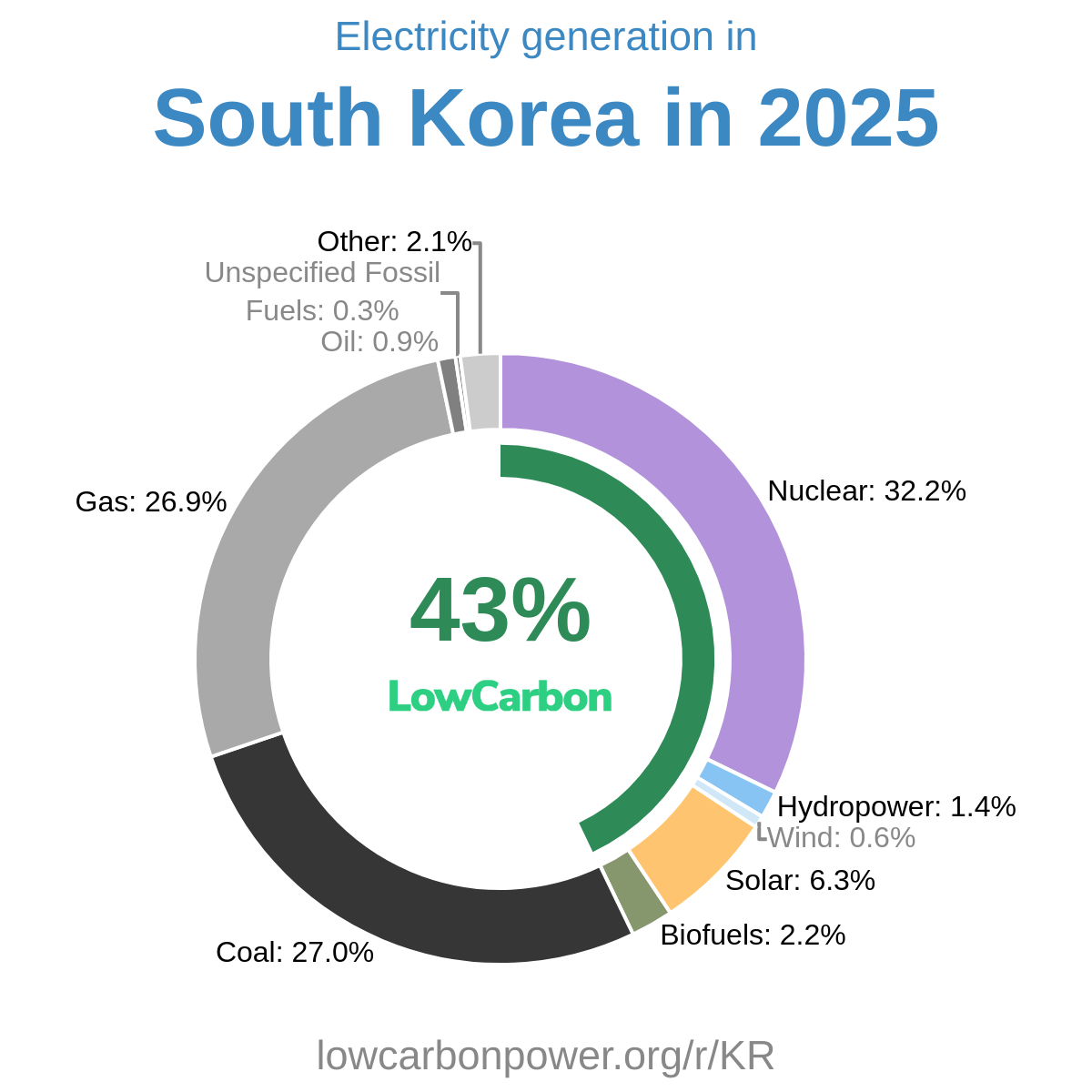
| South Korea | 4122.0 W | 33.7% | 213.3 TWh |
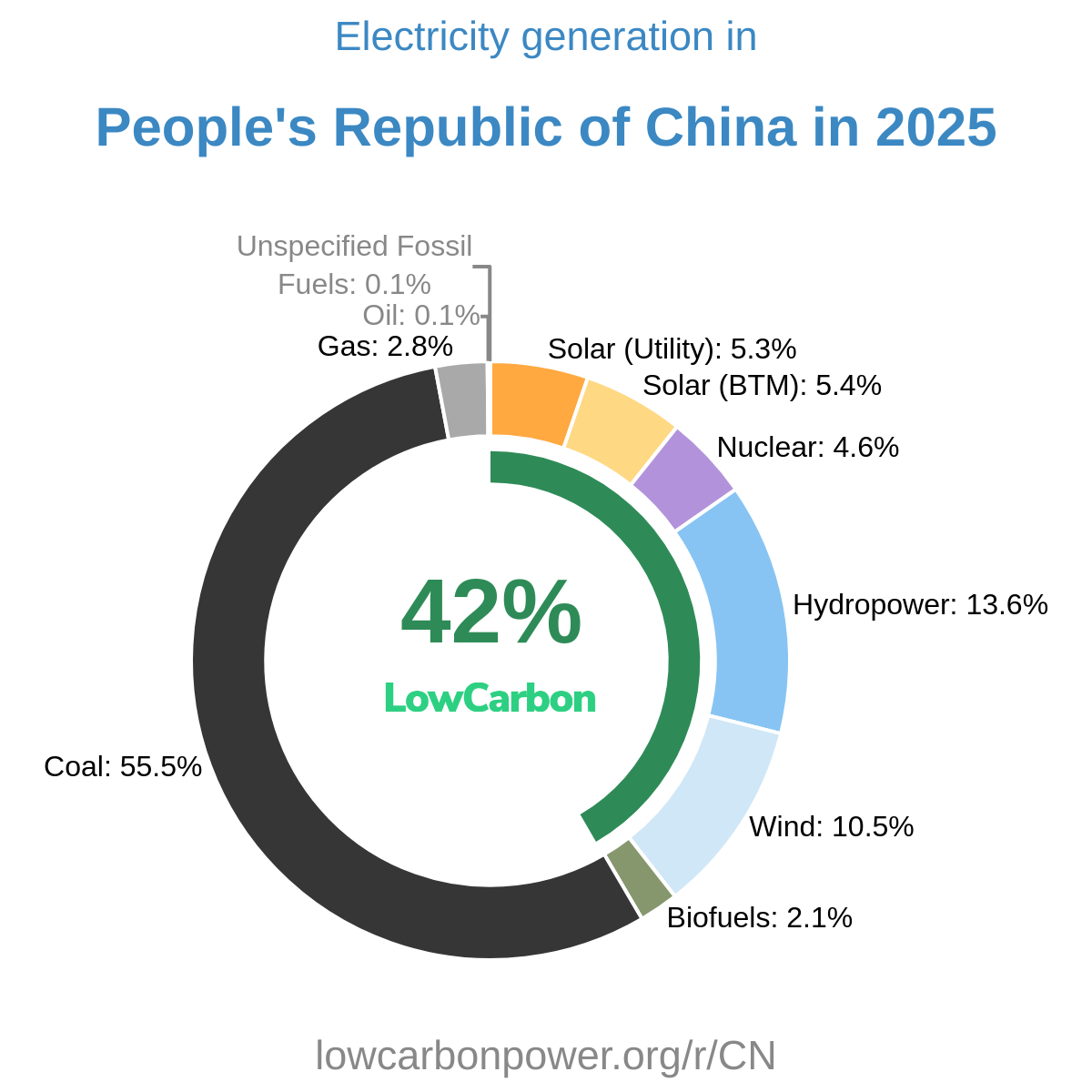
| People's Republic of China | 4070.0 W | 53.7% | 5794.3 TWh |
| New Caledonia | 3970.8 W | 36.9% | 1.1 TWh |
| Wisconsin | 3585.6 W | 27.5% | 21.4 TWh |
| Kazakhstan | 3213.0 W | 54.4% | 67.1 TWh |
| South Carolina | 3183.9 W | 17.2% | 17.7 TWh |
| Serbia | 3048.3 W | 56.2% | 20.3 TWh |
| Ohio | 2883.3 W | 18.8% | 34.2 TWh |
| South Africa | 2772.5 W | 79.2% | 180.4 TWh |
| Brunei | 2636.7 W | 21.6% | 1.2 TWh |
| Mongolia | 2577.8 W | 91.7% | 9.1 TWh |
| Tennessee | 2393.8 W | 14.8% | 17.5 TWh |
| Bosnia & Herzegovina | 2375.7 W | 53.3% | 7.3 TWh |
| Michigan | 2324.4 W | 18.8% | 23.5 TWh |
| Malaysia | 2323.6 W | 43.3% | 83.5 TWh |
| Illinois | 2299.2 W | 14.8% | 29.0 TWh |
| Czechia | 2294.6 W | 34.2% | 25.0 TWh |
| Minnesota | 2274.4 W | 18.1% | 13.2 TWh |
| Japan | 2233.9 W | 28.3% | 275.3 TWh |
| Poland | 2224.4 W | 51.3% | 86.4 TWh |
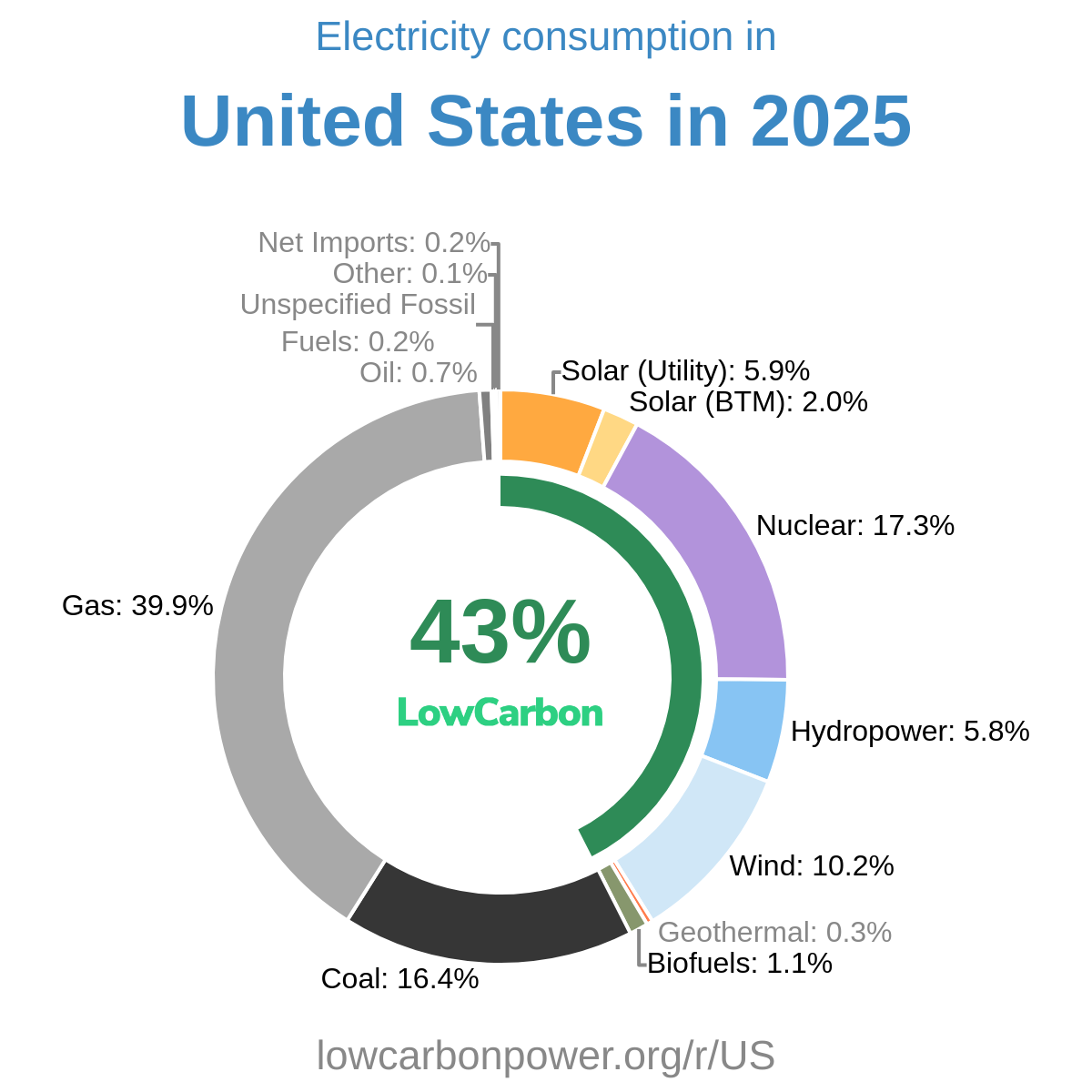
| United States | 2119.3 W | 15.8% | 733.0 TWh |
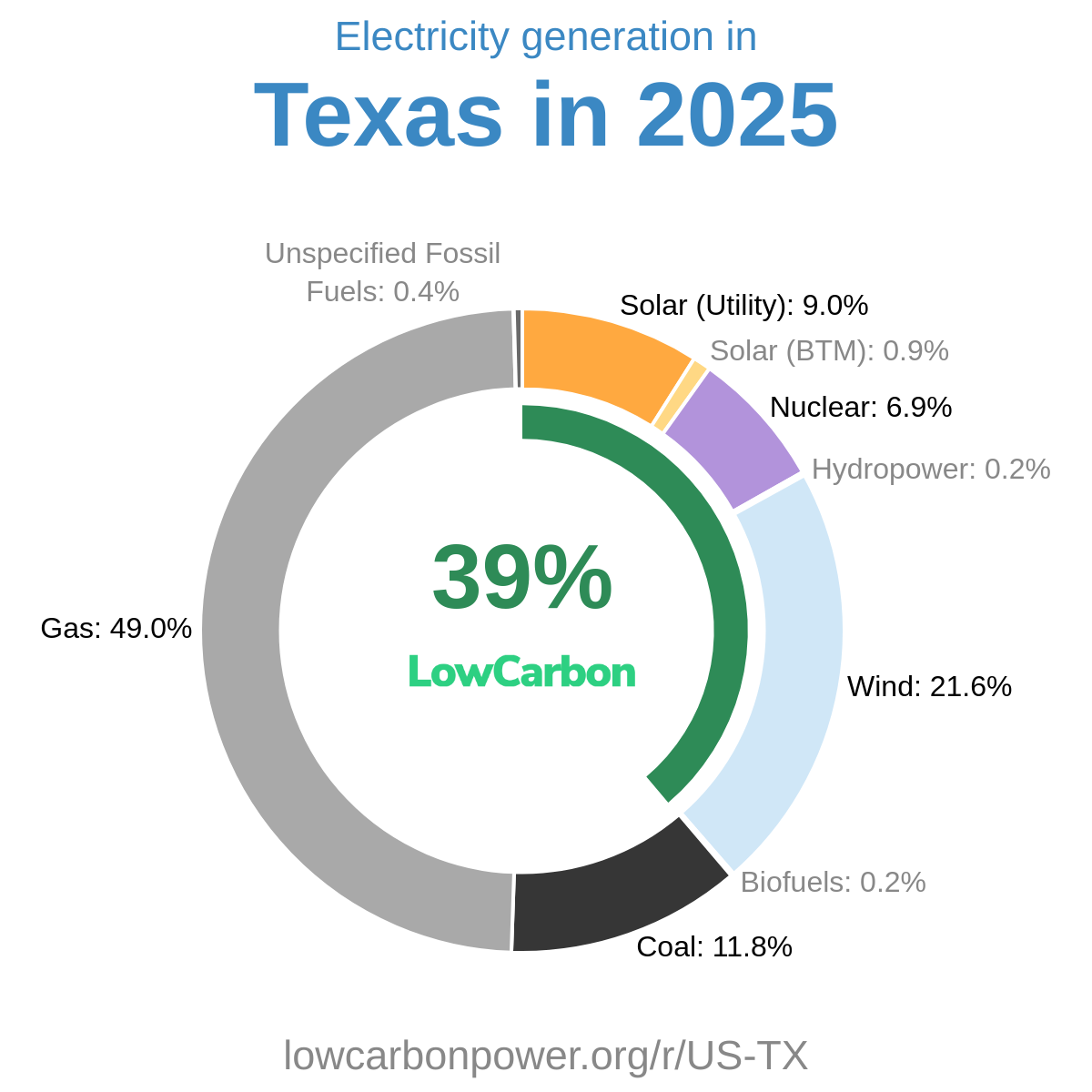
| Texas | 2088.6 W | 11.0% | 66.3 TWh |
| Georgia (US) | 1812.1 W | 12.0% | 20.5 TWh |
| South Dakota | 1802.8 W | 7.5% | 1.7 TWh |
| Oklahoma | 1793.8 W | 7.9% | 7.4 TWh |
| Hong Kong SAR China | 1783.0 W | 27.0% | 13.3 TWh |
| North Carolina | 1646.9 W | 11.9% | 18.4 TWh |
| Colorado | 1599.5 W | 14.9% | 9.6 TWh |
| Laos | 1589.1 W | 23.3% | 12.2 TWh |
| Israel | 1418.5 W | 17.6% | 13.1 TWh |
| Russia | 1400.2 W | 17.6% | 202.7 TWh |
| Pennsylvania | 1312.2 W | 7.0% | 17.1 TWh |
| The World | 1239.3 W | 32.7% | 10201.1 TWh |
| Vietnam | 1217.9 W | 47.8% | 124.3 TWh |
| Mississippi | 1182.2 W | 4.5% | 3.5 TWh |
| Montenegro | 1180.2 W | 21.3% | 0.7 TWh |
| Turkey | 1140.9 W | 29.7% | 100.9 TWh |
| Louisiana | 1125.6 W | 4.8% | 5.1 TWh |
| Germany | 1119.6 W | 20.3% | 95.0 TWh |
| Bulgaria | 1086.1 W | 19.0% | 7.3 TWh |
| Réunion | 1067.1 W | 27.6% | 0.9 TWh |
| Alaska | 1066.6 W | 11.8% | 0.8 TWh |
| Arizona | 1054.0 W | 6.5% | 8.1 TWh |
| Botswana | 999.9 W | 55.0% | 2.5 TWh |
| North Macedonia | 982.7 W | 25.5% | 1.8 TWh |
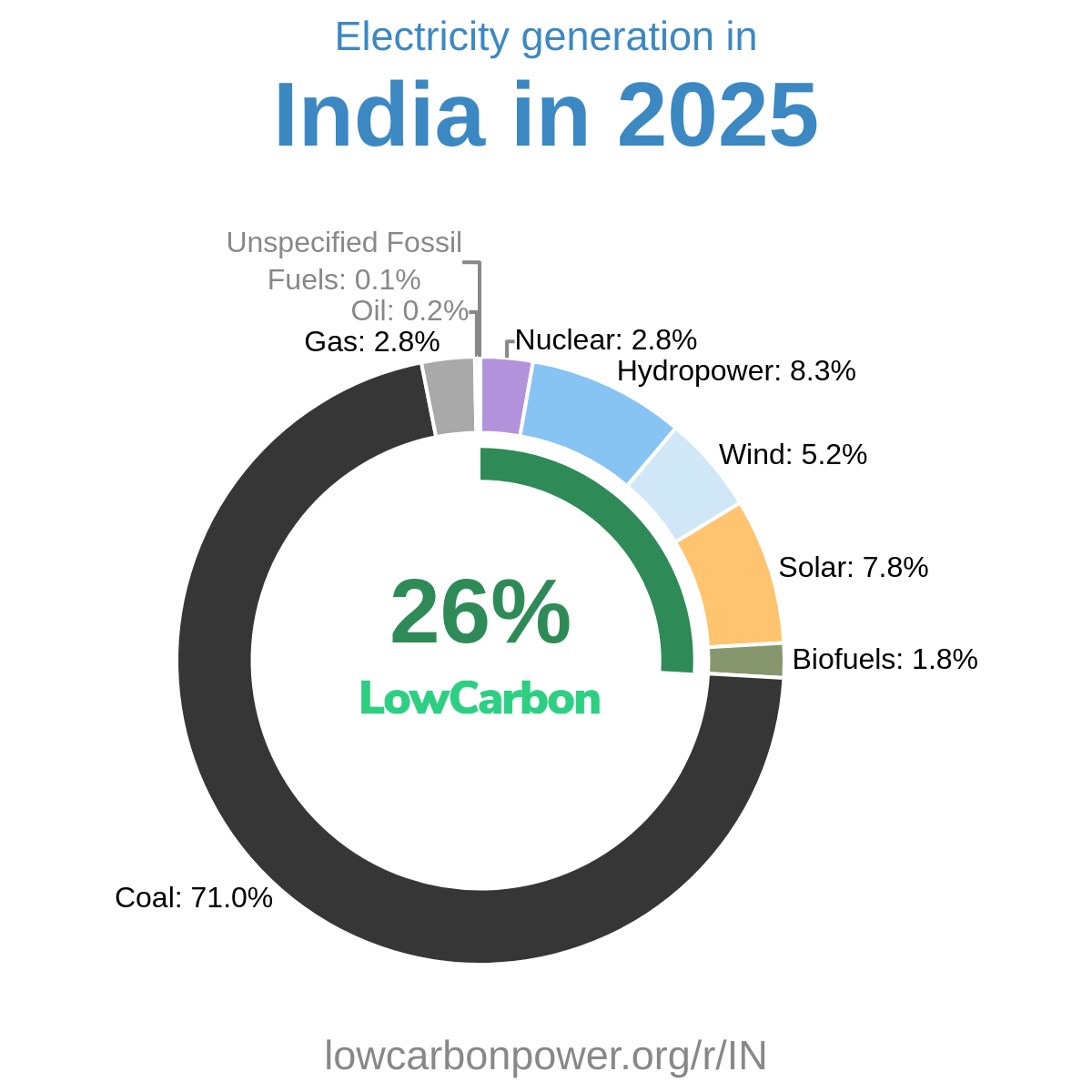
| India | 938.6 W | 68.0% | 1372.4 TWh |
| Puerto Rico | 869.4 W | 17.4% | 2.8 TWh |
| Mauritius | 863.7 W | 33.6% | 1.1 TWh |
| Chile | 815.7 W | 17.8% | 16.2 TWh |
| Indonesia | 773.8 W | 61.9% | 217.6 TWh |
| Slovenia | 678.0 W | 10.6% | 1.5 TWh |
| Morocco | 644.9 W | 53.6% | 24.8 TWh |
| Ukraine | 641.4 W | 23.2% | 26.3 TWh |
| Netherlands | 625.9 W | 8.6% | 11.5 TWh |
| Dominican Republic | 592.8 W | 28.7% | 6.9 TWh |
| Guadeloupe | 571.9 W | 13.4% | 0.2 TWh |
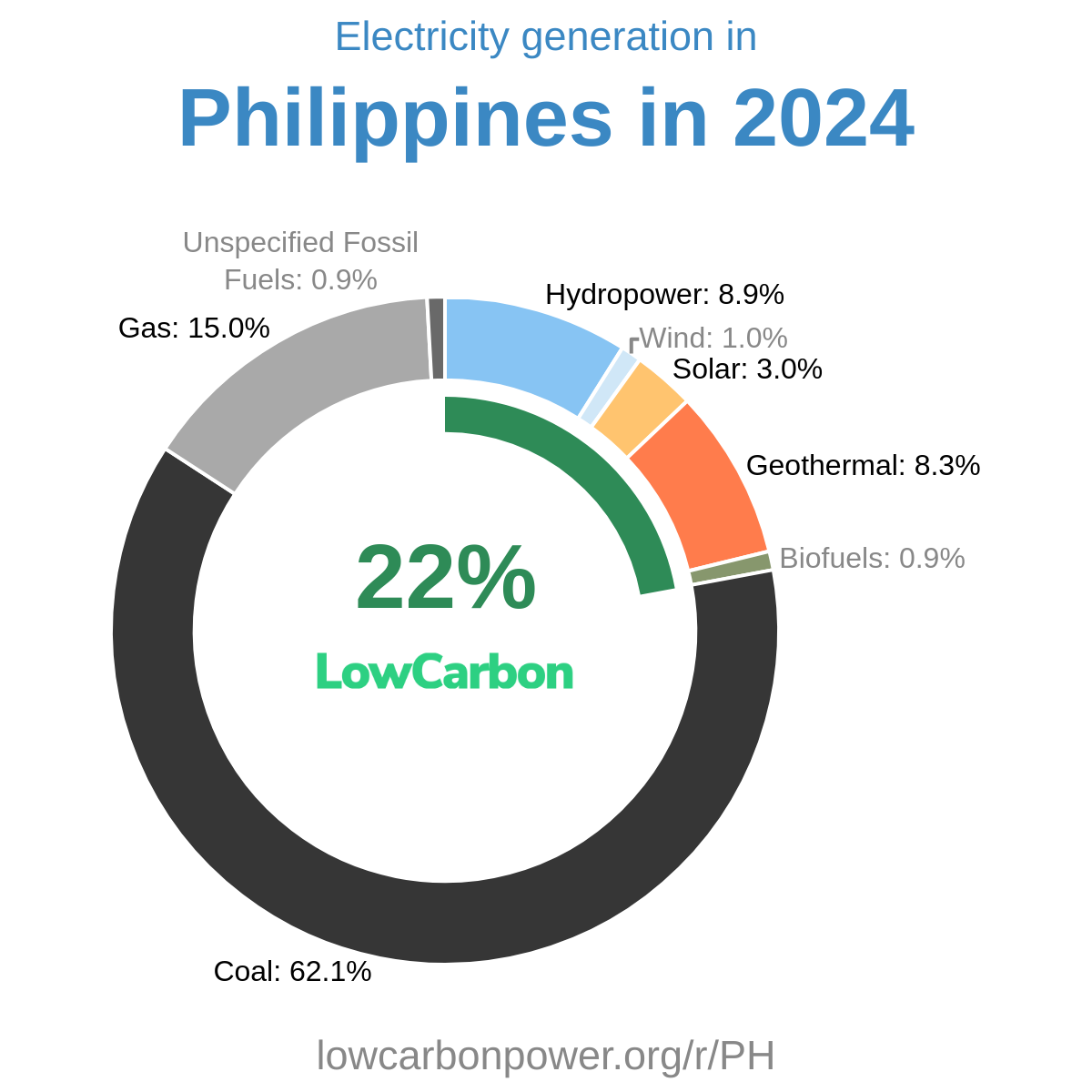
| Philippines | 568.9 W | 56.8% | 66.6 TWh |
| Nevada | 562.5 W | 3.9% | 1.9 TWh |
| EU | 544.8 W | 9.0% | 245.8 TWh |
| Cambodia | 499.2 W | 41.0% | 8.8 TWh |
| Florida | 494.6 W | 4.1% | 11.8 TWh |
| Maryland | 466.0 W | 4.3% | 2.9 TWh |
| Virginia | 430.6 W | 2.4% | 3.8 TWh |
| Thailand | 414.5 W | 13.0% | 29.8 TWh |
| Canada | 372.1 W | 2.4% | 14.9 TWh |
| North Korea | 350.6 W | 34.8% | 9.2 TWh |
| Romania | 273.0 W | 10.5% | 5.2 TWh |
| Greece | 272.1 W | 5.0% | 2.7 TWh |
| Croatia | 261.0 W | 5.4% | 1.0 TWh |
| Finland | 235.8 W | 1.5% | 1.3 TWh |
| Washington | 235.0 W | 1.7% | 1.9 TWh |
| Bangladesh | 187.4 W | 31.2% | 32.7 TWh |
| Mexico | 180.8 W | 6.5% | 23.8 TWh |
| Sub-Saharan Africa | 170.1 W | 40.7% | 209.3 TWh |
| Zimbabwe | 165.2 W | 26.4% | 2.7 TWh |
| Austria | 160.1 W | 2.0% | 1.5 TWh |
| Uzbekistan | 159.9 W | 7.2% | 5.7 TWh |
| Belgium | 153.3 W | 2.4% | 1.8 TWh |
| Guatemala | 130.8 W | 17.0% | 2.4 TWh |
| Tajikistan | 125.6 W | 5.7% | 1.4 TWh |
| New Zealand | 123.6 W | 1.5% | 0.7 TWh |
| Hungary | 123.3 W | 2.6% | 1.2 TWh |
| Denmark | 110.5 W | 1.8% | 0.7 TWh |
| Pakistan | 110.0 W | 16.7% | 28.2 TWh |
| Kyrgyzstan | 103.6 W | 9.4% | 0.8 TWh |
| Panama | 103.2 W | 3.6% | 0.5 TWh |
| Zambia | 102.8 W | 10.9% | 2.1 TWh |
| Brazil | 92.7 W | 2.6% | 19.7 TWh |
| Colombia | 83.0 W | 4.9% | 4.4 TWh |
| Estonia | 70.2 W | 1.2% | 0.1 TWh |
| New Hampshire | 65.3 W | 0.5% | 0.1 TWh |
| Italy | 55.6 W | 1.1% | 3.3 TWh |
| Myanmar (Burma) | 44.8 W | 9.6% | 2.4 TWh |
| Argentina | 41.7 W | 1.3% | 1.9 TWh |
| Slovakia | 33.8 W | 0.7% | 0.2 TWh |
| Senegal | 26.0 W | 5.5% | 0.5 TWh |
| Maine | 17.0 W | 0.1% | 0.0 TWh |
| Madagascar | 16.8 W | 19.3% | 0.5 TWh |
| Eswatini | 16.3 W | 1.3% | 0.0 TWh |
| Namibia | 10.1 W | 0.6% | 0.0 TWh |
| Niger | 6.9 W | 9.0% | 0.2 TWh |
| Spain | 5.3 W | 0.1% | 0.3 TWh |
| Rwanda | 3.6 W | 4.6% | 0.1 TWh |
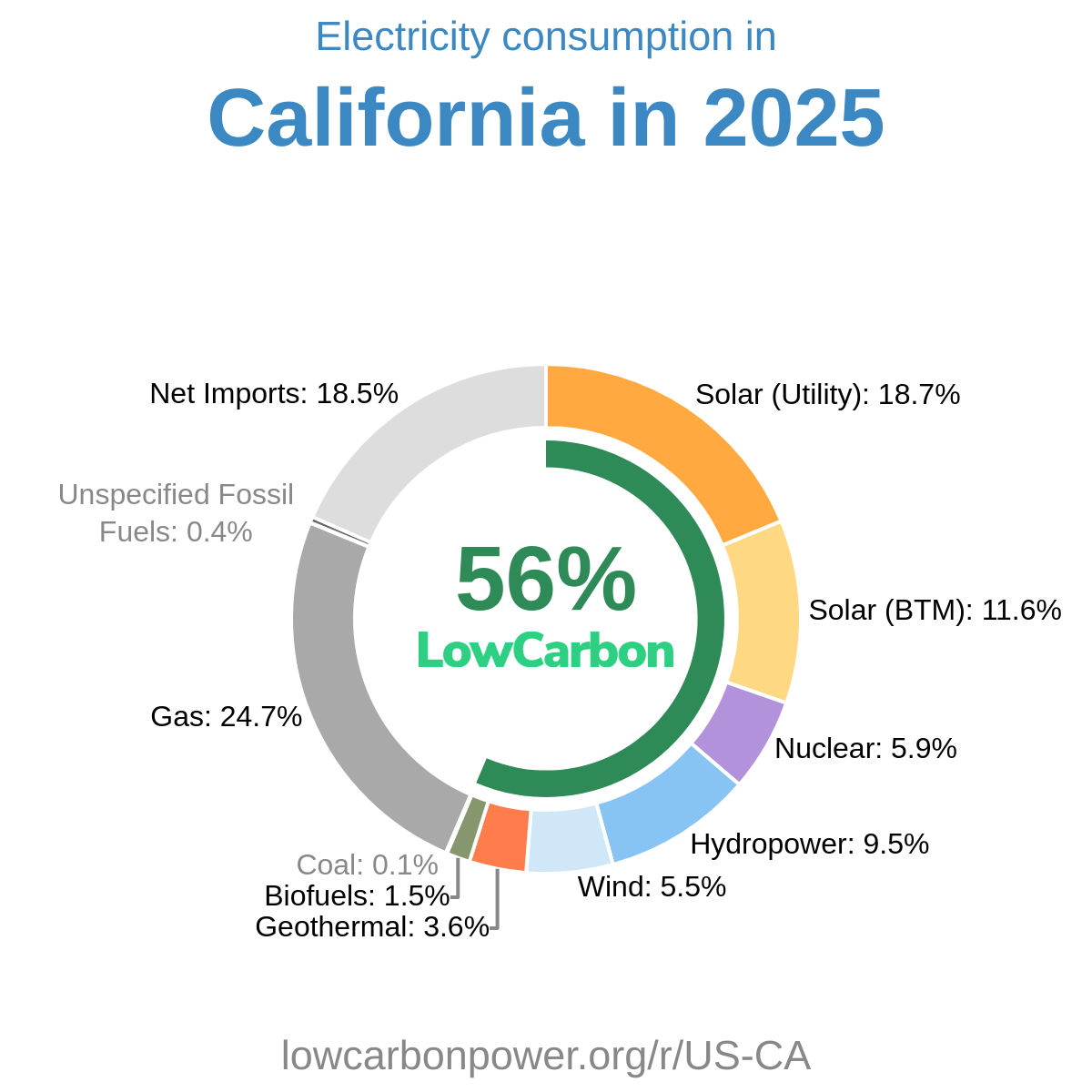
| California | 3.3 W | 0.0% | 0.1 TWh |
| Sweden | 2.6 W | 0.0% | 0.0 TWh |
| Iran | 2.2 W | 0.2% | 0.2 TWh |
| Afghanistan | 0.7 W | 0.4% | 0.0 TWh |
| Peru | 0.3 W | 0.0% | 0.0 TWh |