

In 2024, Cambodia's electricity consumption showcases a mix of energy sources with noteworthy distinctions between fossil-based and low-carbon energy. Fossil energy contributes to almost half of the electricity consumption, with coal being the dominant source, accounting for a large majority of this category. On the other hand, more than a quarter of the electricity is imported, while low-carbon electricity generation, primarily from hydropower and solar, accounts for nearly 30% of Cambodia's electricity consumption. Hydropower makes up the bulk of this low-carbon segment with close to a quarter of total electricity, while solar provides just about 5%. The relatively modest share of clean energy indicates significant potential and necessity for expansion to reduce reliance on fossil fuels and decrease environmental impact.
Is Electricity Growing in Cambodia?
Recent data suggests an encouraging trend in the growth of overall electricity consumption in Cambodia. In 2024, the total electricity consumption reached 1217 kWh per person, marking an increase from the previous record of 1083 kWh per person set in 2023. This increase of roughly 134 kWh per person indicates a positive trajectory and a growing demand, likely driven by economic development and population growth. However, despite the overall growth, the generation of low-carbon electricity has seen a slight decline. In 2024, low-carbon generation stood at 362 kWh per person, a decrease from the 401 kWh per person recorded in 2022. This drop of 39 kWh per person is concerning, given the pressing need to enhance sustainable electricity production to address future energy demands and mitigate climate change.
Suggestions
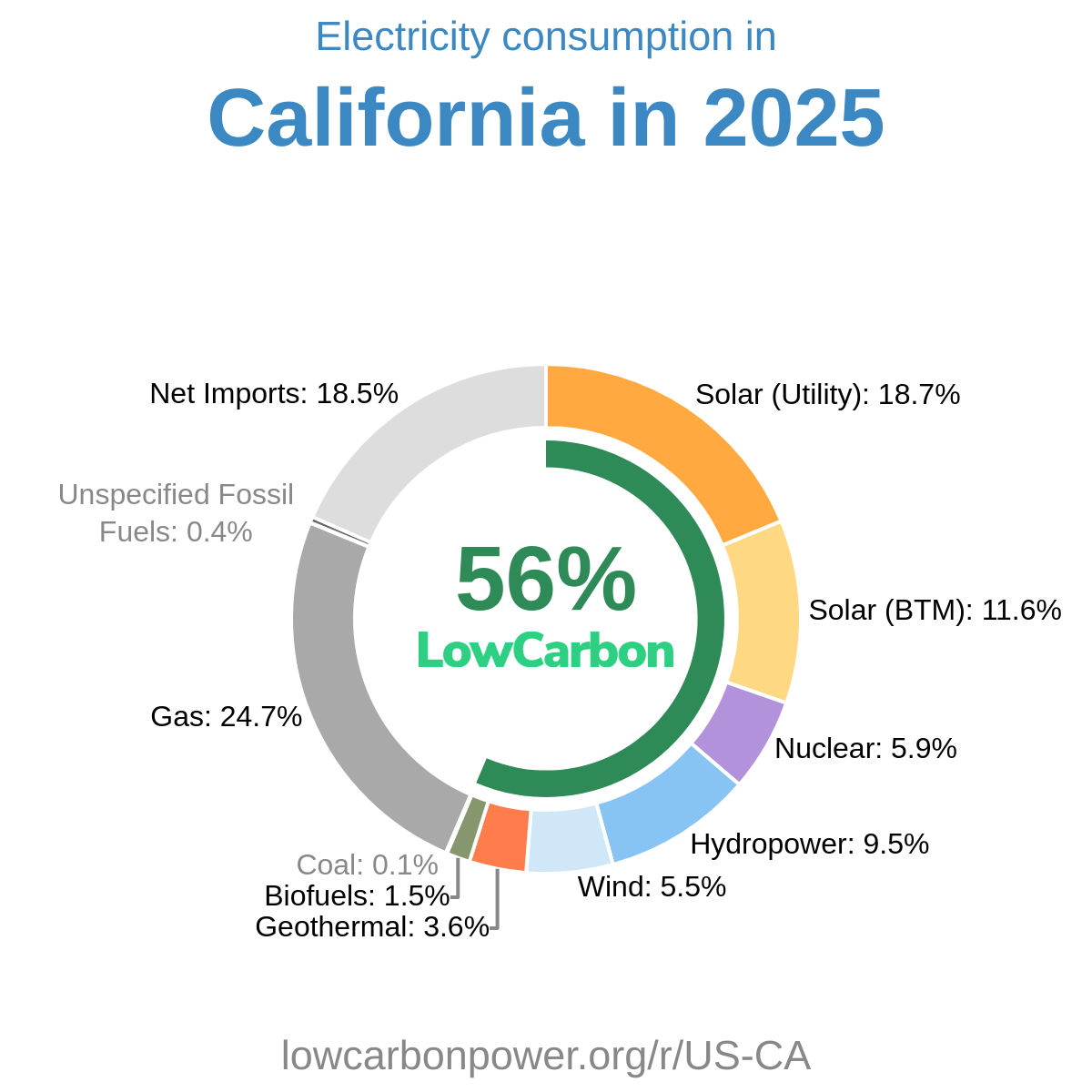
Cambodia can look forward to increasing its low-carbon electricity generation by drawing lessons from regions highly successful in clean energy utilization. Countries like France and Slovakia serve as exemplary models in nuclear energy generation, with over 60% of their electricity coming from nuclear power. Integrating nuclear energy could provide Cambodia with a stable and significant supply of low-carbon electricity. Simultaneously, embracing solar energy could also propel Cambodia's clean electricity future forward. Regions like Nevada and California have leveraged their sunny climates to achieve substantial solar electricity generation. By investing in solar infrastructure, Cambodia can harness its natural conditions to significantly boost its low-carbon output, reducing its reliance on fossil fuels and improving its energy security.
History
Reflecting on the history of low-carbon electricity in Cambodia reveals both growth and challenges in hydropower and solar energy contributions. During the 2010s, Cambodia saw consistent growth in hydropower, expanding by 0.5-2 TWh annually. However, 2019 was marked by a decline of 0.5 TWh in hydropower generation, though this was offset by a nascent increase in solar energy. The following years exhibited fluctuations in hydropower output, including declines in 2020 and 2023, contrasted by smaller but steady increases in solar generation. This indicates a growing diversification of Cambodia's low-carbon energy sources, although it underscores the need for strategic investments in infrastructure and technology to enhance and stabilize sustainable electricity production in the future. By addressing these fluctuations and expanding clean energy capacity, Cambodia can ensure a more secure and environmentally sustainable electricity supply for the coming decades.
Electricity Imports and Exports
Balance of Trade
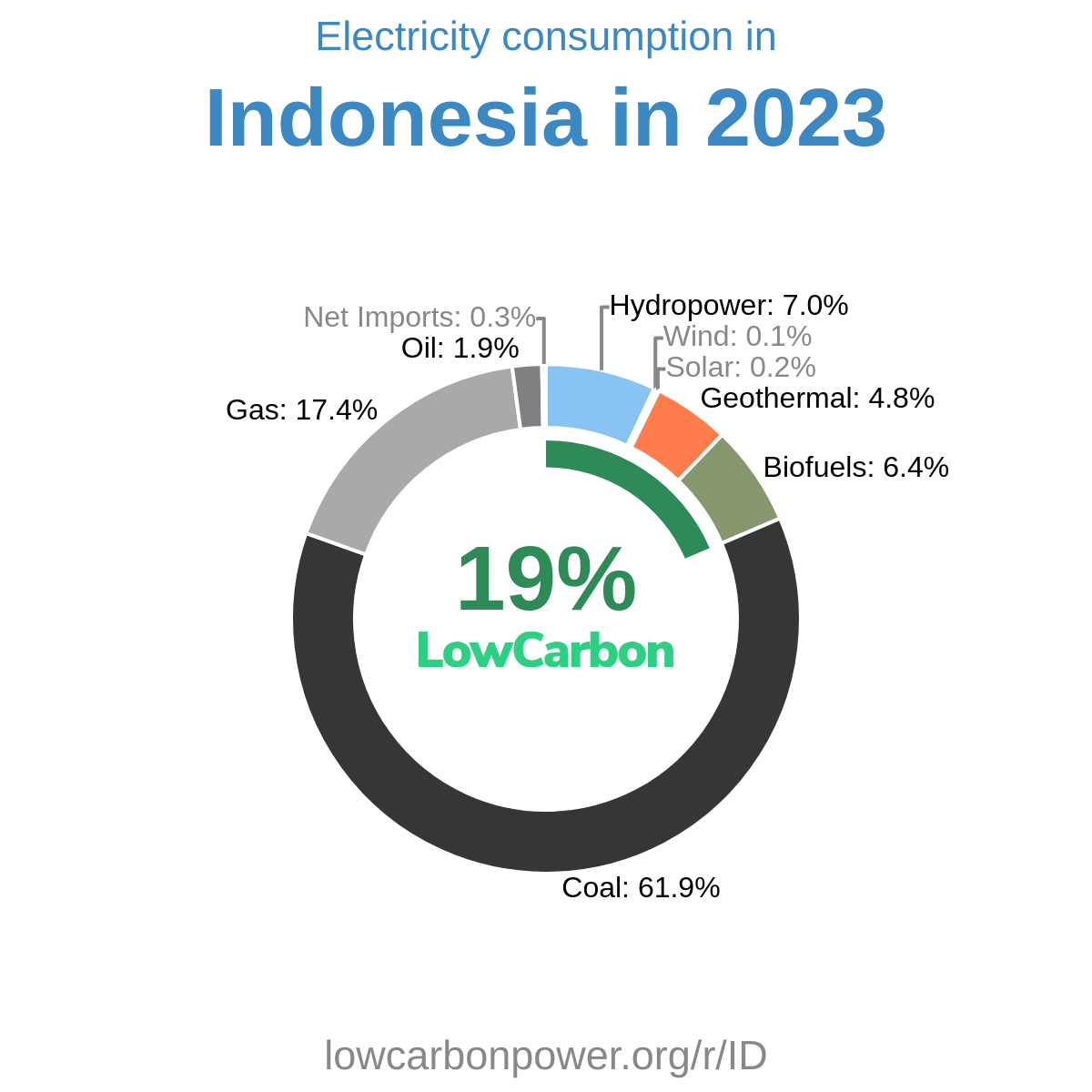
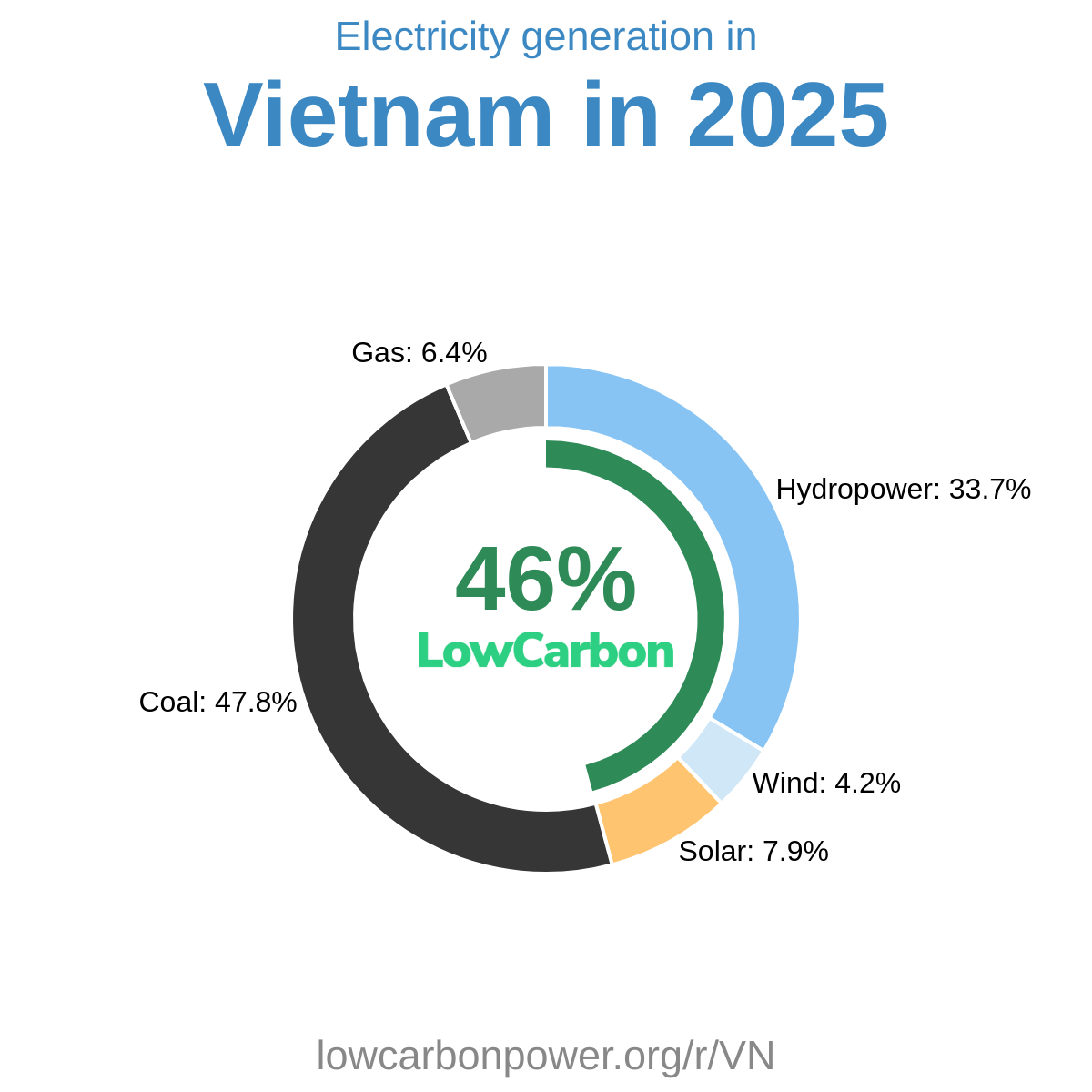
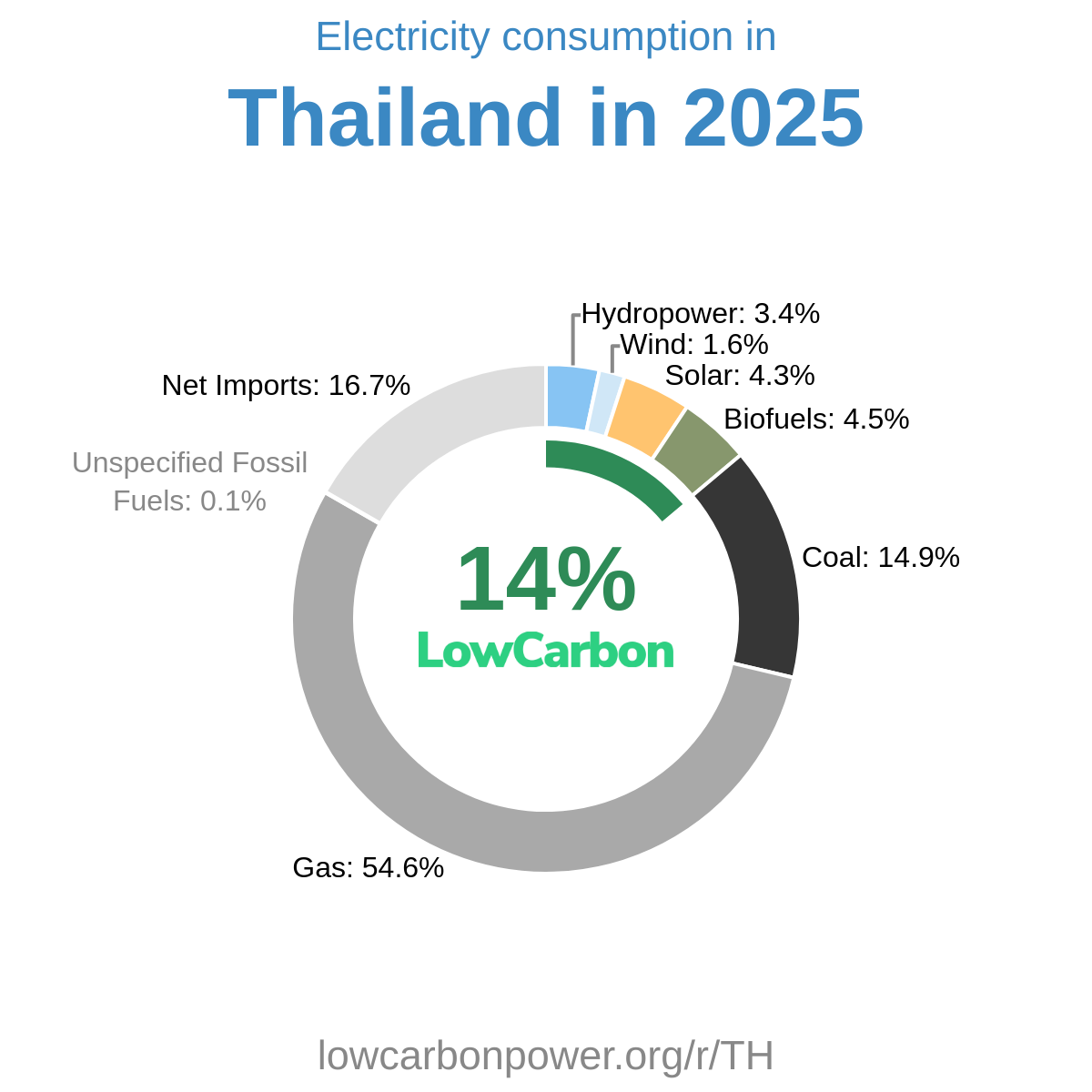
Nearby Regions
.png)