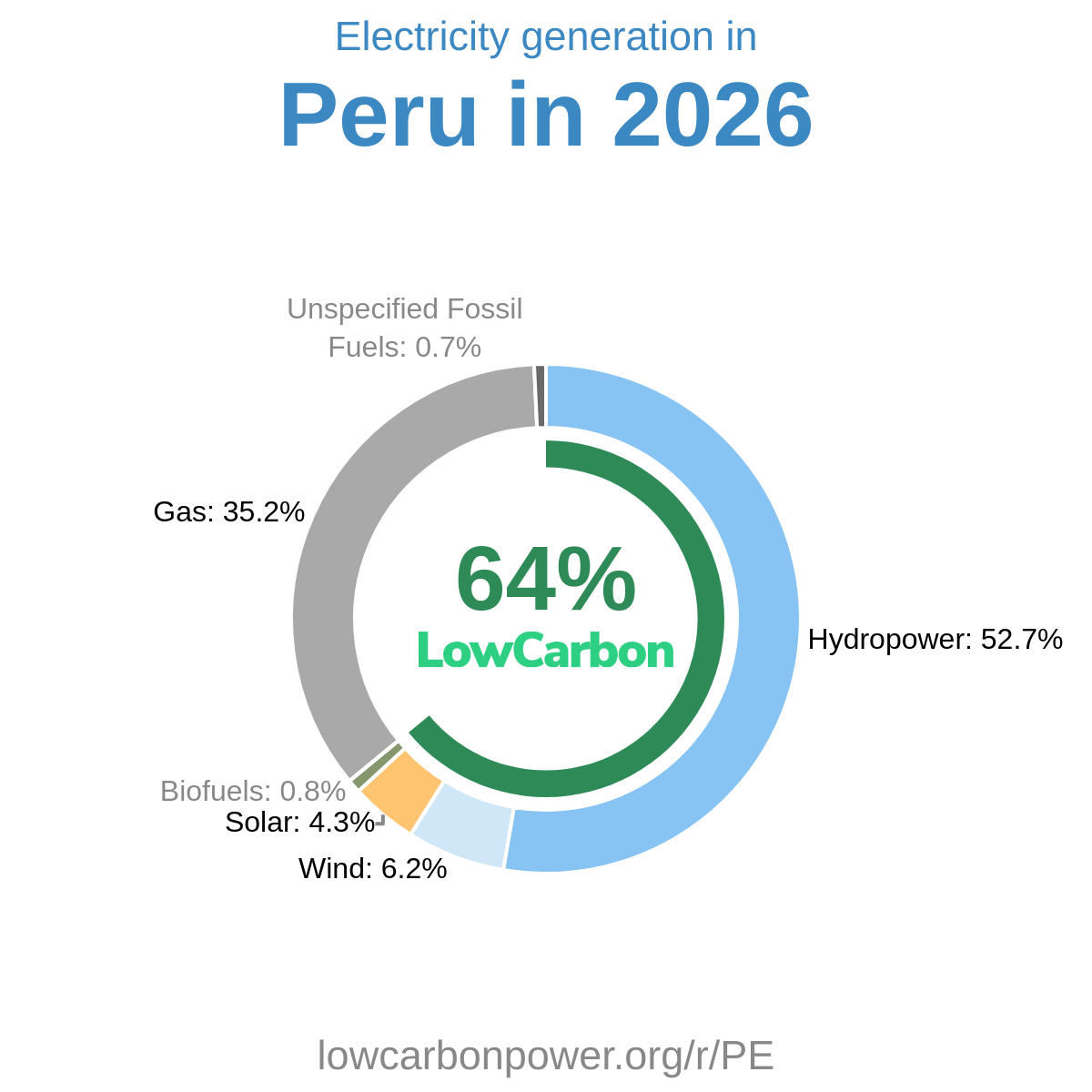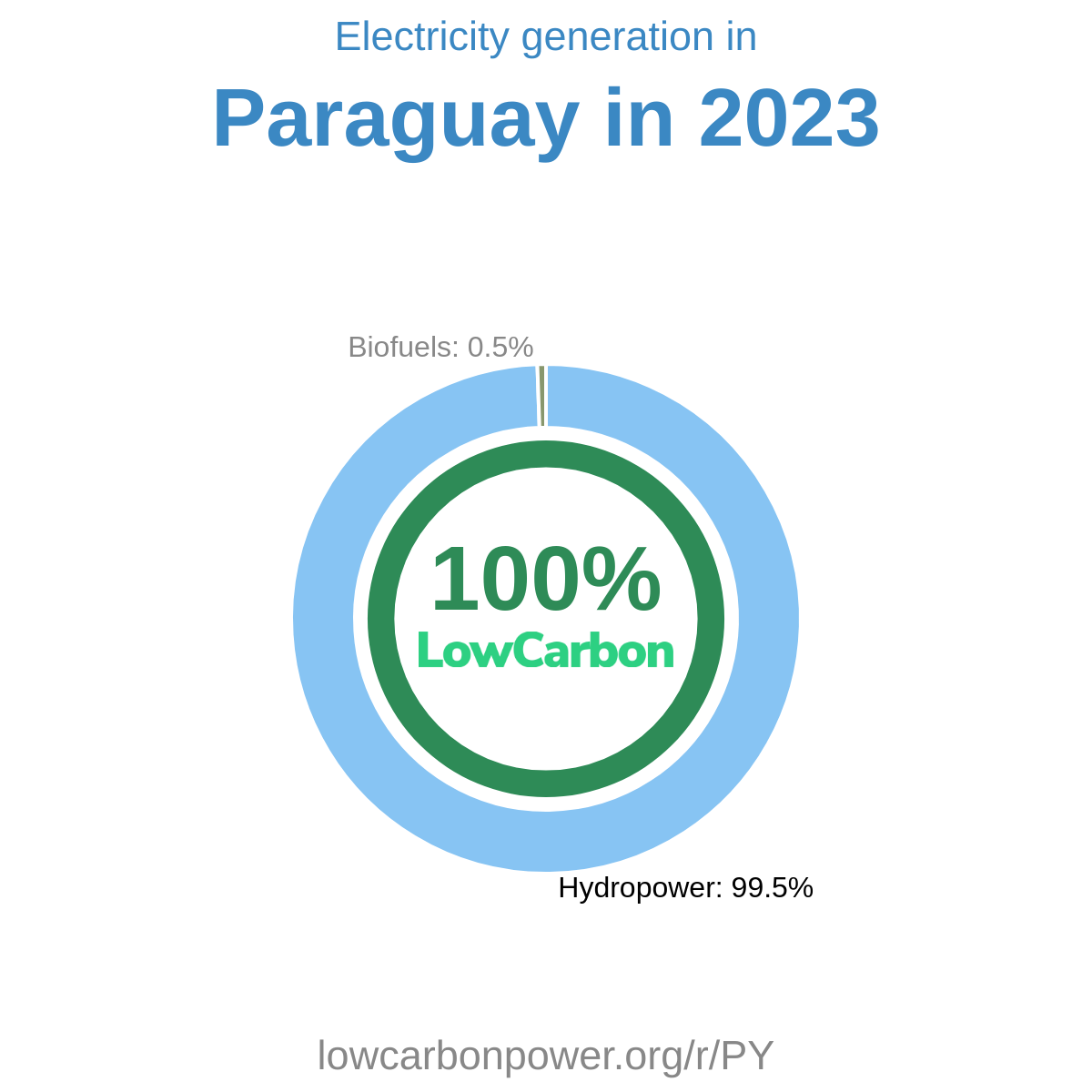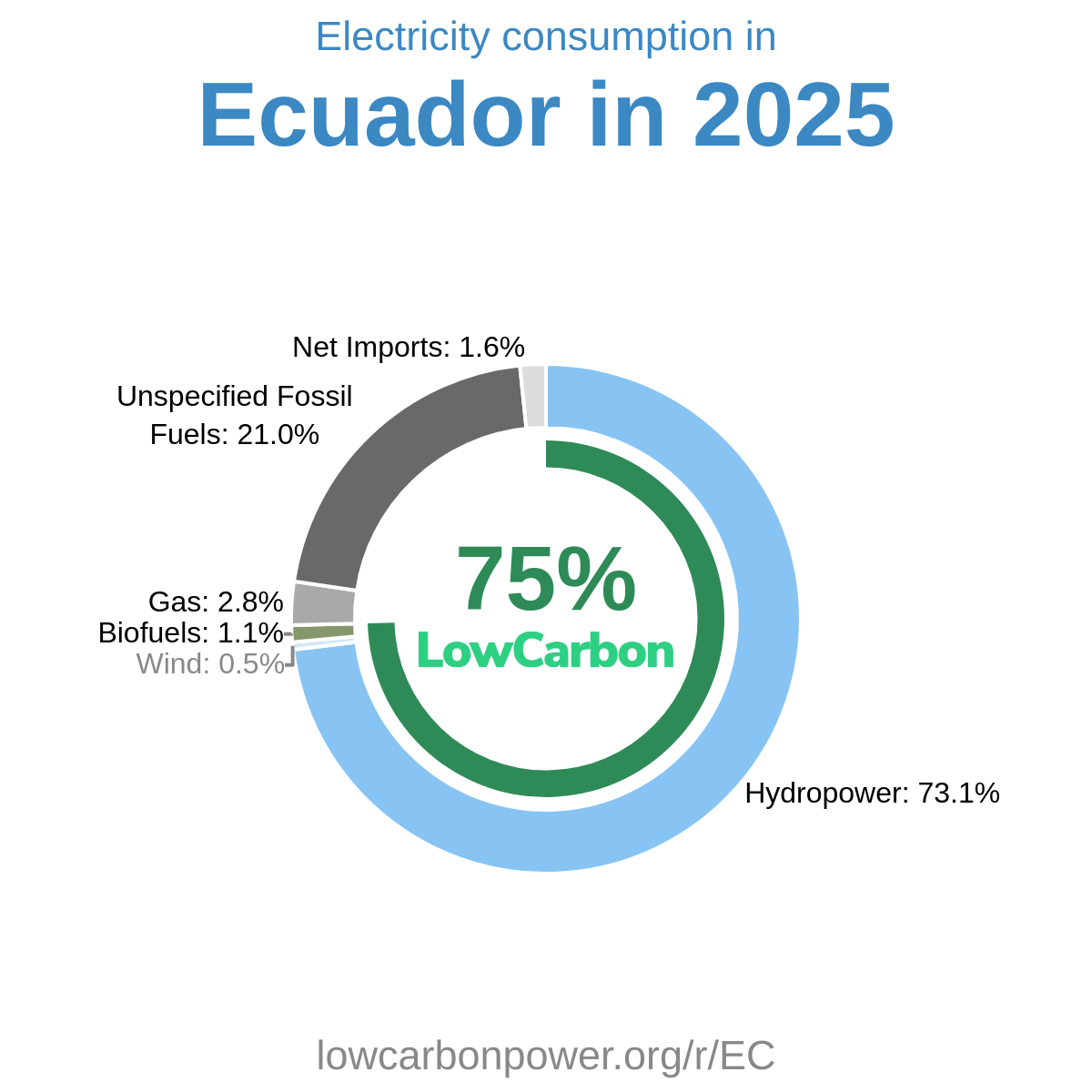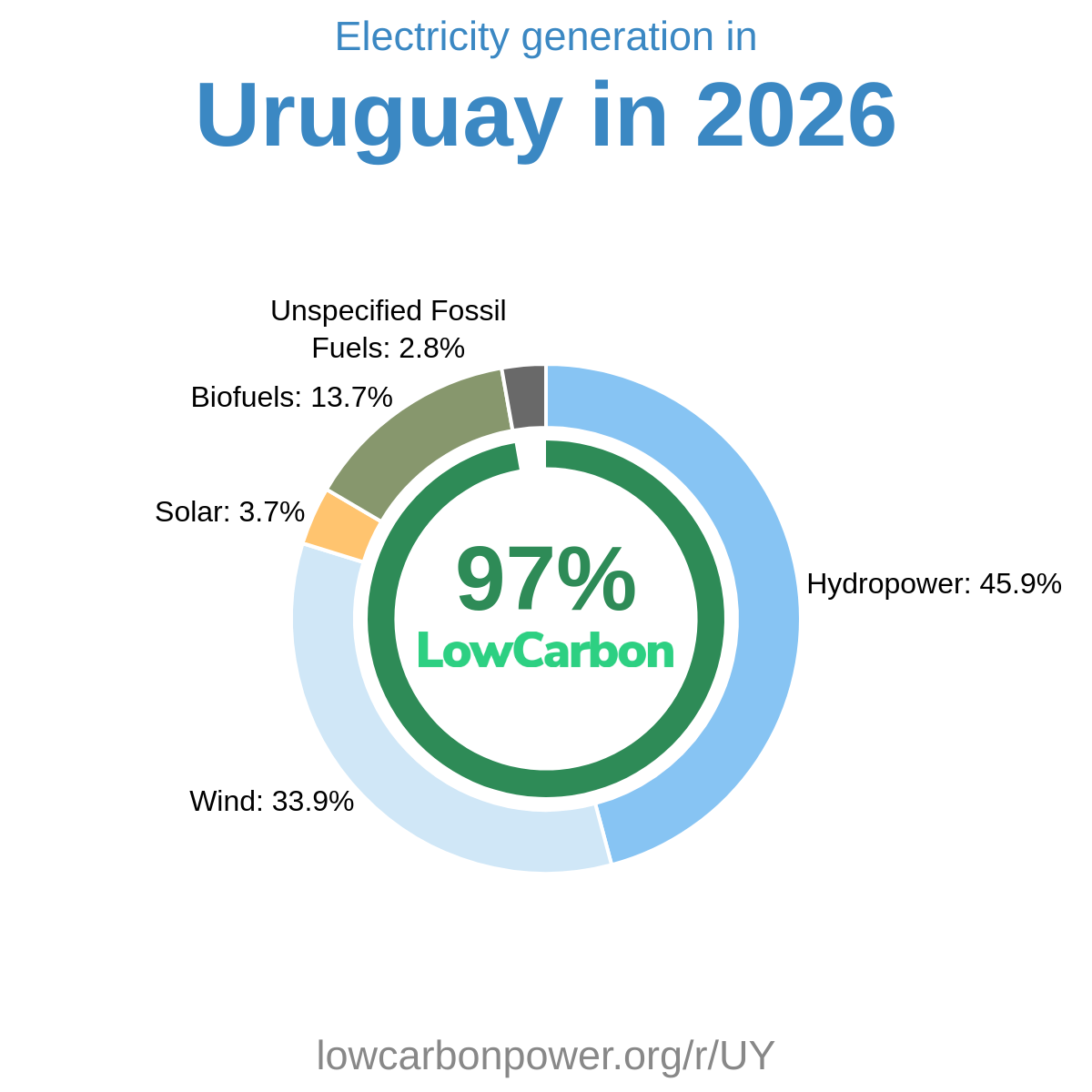


Colombia has made significant strides in reducing its reliance on fossil fuels for electricity, with more than 80% of its electricity coming from low-carbon sources in 2025. A large chunk of this clean energy is supplied by hydropower, which contributes over 73%, while solar energy makes up a smaller yet vital portion. Meanwhile, fossil fuels, with contributions from gas, coal, and oil, still account for almost 20% of electricity generation. As Colombia looks toward the future, the challenge will be to further electrify its transport, heating, and industrial sectors, which will require a substantial increase in electricity generation capacity.
Is Electricity Growing in Colombia?
Colombia has seen slight growth in its overall electricity consumption, climbing to 1680 kWh per person in 2025, which is a modest increase from the historic record set in 2015. Furthermore, low-carbon electricity generation has advanced as well, with recent figures reaching 1344 kWh per person, marking a meaningful rise from 2017's previous achievement. This development highlights a positive trend toward more sustainable energy use, but the pace of growth leaves room for significant improvement, especially given the need for expanded electricity usage to support electrification across sectors.
Suggestions
To enhance its low-carbon electricity generation, Colombia should consider increasing investments in solar and perhaps explore the untapped potential of nuclear energy. Expanding solar infrastructure will not only tap into the country's abundant solar resource potential but also foster sustainable economic growth. While Colombia has not yet built nuclear plants, initiating a nuclear energy program will provide a steady, reliable, and substantial clean energy source that could greatly contribute to diversifying and stabilizing its energy mix. Transitioning from fossil-based generation to these methods will also reduce climate impacts and improve air quality for its population.
History
Historically, Colombia’s journey in hydropower has seen fluctuations. The early 1990s and late 90s experienced both expansion and setbacks in hydroelectric generation owing to climate variability, with notable increases such as those recorded in 1993 and 1996. Large gains occurred in 2011 with an increase of 8.5 TWh and again in 2017 with a striking 12.3 TWh addition. More recent trends saw another significant rise of 13.2 TWh in 2025 despite occasional declines, indicating efforts to stabilize and enhance this cornerstone of Colombia's low-carbon electricity supply. By learning from historical patterns and investing in diversification through solar and nuclear, Colombia can secure a clean energy future.
Electricity Imports and Exports
Balance of Trade
Nearby Regions