

In Malawi, electricity consumption in 2022 was shaped primarily by low-carbon sources, contributing more than nine-tenths of the total electricity usage with hydropower being the dominant form at 1.69 TWh. Overall, low-carbon sources in Malawi generated approximately 1.75 TWh of electricity. The reliance on fossil energy was close to none, highlighting Malawi's significant potential in clean energy production. However, the per capita electricity consumption was just 89 kWh, remarkably low compared to the global average of 3412 kWh per person. This substantial gap suggests that limited electricity generation might impact economic growth, education, and overall quality of life in the country, as access to abundant and reliable electricity is critical for development and the mitigation of climate change impacts.
Data sources used on this page include EIA, Ember and Enerdata. More about data sources →
Is Electricity Growing in Malawi?
Unfortunately, the trend of electricity consumption in Malawi shows a significant decline from 2014 when the consumption per person was 131 kWh. The current level stands at 89 kWh per person, indicating a concerning decrease of 42 kWh. Similarly, low-carbon electricity, primarily from hydropower, experienced a drop from 123 kWh per person in 2014 to 85 kWh in 2022, a reduction of 38 kWh. This decline raises concerns about the capacity-building efforts for generating clean energy in the country, necessitating immediate actions to restore and surpass past levels to ensure sustainable development and energy access for all.
Suggestions
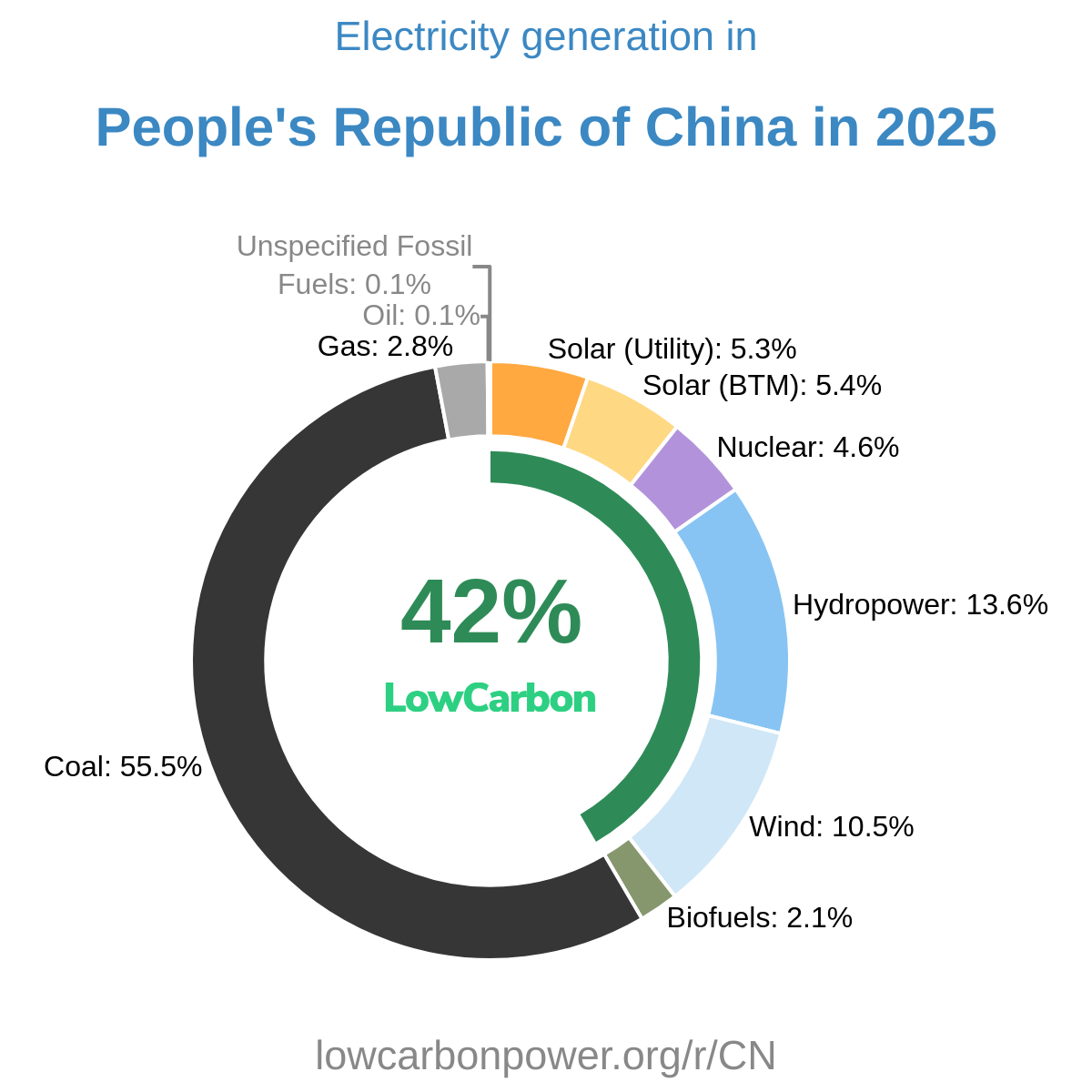
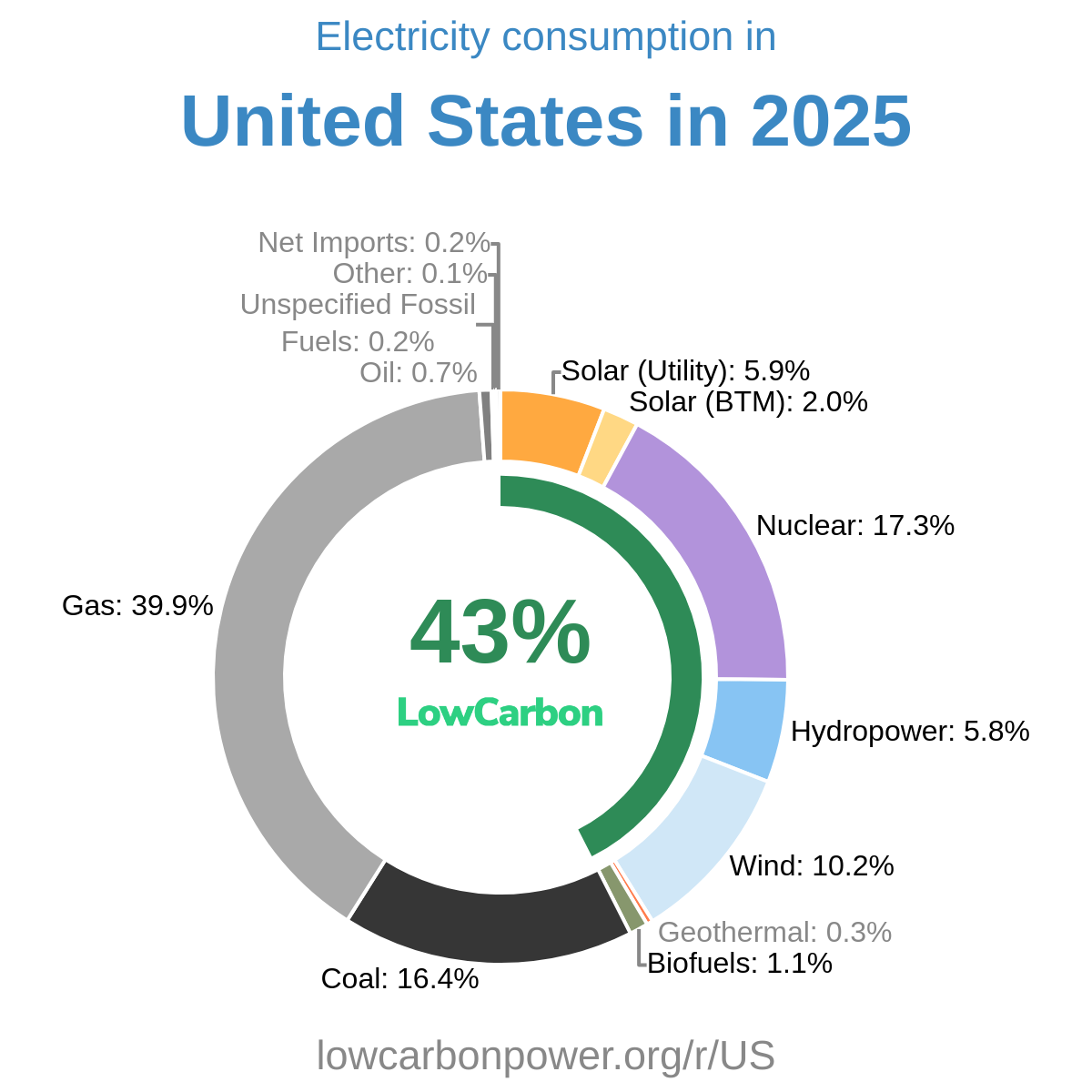
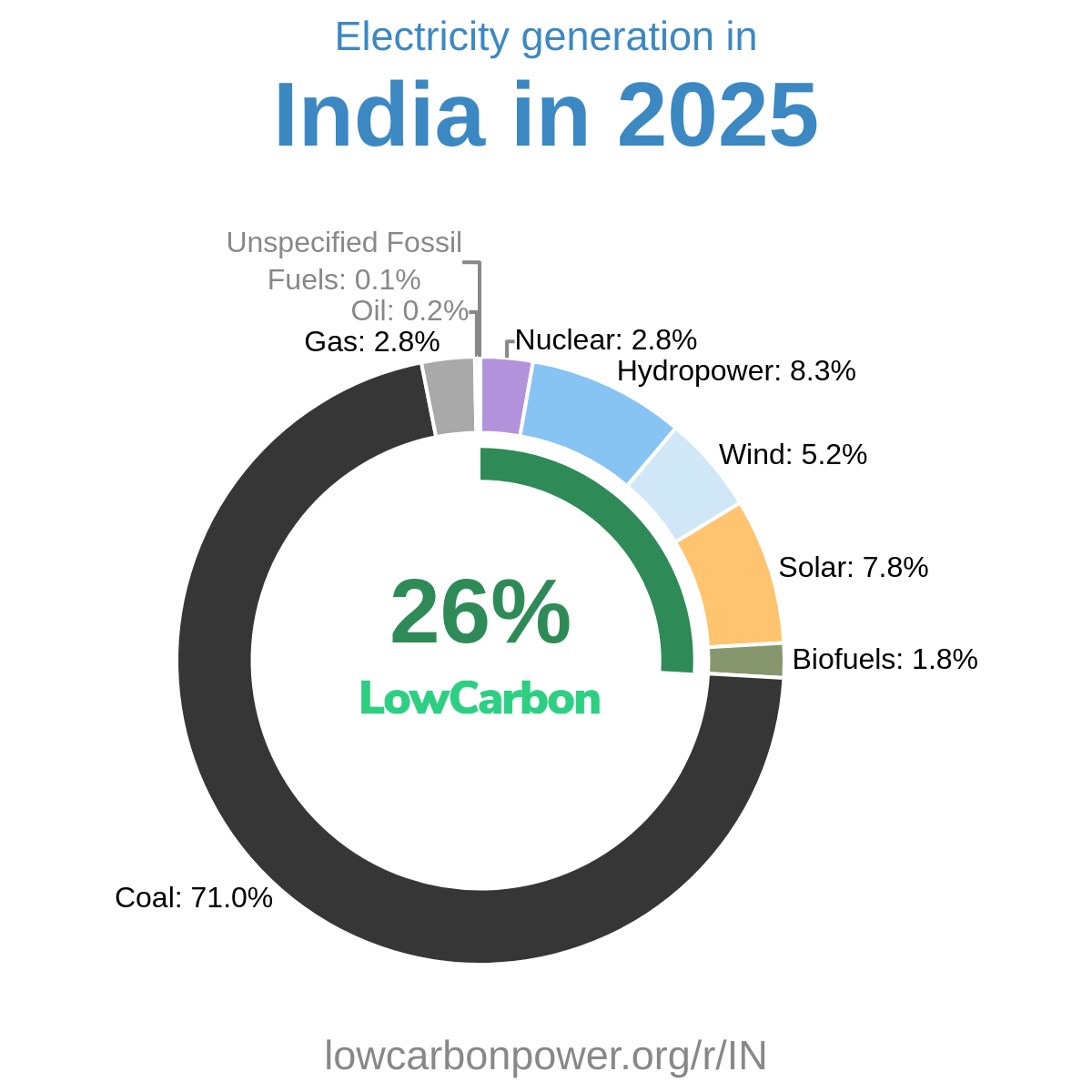
To increase low-carbon electricity generation, Malawi could gain valuable insights by observing regions that have successfully integrated diverse sources of clean energy such as solar and nuclear into their energy mix. Solar energy has seen impressive generation figures in China (1170 TWh) and India (166 TWh), suggesting that solar investments could meet Malawi's geographic potential. Additionally, a push towards nuclear energy, as demonstrated by successful countries like the United States (784 TWh) and France (373 TWh), could provide Malawi with a reliable and continuous power supply, further supporting the drive towards economic growth and reducing dependence on fossil fuels, which contribute significantly to climate change and pollution.
History
The history of low-carbon electricity in Malawi highlights the consistency in harnessing hydropower, with incremental increases in the early 1990s and early 2000s, showing potential for gradual expansion. However, there were notable declines in 2017 and 2018, when hydropower generation fell by 0.1 TWh and 0.4 TWh respectively. Despite these setbacks, there was an increase again in 2019 by 0.3 TWh, signaling a resilience in the sector. These fluctuations underscore the necessity for strategic planning and investments in low-carbon energy infrastructure, not only to stabilize but to accelerate growth in clean electricity generation over the coming years. By building on past achievements and learning from global leaders, Malawi can ensure a more stable and sustainable energy future.