

In 2022, Mauritania's electricity consumption heavily relied on fossil energy, with more than half of its electricity generated from these sources, specifically 59%. In contrast, low-carbon energy sources accounted for about 22% of the electricity mix. The low-carbon segment was primarily made up of hydropower (10%), followed by solar (7%), and wind (5%). Additionally, the country supplemented its energy needs with imports, which accounted for almost 19% of the total electricity consumption. The reliance on fossil fuels presents significant challenges for Mauritania in terms of sustainability and environmental impact, highlighting the need for increased investment in low-carbon technologies.
Is Electricity Growing in Mauritania?
Looking at electricity consumption over recent years in Mauritania, there is a slight upward trend. In 2022, the total electricity consumption increased to 414 kWh per person from the previous record of 402 kWh per person in 2020, marking a modest increase of 12 kWh per person. However, low-carbon electricity generation seems to be experiencing a downward trend, with only 92 kWh per person generated in 2022 compared to the historic high of 105 kWh per person in 2019, showing a decline of 13 kWh per person. This mixed scenario emphasizes the urgent need for Mauritania to enhance its low-carbon electricity generation to ensure sustainable growth in the long term.
Suggestions
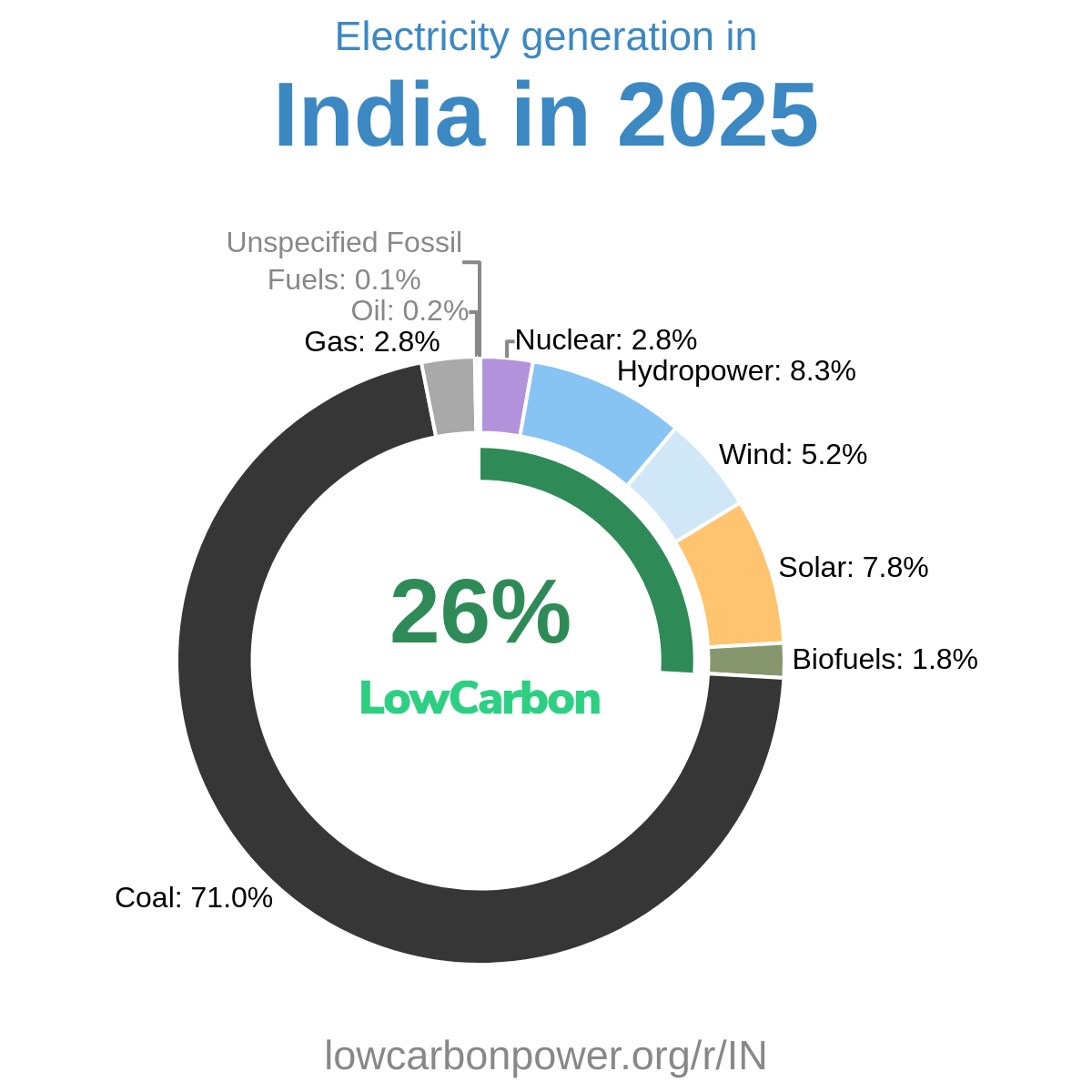
For Mauritania to boost its low-carbon electricity generation, focusing on solar and nuclear energy development would be prudent. Solar energy, particularly in regions with ample sunlight, has seen substantial growth in countries such as Lebanon and Chile, where solar power contributes more than 30% and 24% of electricity, respectively. Nuclear energy provides a significant base load capacity, as evidenced by France, where it produces 67% of its electricity, and Slovakia with 65% from nuclear power. Drawing lessons from these regions, Mauritania can harness its sunny climate to increase solar power while exploring nuclear energy opportunities for a stable, carbon-free electricity supply. Emulating these successful models could accelerate the transition towards a predominantly low-carbon electricity matrix, reducing dependency on imports and fossil fuels, and addressing climate change and air pollution challenges.
History
In the past few decades, Mauritania has experienced some fluctuations in low-carbon electricity generation. Starting in 2009, Mauritania saw an increase of 0.1 TWh in hydropower generation. For several years after, until about 2016, hydroelectric output remained consistent, with a slight drop of 0.1 TWh detected in 2016. Around this same time, other low-carbon projects began; solar and wind electricity entered the stage in 2013 and 2015, respectively. Solar energy made significant progress in 2018 with an increase of 0.1 TWh. While advancements in wind energy were initially slow, it recorded another increase by 2021. These milestones underscore the starting strides of Mauritania towards sustainable electricity, though the progress remains modest. An intensified commitment to expanding clean energy would help Mauritania improve its electricity landscape substantially.
Electricity Imports and Exports
Balance of Trade
Nearby Regions