

Electricity in Montserrat in 2022
The current state of electricity consumption in Montserrat is entirely dependent on fossil fuels, accounting for 100% of its power supply. There is a complete absence of low-carbon or clean electricity generation in the region at present. This level of reliance on fossil fuels is concerning given the global shift towards sustainable energy sources and the growing awareness of climate change and pollution issues associated with fossil energy.
Is Electricity Growing in Montserrat?
Regarding the growth of electricity in Montserrat, the data shows a modest increase in electricity consumption over two decades. In 2022, the average electricity consumption was 2258 kWh per person, which is only slightly higher than the previous record of 2245 kWh per person set in 2002. Therefore, electricity use has seen a minor increase of 13 kWh per person from the historic record. However, the low-carbon electricity generation remains stagnant at 0 kWh per person, unchanged since at least the year 2000, highlighting a significant opportunity for growth and innovation in this area.
Suggestions
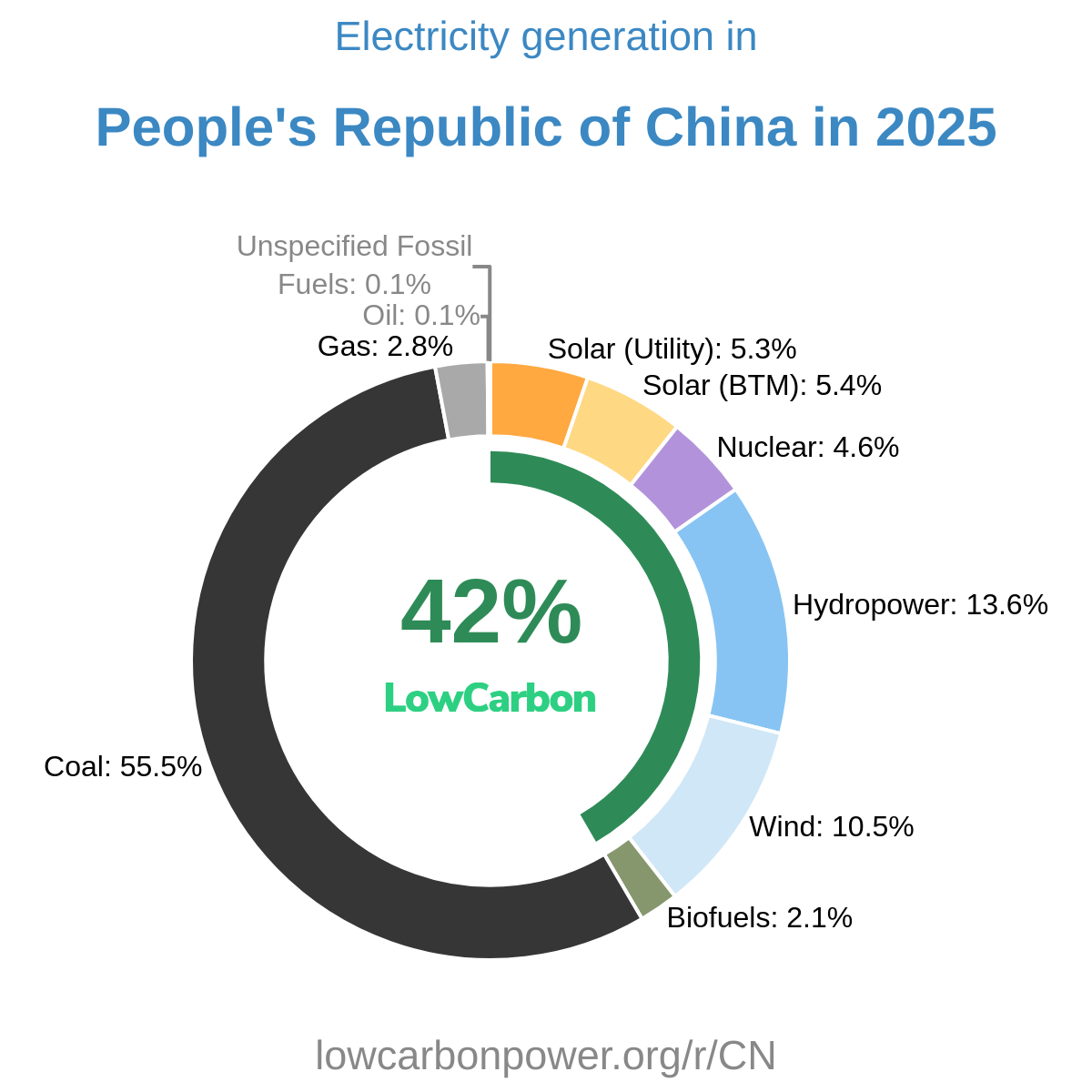
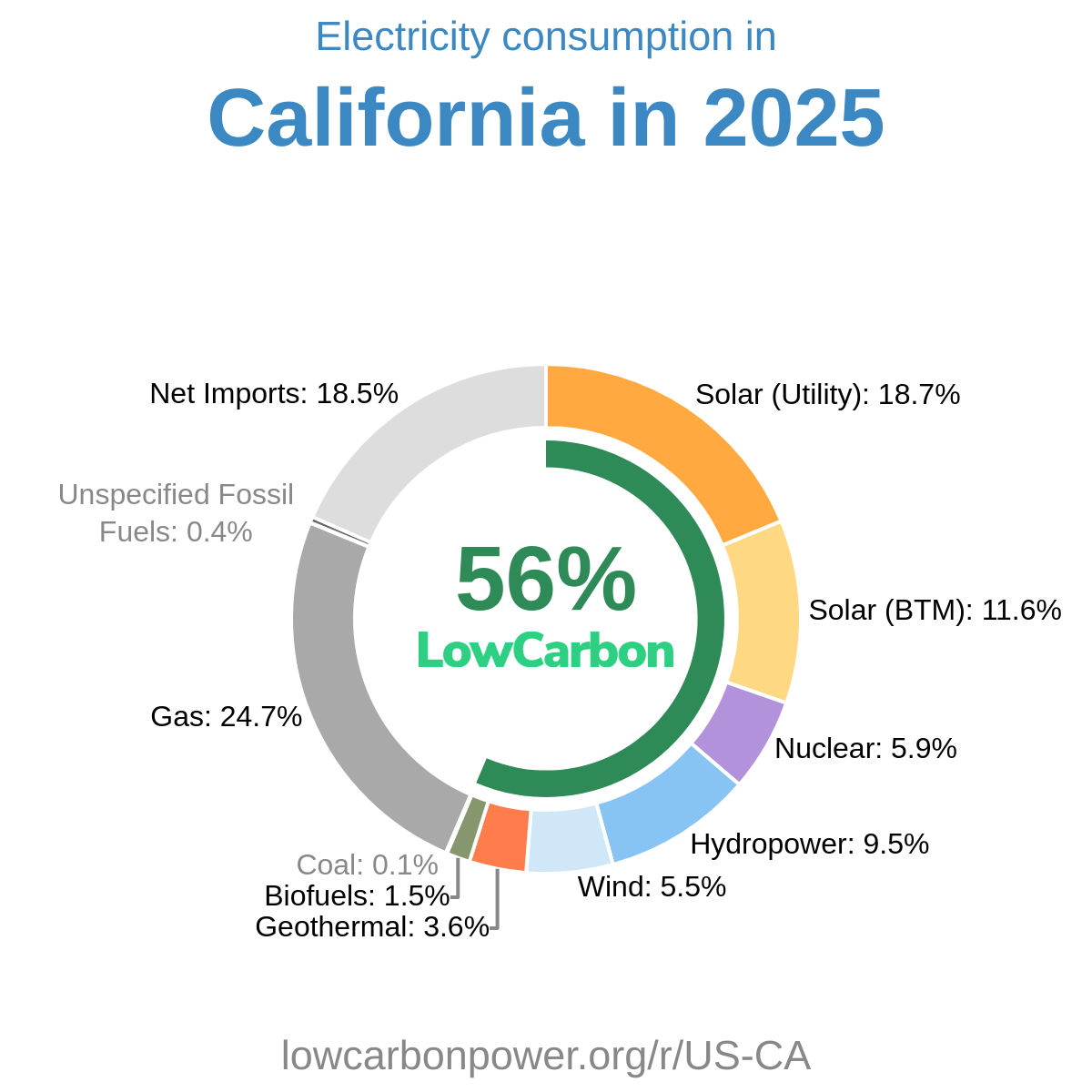
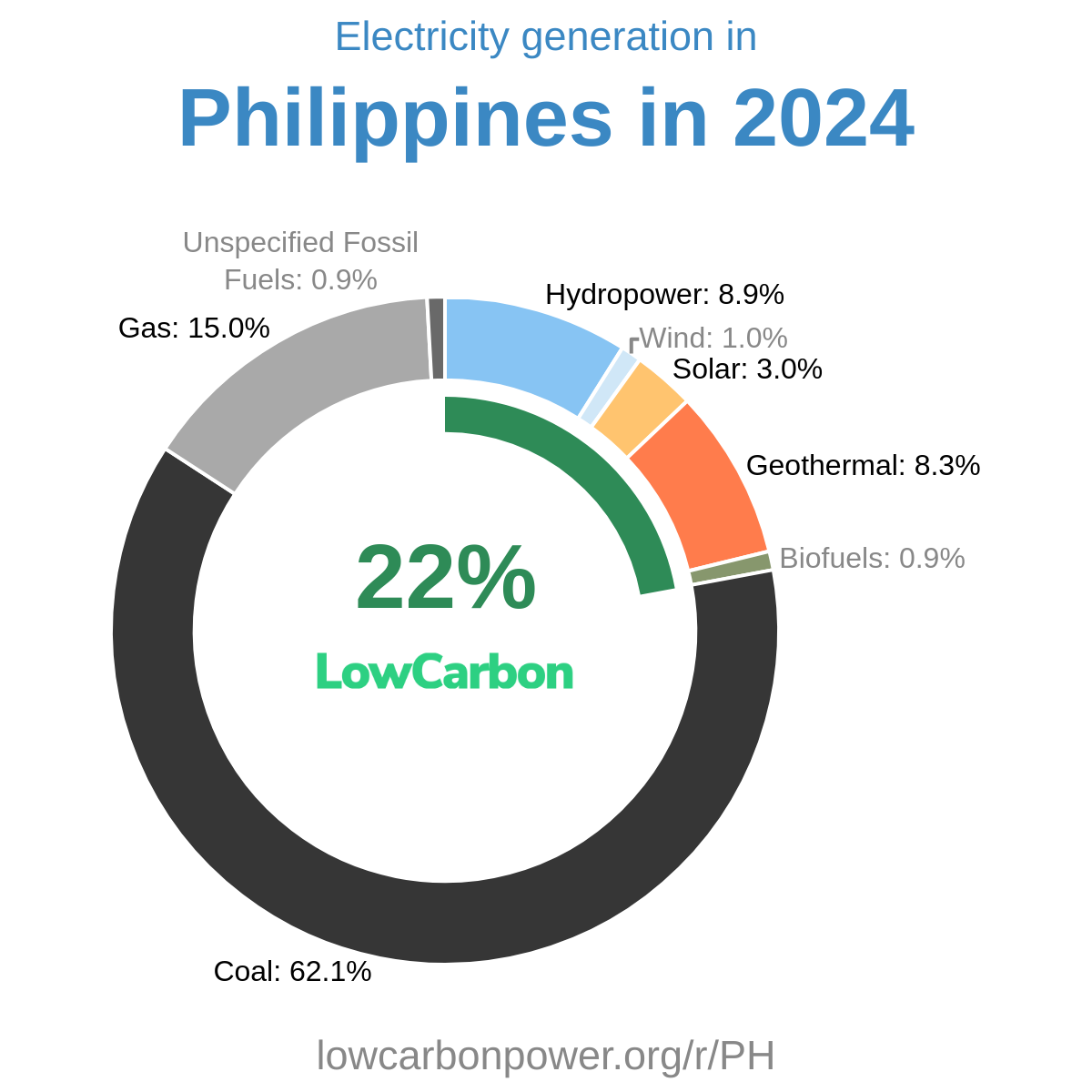
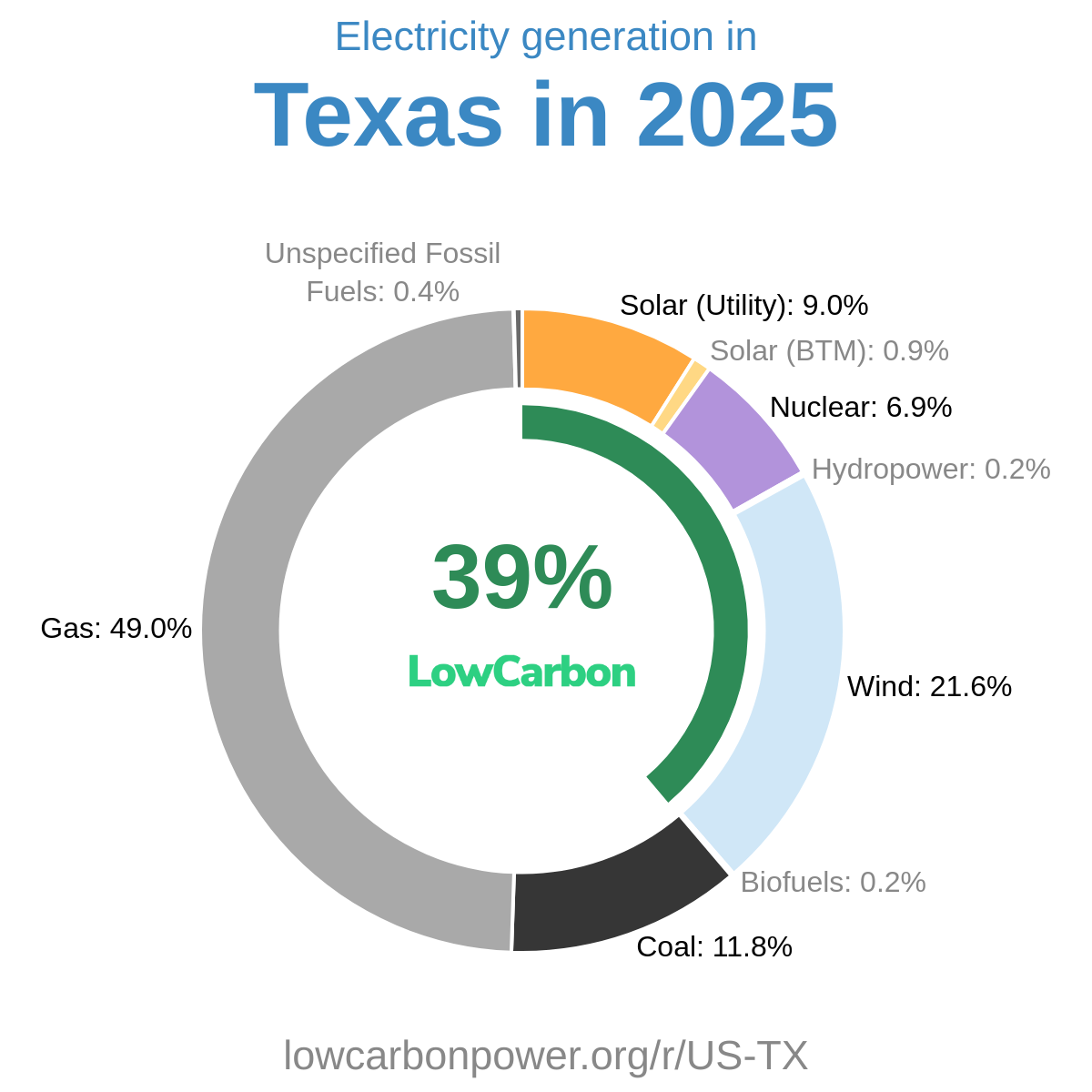
To propel Montserrat towards low-carbon electricity generation, the island can look to successful strategies employed by countries and regions globally. Investing in solar energy, as seen in Nevada, California, and Cape Verde where solar contributes more than 30% of their energy, can be particularly advantageous due to Montserrat's geographical location and solar potential. Additionally, nuclear energy, which contributes significantly to the electricity supply in countries like France and Slovakia, can offer Montserrat a stable and clean energy source. By embracing a combination of solar and nuclear technologies, Montserrat can address its reliance on fossil fuels and improve its contribution to global sustainability efforts.
History
In Montserrat's historical context for low-carbon electricity, the data reveals a consistent absence of clean energy generation throughout recent decades. There have been no recorded increases in low-carbon electricity since 2000, maintaining a status of zero TWh change annually. This stagnation highlights the urgent need for implementing low-carbon solutions. Montserrat must be critical of this history and take bold steps to introduce and expand solar and nuclear energy infrastructures to transform its electricity landscape and reduce environmental impact. A decisive shift towards low-carbon energy will not only enhance Montserrat's energy security but also align with global efforts to combat climate change.
Electricity Imports and Exports
Balance of Trade
Nearby Regions