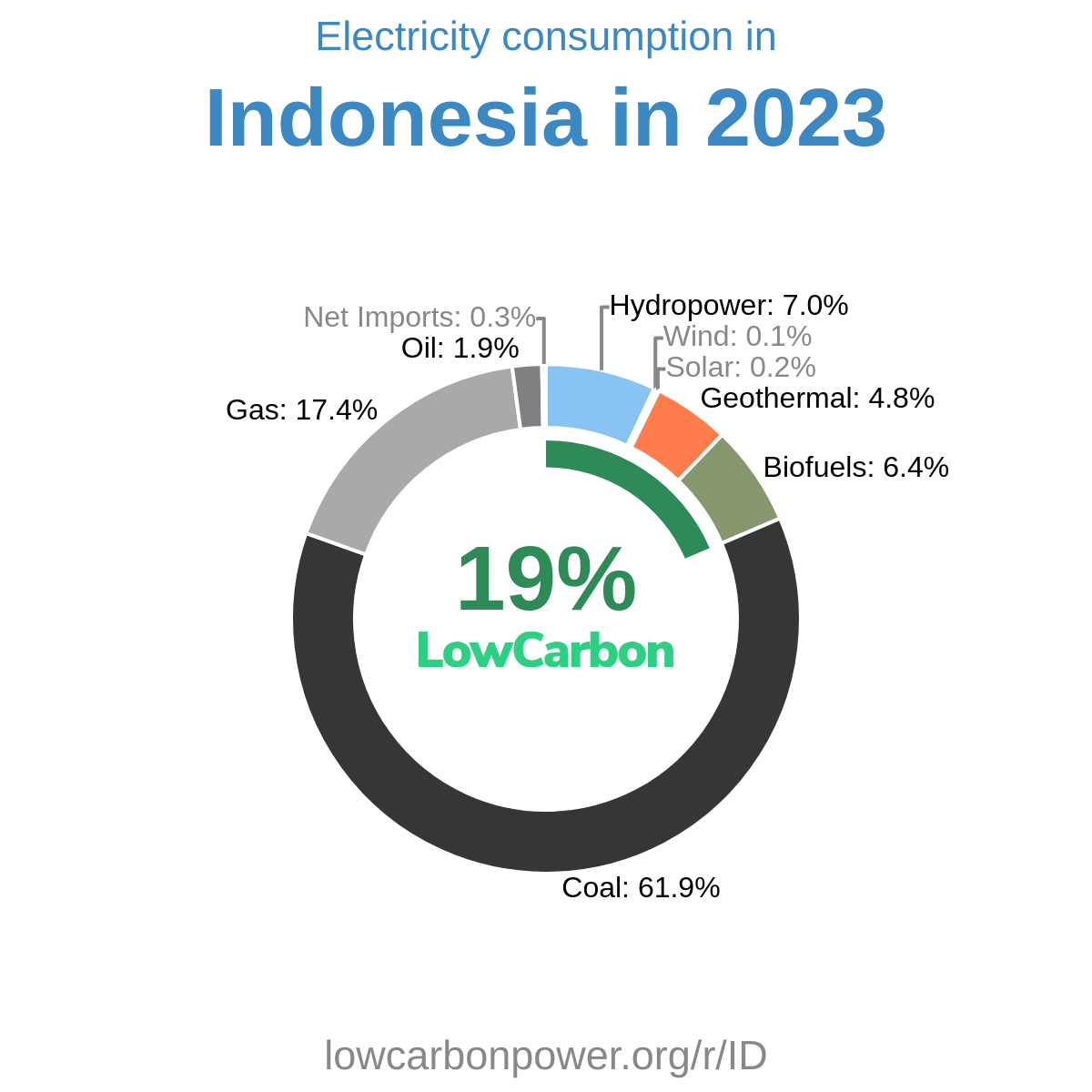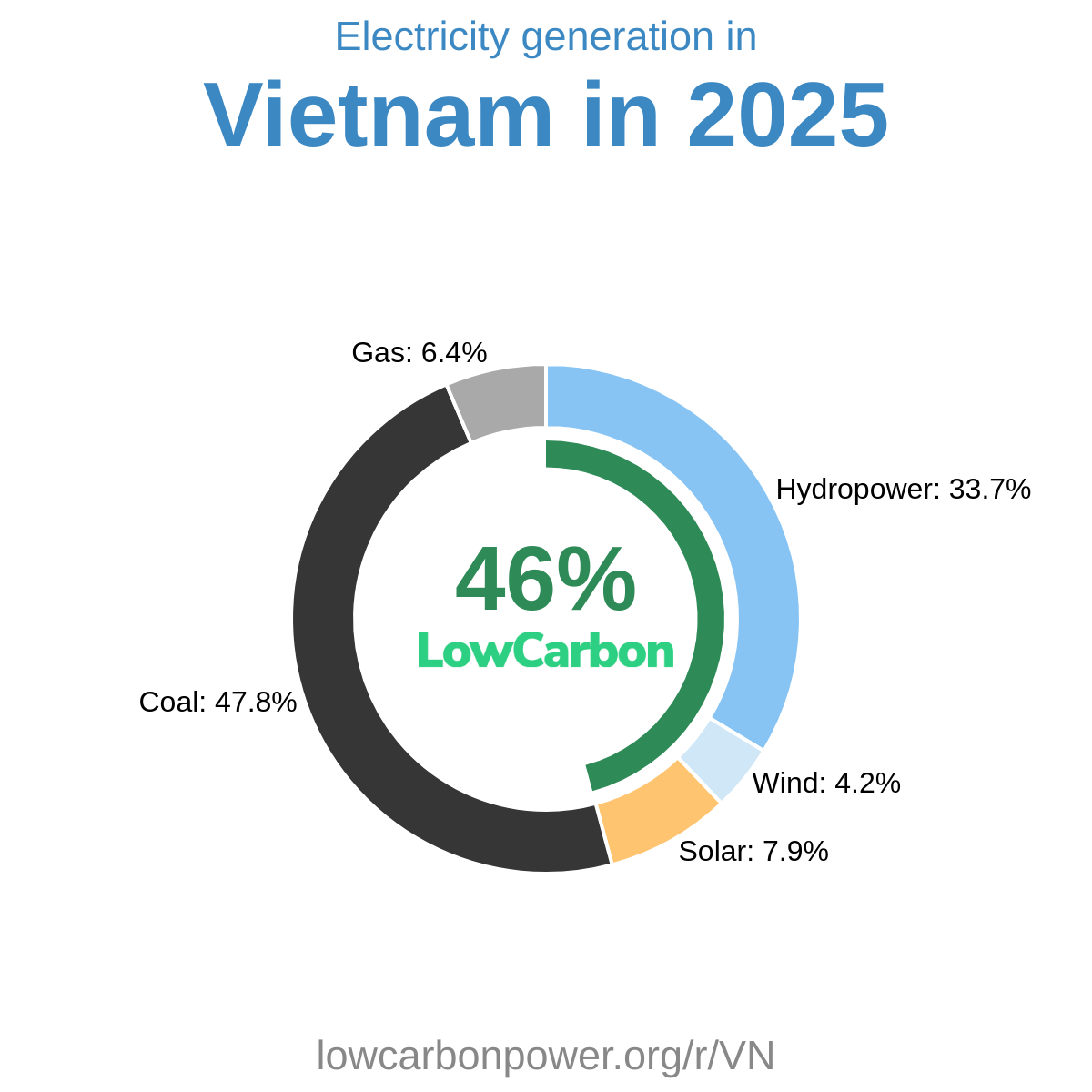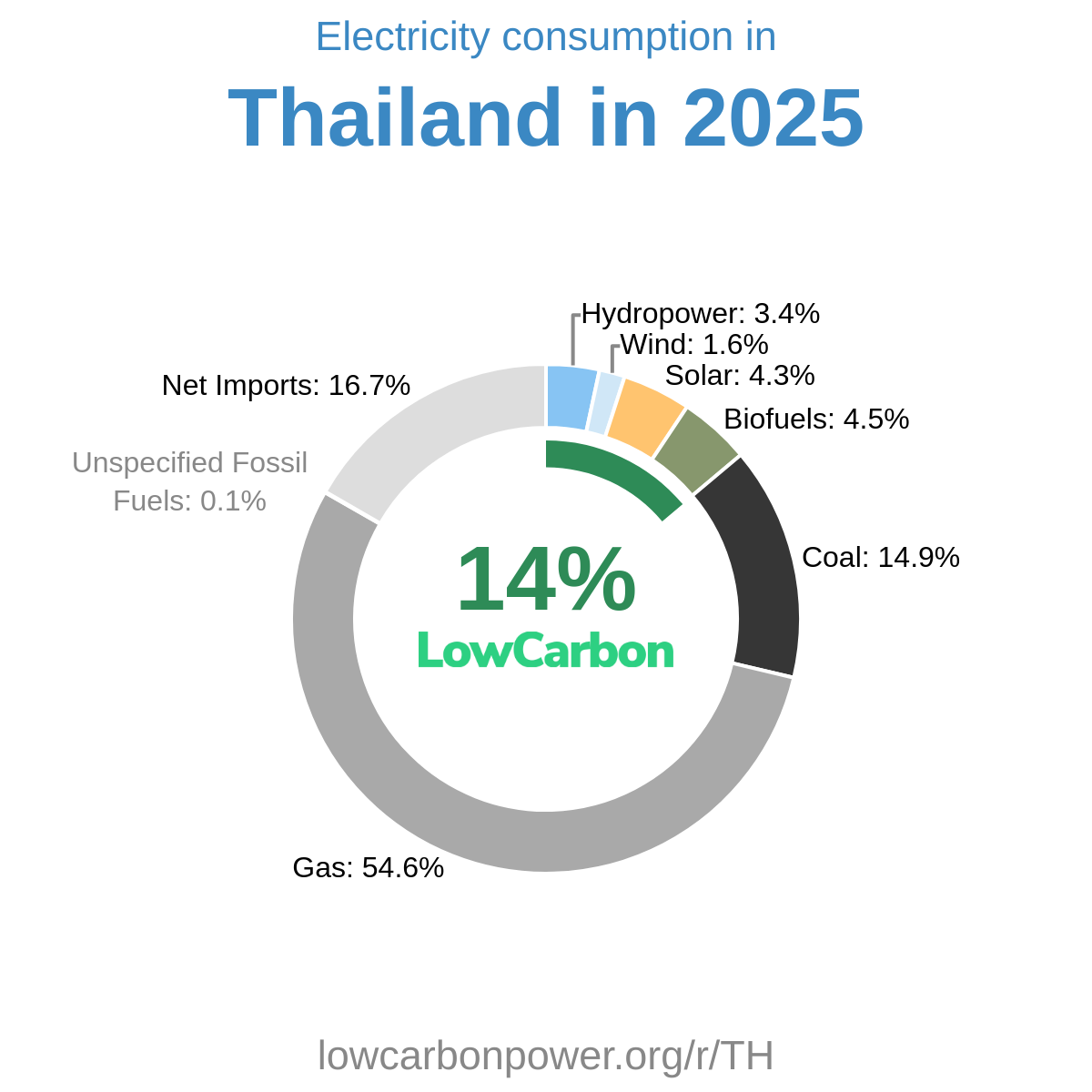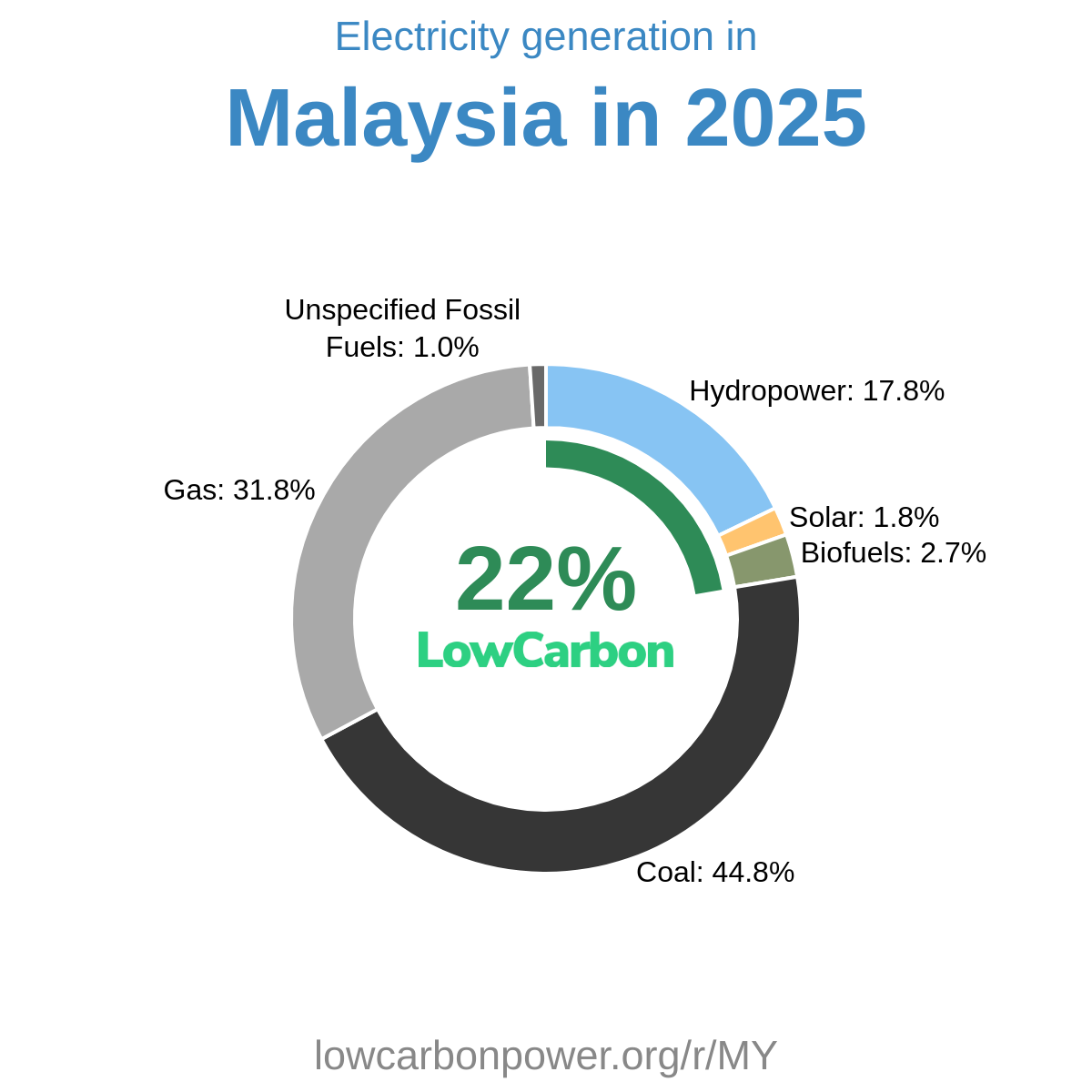


In 2024, Myanmar's electricity consumption is primarily driven by fossil fuels, with nearly 61% of electricity coming from fossil sources, notably gas which accounts for just over half of the total share. Low-carbon sources, particularly hydropower, represent a significant portion, contributing more than 39% to the electricity mix. A smaller portion of low-carbon electricity comes from biofuels, which is close to 1%. While the presence of hydropower as a substantial clean energy source is commendable, the reliance on coal and gas indicates plenty of room for expansion in other low-carbon technologies like nuclear and solar to further mitigate environmental impacts and combat climate change.
Is Electricity Growing in Myanmar (Burma)?
The total electricity consumption in Myanmar has seen a decrease, with the latest figure standing at 464 kWh per person, down from the previous record of 475 kWh per person in 2023. This decline of about 10 kWh per person is concerning, especially as low-carbon electricity generation per person has decreased even more dramatically from a high of 270 kWh per person in 2018 to 182 kWh per person in 2024. Such decreases in consumption and, in particular, clean electricity generation, highlight the urgent need to bolster efforts in scaling up low-carbon energy sources, ensuring that future energy demands are both sustainable and environmentally responsible.
Suggestions
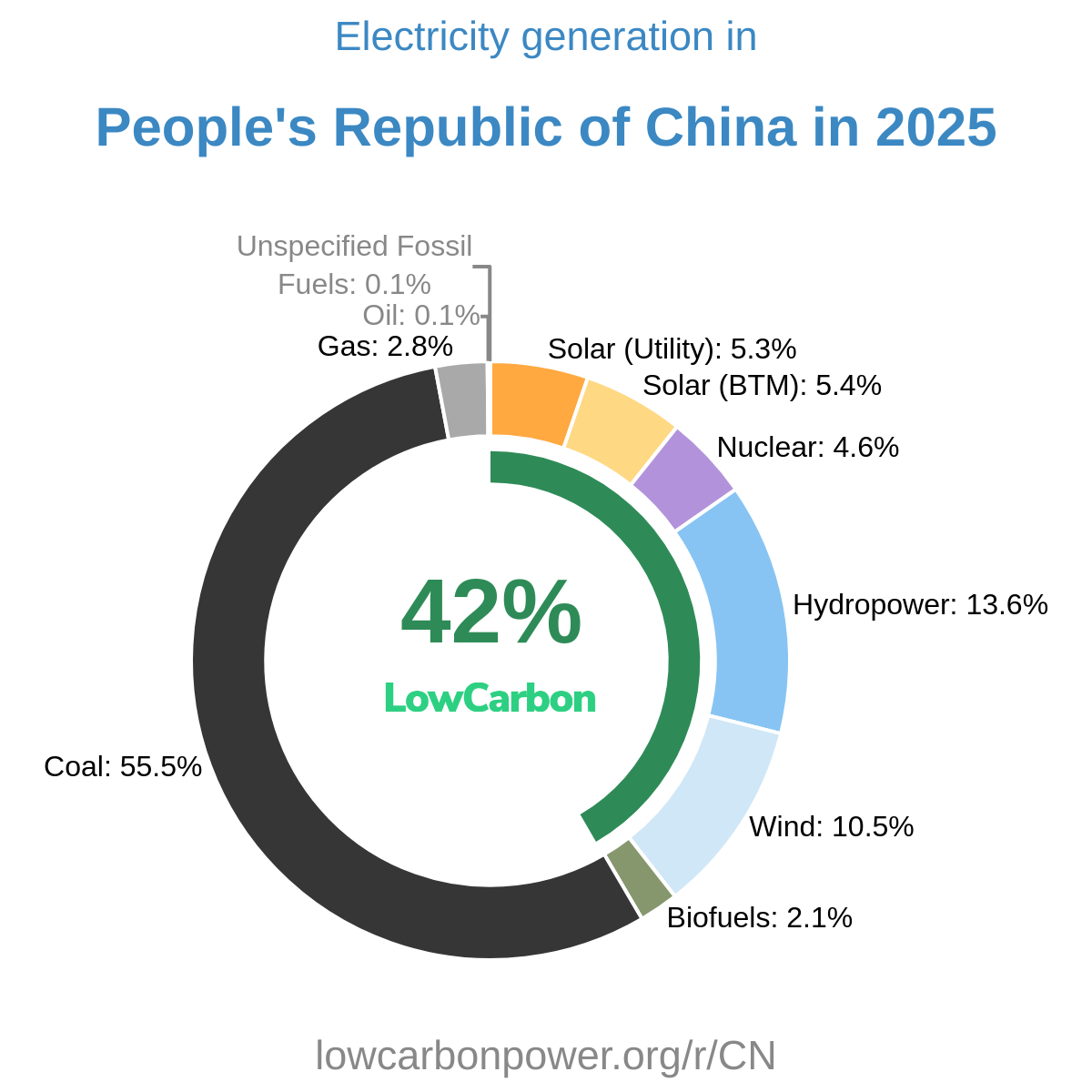
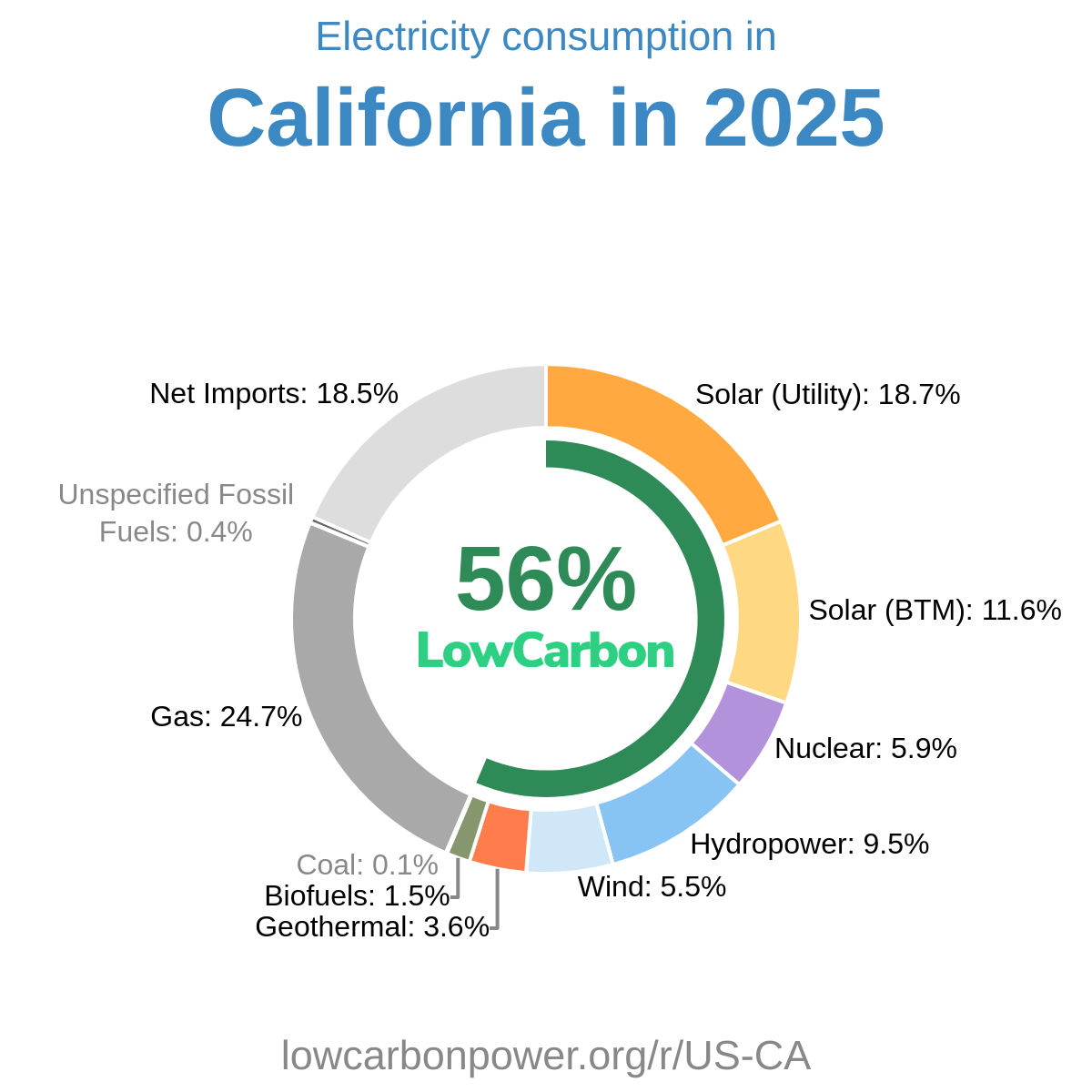
To elevate low-carbon electricity generation, Myanmar could take inspiration from successful countries like France and Slovakia, where nuclear energy comprises upwards of 65% of electricity shares. Furthermore, Myanmar could look at Denmark and Iowa's successes, where wind power represents a significant portion of the electricity generation, at around 60% and 57% respectively. Complementing these efforts with solar energy, as seen in states like California and Nevada where solar energy forms about 31% and 34% of the electricity supply, would further diversify and strengthen Myanmar's clean energy landscape. These strategies can help Myanmar transition to a more sustainable and resilient energy system.
History
Historically, hydropower has seen fluctuating fortunes in Myanmar. From steady increments in the early 2000s, with modest gains each year, the growth accelerated significantly by 2011, underscoring a commendable effort in expanding clean energy capacity. However, the years following 2018 saw a dramatic decline in hydropower generation, with notable setbacks in 2019 and 2020. Small recoveries in recent years indicate a potential turnaround, but the volatility underscores the critical need for a diversified approach to clean energy. To ensure steady progress, Myanmar should invest in other reliable green technologies such as nuclear and solar, expanding its low-carbon footprint and stabilizing its clean energy generation.
Electricity Imports and Exports
Balance of Trade
Nearby Regions