

In 2023, just over half of Nicaragua’s electricity consumption came from low-carbon generation, while fossil fuels supplied about 28% and net imports accounted for roughly 21%. The domestic clean electricity mix included biofuels at about 16%, geothermal at 13%, hydropower at 12%, and wind at 10%. Imports are a separate category: the supplied data do not identify their generation sources, so their low-carbon or fossil composition cannot be determined.
Is Electricity Growing in Nicaragua?
Electricity consumption in Nicaragua is growing, but only slightly. In 2023, consumption reached a new record of 806 kWh per person, up just 7 kWh—less than 1%—from the previous record of 799 kWh in 2022. Low-carbon electricity generation, however, stood at 413 kWh per person, about 25 kWh, or 6%, below its 2021 peak of 438 kWh. The modest consumption increase is welcome, but the shortfall in clean generation is concerning: stronger growth will be needed to support electrification and future electricity demand, including digital services and AI.
Suggestions
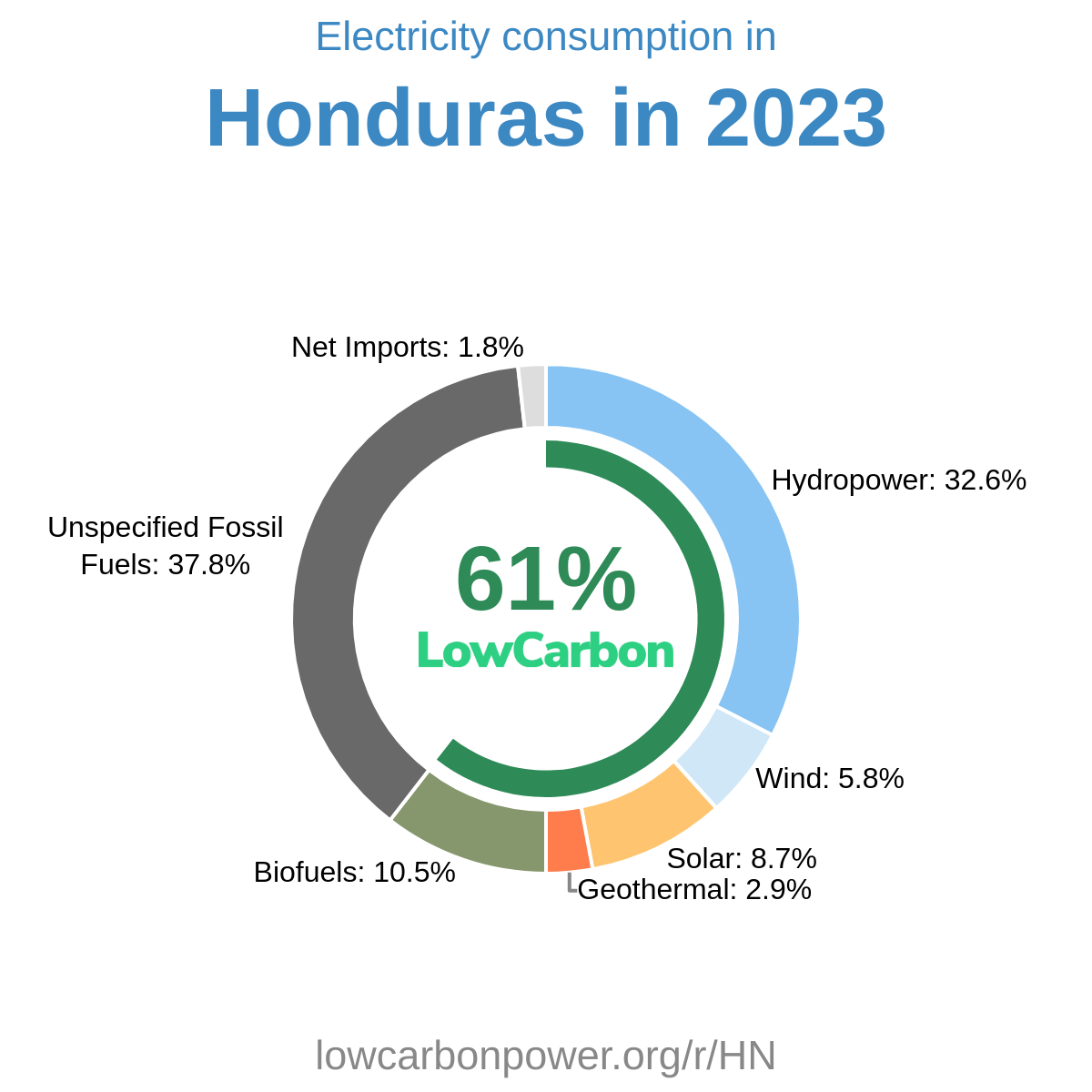
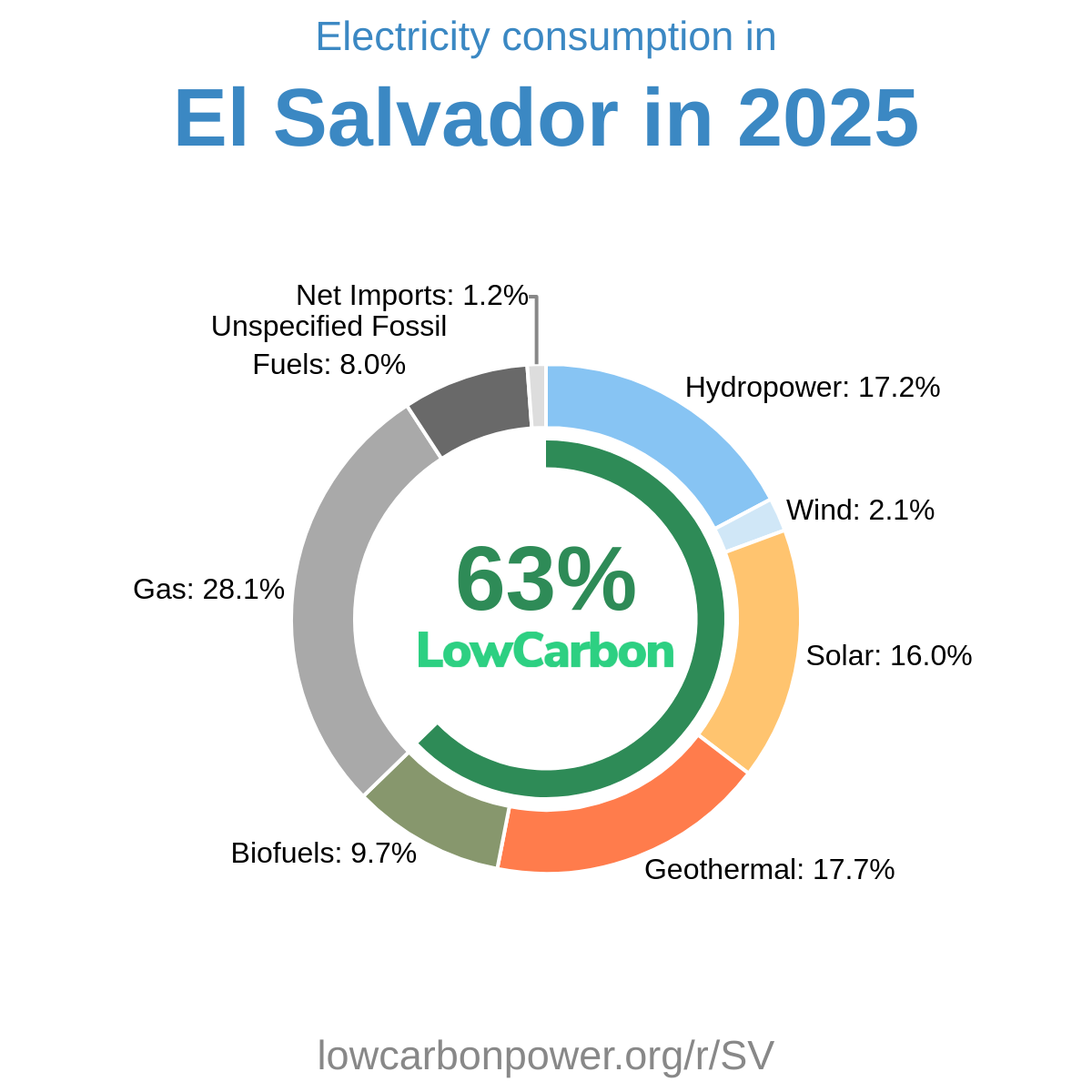
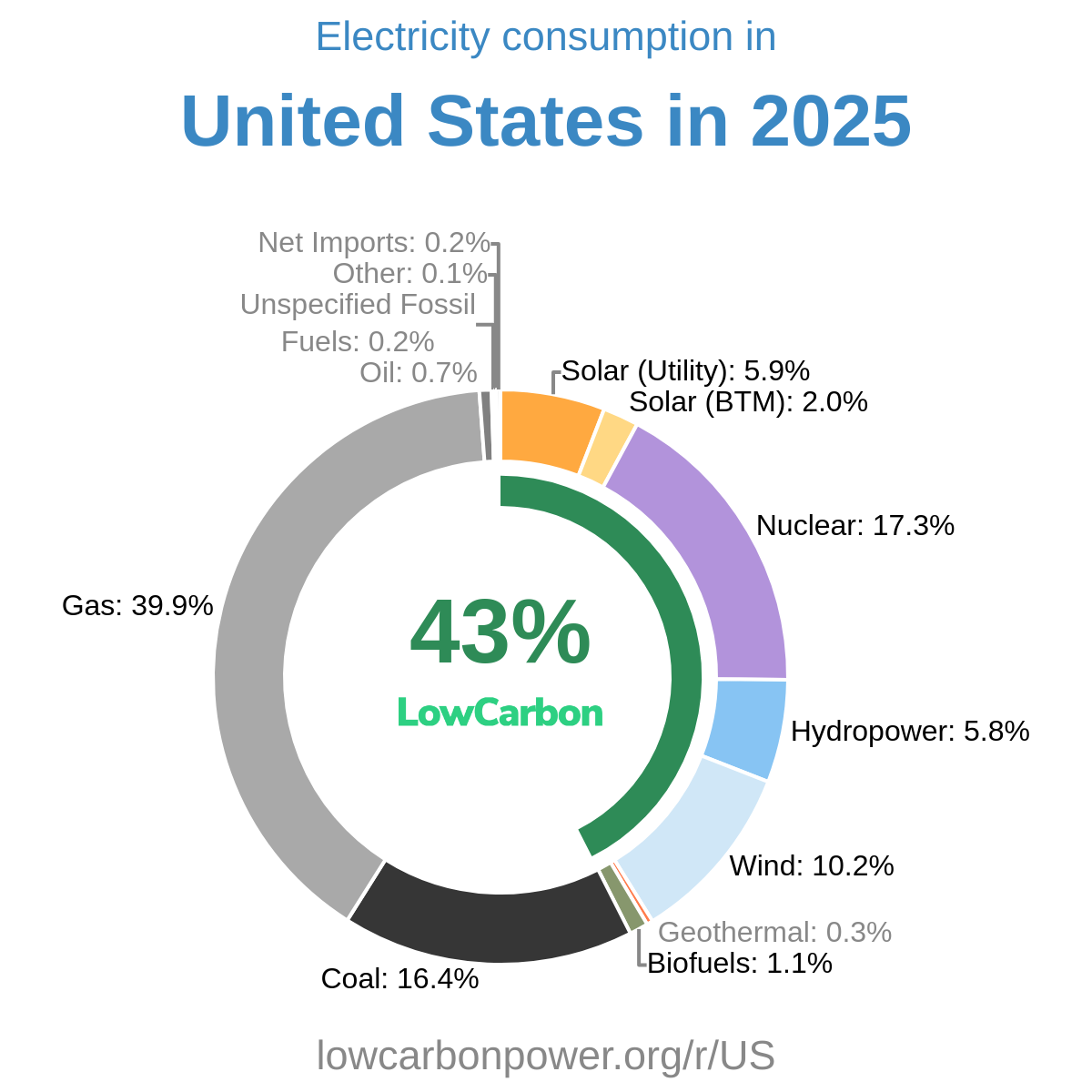
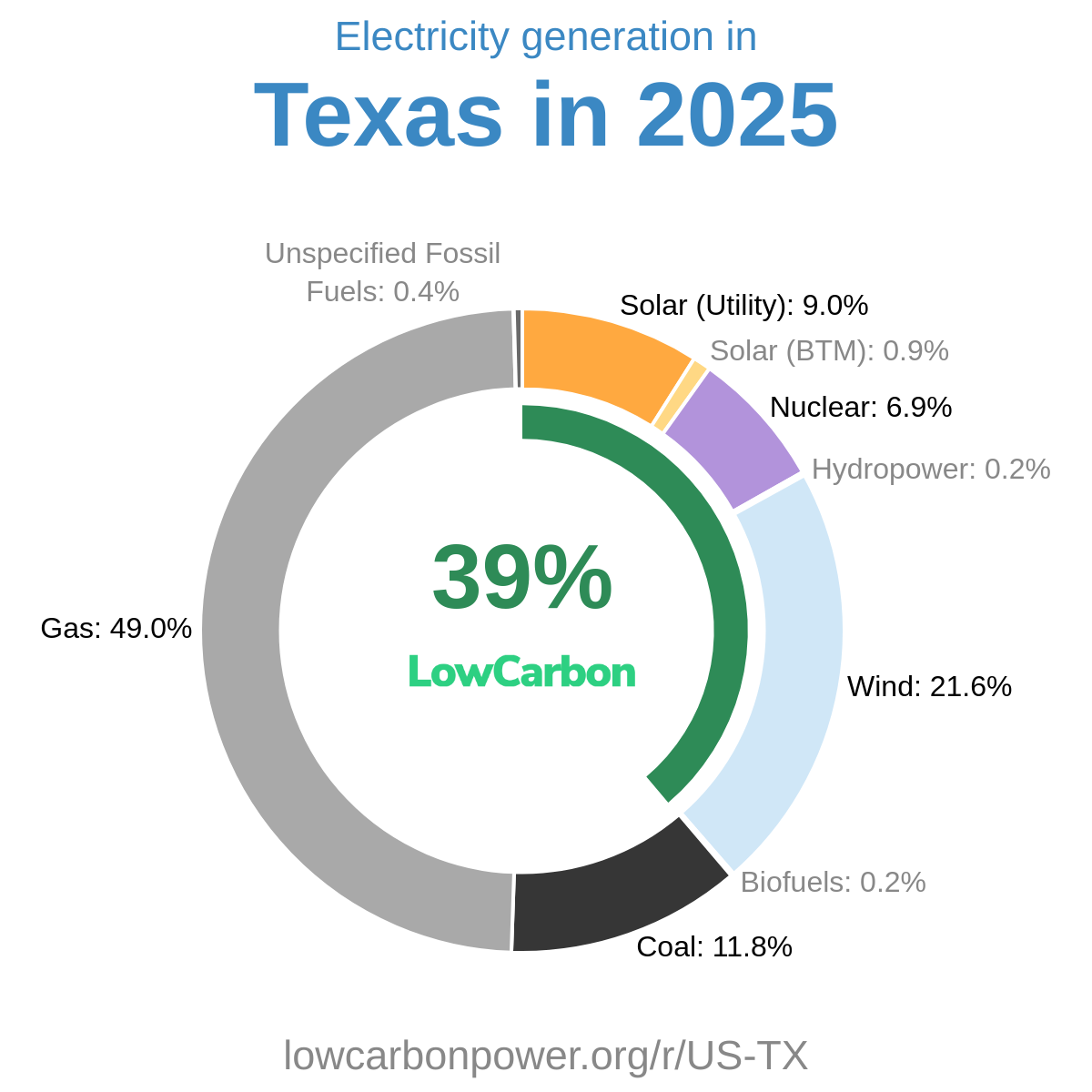
Nicaragua can build on its established wind sector while accelerating solar development and considering nuclear electricity as part of its long-term clean electricity strategy. Uruguay offers a relevant Latin American wind example, generating about a third of its electricity from wind; the US state of Iowa demonstrates that wind can supply more than half. For solar, nearby El Salvador generates about 17% of its electricity from this source, while Chile reaches roughly a quarter—useful examples for expanding Nicaragua’s solar capacity. Nuclear merits consideration alongside these technologies: France produces about two-thirds of its electricity from nuclear, and the United Arab Emirates produces a fifth. Nicaragua could learn from these regions’ planning, investment, workforce development, and grid integration to increase low-carbon generation and reduce reliance on fossil electricity, with its associated climate and air-pollution impacts.
History
Nicaragua’s low-carbon electricity history shows fluctuating hydropower followed by broader clean electricity growth. Hydro generation rose by 0.2 TWh in 1972, fell by the same amount in both 1977 and 1983, and recovered with increases in 1989 and 1993. From 2000 through 2010, hydro continued to fluctuate, with 0.2 TWh declines in 2000 and 2009 and matching increases in 2008 and 2010. The early 2010s brought encouraging diversification: geothermal added 0.3 TWh in 2012 and 0.2 TWh in 2013, while wind added 0.2 TWh in 2013 and 0.3 TWh in 2014. Wind subsequently fell by 0.1 TWh in 2016, rose by 0.2 TWh in 2018, and fell by 0.2 TWh in 2020. Hydro declined by 0.2 TWh in 2019 before increasing by 0.3 TWh in 2020, while biofuels added 0.1 TWh in 2019 and 0.2 TWh in 2021. These gains show the potential for further clean electricity expansion.
Electricity Imports and Exports
Balance of Trade
Nearby Regions