

As of 2022, North Korea's electricity consumption primarily relies on low-carbon sources, with more than half of its electricity being generated from clean energy. Hydropower dominates this sector, making up close to all clean energy generation. Fossil fuels, primarily coal, still contribute a significant portion, accounting for almost 37% of the total electricity mix. The reliance on coal is concerning due to its impact on air pollution and climate change, emphasizing the importance of further transitioning towards sustainable energy. Overall, the country's energy profile demonstrates a clear division between high renewable energy use and significant fossil fuel reliance, highlighting room for further improvements.
Is Electricity Growing in North Korea?
Electricity consumption in North Korea is currently facing a downward trend compared to historic highs. The latest reported consumption per capita stands at approximately 1008 kWh/person, having decreased substantially from the 1988 record of 1707 kWh/person. Similarly, there has been a decline in per capita low-carbon electricity generation since the early 1990s, currently recorded at 636 kWh/person, down from a previous peak of 739 kWh/person in 1990. This decline is troubling, as growing electricity demand necessitates an increase in clean and sustainable energy production to combat climate change and foster economic development.
Suggestions
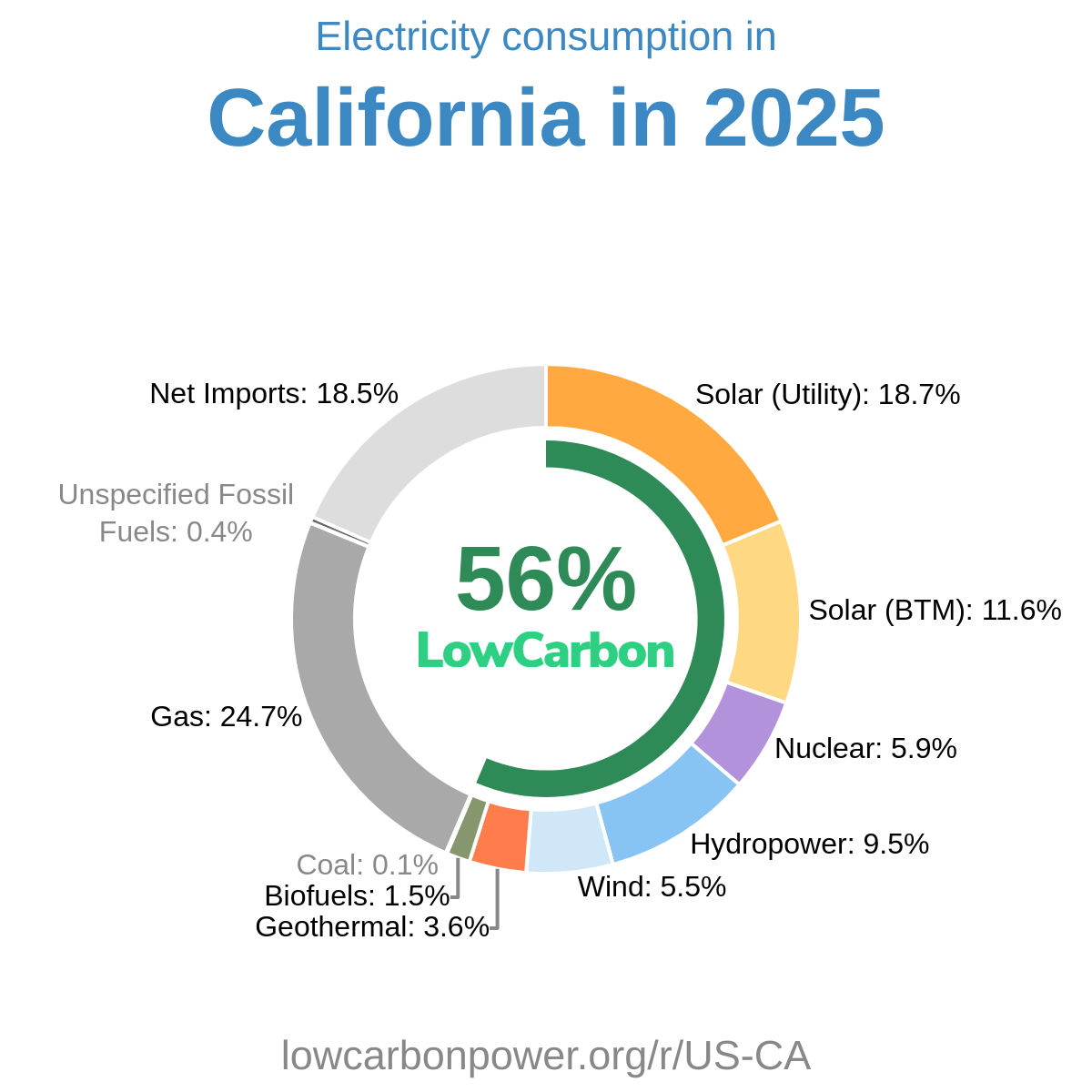
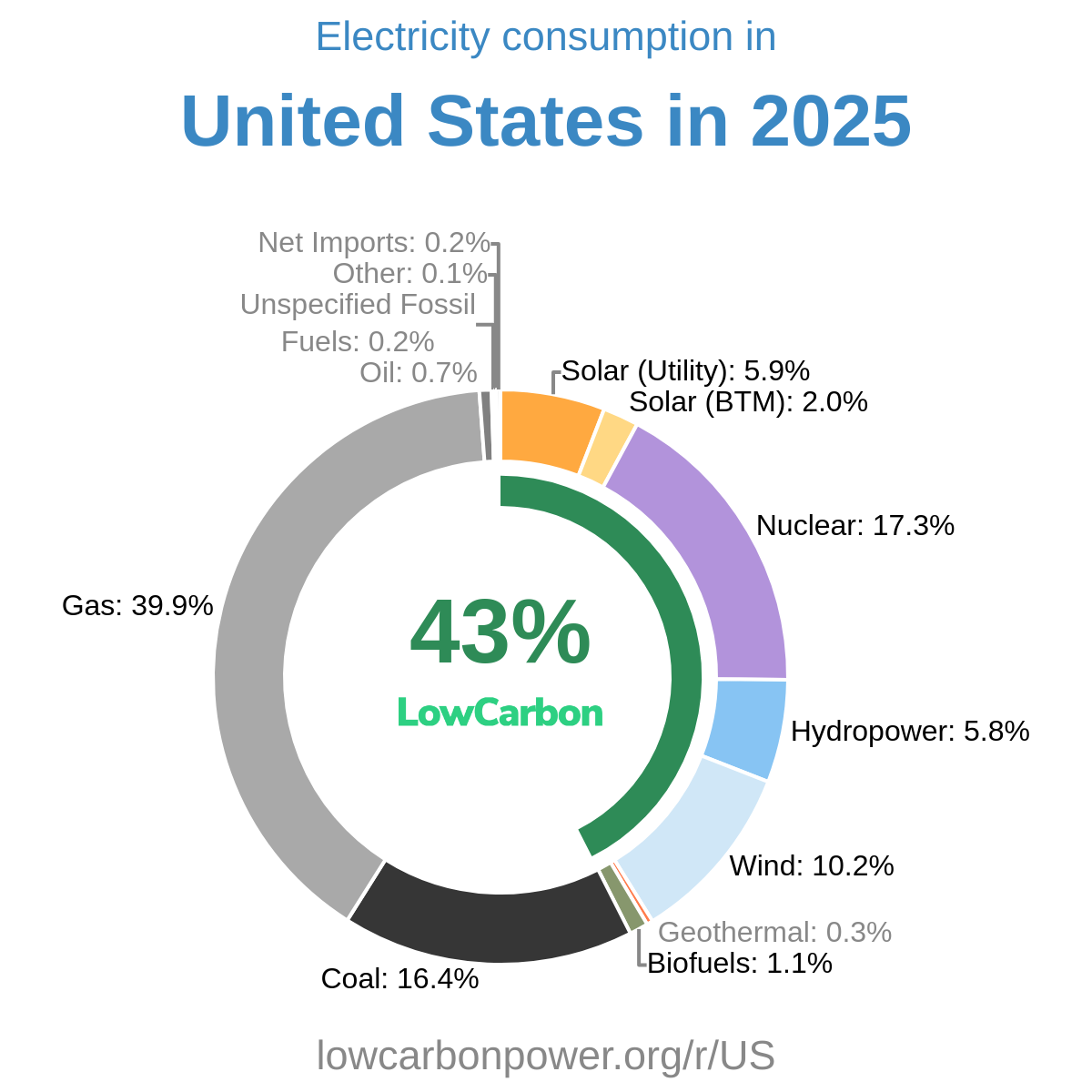
North Korea can significantly enhance its low-carbon electricity generation by learning from successful regions globally. Increasing nuclear capacity, as successfully achieved by countries like France, Slovakia, and Ukraine where nuclear provides a high percentage of electricity, could serve as a valuable model. Similarly, the robust expansion of wind power in Denmark and several US states like Iowa can inform similar strategies for North Korea. Furthermore, countries such as Lebanon and California have shown how solar power can contribute significantly to electricity generation. By investing in nuclear and solar technologies, North Korea can transition towards a more sustainable and cleaner energy system, reducing dependence on fossil fuels and aligning with global trends in energy innovation.
History
Historically, North Korea's low-carbon electricity generation has seen fluctuations mainly in hydropower outputs, with notable increases occurring before the 1990s. In the 1980s, there were consistent growth spurts, including significant increases in 1981 and 1985. However, the early 1990s saw a sharp decline, followed by intermittent recoveries and drops in the following decades. More recently, in 2021, a substantial increase marked a positive turn in hydropower generation. These variations underline the potential for stability and growth in low-carbon energy if consistent efforts are made towards sustained investments and infrastructure development, contributing to a cleaner and more reliable energy future.
Electricity Imports and Exports
Balance of Trade
Nearby Regions
.png)