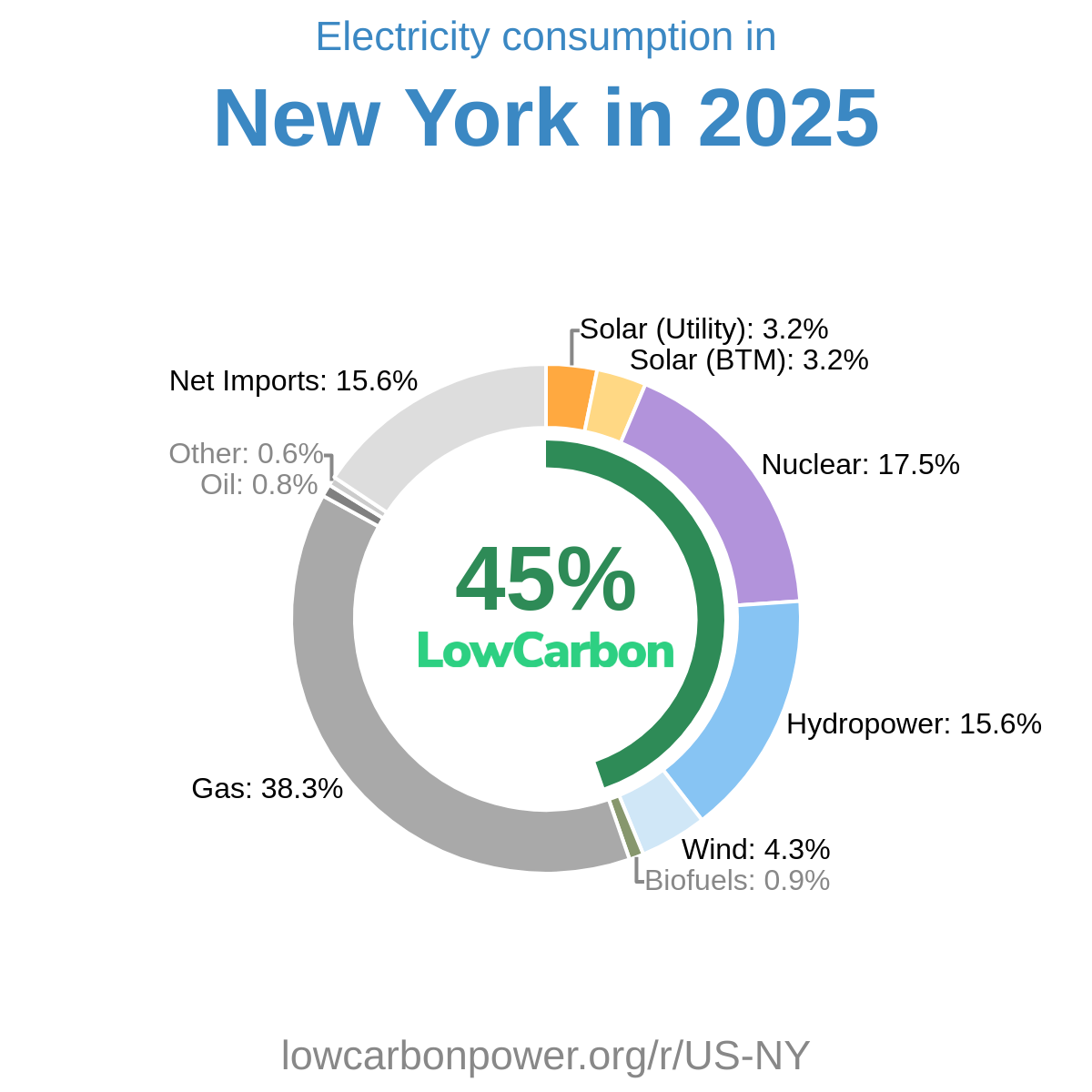


In North Macedonia, over the past year from April 2025 to March 2026, electricity consumption patterns reveal a significant reliance on low-carbon sources, which constitute almost 58% of the total electricity supply. This share includes contributions from solar, hydropower, and wind energy. Solar energy alone represents nearly a third of the electricity mix, showcasing its pivotal role. Hydropower adds around 23%, further reinforcing the commitment to clean energy. In contrast, fossil sources such as coal and gas account for just over 42% of the total electricity produced, with coal at roughly 26% and gas at around 15%. This notable allocation underscores the nation's ongoing transition towards cleaner energy and away from environmentally detrimental fossil fuels.
Is Electricity Growing in North Macedonia?
Despite these advancements, electricity consumption in North Macedonia has recently declined. The latest figures for 2026 show an electricity consumption of 3802 kWh per person, which is a significant decrease compared to the previous high of 5216 kWh per person recorded in 2025. This reduction of 1414 kWh per person signifies a worrying trend. Similarly, the consumption of low-carbon electricity has also diminished, with current levels at 2199 kWh per person, in stark contrast to the past record of 3435 kWh per person in 2025. This decline of 1236 kWh per person in clean electricity supply calls for urgent measures to fuel future growth and to ensure a sustainable power supply is maintained to meet future demands.
Suggestions
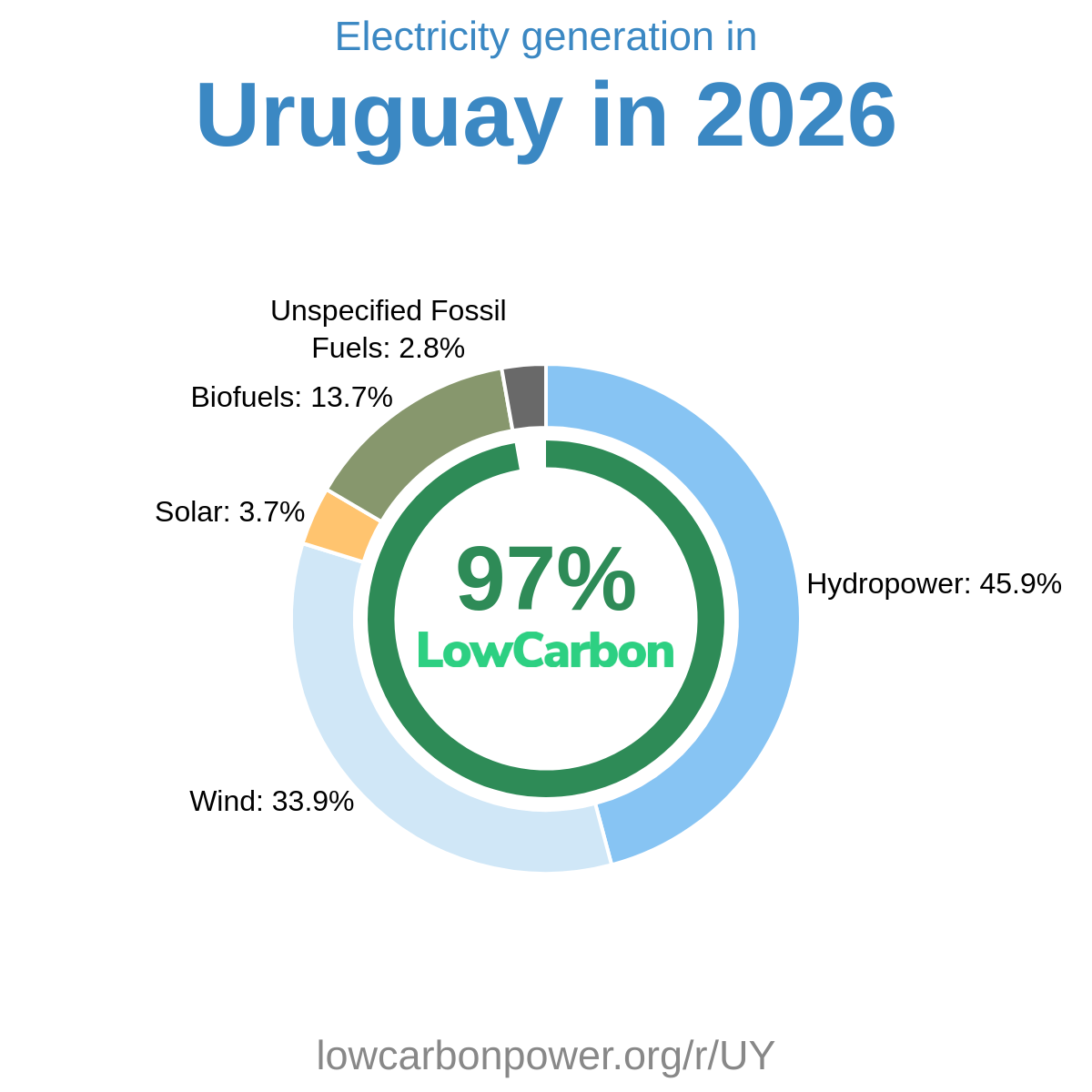
To catalyze an increase in low-carbon electricity, North Macedonia could expand its already substantial solar capacity. Solar energy is evidently a strength for the country, and its further enlargement could play a crucial role in boosting the country's clean electricity supply. Additionally, North Macedonia could take inspiration from regions with robust clean energy profiles. For instance, Denmark, with its 60% wind energy generation, demonstrates the feasibility of heavily investing in wind power. Moreover, countries with substantial nuclear contributions like Slovakia and France, boasting around 65% and 67% nuclear energy respectively, highlight the importance and potential of nuclear energy as a reliable and consistent low-carbon electricity source. Embracing both solar and nuclear energy could drive North Macedonia towards a sustainable and greener electricity future.
* 12M = Last 12 months (Apr 2025 – Mar 2026) — a rolling 12-month period, not a calendar year.
History
Reflecting on the history of low-carbon electricity in North Macedonia, the early 1990s and the first decade of the 2000s witnessed fluctuating hydroelectric outputs, with notable increases such as 0.4 TWh in 1991 and a further 0.6 TWh in 2003, countered by decreases such as -0.3 TWh in 1993 and -0.6 TWh in 2007. Significant growth was again seen in 2010 with an increase of 1.2 TWh, demonstrating the variable yet vital role of hydropower. Recently, an innovative step was taken in solar energy, with a remarkable increase of 3.7 TWh in 2025. However, a decrease occurred in 2026 with a reduction of -2.5 TWh, though a small gain was observed in hydropower by 0.3 TWh in the same year. These variations point to the importance of stable and sustained investment in reliable low-carbon technologies like solar and nuclear energy to continue advancing North Macedonia's clean energy future.
* 12M = Last 12 months (Apr 2025 – Mar 2026) — a rolling 12-month period, not a calendar year.
Electricity Imports and Exports
Balance of Trade
* 12M = Last 12 months (Apr 2025 – Mar 2026) — a rolling 12-month period, not a calendar year.
Nearby Regions