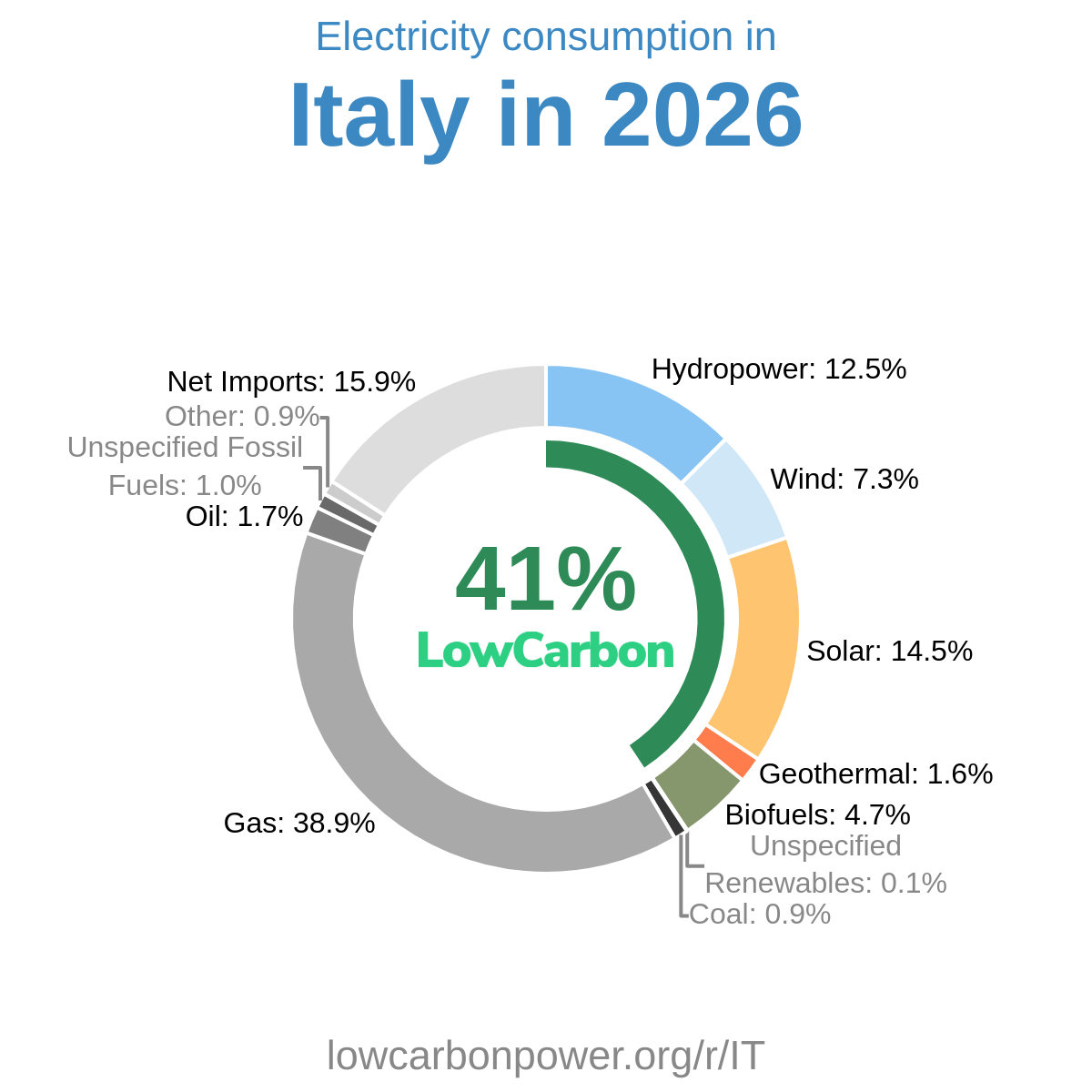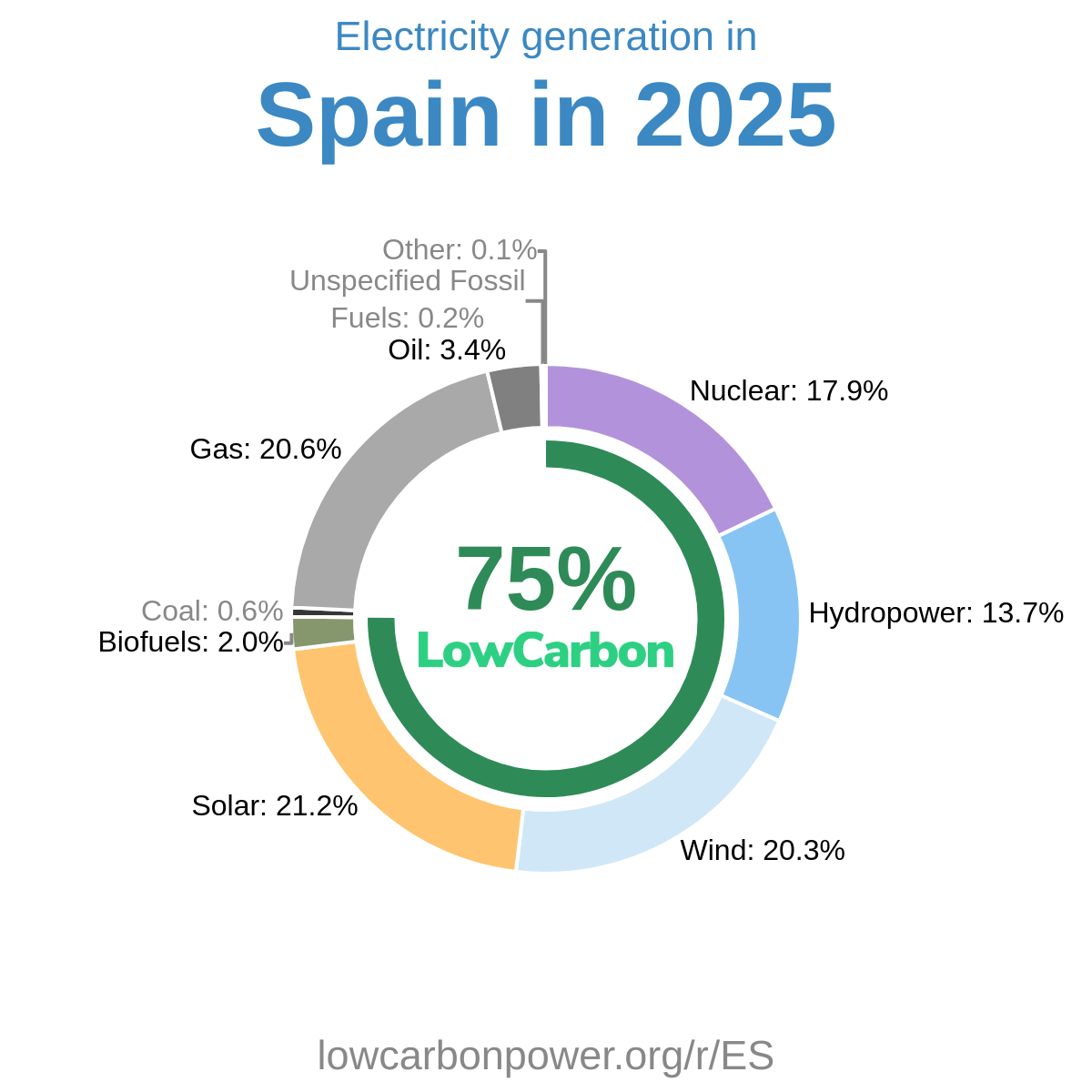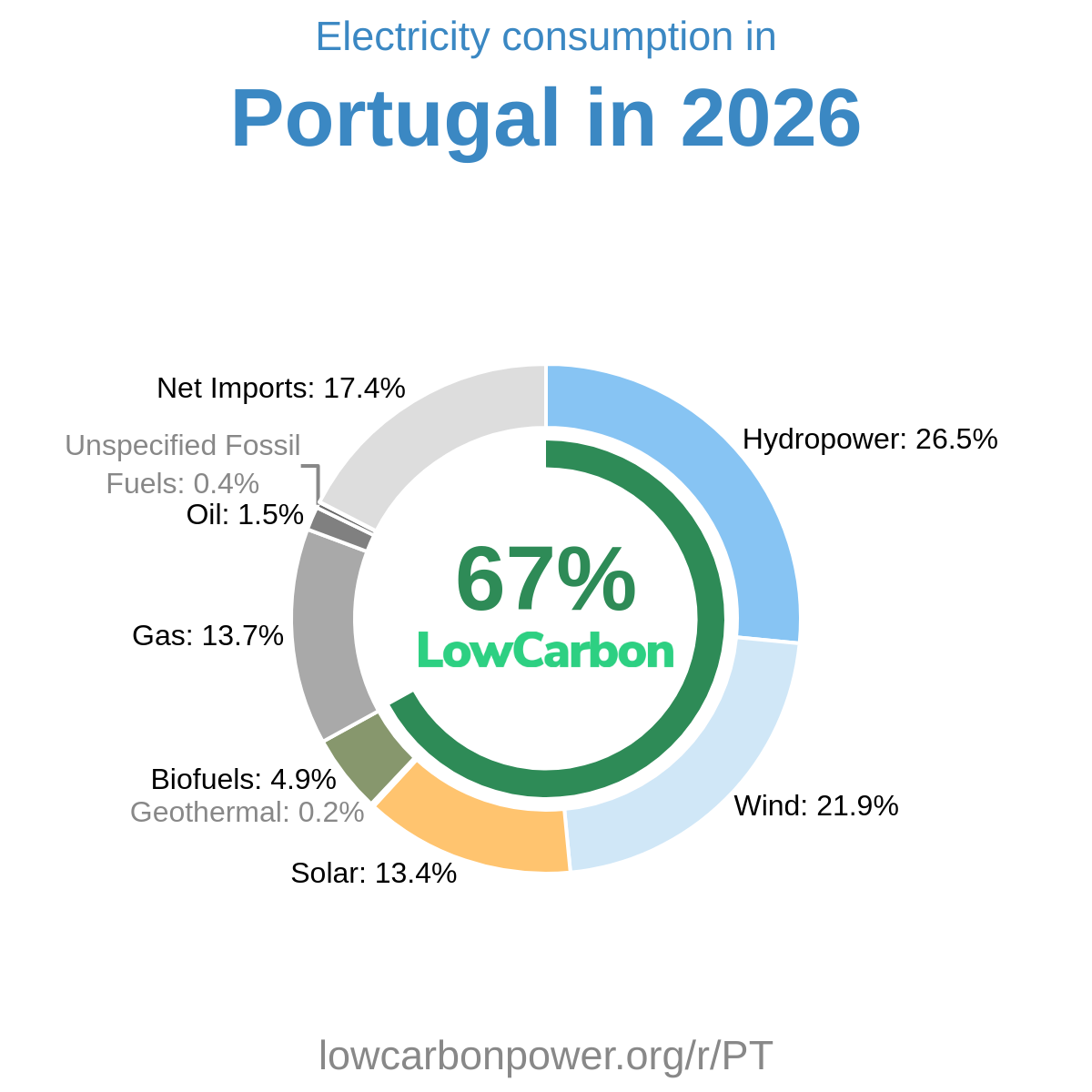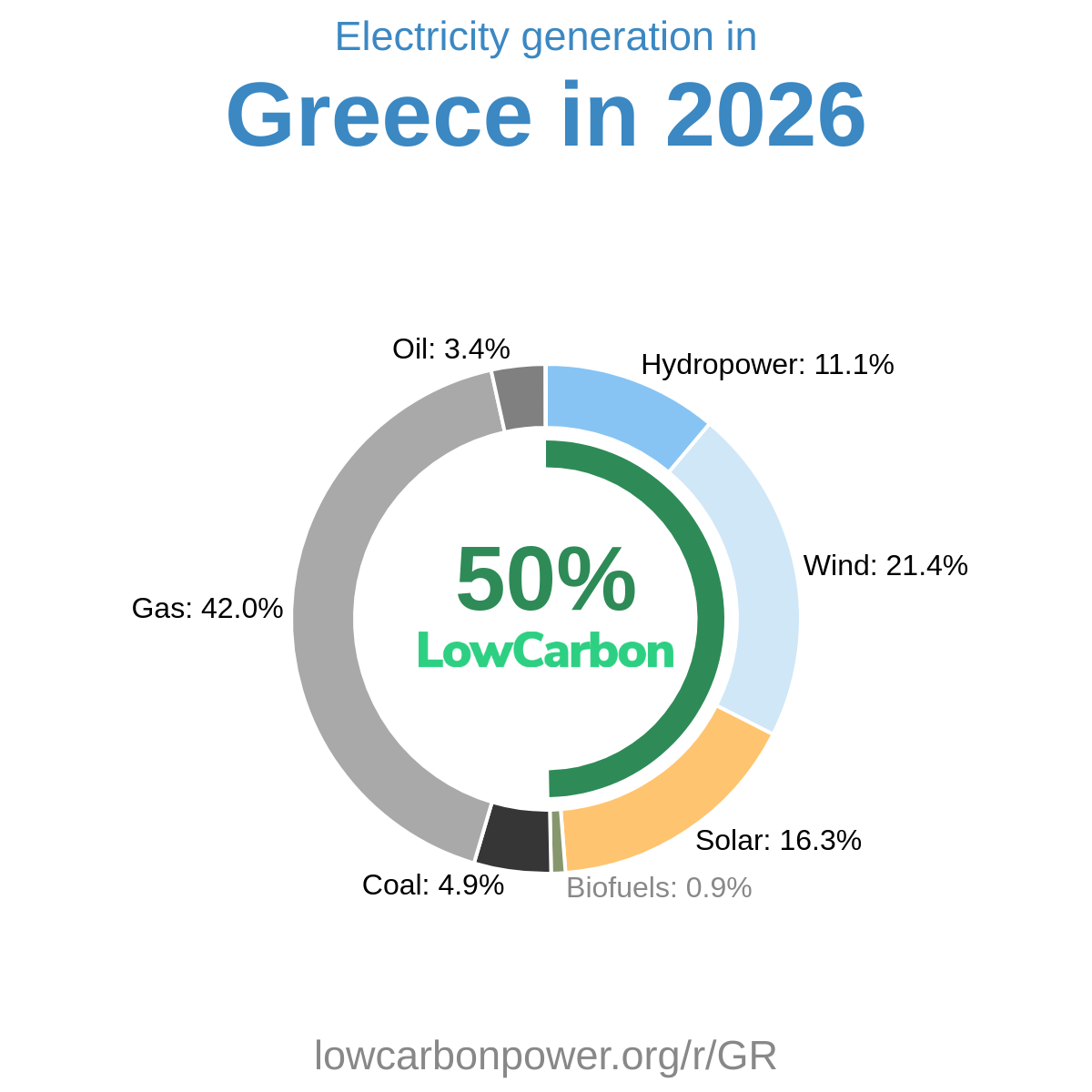


Currently, Serbia's electricity consumption relies predominantly on fossil energy, accounting for over 60% of the total electricity generation from June 2025 through May 2026. Specifically, coal alone comprises more than half of Serbia's electricity mix. Clean energy sources are responsible for roughly 31%, with hydropower being the largest contributor at almost a quarter, followed by wind and biofuels. Additionally, close to none of the electricity is imported, making Serbia largely self-reliant. The need to enhance low-carbon electricity generation is critical as the country continues to rely heavily on coal and fossil fuels, which pose environmental challenges such as climate change and air pollution.
Is Electricity Growing in Serbia?
Serbia's current electricity consumption, at 5484 kWh per person in 2026, has seen a slight decline from the previous high of 5568 kWh per person recorded in 2023. This decrease, though minor, is a cause for concern as it suggests a stagnation in the growth of electricity consumption, which is vital for economic development and meeting the future energy demands of emerging technologies like AI. Even more concerning is the decrease in low-carbon electricity generation, dropping to 1707 kWh per person from the 2023 level of 2113 kWh per person. The reduction highlights a critical need for Serbia to ramp up its clean energy production to move towards a more sustainable and environmentally friendly energy system.
Suggestions
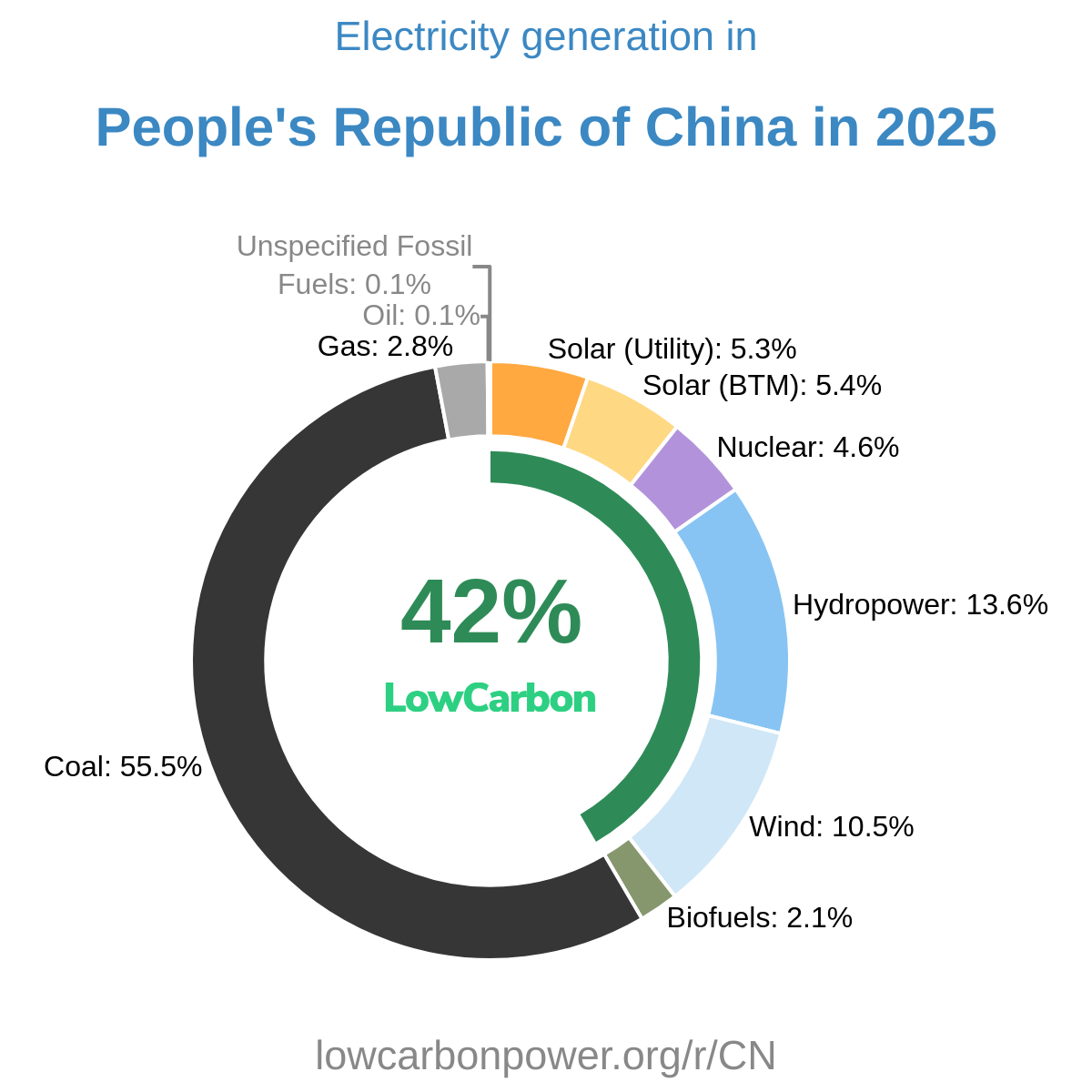
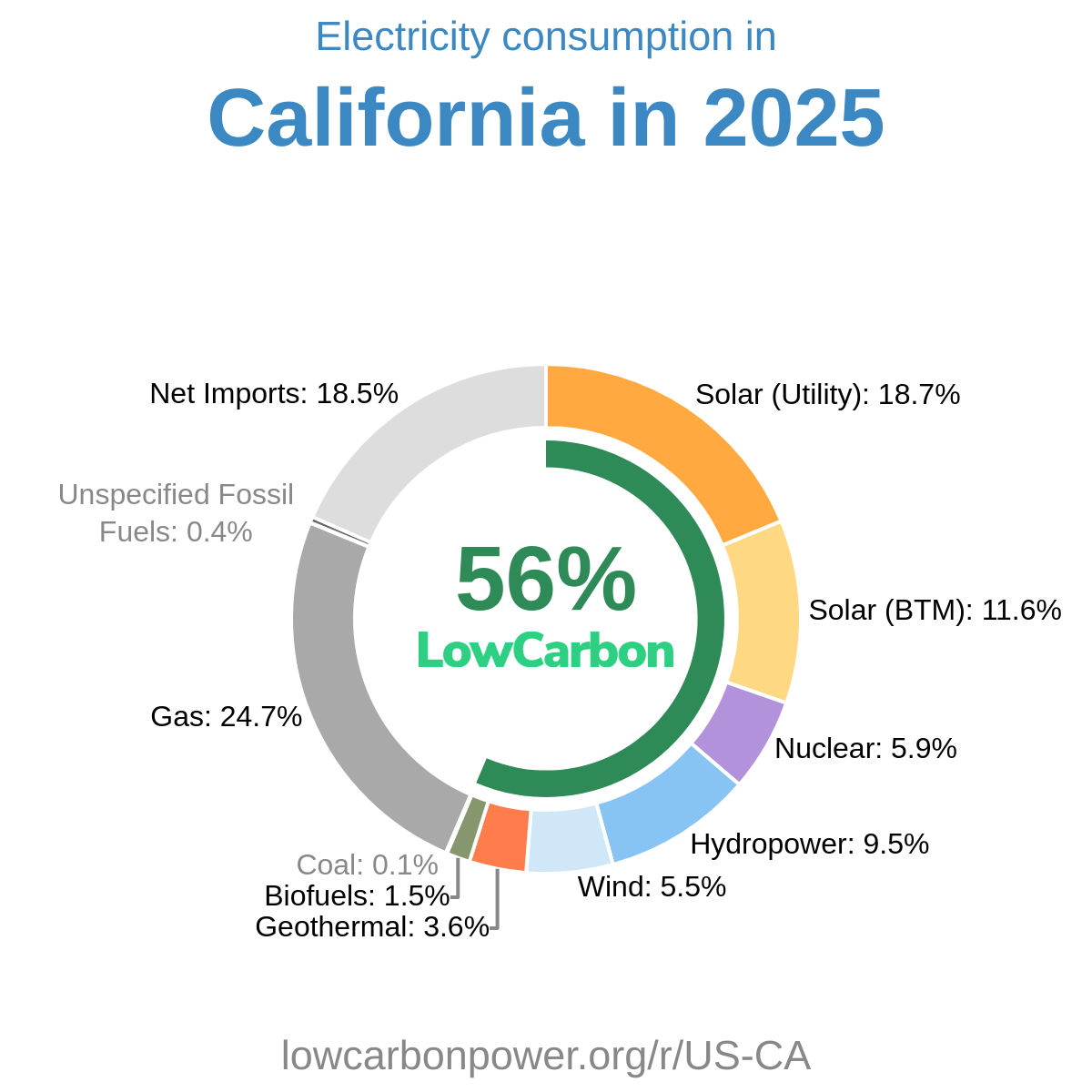
To enhance low-carbon electricity generation, Serbia should take inspiration from regions that successfully utilize nuclear and solar energy. Countries like France and Slovakia generate more than 65% of their electricity via nuclear power, demonstrating the enormous potential for clean nuclear energy. In terms of solar, states like California and Nevada generate over 30% of their electricity through solar power, highlighting the feasibility and efficiency of solar energy. By investing in nuclear and solar, Serbia can significantly increase its share of low-carbon electricity, reduce dependence on fossil fuels, and mitigate environmental impacts while ensuring energy security.
* 12M = Last 12 months (Jun 2025 – May 2026) — a rolling 12-month period, not a calendar year.
History
Throughout its history, Serbia's low-carbon electricity production has fluctuated, particularly due to changes in hydropower capacity. The 1990s saw slight increases, but the new millennium brought a series of declines interspersed with intermittent growth. The early 21st century was marked by volatility in hydropower output, with notable declines in 2011 and a subsequent rebound in 2023. These fluctuations underscore the instability associated with relying predominantly on hydropower. To achieve a stable and growing clean energy sector, expanding nuclear and solar capacities is crucial for Serbia, providing a more consistent and reliable low-carbon electricity supply to meet future energy demands.
* 12M = Last 12 months (Jun 2025 – May 2026) — a rolling 12-month period, not a calendar year.
Electricity Imports and Exports
Balance of Trade
* 12M = Last 12 months (Jun 2025 – May 2026) — a rolling 12-month period, not a calendar year.
Nearby Regions