

Electricity in St. Vincent & Grenadines in 2023
In St. Vincent & the Grenadines, electricity consumption is predominantly reliant on fossil energy, which constitutes more than 85% of the country's electricity generation. A comparatively small fraction, rounding off to less than 15%, is derived from low-carbon sources, specifically from hydropower. This indicates a significant imbalance where clean energy sources have yet to make a substantial impact. The limited contribution of clean energy is a crucial concern, especially considering the global shift towards low-carbon alternatives to mitigate climate change and reduce air pollution. With a heavy reliance on fossil fuels, St. Vincent & the Grenadines faces both environmental challenges and an opportunity to transform its energy landscape toward sustainable solutions.
Is Electricity Growing in St. Vincent & Grenadines?
Despite aspirations for growth, electricity consumption in St. Vincent & the Grenadines appears to be stagnant. In 2023, the average electricity consumption recorded per person is slightly lower than its 2016 peak, having decreased from 1505 kWh/person to 1481 kWh/person. Similarly, the output from low-carbon electricity sources has declined significantly since its previous high in 2012, sliding from 276 kWh/person to the current 197 kWh/person. This reduction in clean energy generation is concerning, especially when considering the urgent need to meet growing electricity demands and transition to sustainable energy sources to combat the adverse effects of fossil fuels.
Suggestions
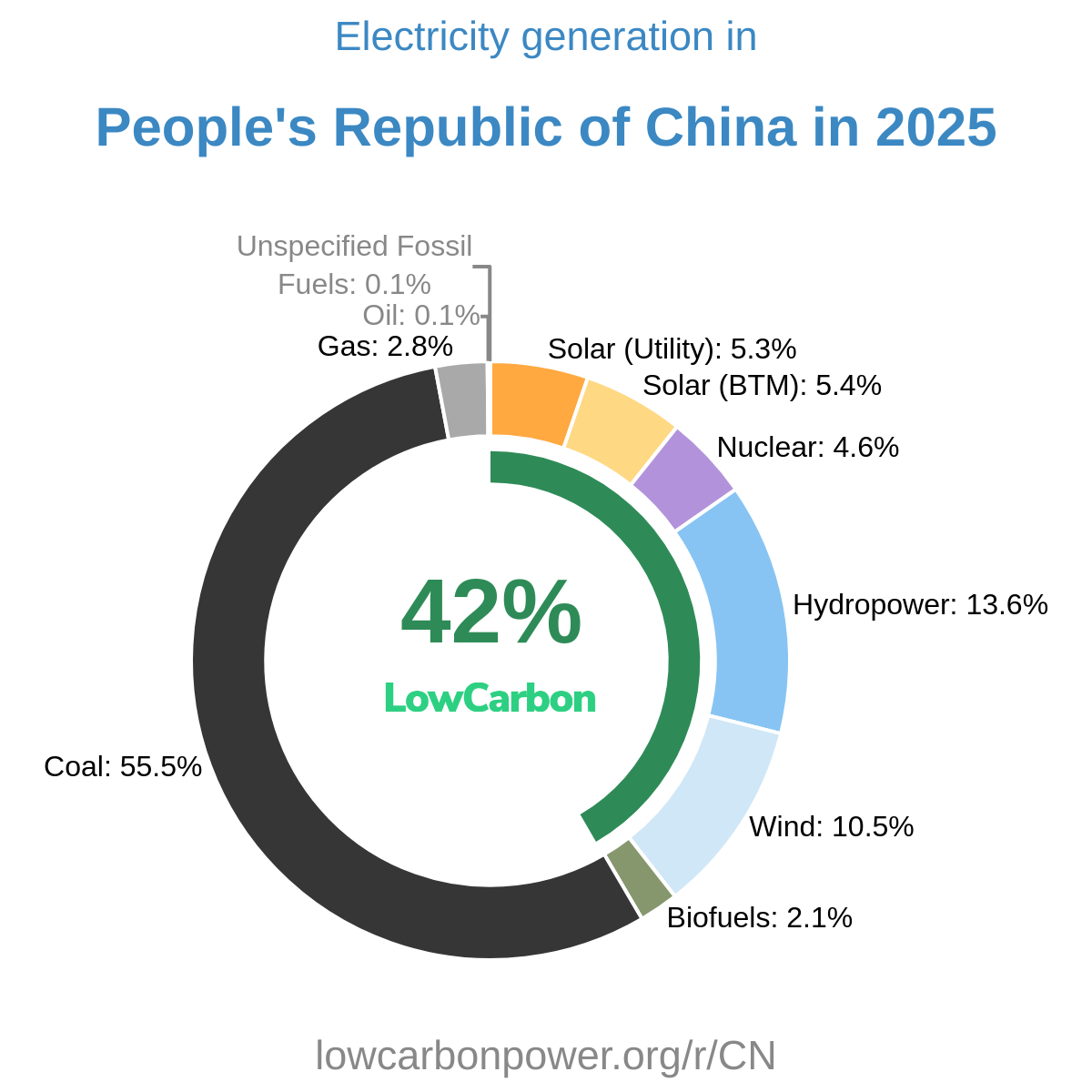
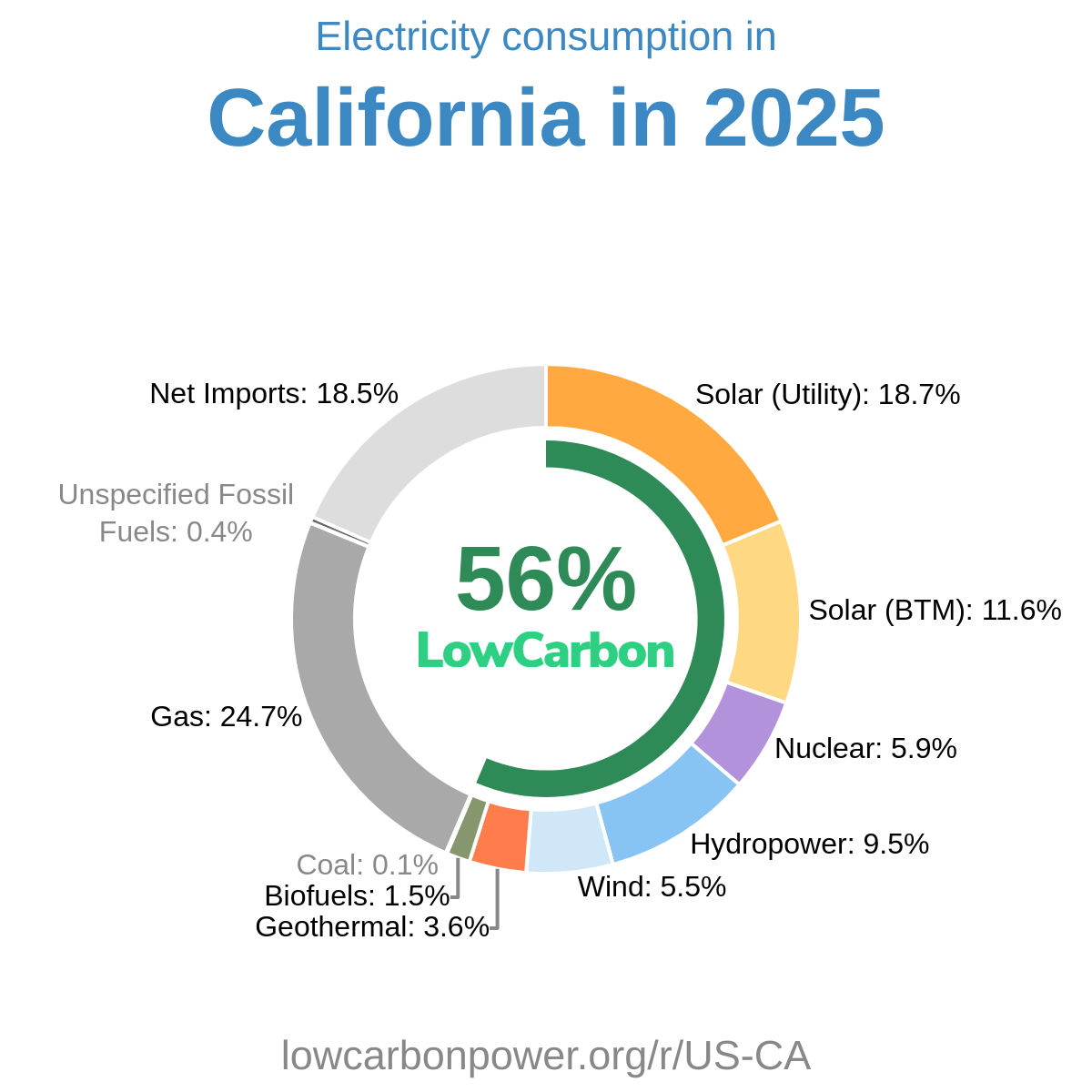
To increase its share of low-carbon electricity, St. Vincent & the Grenadines can draw valuable insights from other regions that have successfully tapped into diverse clean energy sources. Solar power can be a feasible option, as suggested by countries like Chile, Pakistan, and Lebanon, which harness around 20–30% of their electricity from the sun. Additionally, the advancement of nuclear energy provides a stable and high-output alternative, exemplified by countries such as France and Slovakia, where nuclear power comprises more than half of their electricity mix. By integrating a balanced approach with both solar and nuclear options, St. Vincent & the Grenadines could enhance its energy resilience and reduce its carbon footprint, aligning with global energy sustainability goals.
History
Historically, the journey of low-carbon electricity generation in St. Vincent & the Grenadines appears rather uneventful, particularly in regard to hydropower, which has consistently shown no growth in production across the first two decades of the 21st century. From 2001 to 2020, annual electricity generation from hydropower remained unchanged, showing neither increases nor decreases in output. This stagnation highlights the urgent need for investment in clean energy infrastructure to diversify and expand low-carbon electricity sources. Enhancing the country's energy portfolio would not only contribute to environmental benefits but also bolster energy security and economic development.
Electricity Imports and Exports
Balance of Trade
Nearby Regions