

Electricity in Tonga in 2023
In 2023, Tonga's electricity consumption is heavily reliant on fossil fuels, accounting for approximately 86% of its total electricity use. Low-carbon energy sources make up around 14% of electricity consumption, with solar energy constituting the entire share of this clean energy contribution. This indicates that Tonga has made some strides toward embracing cleaner energy solutions, but the vast majority of its electricity generation still depends on fossil fuels. Transitioning to more sustainable energy sources is essential to reduce environmental impacts and increase energy resilience. As of now, solar energy represents Tonga's sole venture into low-carbon electricity generation, signifying room for improvement and expansion in other clean energy technologies.
Is Electricity Growing in Tonga?
Unfortunately, Tonga has witnessed a slight decline in its overall electricity consumption, from 762 kWh/person in 2022 to 669 kWh/person in 2023, indicating a decrease of almost 100 kWh/person. This reduction raises concerns as it may reflect stagnation in energy availability or efficiency in increasing demand. In contrast, low-carbon electricity generation has remained constant, holding steady at 96 kWh/person both in 2022 and 2023. While the stability in low-carbon generation is a positive sign, Tonga must aim for growth in this sector to ensure a cleaner and more sustainable energy future. Innovative policies and investment in low-carbon technologies are required to reverse the overall downward trend in electricity consumption and to promote a greener energy mix.
Suggestions
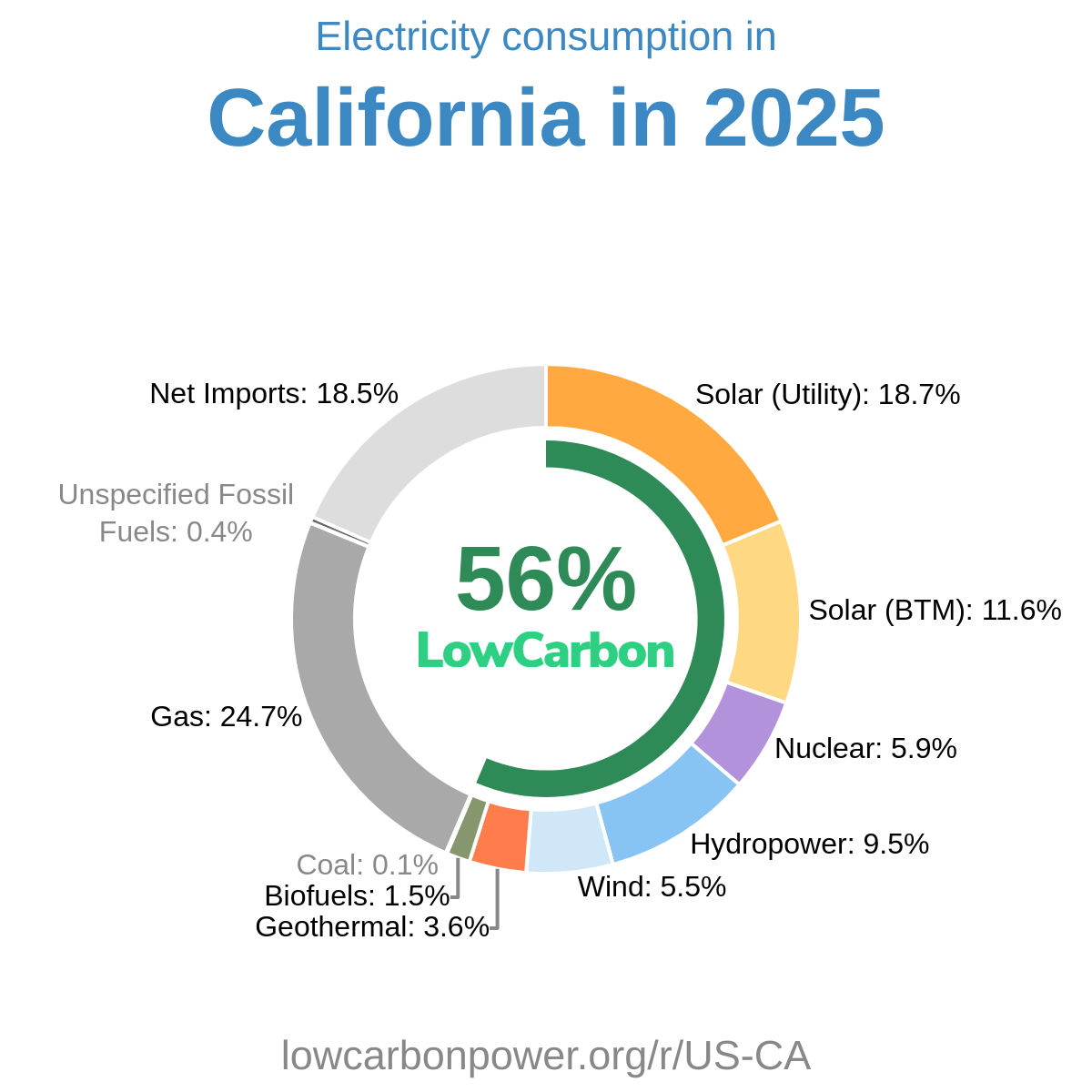
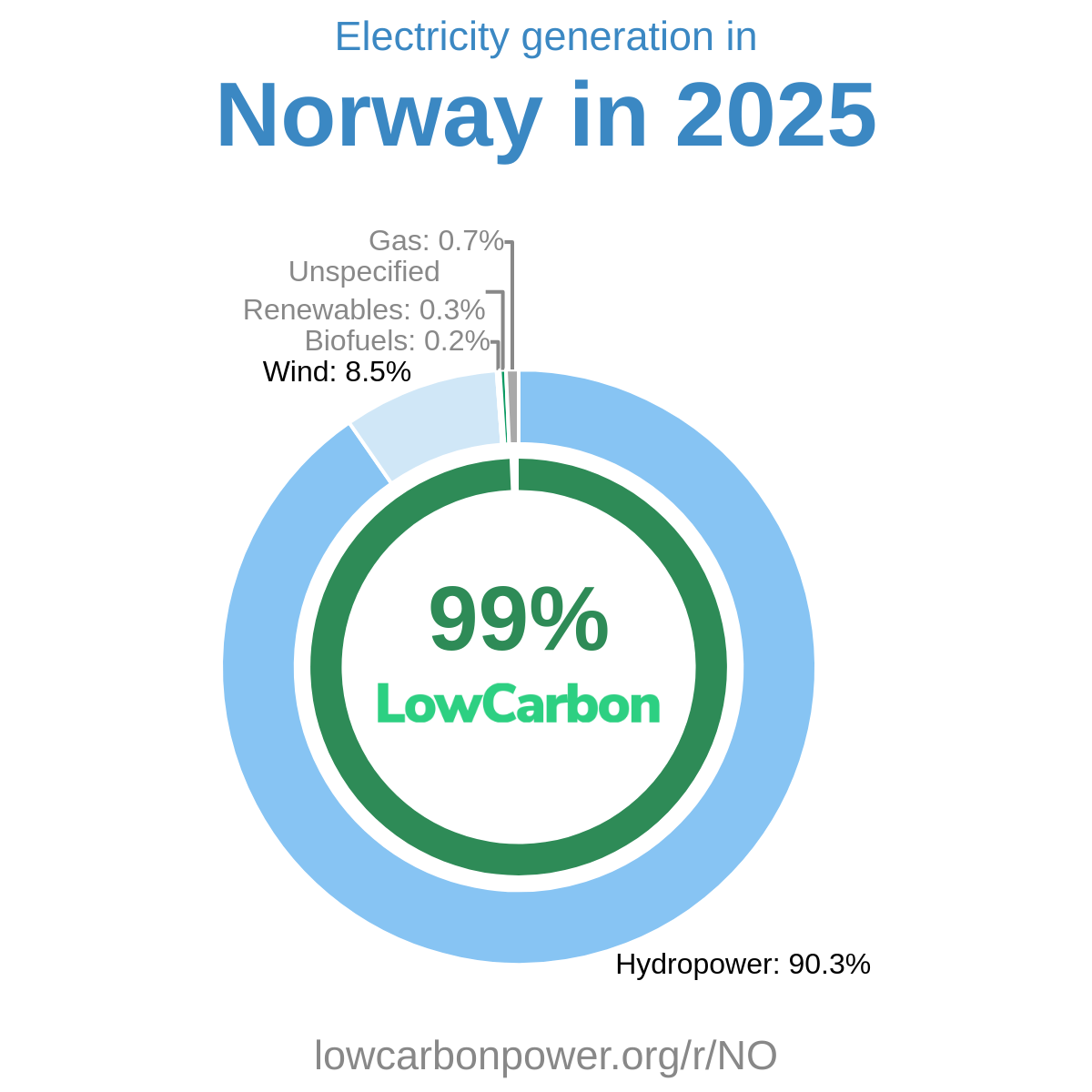
Tonga can significantly enhance its low-carbon electricity generation by expanding its existing solar energy capacity, a strategy that has already shown potential in the region. To achieve a more diverse low-carbon energy mix, Tonga can learn from the success of regions that have effectively harnessed solar, wind, and nuclear energy. For instance, Nevada and Lebanon have achieved over 30% of their electricity generation from solar energy. Simultaneously, Tonga could look at the substantial contributions of wind energy seen in regions like Iowa and Denmark, where wind power accounts for more than 50% of their electricity generation. While Tonga's geography might not be suitable for nuclear development at this time, it can still draw inspiration from nuclear-friendly countries as role models for future energy diversification possibilities. By embracing these proven strategies and scaling up wind and solar development, Tonga can transition to a cleaner, more sustainable energy system.
History
Historically, Tonga's commitment to low-carbon electricity generation, particularly solar power, has not experienced significant changes from 2017 through 2023, remaining steady without any notable increase or decrease in solar electricity generation. This indicates a consistent, albeit stagnant, level of investment and development in solar energy. To better align with global energy trends and the urgent need for sustainable power solutions, Tonga must capitalize on its abundant solar resources and explore additional clean energy options. By doing so, Tonga could not only meet its growing electricity demands but also mitigate the negative impact of fossil fuels on the environment, fostering a greener future for the island nation.
Electricity Imports and Exports
Balance of Trade
Nearby Regions