

Electricity in Tunisia in 2025
In 2025, electricity consumption in Tunisia remains overwhelmingly dependent on fossil energy, with gas making up more than 98% of the total electricity supply. The reliance on fossil fuels represents a significant environmental challenge, as it is closely tied to increased greenhouse gas emissions and air pollution, contributing to climate change. In contrast, low-carbon or clean energy contributes a mere 1.43% of the total electricity generation, with wind energy being the sole clean source in this category. This stark imbalance highlights the existing gap in the country's energy mix, where clean sources are almost negligible, underscoring the urgent need for a shift towards more sustainable energy solutions.
Is Electricity Growing in Tunisia?
Reflecting on the trend of electricity consumption in Tunisia, there is cause for concern. The latest data from 2025 show a noticeable downturn, with per capita electricity usage standing at 1581 kWh/person. This figure marks a decrease of nearly 400 kWh per person from the previous peak in 2022. Furthermore, low-carbon electricity generation has also dropped, with the current per capita generation at 23 kWh/person, down from the 2023 record of 69 kWh/person—a reduction of 46 kWh. These declines suggest not only a contraction in general electricity consumption but also a concerning retreat in the adoption of clean energy sources, at a time when increased electricity generation, especially from low-carbon sources, is critical to meet future demands and sustainability targets.
Suggestions
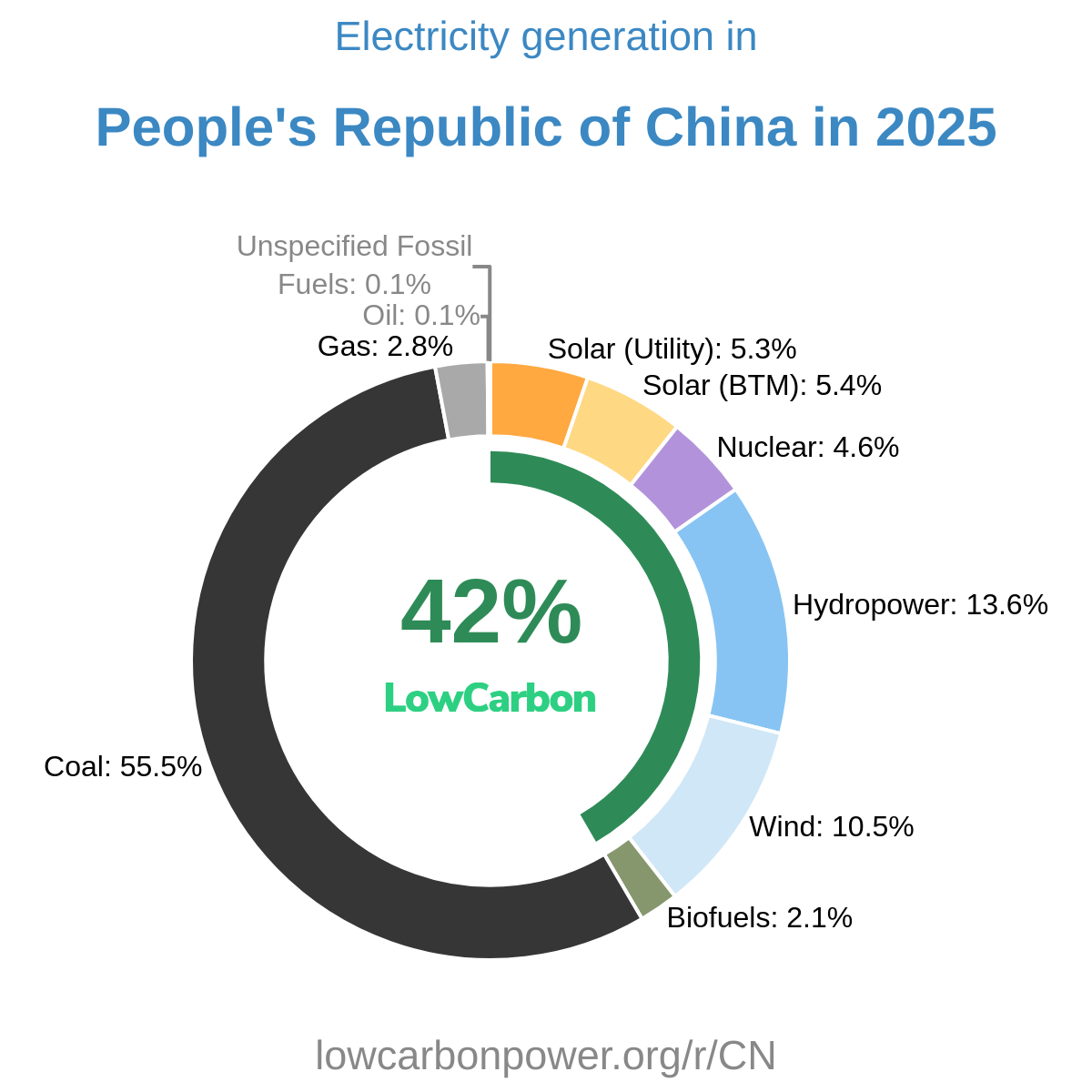
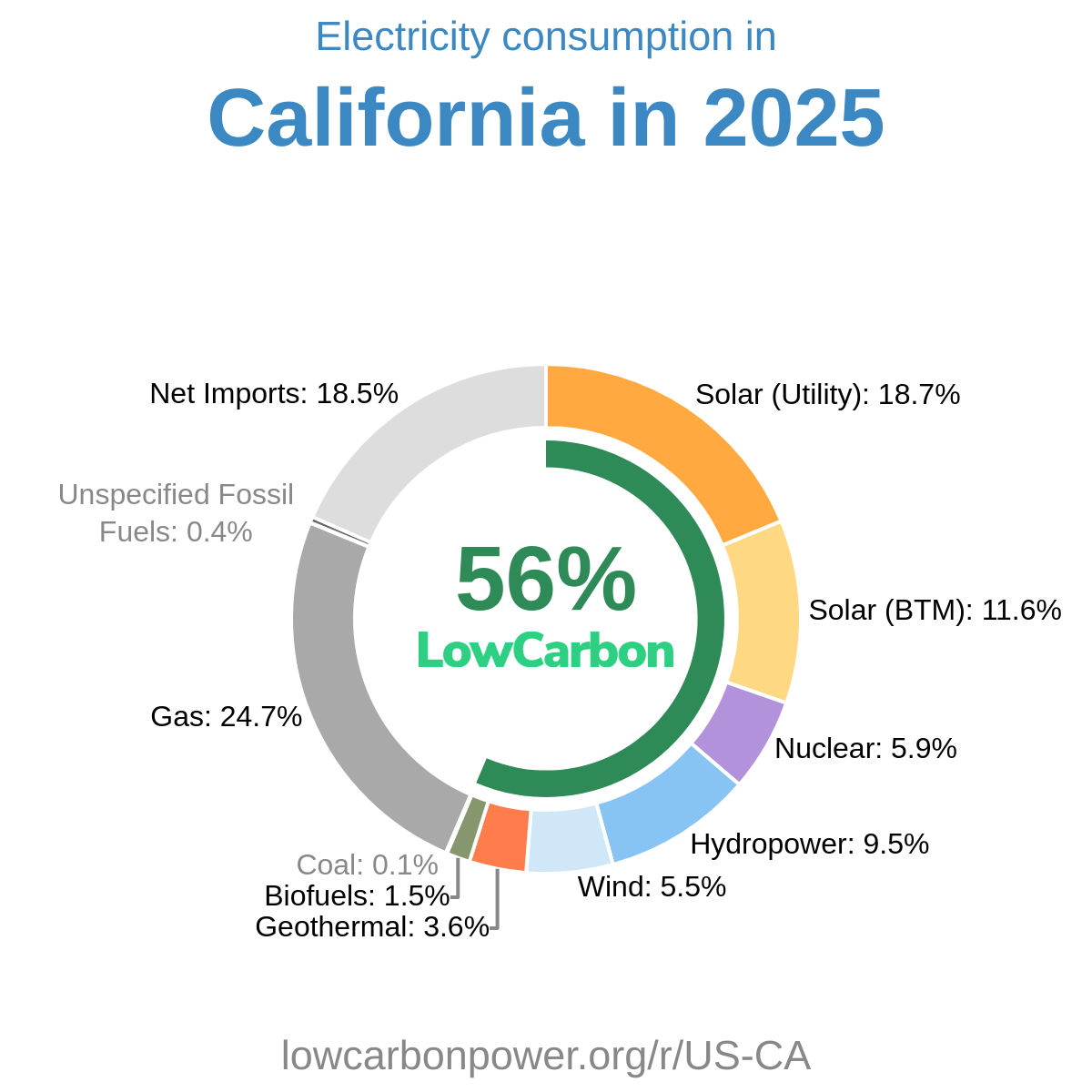
To foster growth in low-carbon electricity generation, Tunisia can look to global regions that have successfully harnessed clean energy. Countries like France and Slovakia lead with substantial nuclear energy contributions, demonstrating that nuclear power can be a pivotal component in a clean energy transition. Likewise, regions such as Denmark and Iowa have excelled in wind energy generation, suggesting that Tunisia can also focus on expanding wind capabilities, leveraging its geographic potential. Solar energy holds significant promise as well, with countries like California, Lebanon, and Chile establishing robust solar infrastructures. By drawing upon these examples, Tunisia can formulate a strategy to effectively integrate solar and nuclear energy into its electricity mix, reducing its dependence on fossil fuels and paving the way towards a cleaner, sustainable energy future.
History
Historically, Tunisia's progress in low-carbon electricity generation has been sporadic and modest. The late 1980s and early 1990s saw incremental increases in hydroelectric power, with slight growth occurring in 1985, 1987, and 1991. Small advancements continued into the early 2000s, with a combination of hydro and wind energy growth by 2009 and 2012. However, these gains were frequently offset by declines, as seen with wind energy in 2015 and later years. Recently, solar energy made minor gains with a steady increase in 2021 and 2023, albeit remaining at low absolute levels. The lack of sustained growth in low-carbon electricity through the decades underscores the necessity for more aggressive policies and investments to boost Tunisia's clean energy capacity.
Electricity Imports and Exports
Balance of Trade
Nearby Regions