

Electricity in Uzbekistan in 2023
In 2023, Uzbekistan's electricity consumption showcases a heavy reliance on fossil fuels. With more than 87% of its electricity derived from these sources, and gas alone accounting for over three-quarters of the total, the country's energy landscape is predominantly fossil-based. Low-carbon energy sources, including hydropower, make up a modest 9% of the electricity mix. Among these, hydropower is the most significant, providing slightly over 8% of the electricity. There is still a small fraction of electricity coming from net imports, representing about 4% of the total. The heavy dependence on fossil fuels, particularly gas, raises concerns about the sustainability and environmental impacts such as climate change and air pollution.
Is Electricity Growing in Uzbekistan?
Comparing the current electricity consumption per person in Uzbekistan to historical levels, there are noticeable declines. In 2023, electricity consumption stood at 2221 kWh per person, which is a drop of 672 kWh from the record levels seen in 1987. The situation is similarly concerning in the low-carbon electricity sector, where the current generation is 198 kWh per person, contrasting starkly with the 368 kWh per person achieved in 1988. This downward trend signifies that there is an urgent need for revitalization and growth in electricity consumption and, crucially, in the generation of clean, low-carbon electricity.
Suggestions
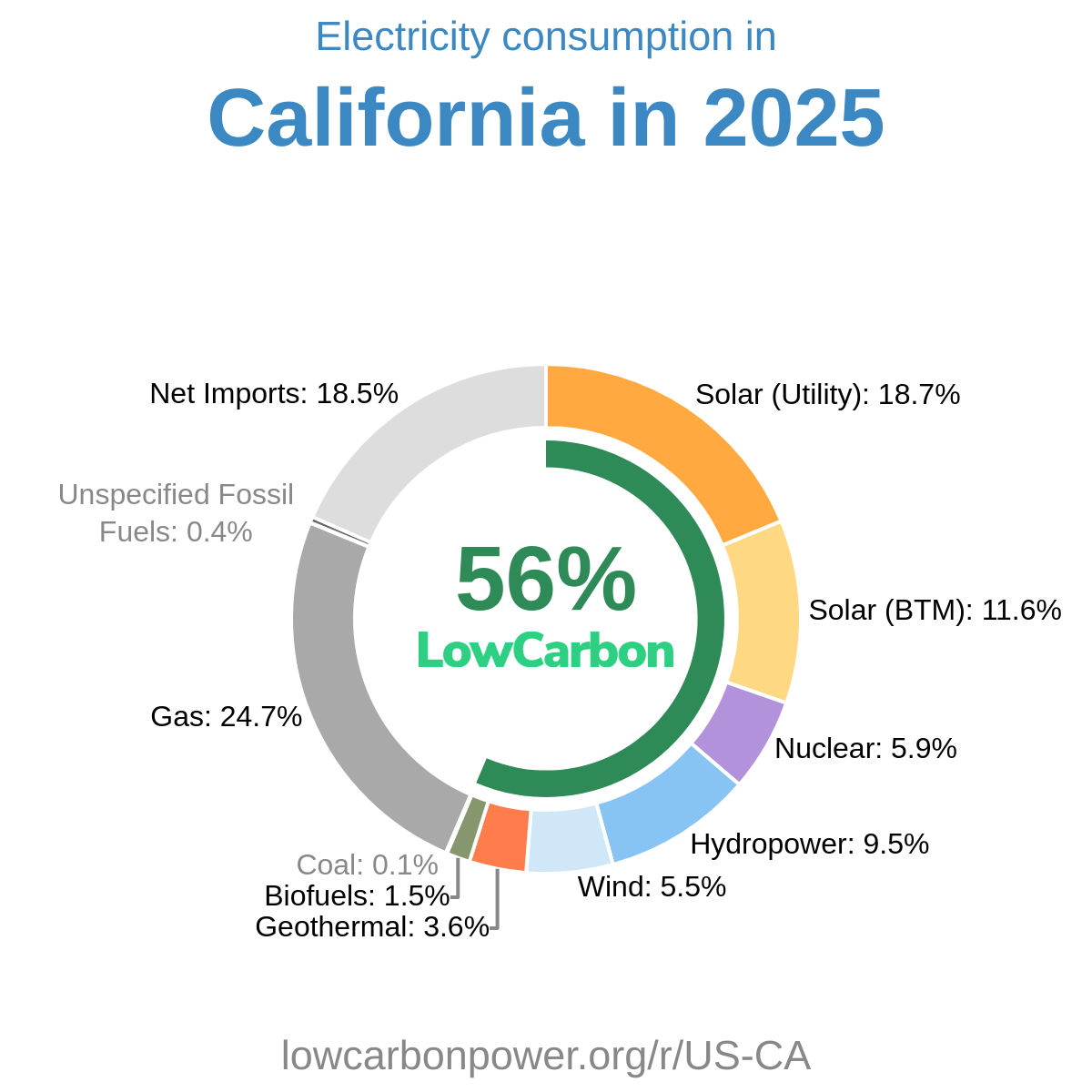
For Uzbekistan to boost its low-carbon electricity generation, focusing on solar and nuclear energy could be highly beneficial. Learning from nuclear success stories such as France and Ukraine, where more than half of their electricity comes from nuclear power, could guide Uzbekistan in expanding its nuclear capabilities. On the solar front, regions like California and Lebanon, where solar energy accounts for about 31% of electricity generation, set impressive precedents. Emulating these examples, Uzbekistan could significantly reduce its dependence on fossil fuels and increase the share of clean electricity in its energy mix, helping to combat climate change and secure a sustainable energy future.
History
Looking at the history of low-carbon electricity generation in Uzbekistan, particularly hydropower, there have been periods of both growth and decline. Since the late 1980s, hydropower has experienced significant fluctuations. Notably, in the late 2000s, there were sharp decreases such as the 4.2 TWh reduction in 2006. Despite incremental growth during years like 2005, which saw an increase of 2.8 TWh, the overall trend in recent decades has shown inconsistency, with numerous instances of decline outstripping the periods of growth. This incomplete and uneven progress in hydropower underscores the need for more consistent development strategies, including diversifying into other low-carbon technologies like solar and nuclear for a more stable and robust clean energy future.
Electricity Imports and Exports
Balance of Trade
Nearby Regions