

In Yemen, the state of electricity consumption in 2023 primarily hinges on fossil fuels, generating a total of 2.55 TWh. This contrasts sharply with the global trend towards cleaner energy sources, since almost no electricity in Yemen is generated from low-carbon or clean energy sources. Compared to the global average electricity consumption of 3794 kWh per person, Yemen's per capita consumption is drastically low at just 78 kWh. This severe deficiency in electricity supply can have profound effects, such as hampering economic development, limiting access to technology, and causing adverse impacts on quality of life. Dependence on fossil fuels continues to pose risks associated with climate change and air pollution, making the transition to more sustainable electricity sources an urgent necessity.
Is Electricity Growing in Yemen?
Yemen's electricity generation seems to be in decline rather than showing any signs of growth. In 2013, electricity consumption peaked at 290 kWh per person, but it has since plummeted by almost three-quarters to just 78 kWh per person in 2023. Despite a slight presence, low-carbon electricity generation remains stagnant, witnessing an insignificant change from the record in 2019 of 14 kWh per person to a mere 13 kWh per person today. The lack of growth in low-carbon electricity indicates Yemen’s struggle to shift towards cleaner, sustainable energy sources, highlighting a crucial area that needs robust intervention.
Suggestions
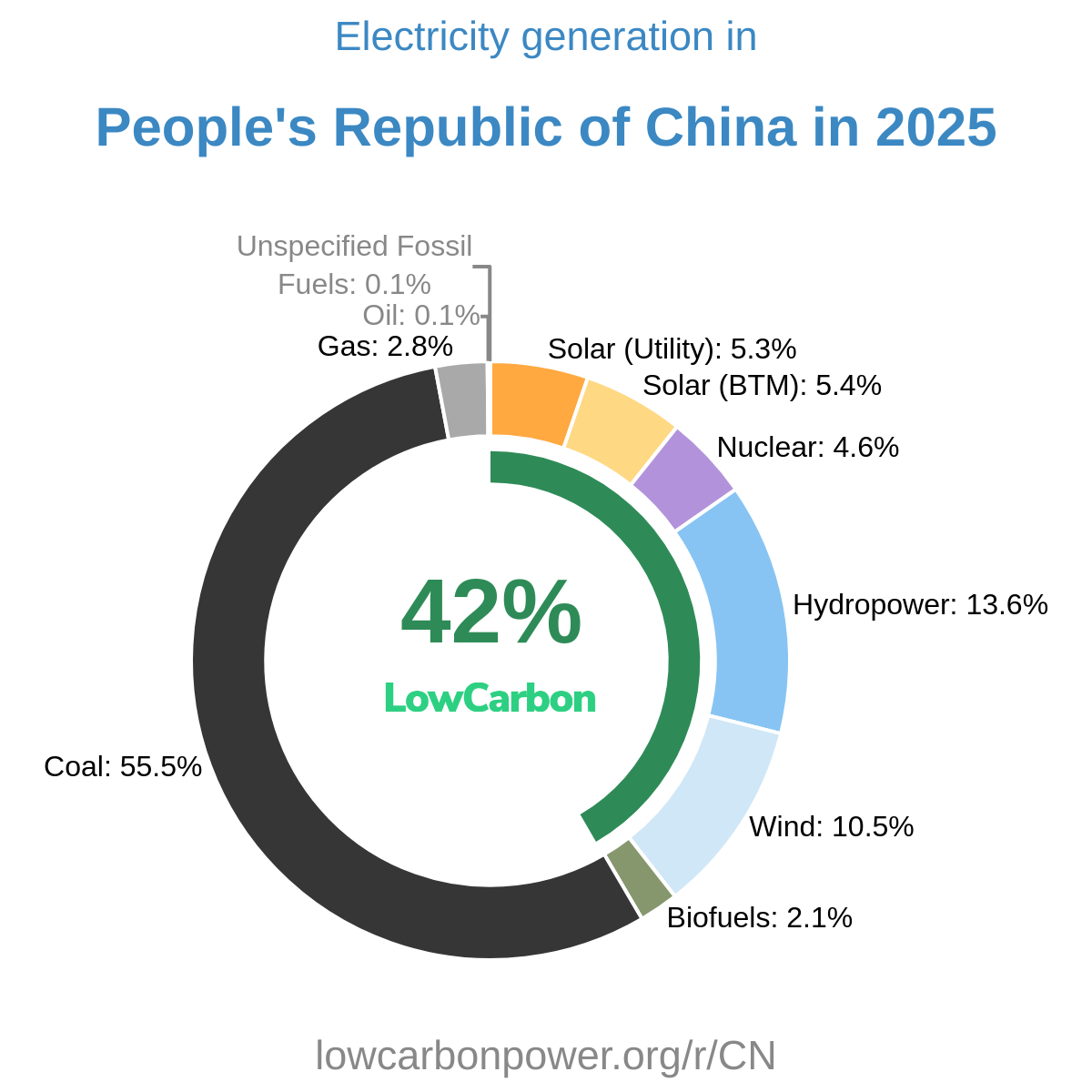
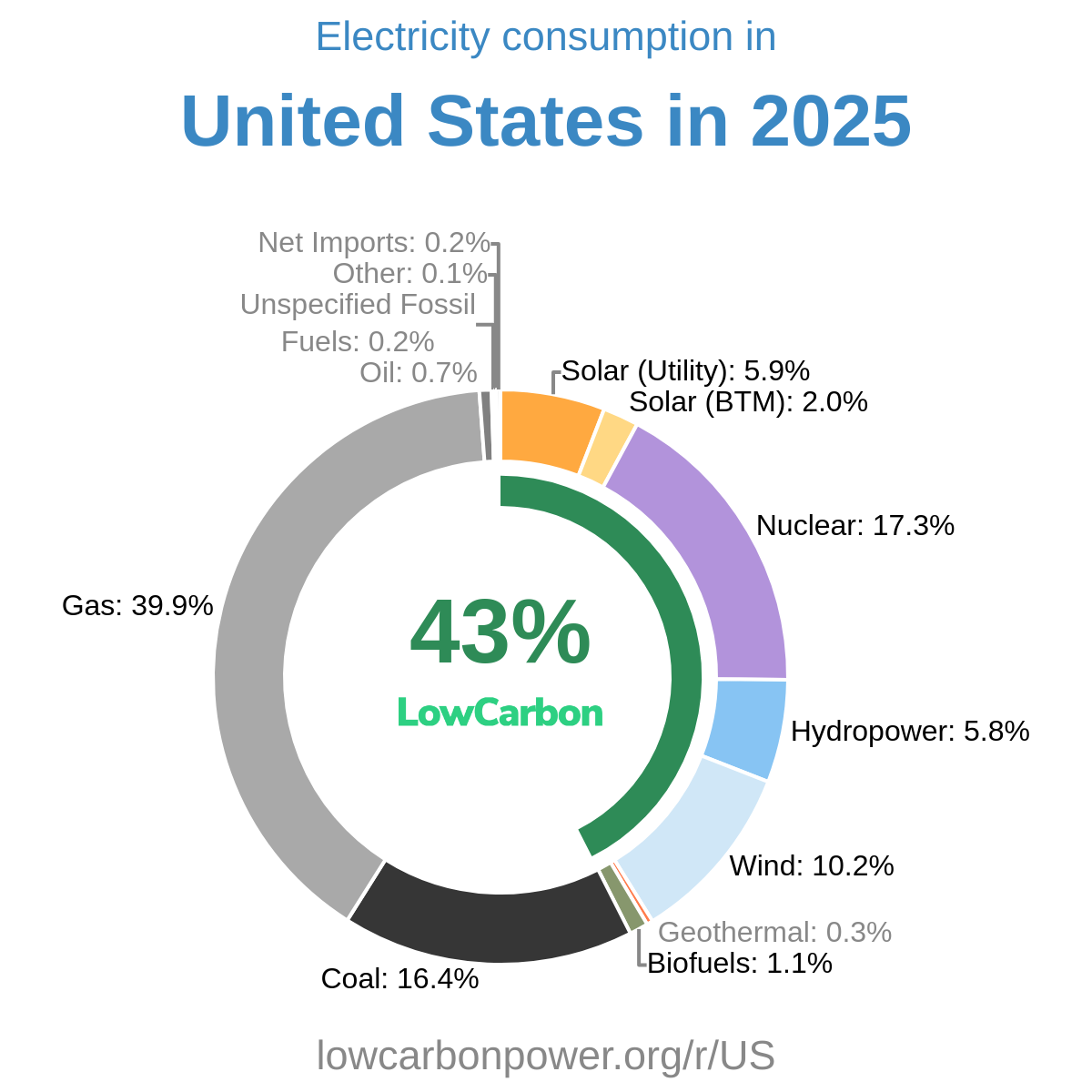
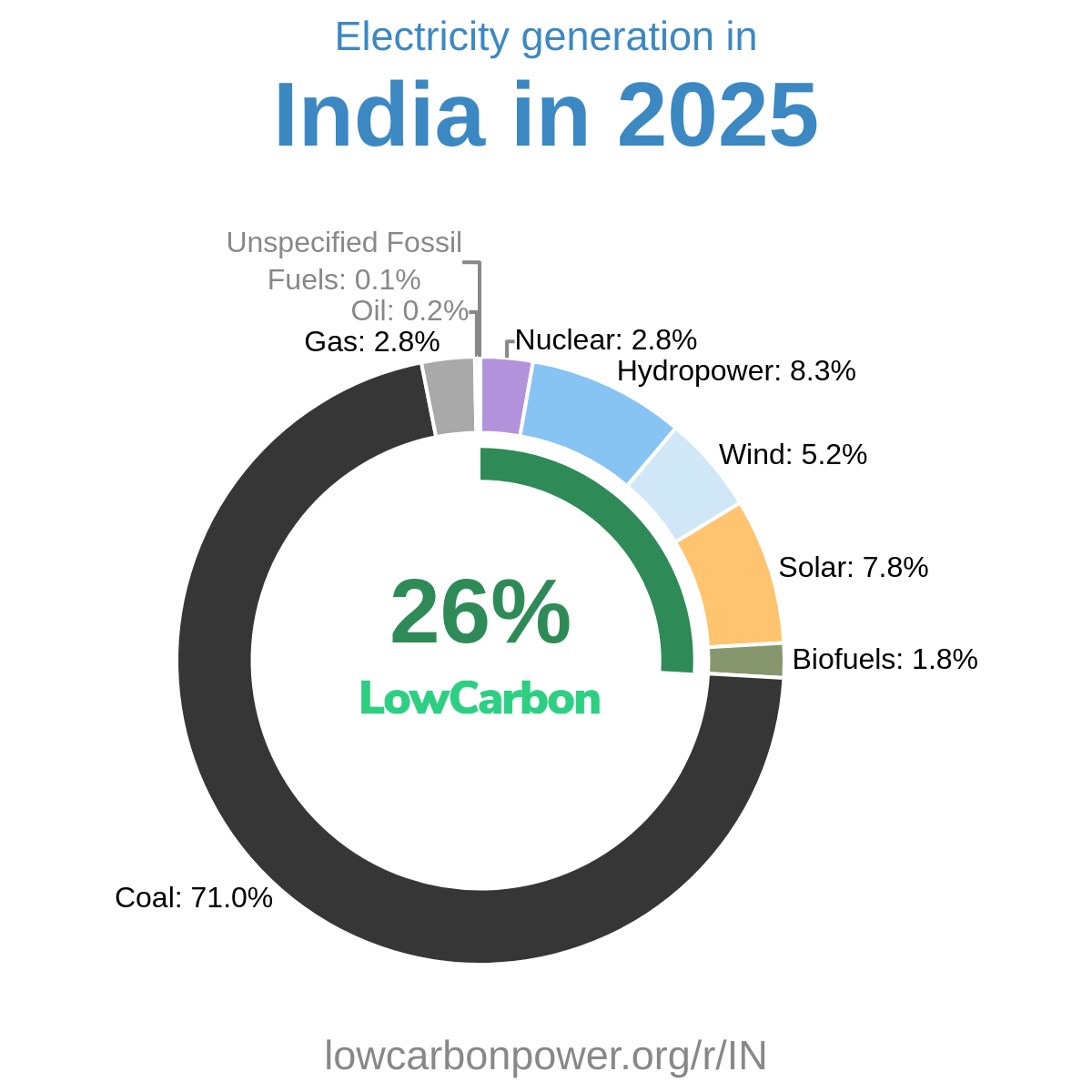
To enhance its low-carbon electricity generation, Yemen could significantly benefit from expanding its solar energy resources. Given its geographical position with ample sunshine year-round, replicating models from countries like India and China, where solar energy plays a vital role, could prove beneficial. Additionally, looking towards regions like the United States for its nuclear energy generation strategies can provide a framework for how Yemen could diversify its clean energy portfolio. Harnessing solar resources, alongside potential nuclear energy initiatives, can strongly position Yemen towards a more sustainable, green energy future, ultimately fostering growth in its electricity sector.
History
Historically, Yemen's advancement in low-carbon electricity has been notably sluggish. The transitional period of the late 2000s up to the mid-2010s witnessed virtually no development in solar energy, remaining consistently at 0 TWh annually until 2015. A modest attempt to boost solar energy use emerged in 2015 with an increase of 0.1 TWh, followed by another slight rise of 0.3 TWh in 2018. However, stagnation ensued in subsequent years, indicating an enduring pattern of limited progress towards clean energy transition. Given these historical challenges, there is an urgent impetus for Yemen to adopt dynamic strategies that prioritize solar expansion and potentially nuclear energy to revolutionize its electricity infrastructure.
Electricity Imports and Exports
Balance of Trade
Nearby Regions