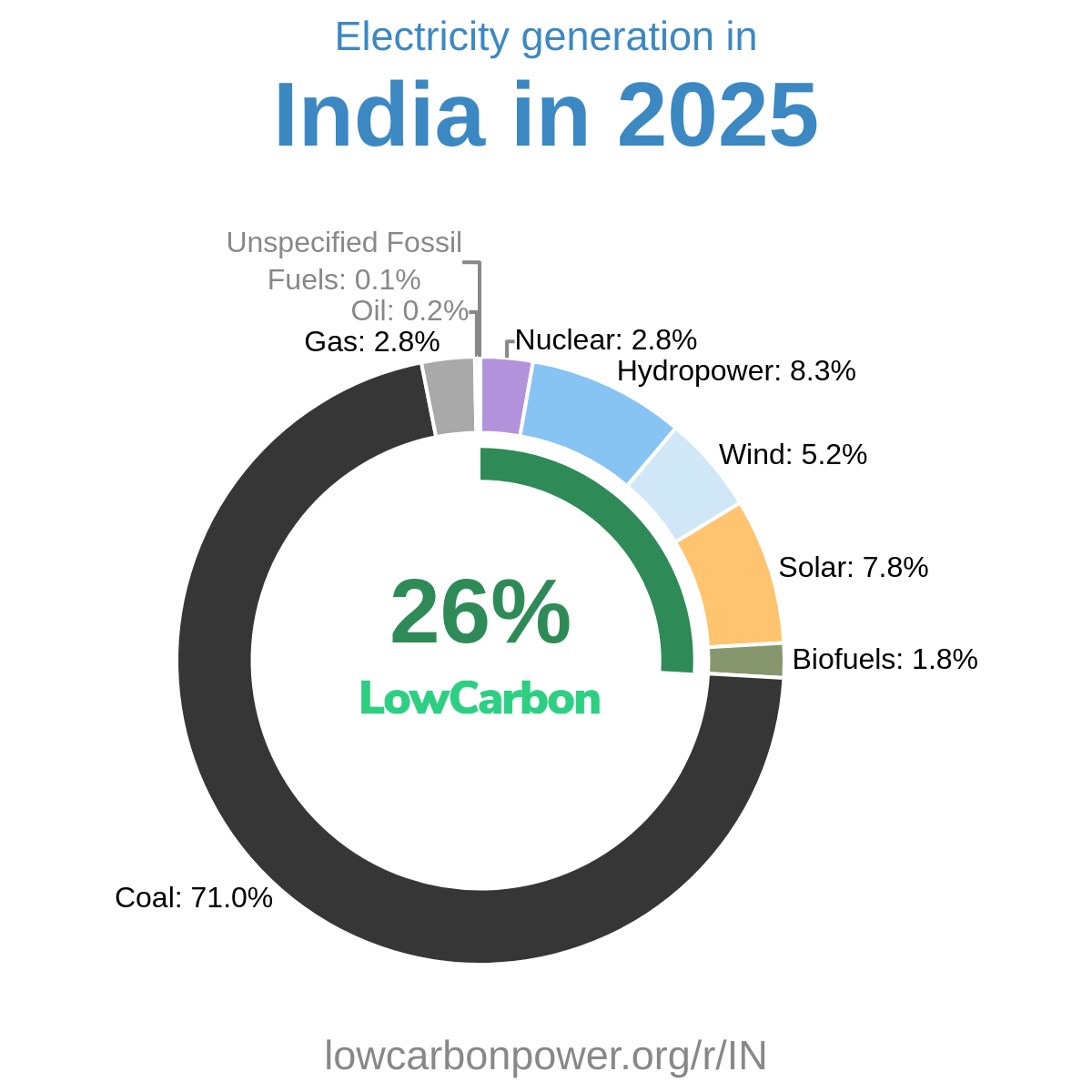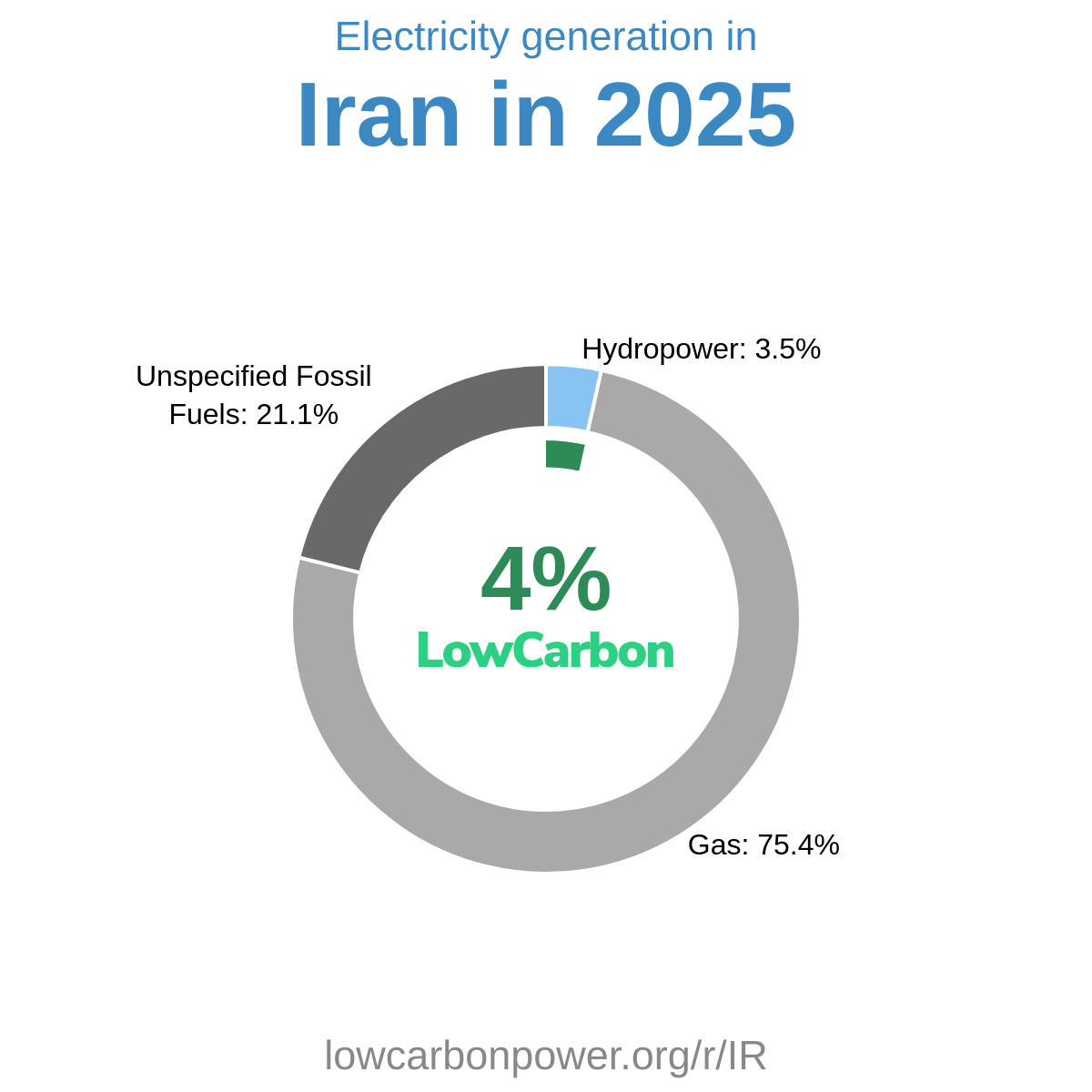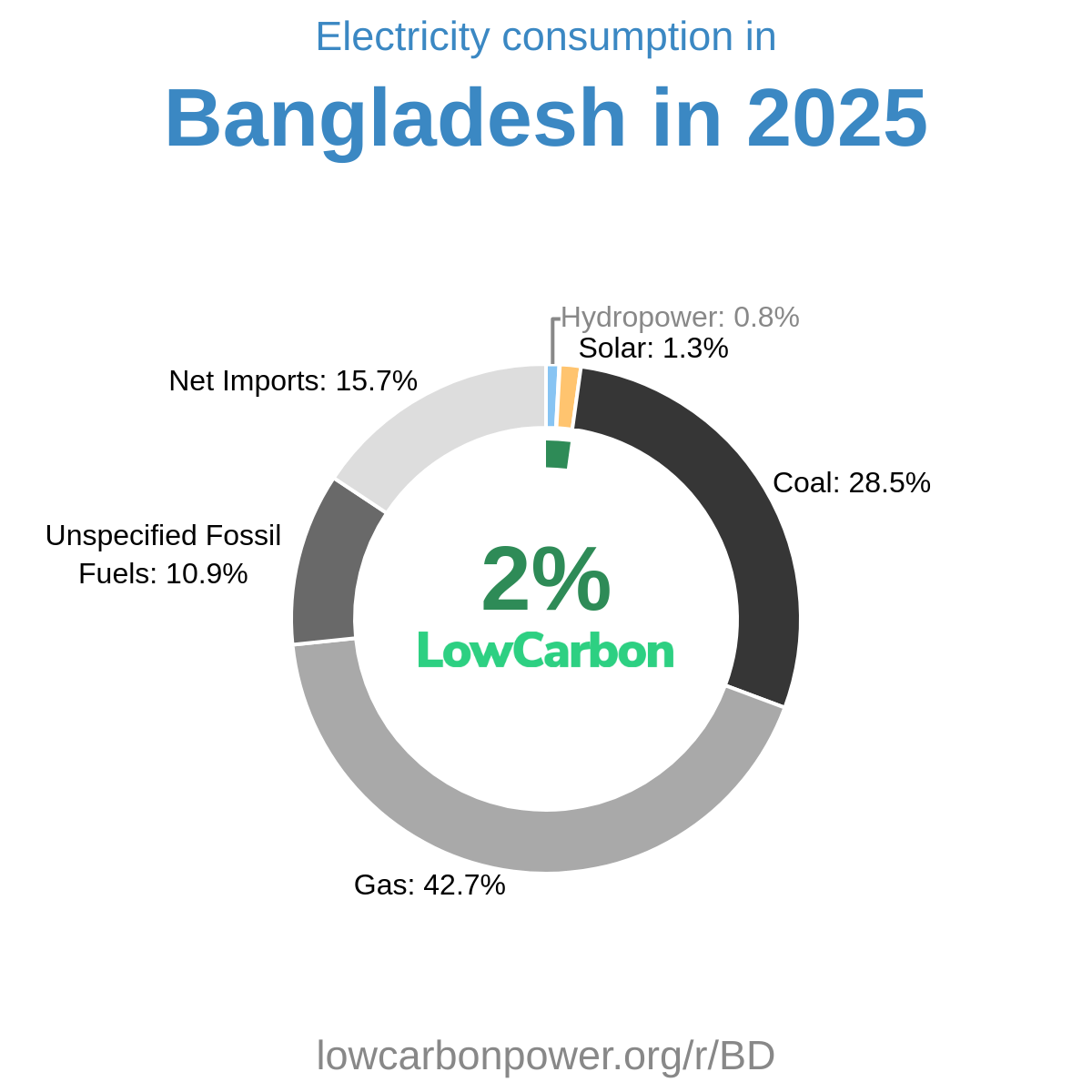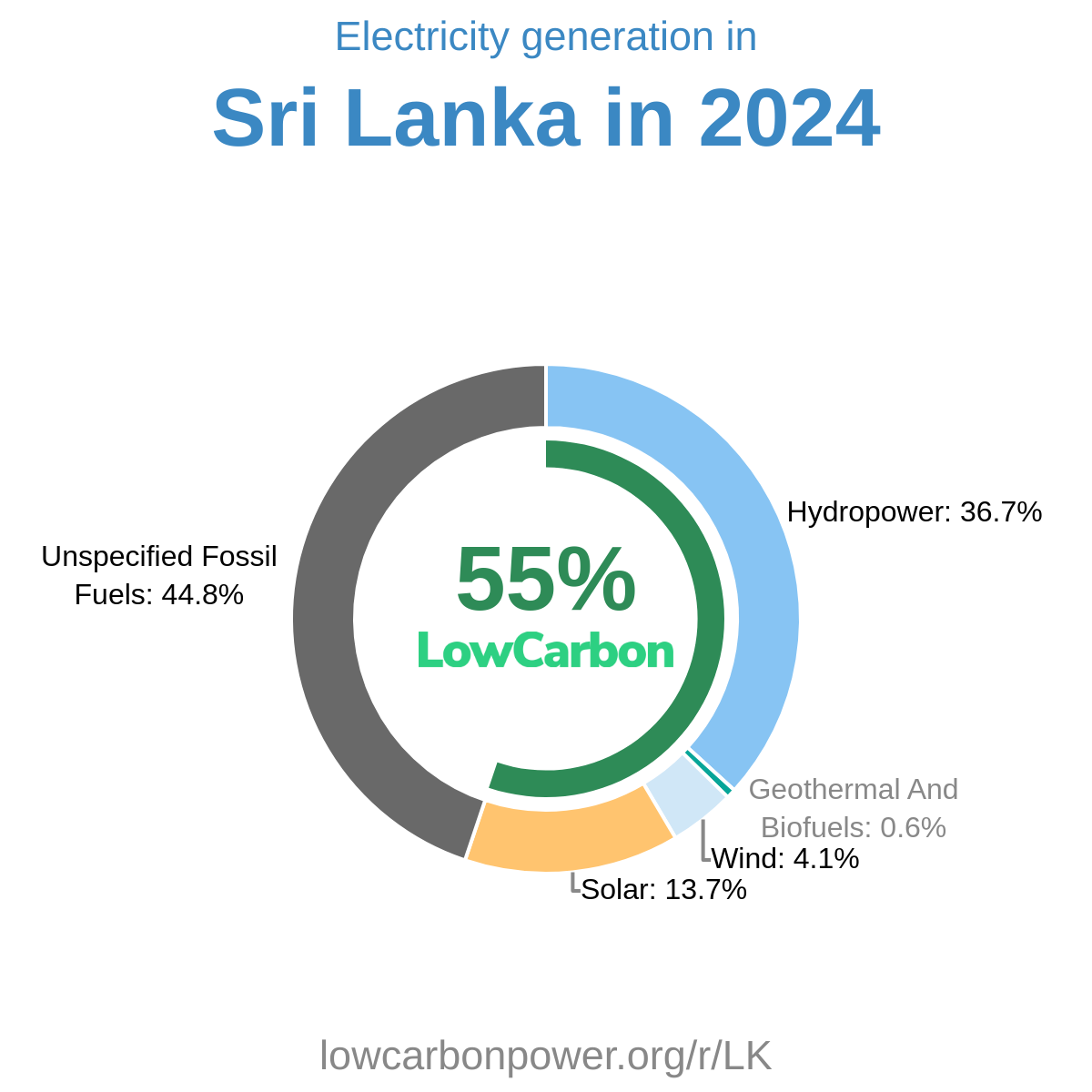


Over the period from April 2025 to March 2026, Pakistan has made strides in its electricity mix with more than half of its electricity, approximately 64%, coming from low-carbon sources. Solar energy accounts for about a quarter of this electricity, following closely behind hydropower, which contributes approximately 24%. Notably, over a tenth of the electricity is generated by nuclear sources. On the other hand, fossil energy sources still make up a significant portion, contributing close to 36%. Gas and coal are the predominant fossil sources, comprising around 19% and 17% of electricity generation, respectively. Wind energy, while a minor contributor, stands at just over 2%.
Is Electricity Growing in Pakistan?
Despite the advancement in the low-carbon segment, the overall per person electricity consumption in Pakistan has seen a decline from its peak in 2023. Current consumption stands at 660 kWh per person, down by around 9%, or 67 kWh from the 2023 high of 728 kWh. Conversely, low-carbon electricity consumption per person has seen a slight increase, setting a new record of 424 kWh per person in 2026, which is an improvement from the previous high in 2025. The disparity between overall consumption and low-carbon records indicates a pressing factor that while low-carbon generation is progressing, the total electricity growth is not keeping pace, which could be concerning given the ever-increasing demand for sustainable electricity.
Suggestions
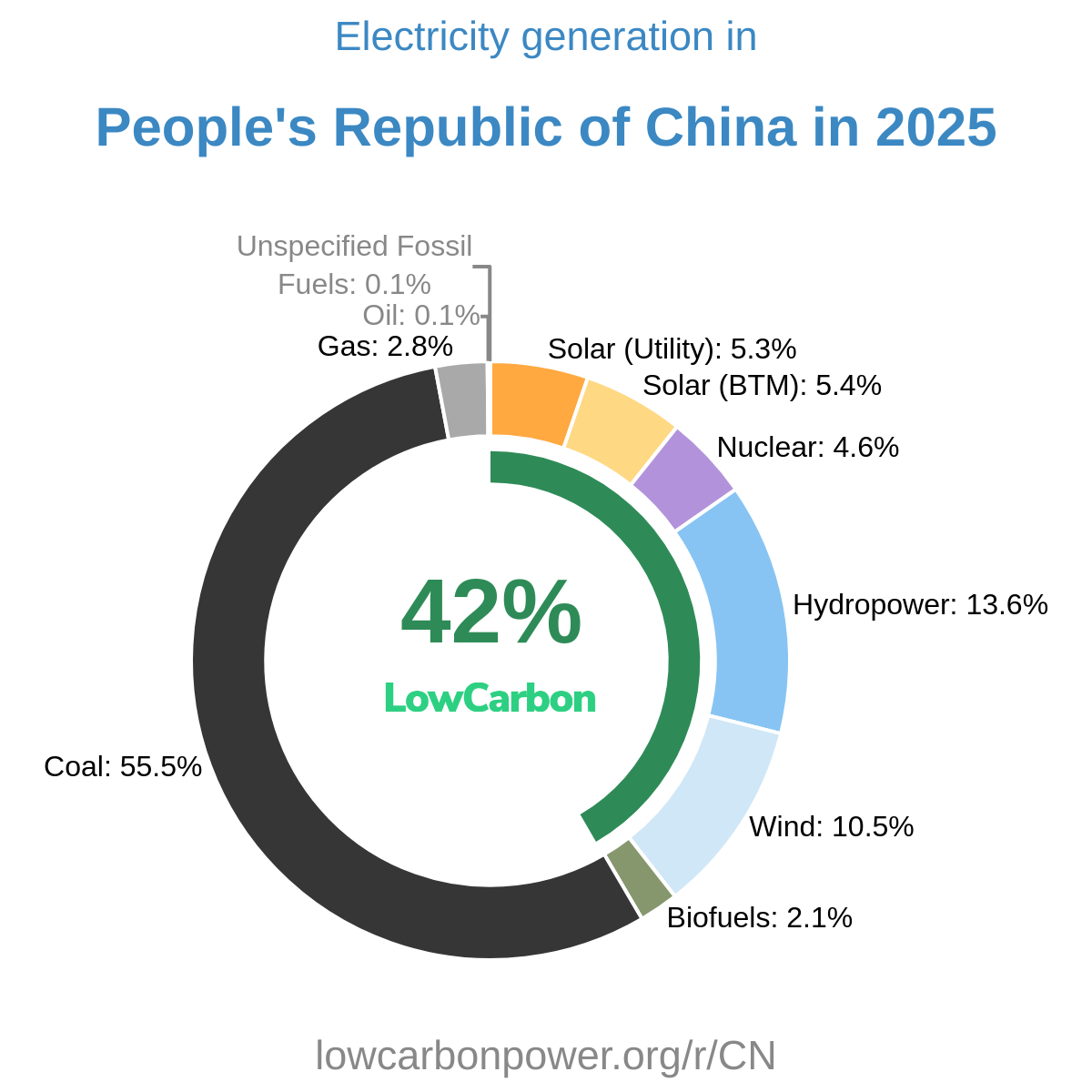
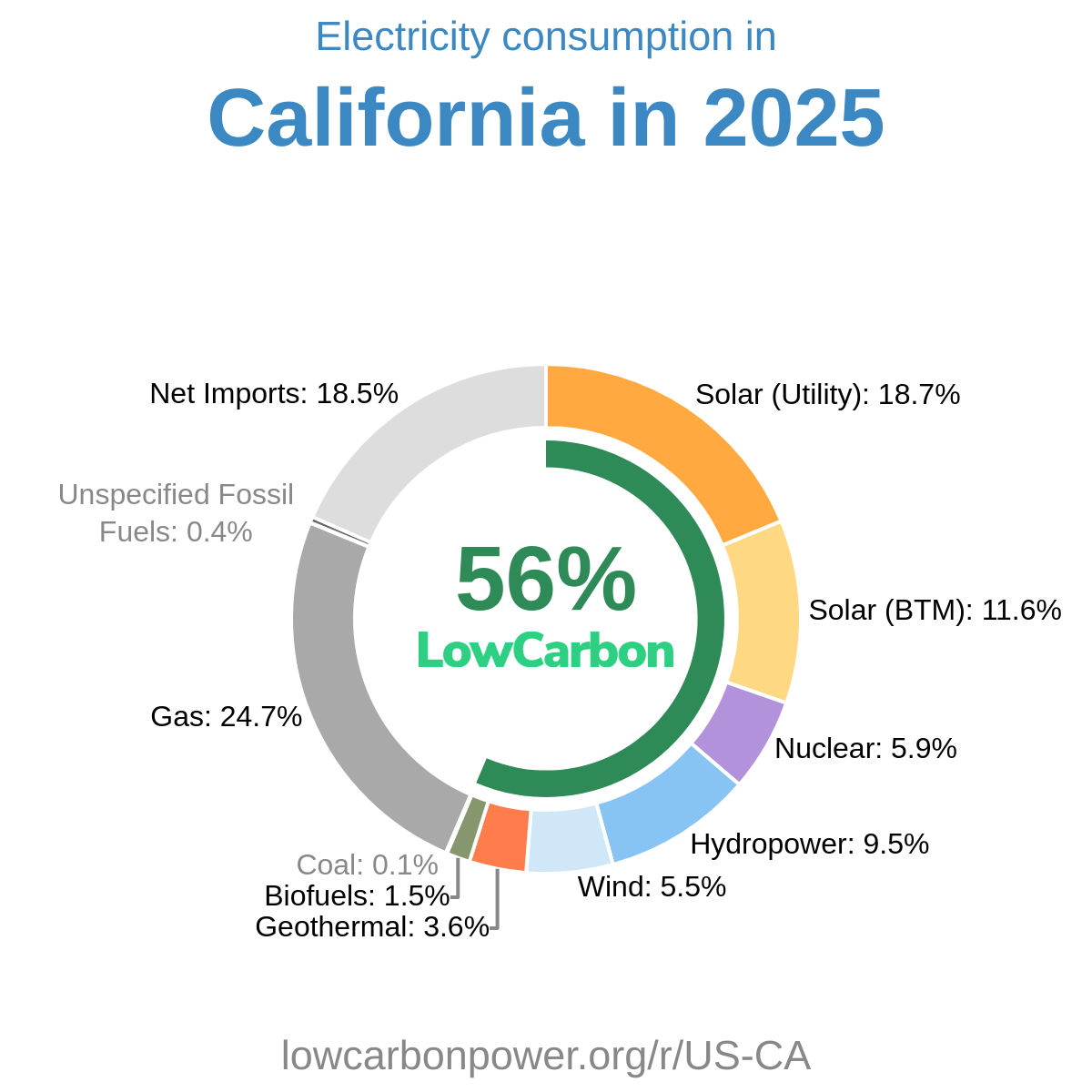
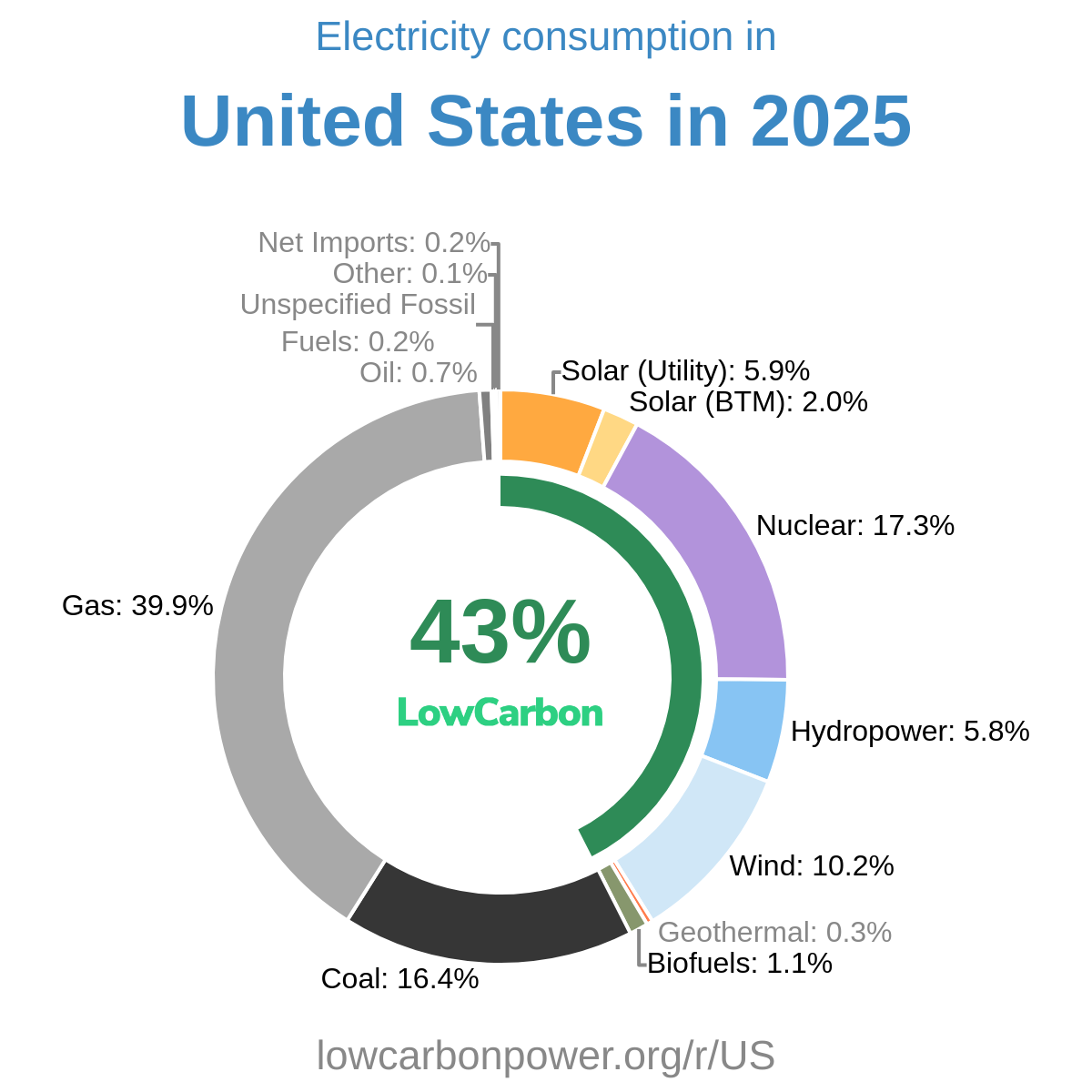
To bolster its low-carbon electricity generation further, Pakistan should consider expanding its existing nuclear and solar capacities, leveraging the success observed in countries with robust nuclear and solar sectors. France and Slovakia, where nuclear provides the majority of their electricity, showcase how scaling up this technology can lead to sustainable gains. Similarly, regions like Nevada, with its significant solar penetration, serve as a model for scaling solar electricity. Embracing such technology would not only reduce reliance on fossil fuels, which have stark environmental downsides, but also pave the way for a more sustainable and environmentally friendly power landscape in Pakistan.
* 12M = Last 12 months (Apr 2025 – Mar 2026) — a rolling 12-month period, not a calendar year.
History
Looking back at the history of low-carbon electricity in Pakistan, significant developments have been seen over the decades, notably in hydroelectric and nuclear power. During the 1990s and early 2000s, there were fluctuations in hydropower generation, with notable increases in the early 2000s. However, some declines were observed between 2007 and 2019. In more recent years, nuclear energy has experienced a significant uptick, particularly during 2021 and 2022, with substantial increases each year. The solar energy sector also saw impressive growth from 2023 onward, marking Pakistan's commitment to expanding its clean energy portfolio. Such historical achievements reinforce the country's potential to further its low-carbon generation efforts through targeted and strategic expansion in solar and nuclear capacities.
* 12M = Last 12 months (Apr 2025 – Mar 2026) — a rolling 12-month period, not a calendar year.
Electricity Imports and Exports
Balance of Trade
* 12M = Last 12 months (Apr 2025 – Mar 2026) — a rolling 12-month period, not a calendar year.
Nearby Regions