

Electricity in Thailand in 2025
Thailand's electricity consumption in 2025 is heavily reliant on fossil fuels, accounting for almost 70% of its total electricity production. The majority of this comes from gas, which comprises more than half of the total electricity generated. Coal also features but to a lesser extent, contributing almost a seventh to the mix. On the other side, low-carbon or clean electricity sources make up close to 14%. Among these, biofuels, solar, and hydropower each account for around a third of the low-carbon segment. Wind power provides a small yet notable contribution, making up just over 1.5% of the total electricity mix.
Is Electricity Growing in Thailand?
Electricity consumption in Thailand has experienced a slight downturn, as indicated by the decrease from the previous record of 3231 kWh per person in 2024 to 3134 kWh per person in 2025. Meanwhile, low-carbon electricity generation is seeing a positive trend, with the latest figures showing 435 kWh per person, marking an increase compared to the 2018 record. The decline in total electricity use is a cause for concern in the context of the growing need for more electricity, especially clean and low-carbon electricity to support sustainable development and mitigate climate impacts.
Suggestions
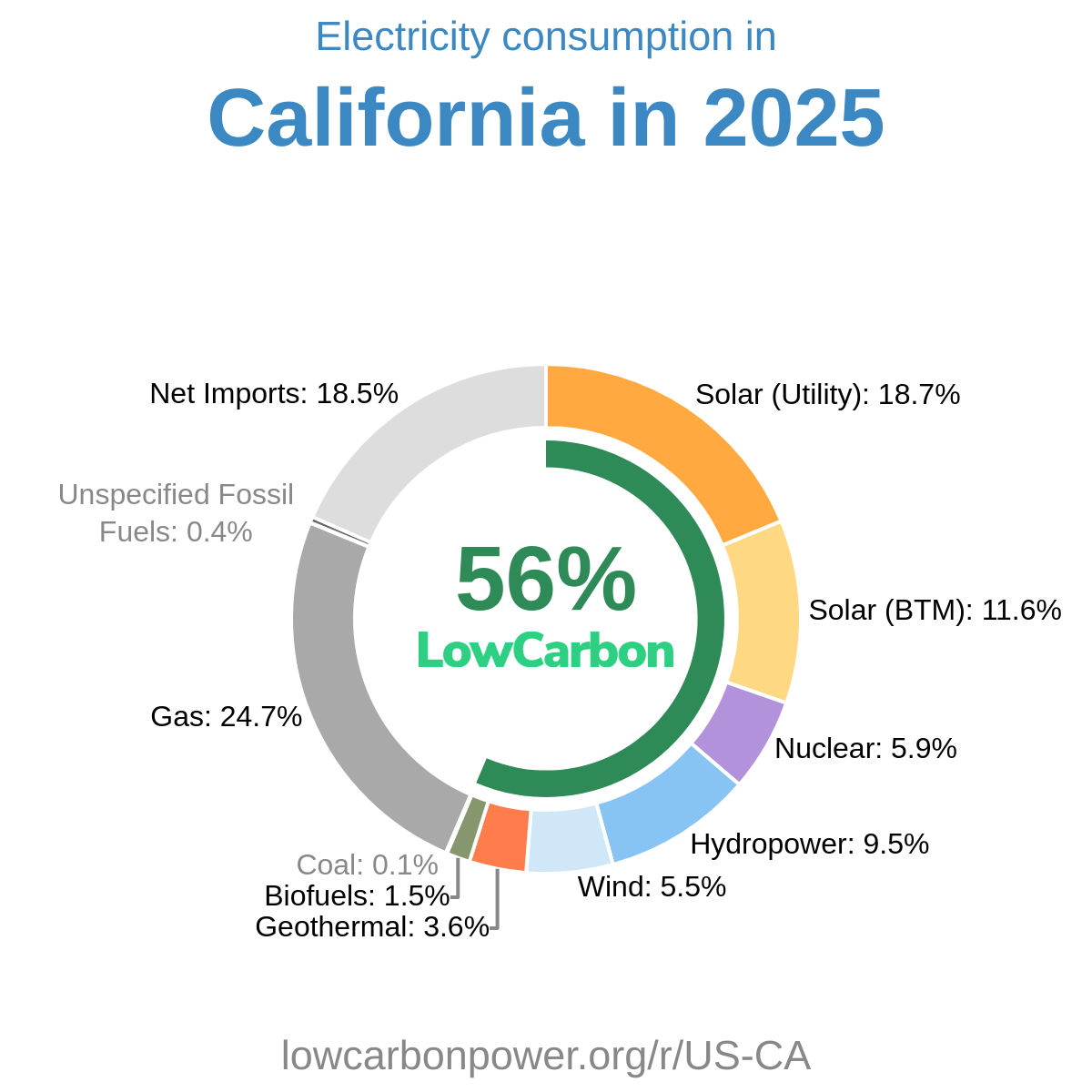
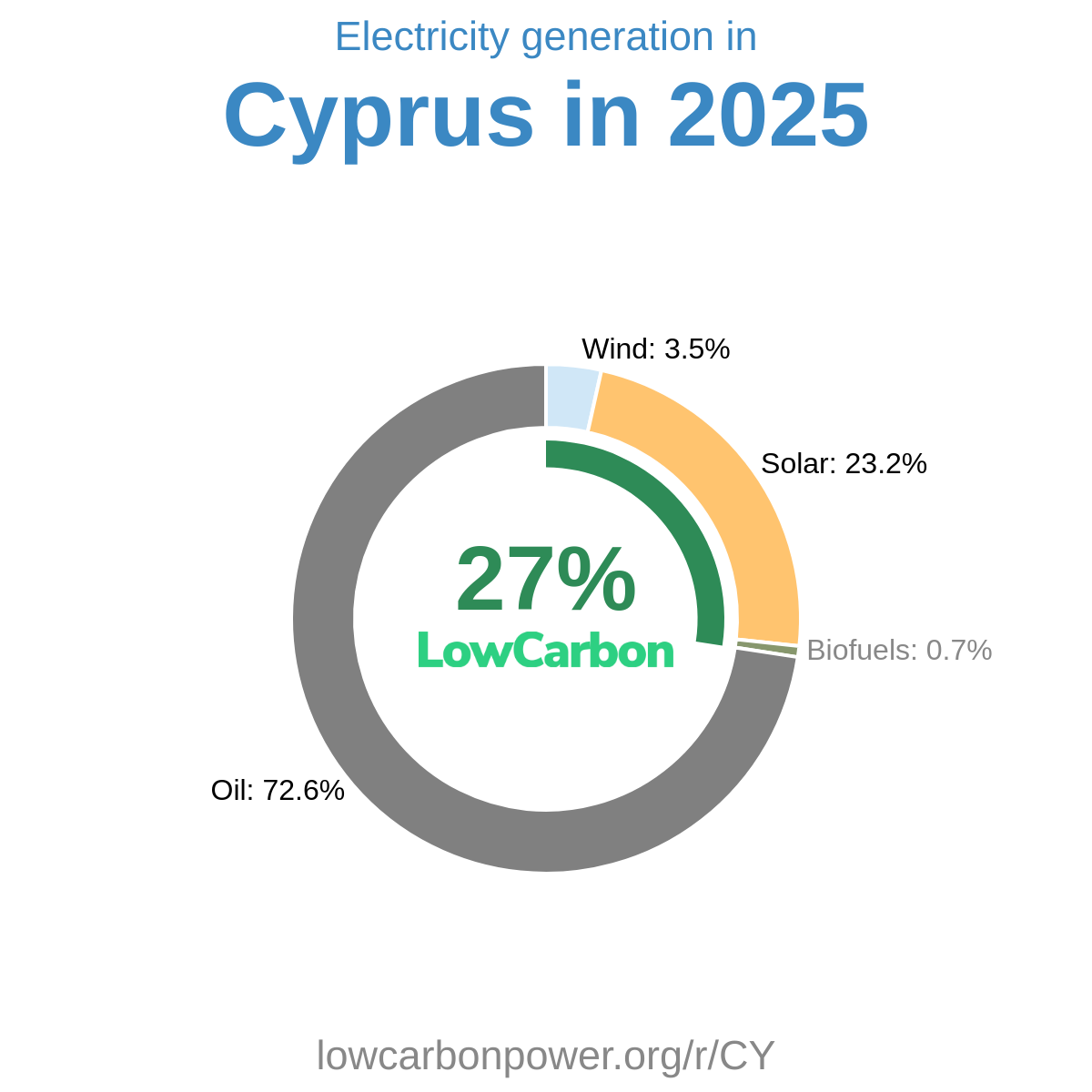
To increase low-carbon electricity generation, Thailand could learn from successful regions. Solar energy presents significant potential, and examples can be drawn from regions like California and Lebanon, where solar contributions reach around 31%. North Macedonia has also made great strides with 30% from solar energy. Nuclear energy could also play a pivotal role, following the example of France and Slovakia, where nuclear accounts for over 60% of the electricity mix. By deploying a dual focus on both solar and nuclear energy, Thailand could diversify its low-carbon portfolio and significantly reduce its dependency on fossil fuels.
History
The history of low-carbon electricity in Thailand shows a dynamic evolution. In the late 1980s and throughout the 1990s, there were intermittent increases and decreases in hydropower, with significant reductions in the late 1990s. Biofuels saw marked growth in the mid-2010s, peaking in 2016, before subsequently experiencing declines. Wind energy was introduced in 2019 with promising initial growth. The recent rise in solar energy in 2025 is a notable positive development, illustrating the country's potential for diversifying its clean energy sources. Continued investments in solar and nuclear technologies could further stabilize and enhance Thailand's low-carbon electricity generation.
Electricity Imports and Exports
Balance of Trade
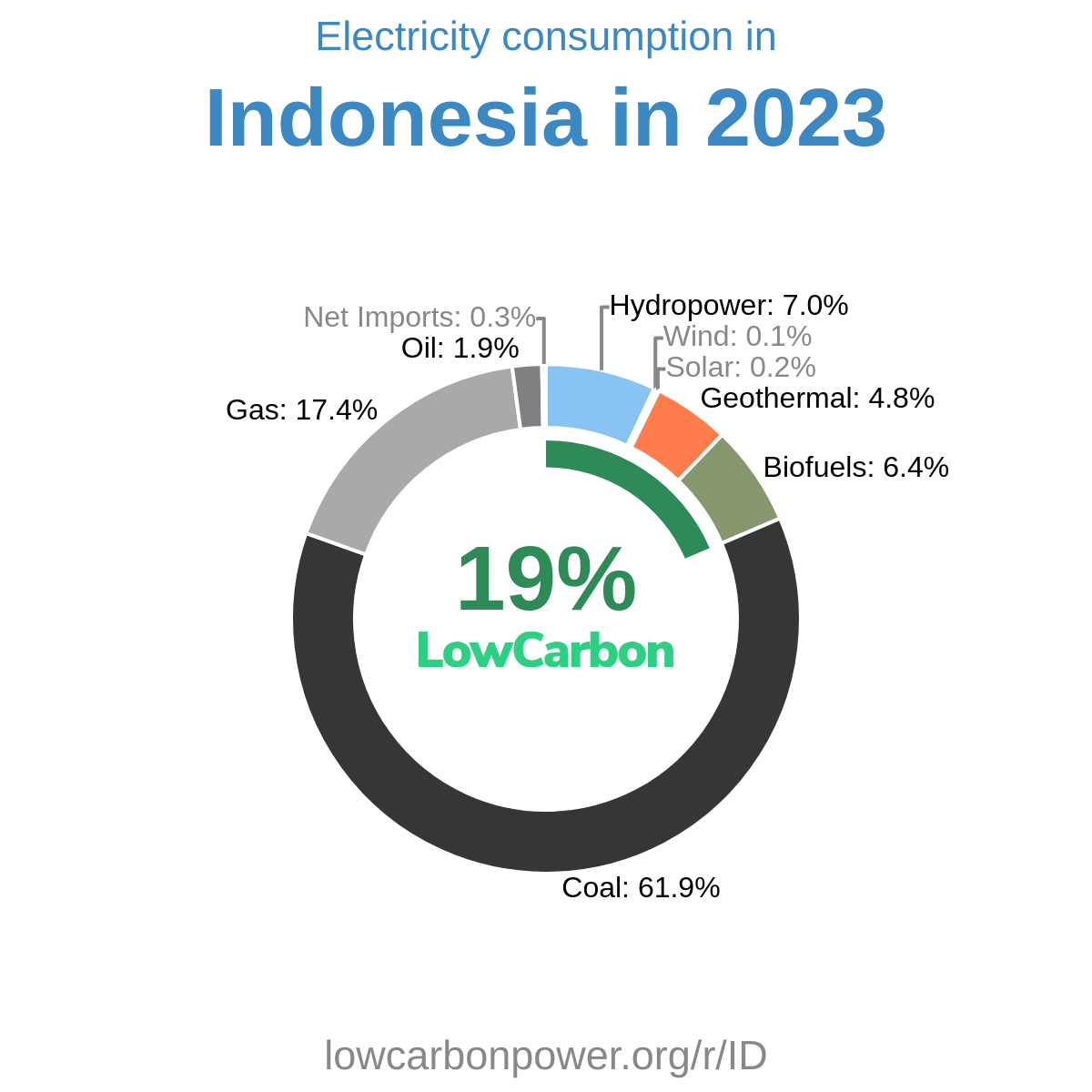
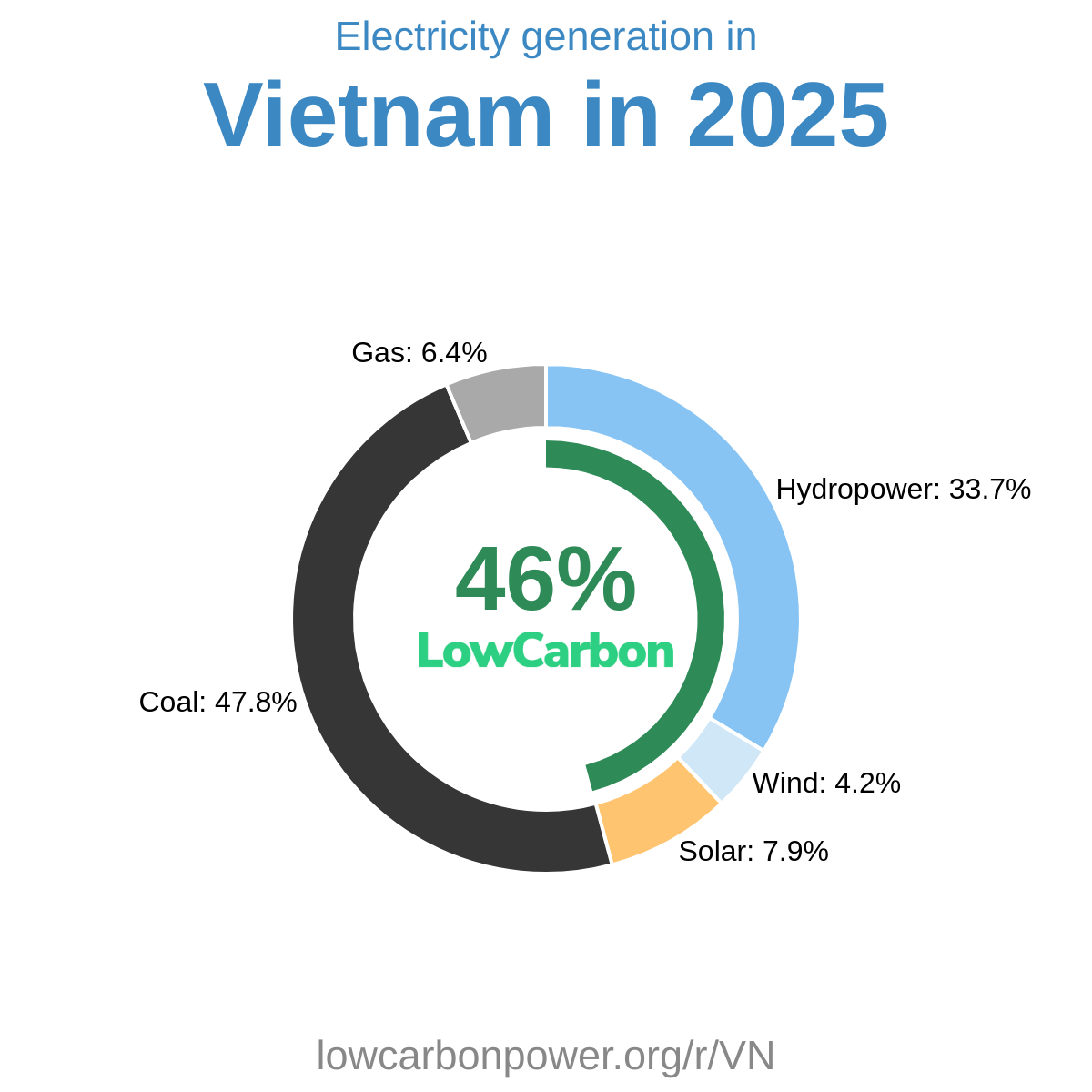
Nearby Regions
.png)