

Electricity in St. Pierre & Miquelon in 2022
In 2022, electricity consumption in St. Pierre & Miquelon was entirely dependent on fossil fuels, with close to none coming from low-carbon sources. This indicates a significant opportunity for a transition towards more sustainable energy options. Currently, all the electricity consumed in the region stems from fossil-based systems, leading to higher carbon emissions and contributing to climate change. Moving towards low-carbon electricity sources such as solar, wind, and particularly nuclear can significantly reduce the carbon footprint and provide a cleaner environment for future generations.
Is Electricity Growing in St. Pierre & Miquelon?
Examining the growth of electricity consumption in St. Pierre & Miquelon, the island has seen a slight increase in recent years. In 2022, the total electricity consumption reached 8,735 kWh per person, slightly surpassing the previous record in 2021 of 8,685 kWh per person. This increase by 50 kWh per person suggests an upward trend in electricity use, albeit modest. However, despite this overall growth, the low-carbon generation has remained stagnant at 0 kWh per person since the year 2000. It is crucial for St. Pierre & Miquelon to capitalize on this rising electricity demand by developing clean energy solutions to ensure sustainability and energy security.
Suggestions
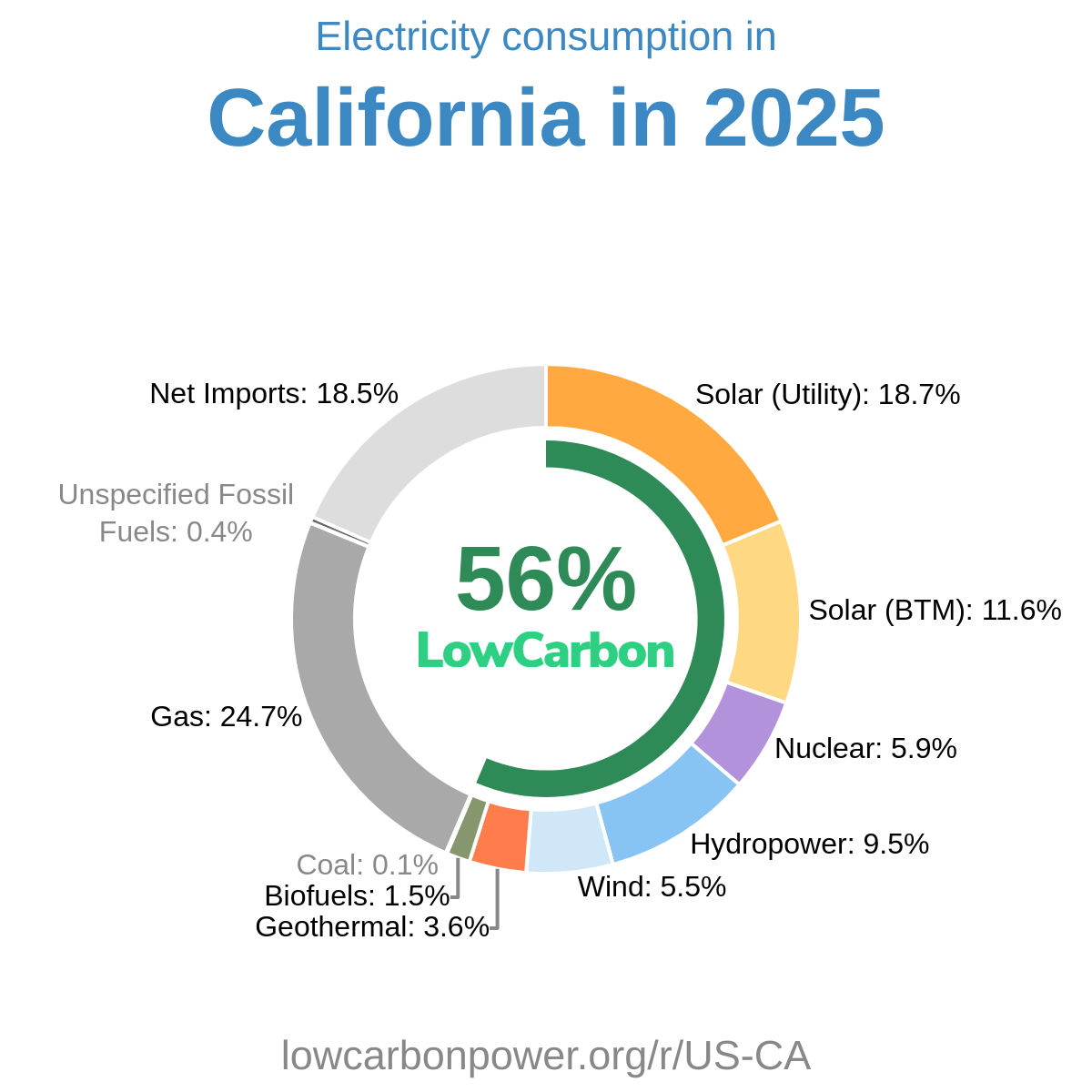
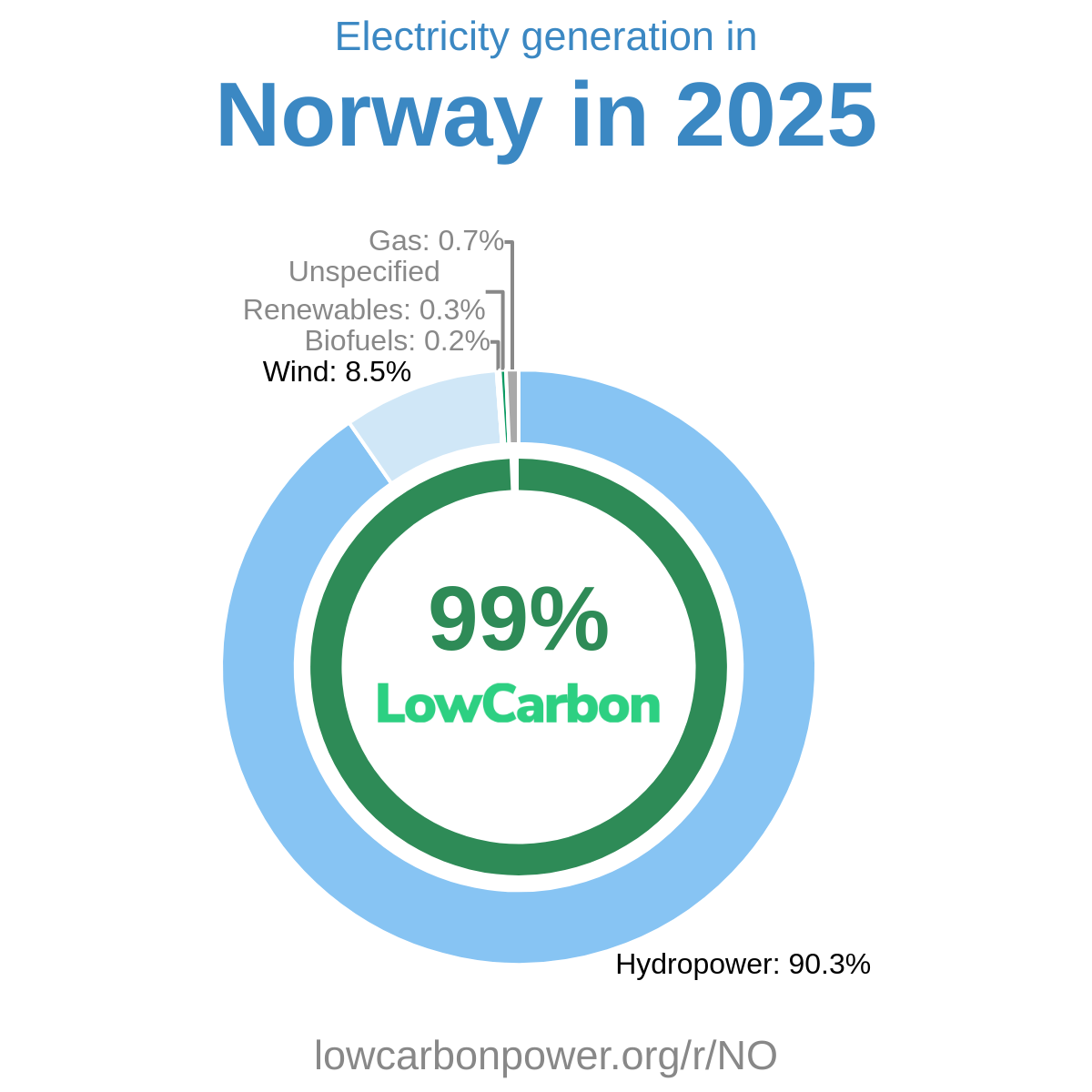
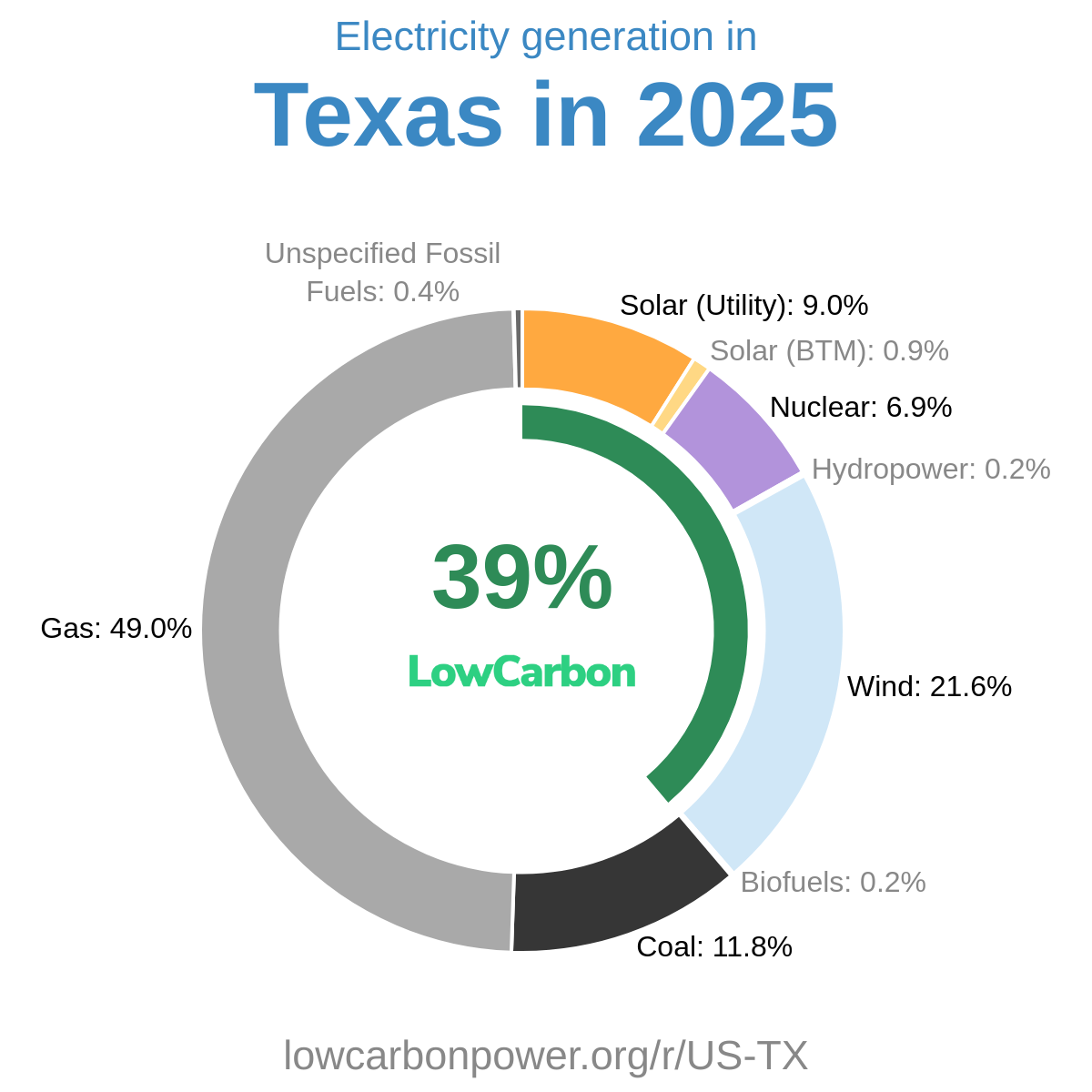
To increase low-carbon electricity generation, St. Pierre & Miquelon can look at successful regions for inspiration. For instance, France and Slovakia have achieved more than half of their electricity generation using nuclear power, demonstrating the effectiveness and reliability of this energy source. Additionally, states like Iowa and Denmark have shown the potential of wind energy by producing about 57% of their electricity from wind. Incorporating nuclear and solar energy can significantly benefit the region, as seen in places like Nevada and California, where solar contributes significantly to electricity generation. By adopting these successful strategies from other regions, St. Pierre & Miquelon can reduce its dependence on fossil fuels and move towards a sustainable and low-carbon future.
History
Historically, the use of low-carbon electricity in St. Pierre & Miquelon has remained unchanged, with no recorded increases in low-carbon generation throughout the documented years. This lack of progress in adopting clean energy technologies is concerning, particularly when other parts of the world have shown significant advancements in low-carbon electricity production. The absence of development in this domain underscores an urgent need for the region to adopt and invest in low-carbon technologies, especially nuclear and solar, to meet environmental and energy demands of the 21st century. By embracing these technologies, St. Pierre & Miquelon can enjoy both the environmental and economic benefits of a sustainable energy infrastructure.
Electricity Imports and Exports
Balance of Trade
Nearby Regions