

In 2023, electricity consumption in Suriname is primarily based on fossil fuels, with over half, about 57%, of the electricity derived from this source. However, there is a significant contribution from low-carbon sources, specifically hydropower, which accounts for almost 43% of the nation's electricity supply. This means that Suriname has a substantial reliance on clean energy, nearly half of its electricity needs, which showcases the country's potential in contributing towards a greener and more sustainable energy model.
Is Electricity Growing in Suriname?
Despite the impressive share of low-carbon electricity, Suriname's overall electricity consumption is facing a decline. The latest figures indicate that the per capita electricity consumption stands at about 3,403 kWh, which marks a significant drop from the peak of 4,293 kWh in 1993. Additionally, low-carbon electricity generation per person has decreased dramatically, with the recent generation of 1,463 kWh per person falling well below the record of 3,577 kWh from 1993. This decrease in both overall and low-carbon electricity signals a concerning trend, as a growing demand for sustainable electricity is vital for the country's development and environmental goals.
Suggestions
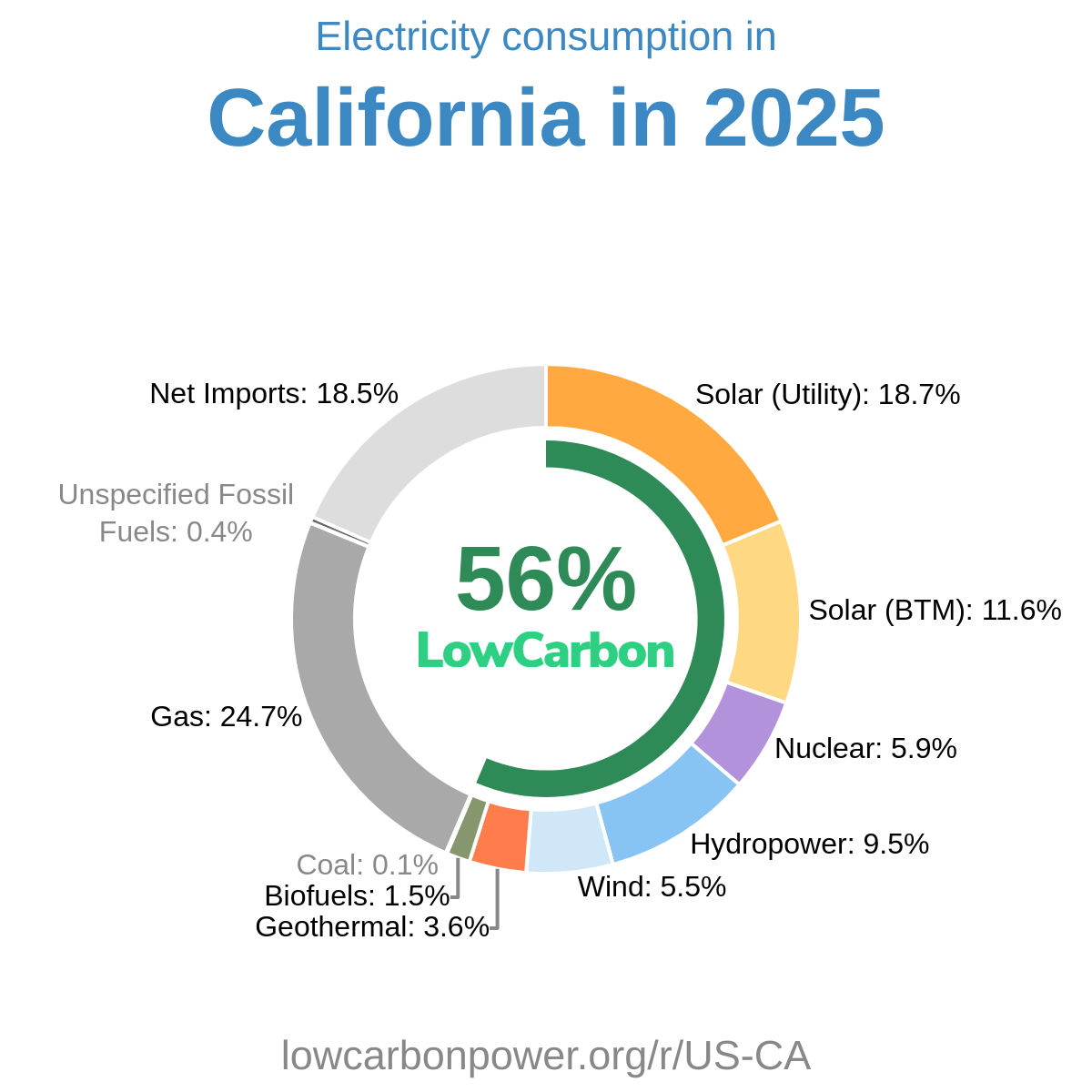
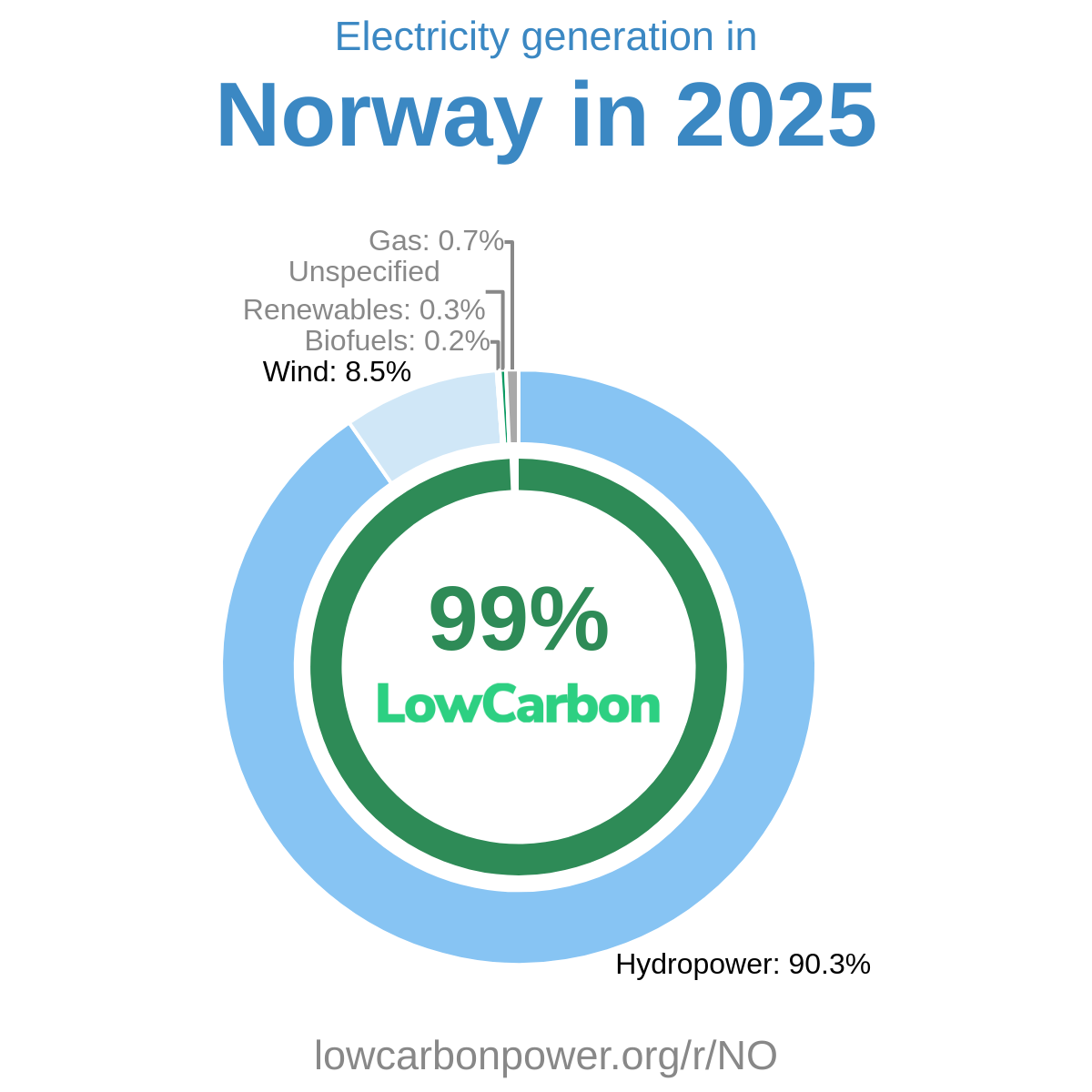
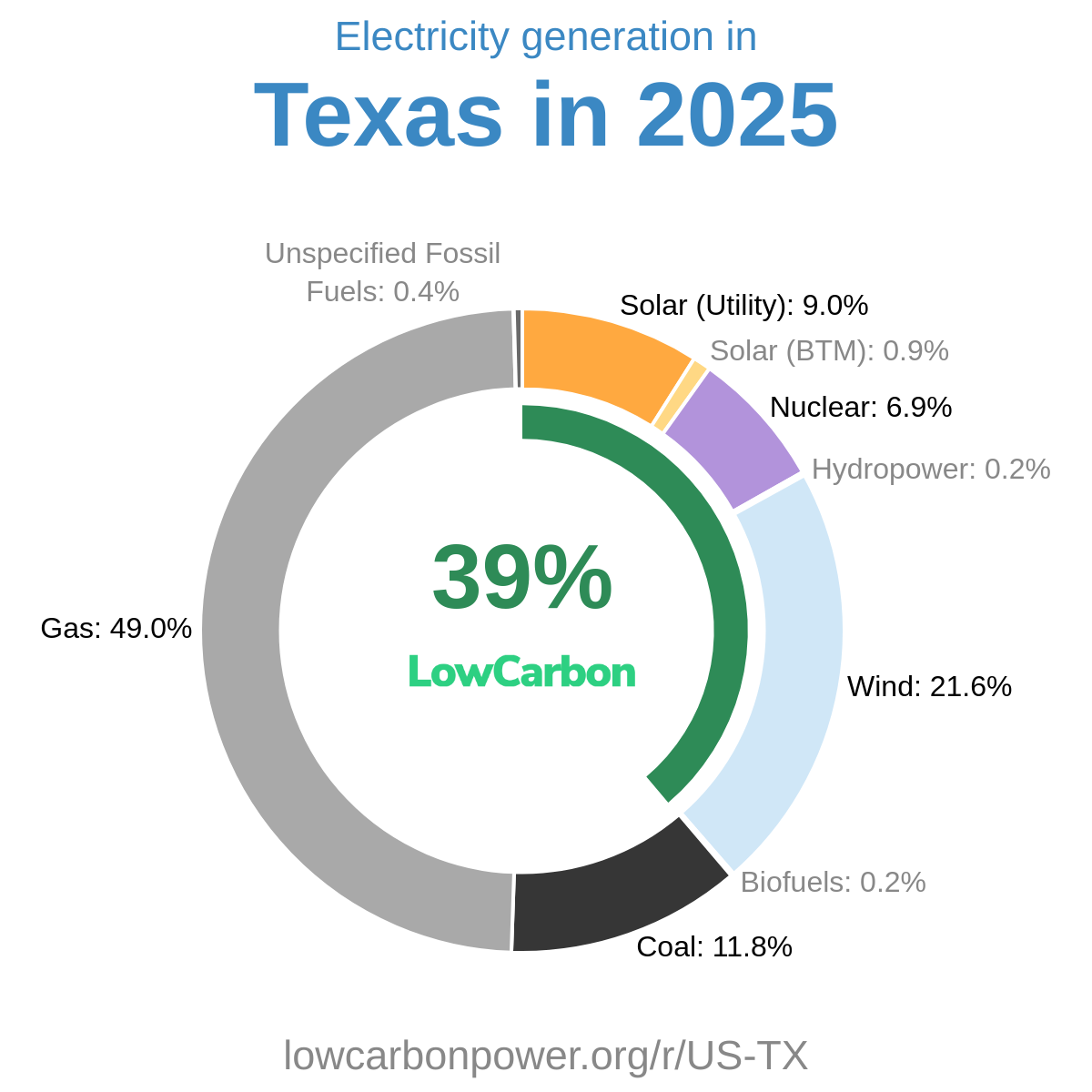
To bolster low-carbon electricity generation and set a course for sustainable growth, Suriname can draw inspiration from regions boasting high shares of clean electricity. For instance, countries like France and Slovakia, which generate over 65% of their electricity from nuclear power, demonstrate the viability and scalability of nuclear energy. Meanwhile, US states such as Iowa, South Dakota, and Denmark successfully harness wind energy, highlighting its potential. Furthermore, places like California and Nevada are capitalizing on solar energy, achieving over 30% of their electricity from this source. Suriname could explore similar pathways to diversify its low-carbon energy portfolio, focusing on solar and nuclear to reduce reliance on fossil fuels and meet future electricity needs sustainably.
History
Looking back at Suriname's history with low-carbon electricity, hydropower has been its primary form of generation. The 1980s and 1990s saw fluctuations, with notable increases like the 0.6 TWh rise in 1989, but also periods of decline, such as the 0.5 TWh decrease in 1987. From 2000 onward, hydropower faced minor declines but also displayed several years of incremental growth. In 2016, for instance, there was a notable increase of 0.3 TWh. Throughout the decades, hydropower has remained the key pillar of Suriname's low-carbon strategy, although expanding into new clean energy technologies such as solar and nuclear is crucial to ensuring consistent and robust growth in sustainable electricity generation.
Electricity Imports and Exports
Balance of Trade
Nearby Regions