

In 2022, Réunion's electricity consumption was primarily reliant on fossil fuels, with more than half (around 66%) derived from these sources, which contribute significantly to climate change and air pollution. Clean, low-carbon electricity sources are responsible for almost a third of Réunion's electricity. Hydropower is the leading clean energy source, accounting for nearly 19%, followed by solar at about 8%, and biofuels at approximately 7%. These figures highlight the importance of scaling up low-carbon energy sources to reduce Réunion's dependency on fossil fuels.
Is Electricity Growing in Réunion?
Réunion's electricity consumption per person has experienced a recent decline. In 2022, the consumption was around 3,867 kWh per person, a drop from the 2020 record of 4,400 kWh per person. This decrease is troubling as it reflects a setback in the potential to meet growing energy demands associated with electrification and modernization. On a positive note, low-carbon electricity generation per person has seen modest growth, reaching 1,320 kWh per person in 2022, surpassing the previous record of 1,262 kWh per person in 2013. This progress in clean energy generation, although encouraging, calls for further efforts and investment to keep pace with energy needs.
Suggestions
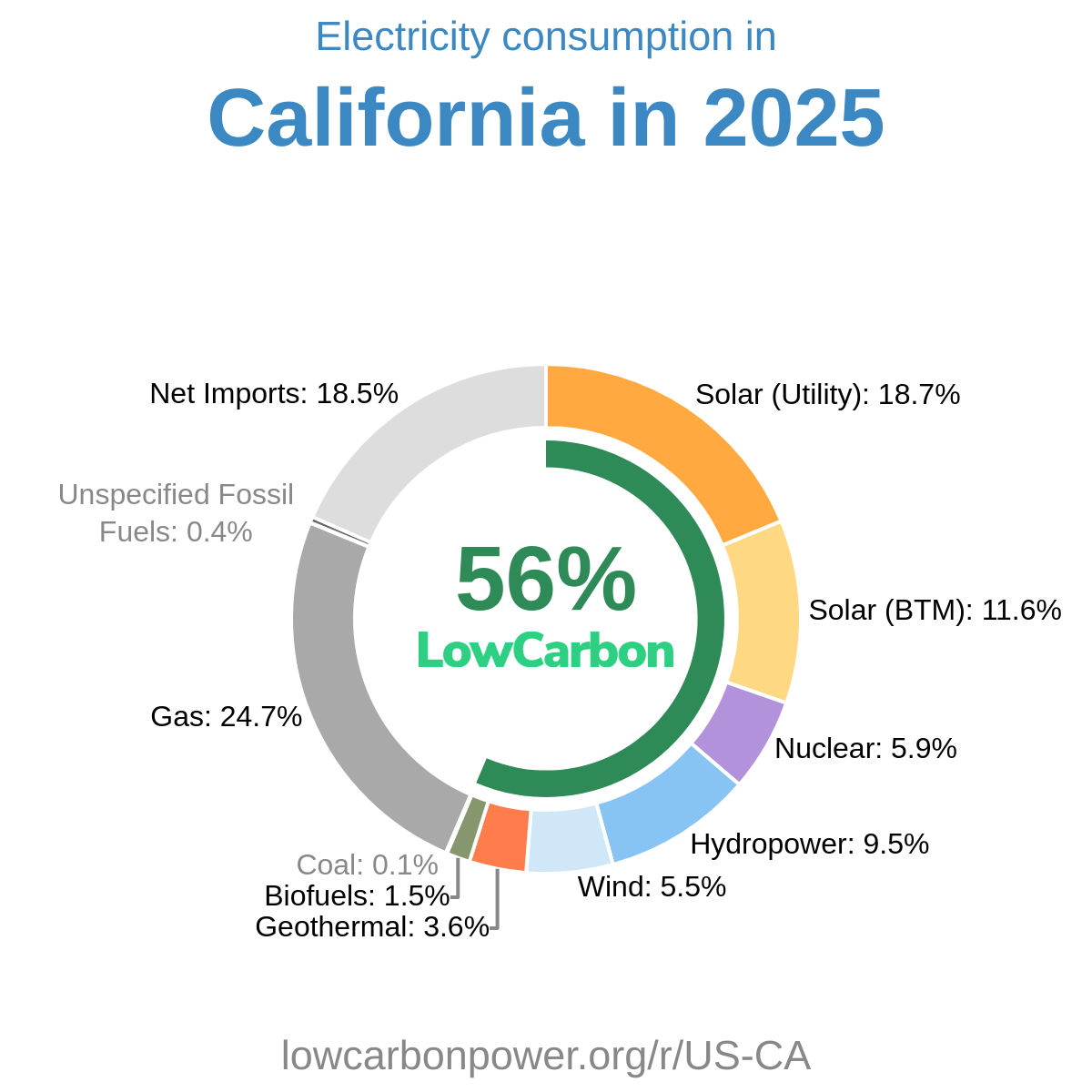
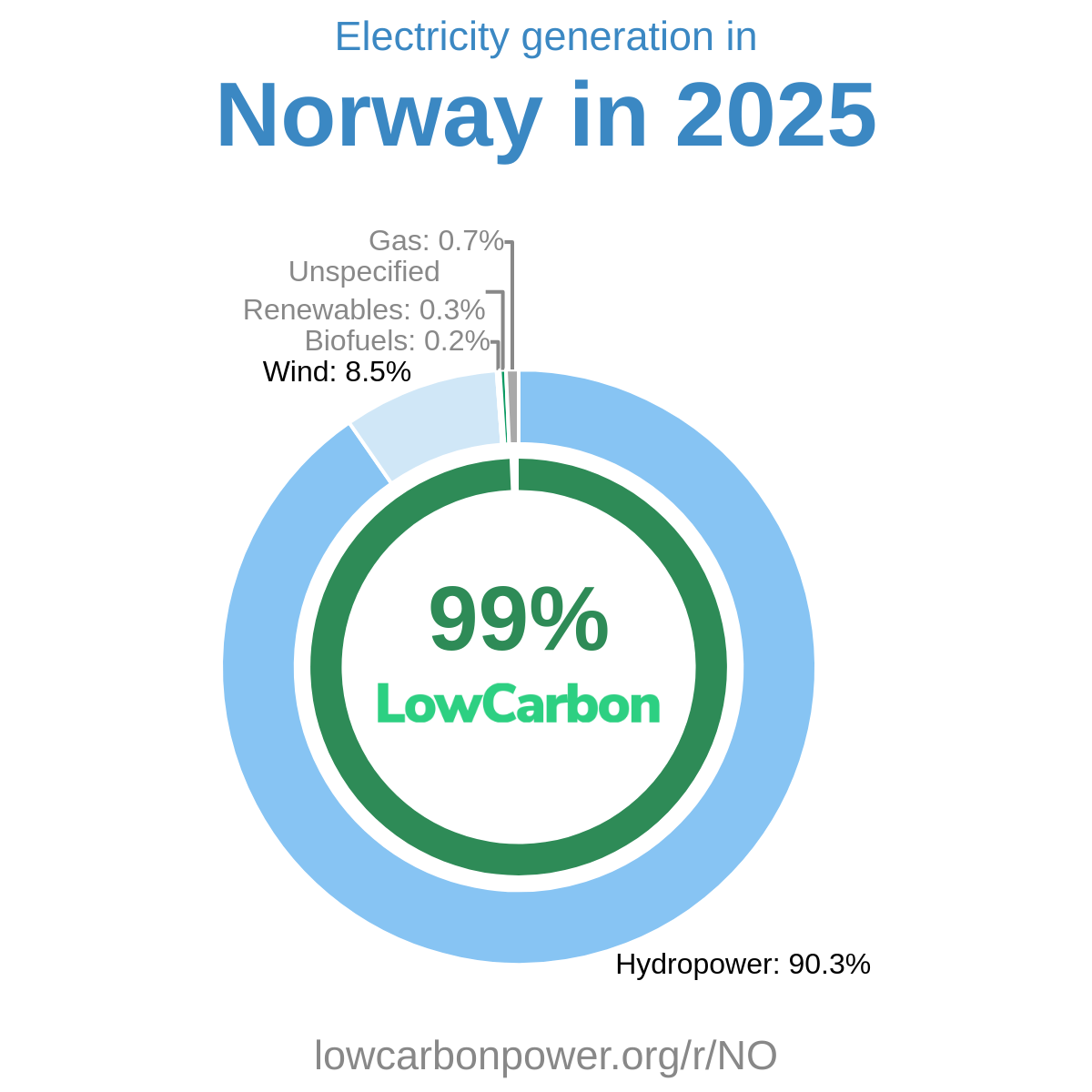
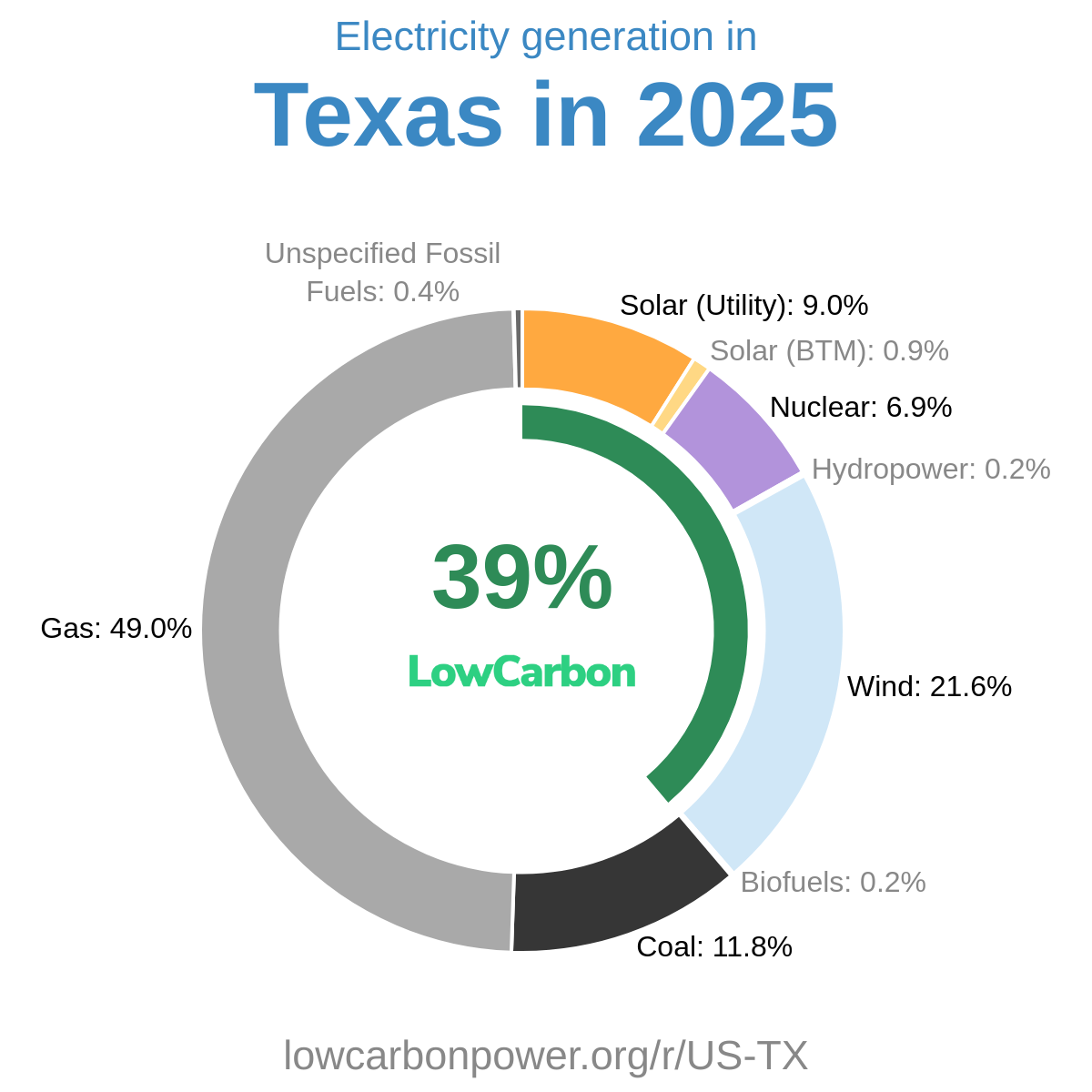
To boost low-carbon electricity generation, Réunion should explore successful practices from countries leading in solar and nuclear energy. France, with 67% of its electricity coming from nuclear sources, and Nevada, where solar accounts for 35% of electricity, are strong examples of strategic investments in clean energy infrastructure. By increasing solar power facilities and considering nuclear energy, Réunion could secure a more sustainable energy future. Both solar and nuclear energy present viable options for diversifying the island's energy mix, reducing carbon emissions, and enhancing energy security.
History
In recent years, low-carbon electricity generation in Réunion has displayed a mixed pattern influenced by hydropower and biofuels. In the 2000s, hydropower saw fluctuations, with small increases and decreases, highlighting the instability of relying on this sole clean energy source. A significant, positive increase occurred in 2022, with hydropower rising by 0.3 TWh. Solar energy began its contribution in 2010 and steadily increased, although it remains a smaller share of the low-carbon mix. Biofuels made a minor increase in 2004 but have since seen little change, emphasizing solar and potentially nuclear energy's importance in achieving a significant low-carbon impact moving forward.
Electricity Imports and Exports
Balance of Trade
Nearby Regions