

Over the past year, from September 2025 to August 2026, Luxembourg's electricity consumption has predominantly been reliant on imports, with a significant portion, over 60%, being sourced from outside its borders. Nevertheless, the country shows a commendable effort in harnessing low-carbon energy, which accounts for nearly 36% of its electricity consumption. Hydropower leads the clean energy category, contributing about 14%, while solar and wind each account for close to 9%. Biofuels, another low-carbon source, supply a modest share of approximately 4%. Fossil energy, on the other hand, plays a minimal role, comprising less than 2% of the country's electricity consumption. This highlights Luxembourg's commitment to reducing the reliance on fossil fuels, thus minimizing the negative impacts such as climate change and air pollution.
Is Electricity Growing in Luxembourg?
Despite Luxembourg's reliance on imports and its efforts in generating low-carbon electricity, the latest electricity consumption per person is notably lower than past records. In 2026, electricity consumption stood at about 8349 kWh per person, which is a significant drop from the 17048 kWh per person recorded in 2010. This decline of approximately 8700 kWh per person is concerning, especially given the need for more electricity to support electrification and technological growth. Similarly, low-carbon electricity generation per person has decreased from its peak in 2024, with 2985 kWh per person in 2026, marking a reduction of around 877 kWh. These declines imply a need for strategic investment and motivation towards growing the sector, particularly in clean energy, to meet future demands.
Suggestions
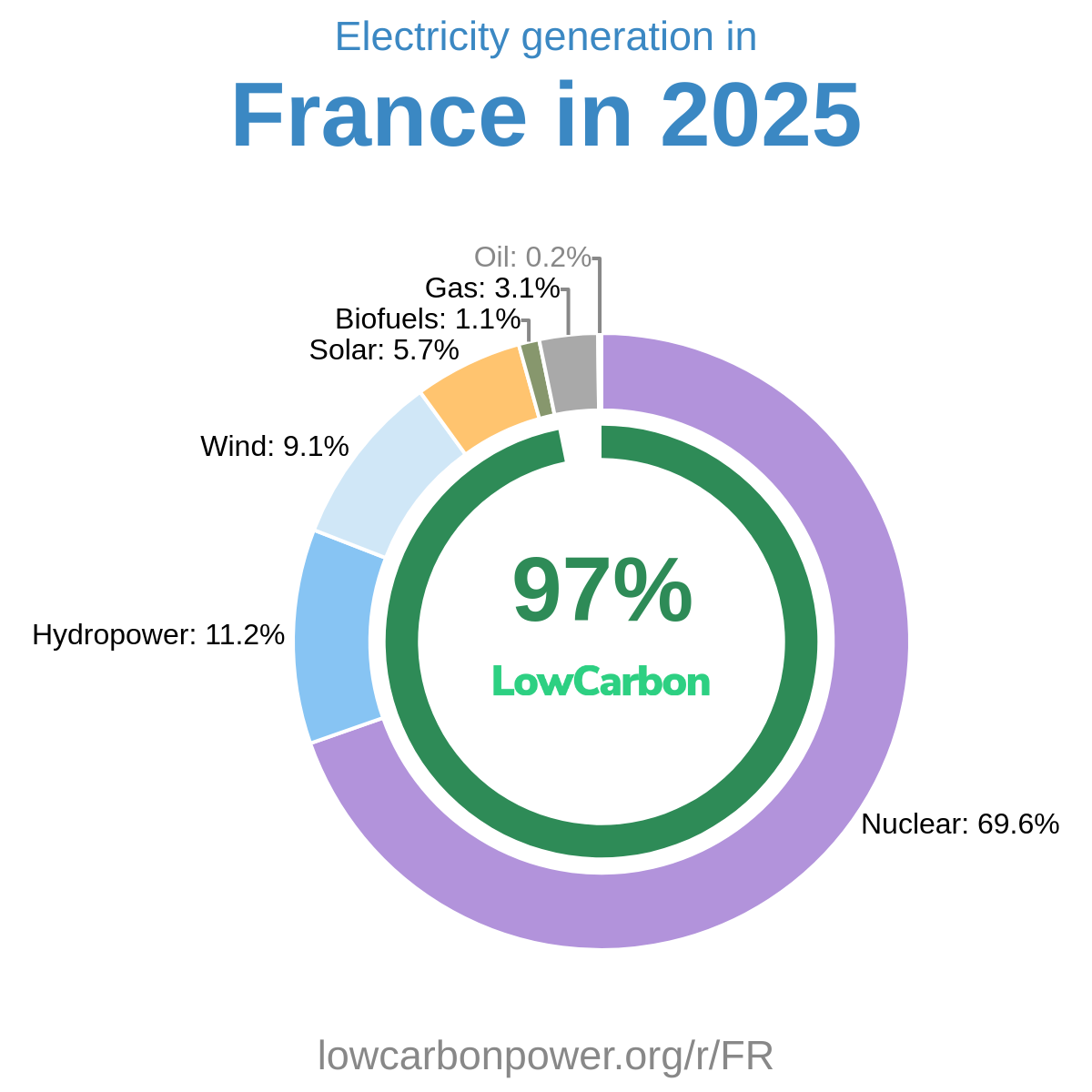
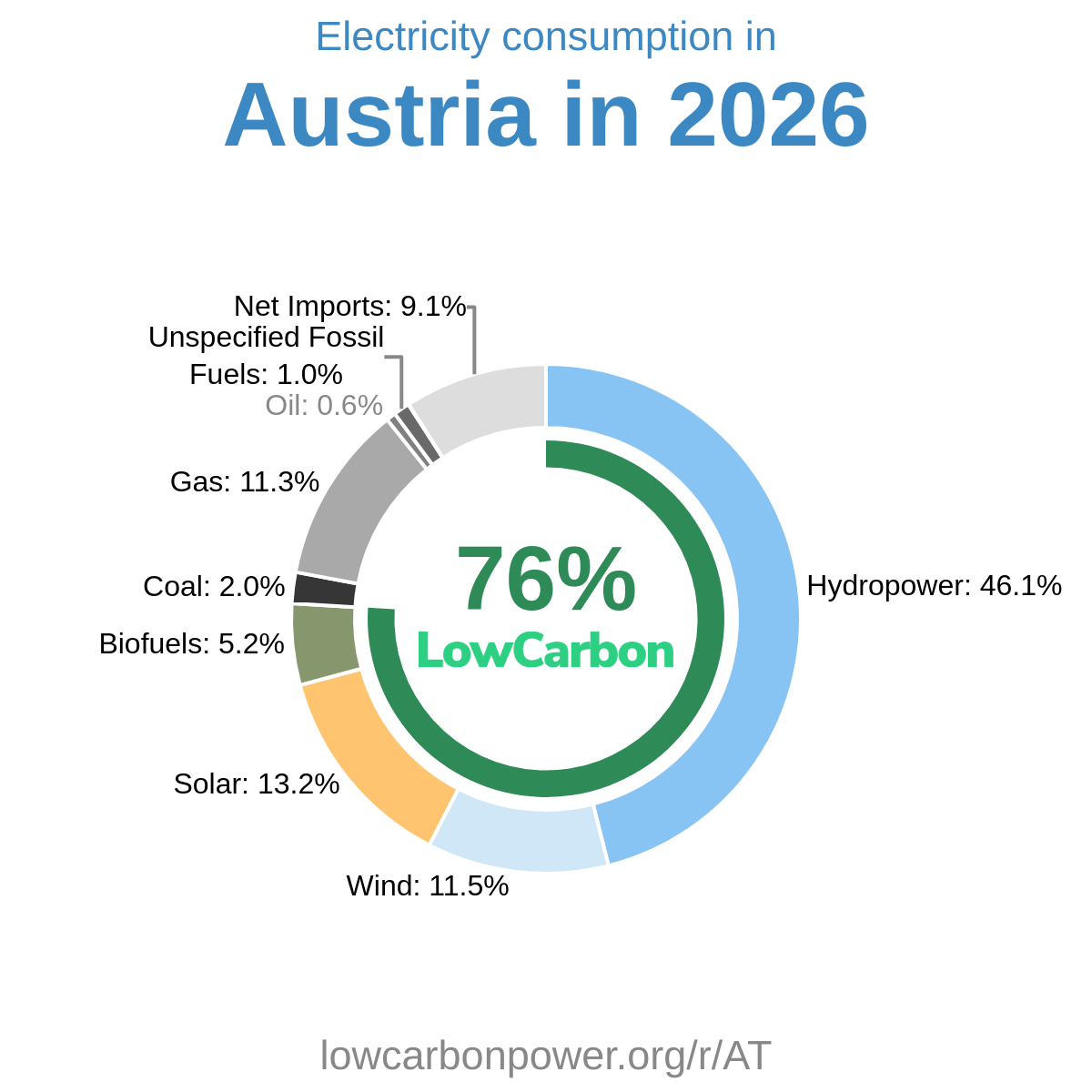
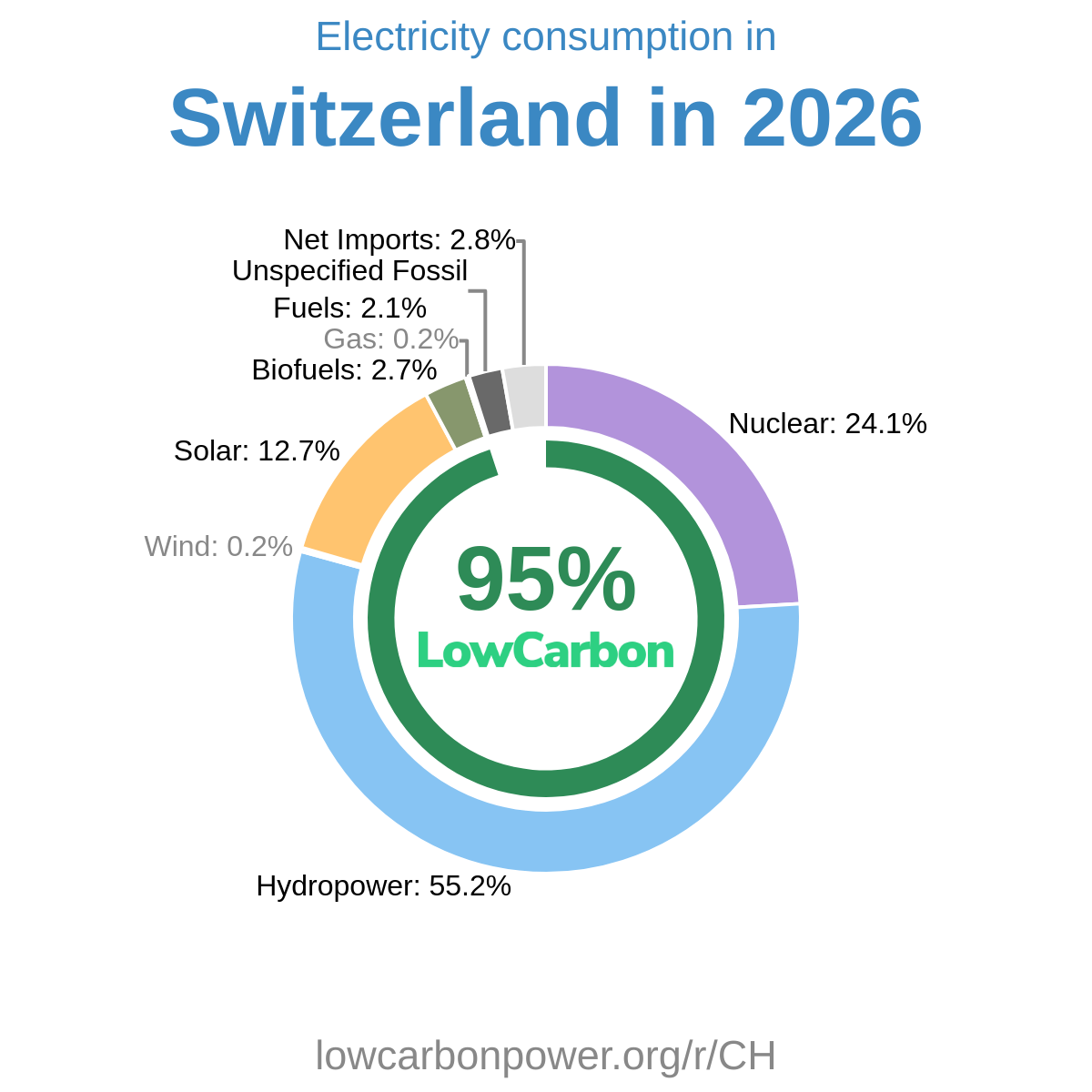
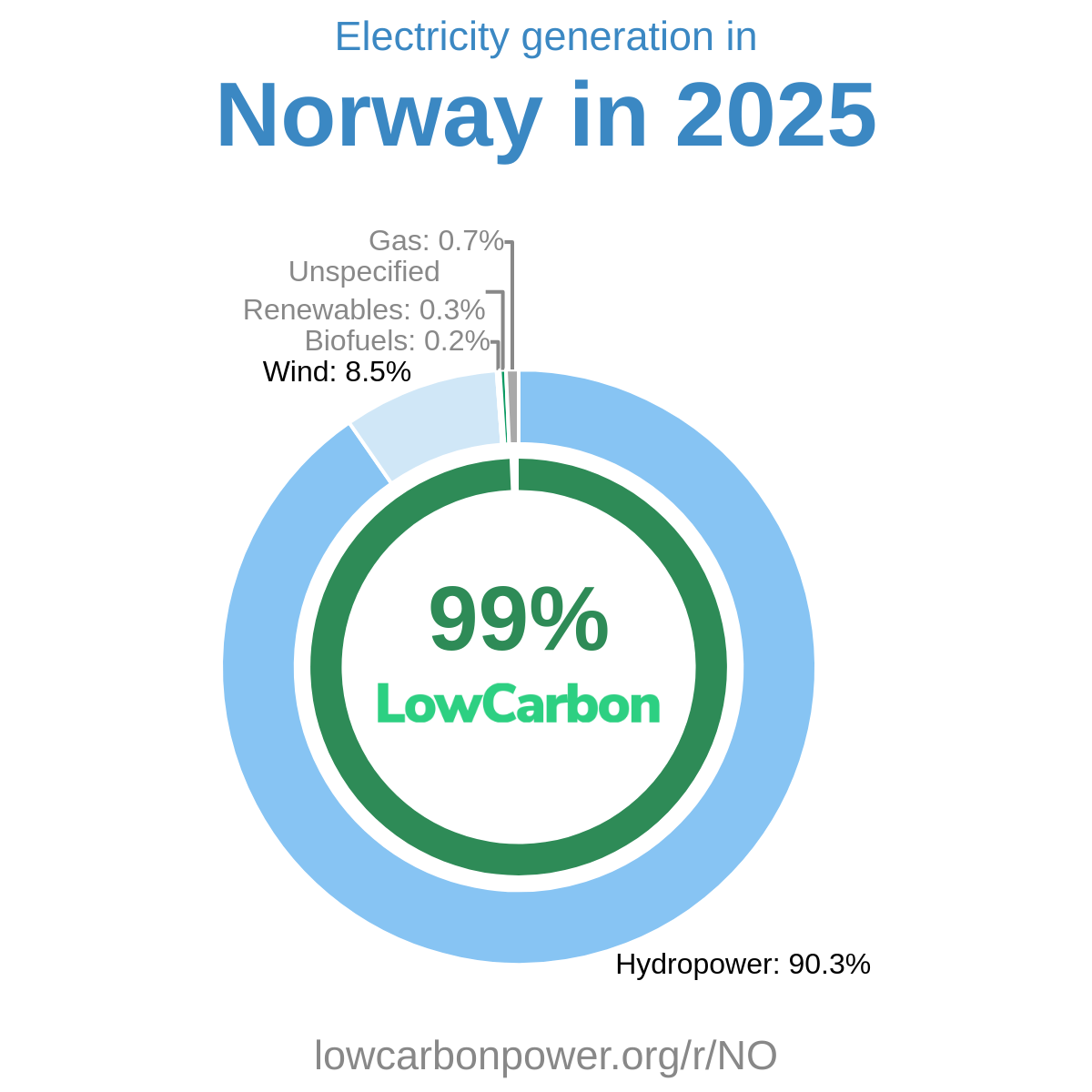
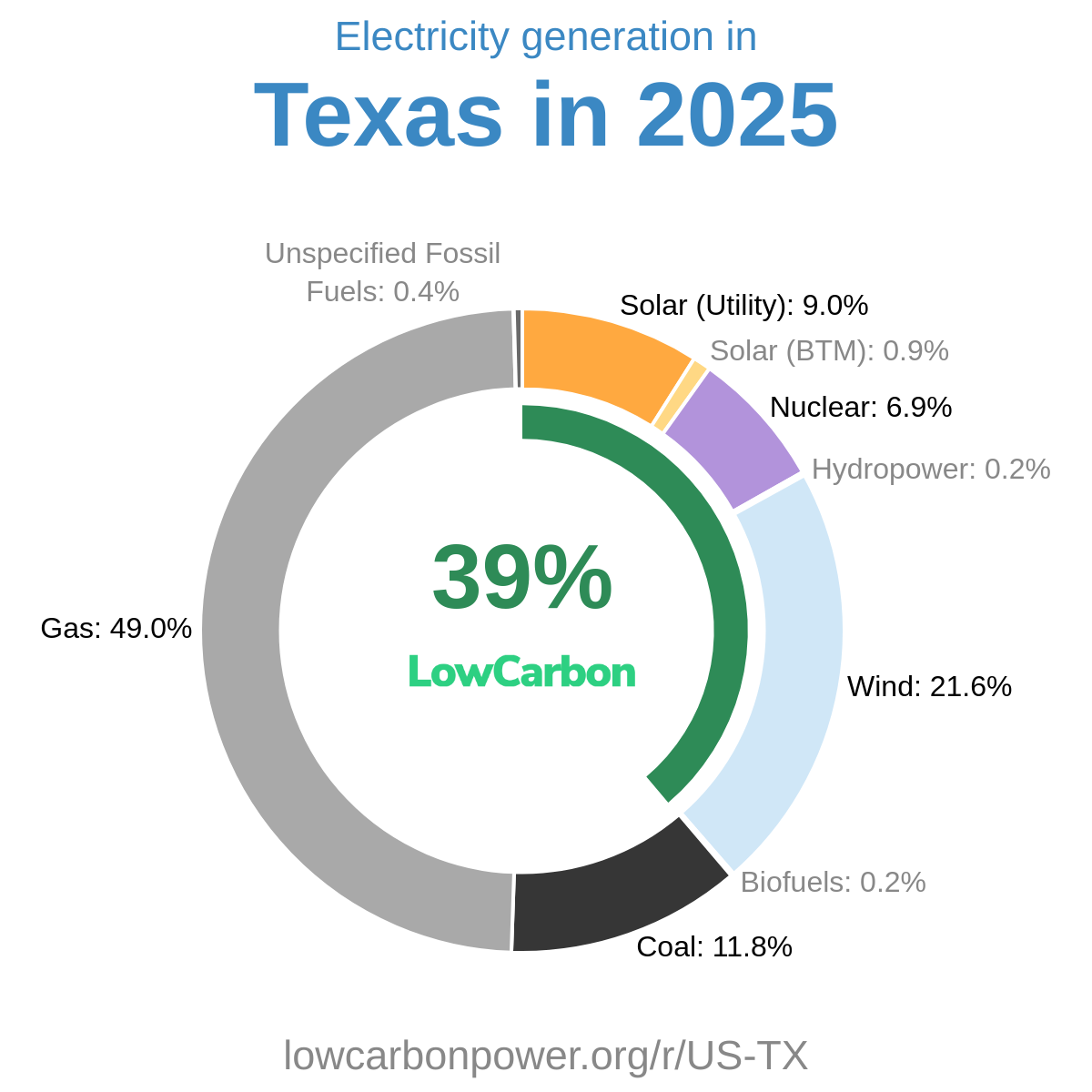
Luxembourg has an opportunity to increase its low-carbon electricity generation by learning from regions that have successfully harnessed solar, wind, and nuclear energy. Countries like France and Slovakia, where nuclear power accounts for more than two-thirds of electricity generation, provide a strong example of how nuclear energy can substantially contribute to a low-carbon grid. Additionally, regions like Denmark and Iowa, where wind energy forms over half of electricity generation, illustrate the potential of wind energy. Luxembourg could focus on expanding its domestic solar and nuclear capabilities, taking inspiration from successful models like Nevada (solar at 35%) and the exemplary nuclear infrastructure in France and Slovakia. By investing in these areas, Luxembourg can reduce its import reliance, bolster its clean energy output, and future-proof its energy grid.
* 12M = Last 12 months (Sep 2025 – Aug 2026) — a rolling 12-month period, not a calendar year.
History
Throughout the 1990s, Luxembourg saw fluctuations in its hydropower generation, with noticeable advancements initially in 1990 and some alternating gains and declines over subsequent years. The early 2000s saw only minor changes with a notable dip in 1999 and again in 2009. The hydropower gains of 2010 and 2015 showed potential, although a larger decline was recorded in 2025. In recent years, particularly since 2017, efforts to harness wind and solar energy have gained momentum. The introduction and development of solar power, particularly in 2024, marked a pivotal step in diversifying Luxembourg’s low-carbon portfolio. The steady but modest development in wind and biofuels positions Luxembourg as an evolving player in the clean energy sector, albeit with plenty of room for growth. By building on these foundations and looking outward for inspiration, Luxembourg can advance its clean electricity generation and contribute positively to global sustainability goals.
* 12M = Last 12 months (Sep 2025 – Aug 2026) — a rolling 12-month period, not a calendar year.
Electricity Imports and Exports
Balance of Trade
* 12M = Last 12 months (Sep 2025 – Aug 2026) — a rolling 12-month period, not a calendar year.
Nearby Regions