

Electricity in Maldives in 2023
In 2023, electricity consumption in the Maldives is overwhelmingly dominated by fossil fuels, with over 90% of electricity generated from these sources. Approximately 93% of the island nation's electricity is derived from fossil energy, reflecting a heavy dependence on these non-renewable sources. On the low-carbon front, solar energy stands as the lone contributor, providing slightly above 7% of the total electricity. This illustrates a significant need for the Maldives to diversify its electricity generation mix by expanding its clean energy footprint to reduce its environmental impact and meet rising global sustainability standards.
Is Electricity Growing in Maldives?
When looking at the trajectory of electricity consumption in the Maldives, there is a slight decrease in overall per capita consumption as compared to past years. The current electricity consumption stands at 1616 kWh per person, which is a small decline from the 2018 peak of 1670 kWh per person. This represents a decrease of 54 kWh/person, indicating a need for renewed focus on growth to support development and modernization efforts. However, the per capita generation from low-carbon sources has remained static at 114 kWh, showing no improvement over the previous record. This stagnation is particularly concerning as it underscores a need for strategic initiatives to boost clean electricity production, especially in a region that could greatly benefit from the sustainability and resilience offered by low-carbon technologies.
Suggestions
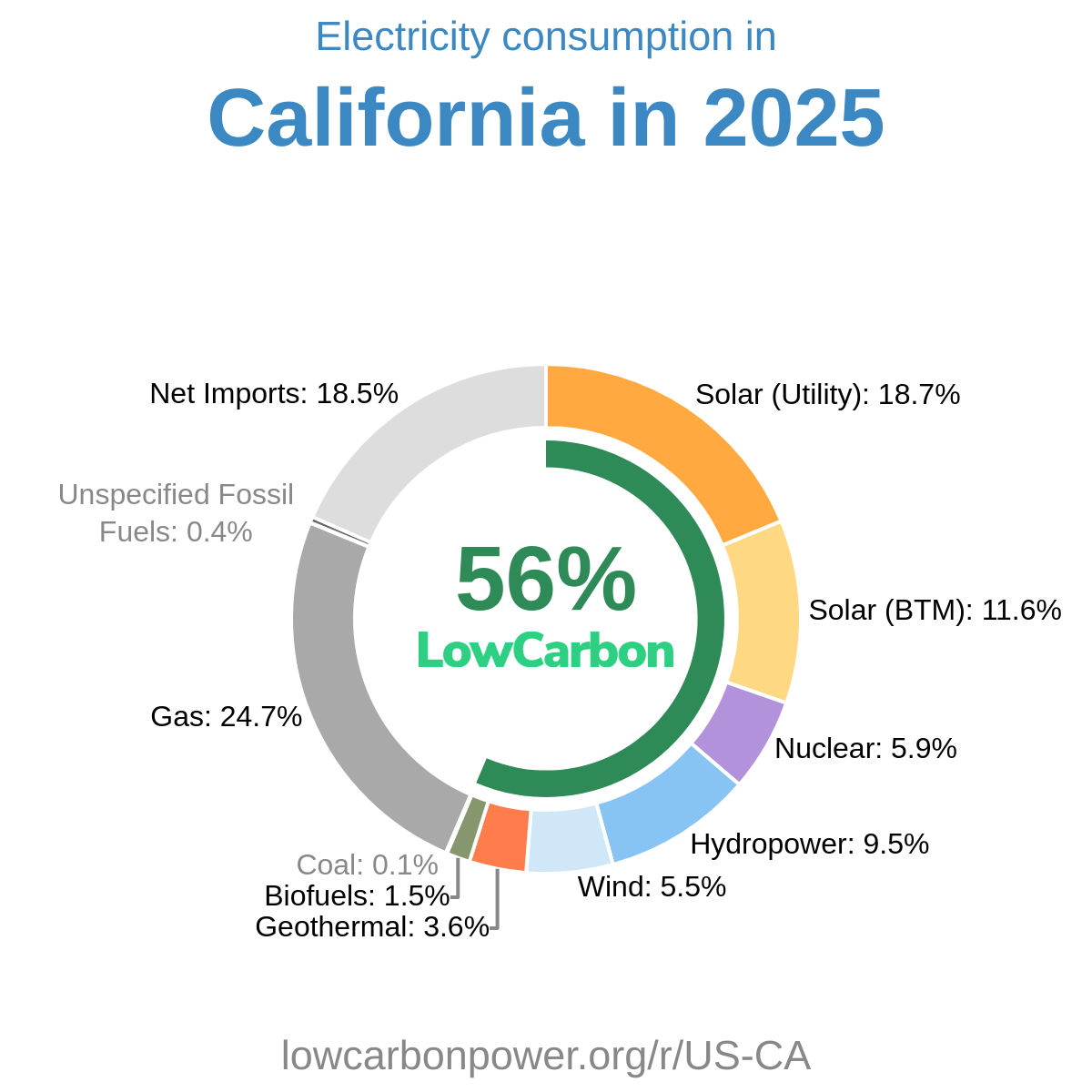
To markedly increase low-carbon electricity generation, the Maldives should look towards global leaders for inspiration in solar and nuclear energy. Countries like France and Slovakia demonstrate impressive utilization of nuclear energy, with over two-thirds of their electricity generated through this clean source, highlighting nuclear as a viable pathway for consistent and large-scale electricity output. Similarly, for solar energy, regions like Nevada and California successfully harness solar potential, making up more than 30% of their electricity generation. Learning from these examples, the Maldives could expand both solar and potentially nuclear capabilities, balancing the immediate implementability of solar with the long-term reliability and capacity scaling afforded by nuclear. This dual approach could drastically tilt the energy mix towards a cleaner, more sustainable future for the Maldives.
History
Reflecting on the history of Maldives' low-carbon electricity generation, the last decade has not seen any significant expansion in solar capabilities. Since 2014, there has been no change in electricity generation from solar, marking a period of stagnation in diversifying energy sources. While the stability of solar may be acknowledged, the absence of growth is a missed opportunity, and it's vital to channel more resources and innovation into expanding clean electricity generation. The Maldives must urgently break this cycle of stagnation to build a resilient and sustainable energy system for future generations.
Electricity Imports and Exports
Balance of Trade
Nearby Regions