

Electricity in Gibraltar in 2020
As of 2020, Gibraltar's electricity consumption is entirely dependent on fossil fuels, with fossil energy accounting for 100% of its electricity generation mix. There is no presence of low-carbon or clean energy sources in Gibraltar's electricity generation, as renewable and nuclear energy contributions are effectively close to none. The reliance on fossil fuels is concerning given the negative environmental impacts associated with fossil fuel combustion, such as climate change and air pollution. By contrast, the transition to low-carbon sources such as nuclear, solar, and wind power could significantly reduce emissions and promote energy sustainability.
Is Electricity Growing in Gibraltar?
In terms of growth, Gibraltar appears to be experiencing a decline in electricity consumption. The average electricity consumption per person in the latest data from 2020 is recorded at 5,534 kWh, which marks a decrease from the previous record of 6,755 kWh per person in 2015. This represents a reduction of about 1,221 kWh per person over the five-year period. Furthermore, Gibraltar has not made advancements in low-carbon electricity, with the amount remaining at 0 kWh per person since at least 1990. This stagnation in clean energy development is troubling, as it indicates a missed opportunity to enhance green electricity generation capabilities, which are crucial in achieving environmental goals and meeting growing electricity demands.
Suggestions
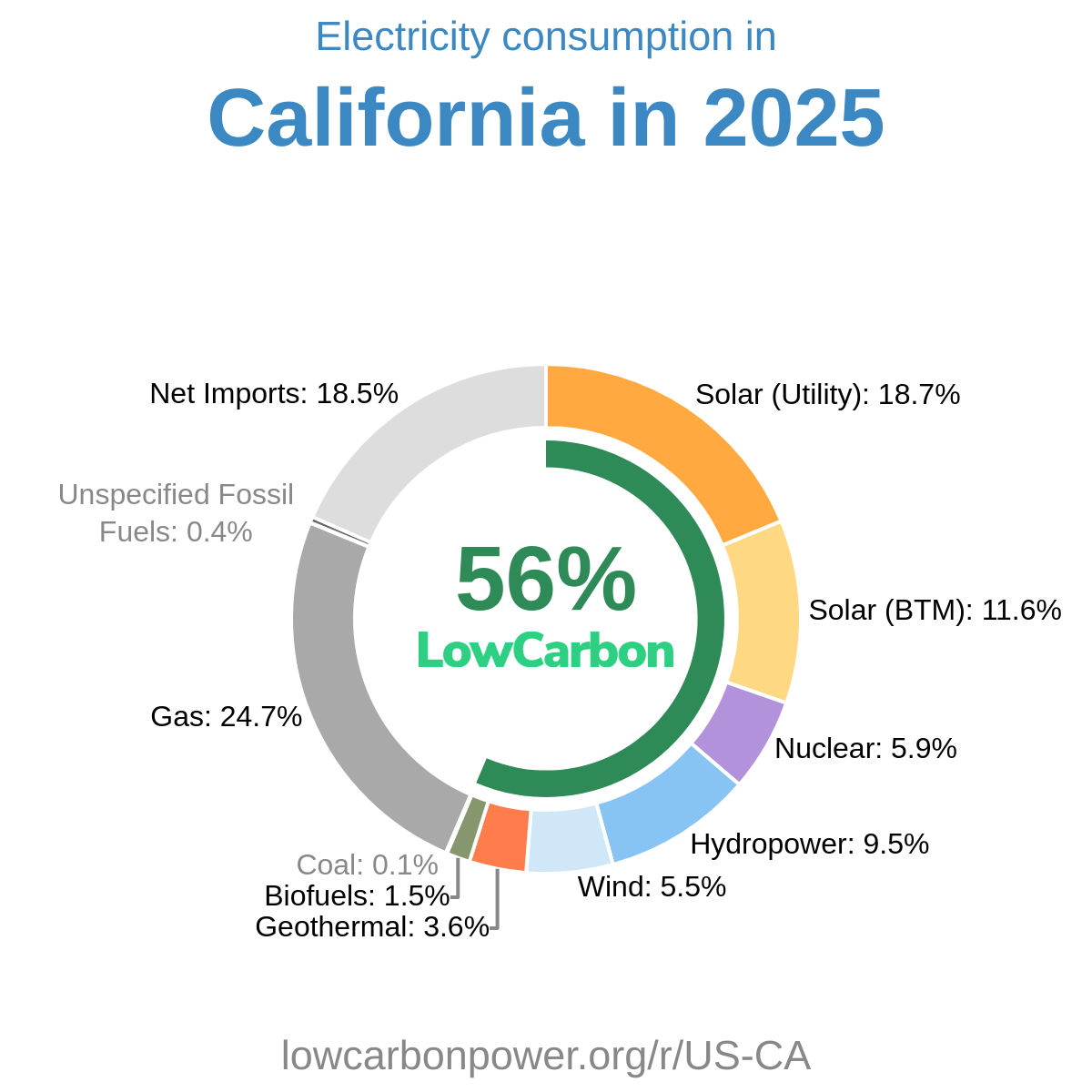
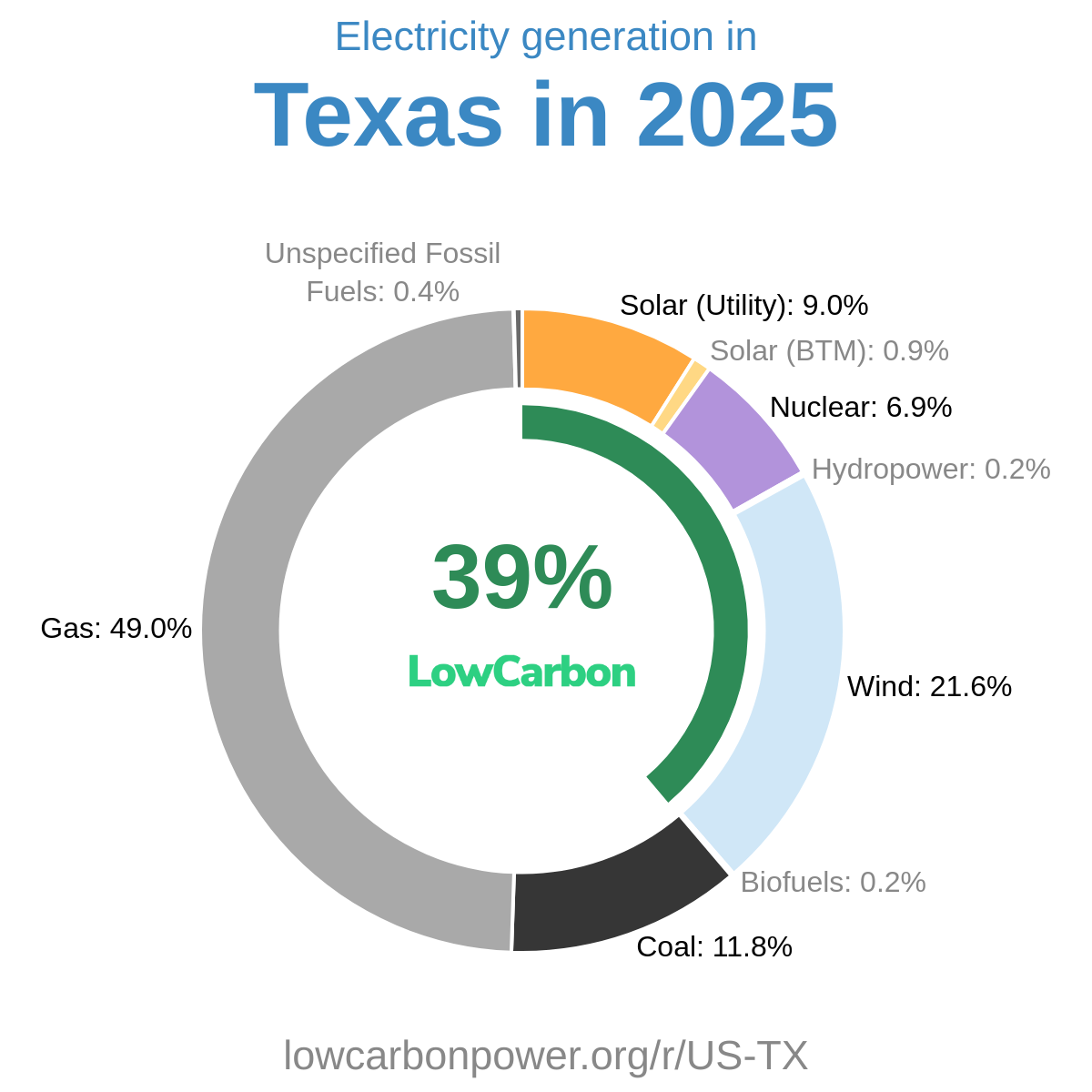
To increase low-carbon electricity generation, Gibraltar could look towards successful regions that have integrated solar, wind, and nuclear power into their energy portfolios. For instance, California, Chile, and Cyprus each generate over a fifth of their electricity from solar power, highlighting the potential of solar energy in regions with varying degrees of sunlight exposure. Additionally, the impressive reliance on nuclear power in countries like France and Slovakia, where nuclear contributes more than 65% to the electricity mix, presents a compelling case for the adoption of nuclear energy to ensure a stable and abundant supply of clean electricity. By drawing lessons from these regions, Gibraltar could strategically invest in solar and nuclear technologies to shift towards a sustainable energy future.
History
Electricity Imports and Exports
Balance of Trade
Nearby Regions