

Electricity in Grenada in 2022
In 2022, the state of electricity consumption in Grenada was heavily reliant on fossil fuels, with all electricity being generated from these sources. There was no contribution from low-carbon or clean energy sources, such as solar or nuclear energy, that are essential for reducing greenhouse gas emissions and combating climate change. This reliance on fossil fuels not only impacts the environment negatively through increased carbon emissions but also poses energy security risks due to the volatility of fossil fuel markets. The absence of clean energy sources in Grenada highlights the urgent need for diversifying the energy mix to incorporate sustainable and low-carbon options.
Is Electricity Growing in Grenada?
Electricity consumption in Grenada has shown a slight decrease, which is concerning given the need for increased electricity to support development and the transition to green technologies. The latest data from 2022 indicated that electricity consumption was 2053 kWh per person, which is slightly lower than the 2019 level of 2070 kWh per person. This decrease of 17 kWh per person suggests a stagnation rather than growth in electricity usage. Furthermore, Grenada has not seen any advancement in low-carbon electricity generation, maintaining a steady figure of 0 kWh per person, unchanged since 1997. This lack of growth in clean electricity generation emphasizes the necessity for proactive measures to foster low-carbon energy development.
Suggestions
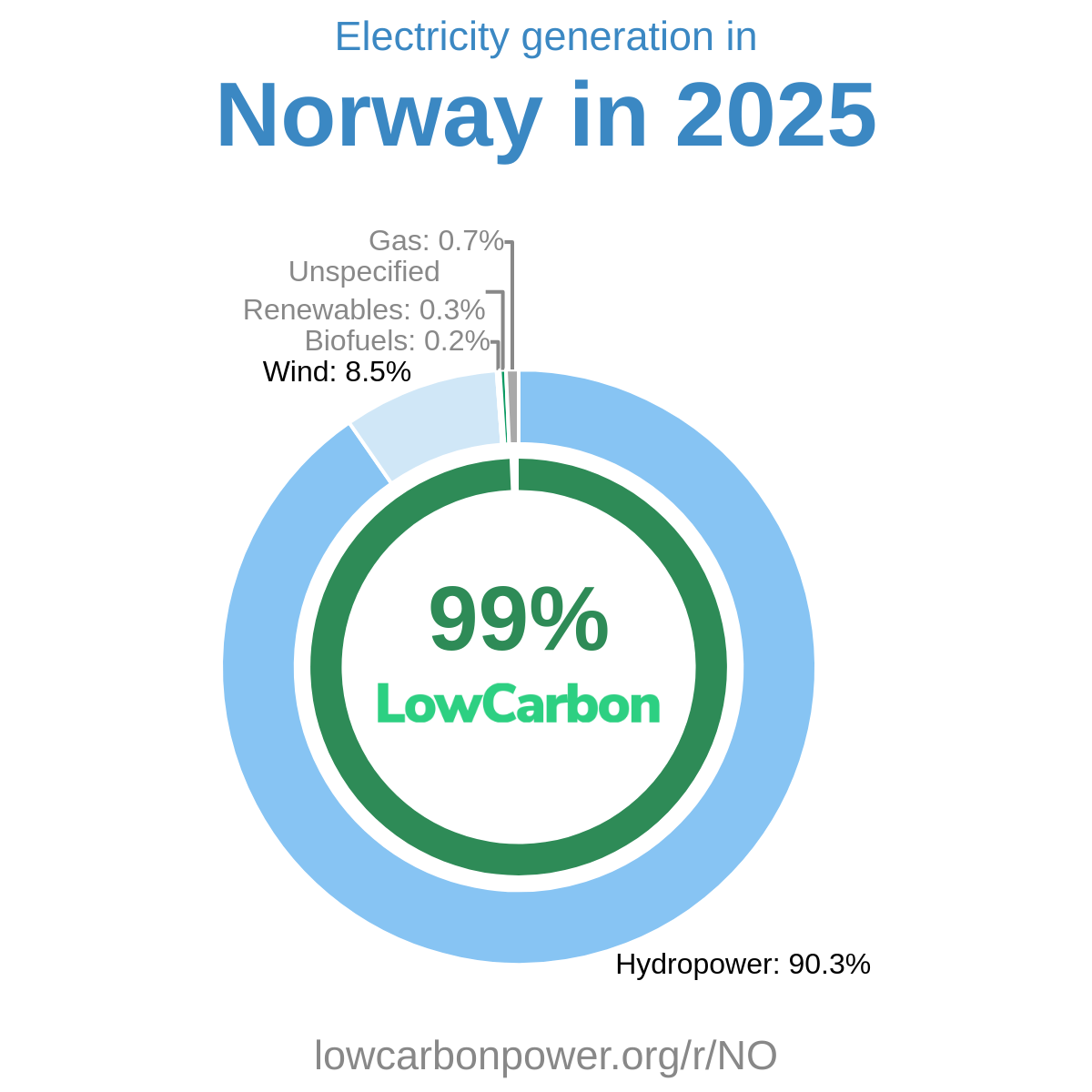
Grenada can significantly benefit by following the footsteps of regions that have successfully embraced low-carbon energy technologies. Given the island's geographical and climatic conditions, solar energy stands out as a viable option. Grenada can draw inspiration from countries like Cyprus, where solar contributes 23% to the electricity mix, showing the potential of solar technology in similar climates. Additionally, integrating nuclear energy into Grenada's electricity strategy can provide a stable and substantial clean energy base, much like France, where nuclear energy accounts for 67% of electricity generation. By investing in these technologies, Grenada can reduce its fossil fuel dependency and enhance sustainability.
History
Historically, Grenada has not seen any shifts towards integrating low-carbon technologies into its electricity supply. No significant developments or changes have been recorded, with all electricity production remaining tied to fossil fuels. This persistent use of fossil-based electricity generation underscores a significant challenge that Grenada faces in aligning with global low-carbon energy trends. The lack of historical progress serves as a call to action for decisive policy shifts and investments aimed at enhancing Grenada's energy sustainability. It is essential for Grenada to start transitioning towards low-carbon energy, which could play a pivotal role in protecting the local environment and playing its part in addressing global climate issues.
Electricity Imports and Exports
Balance of Trade
Nearby Regions